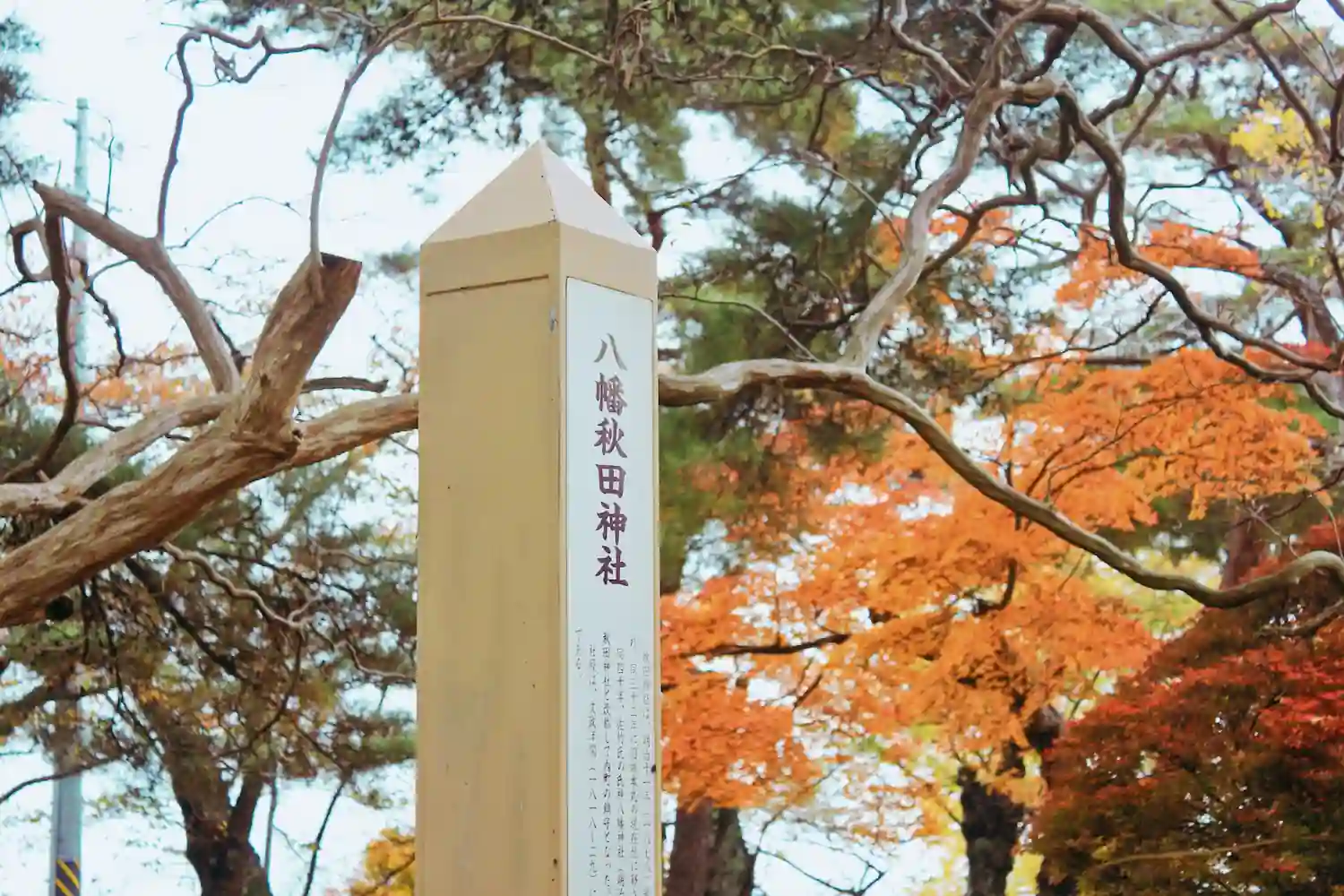
Akita Sake: The Flavor Secrets of Japan's Snow Country Brews
Learn about the characteristics and flavors of Akita Prefecture's sake. We introduce the differences between light, dry, and rich flavors, the features of Akita Sake Komachi rice and water, and brewery tour information in a beginner-friendly way.
Mar 29, 2026

Characteristics of Akita Prefecture's Japanese Sake
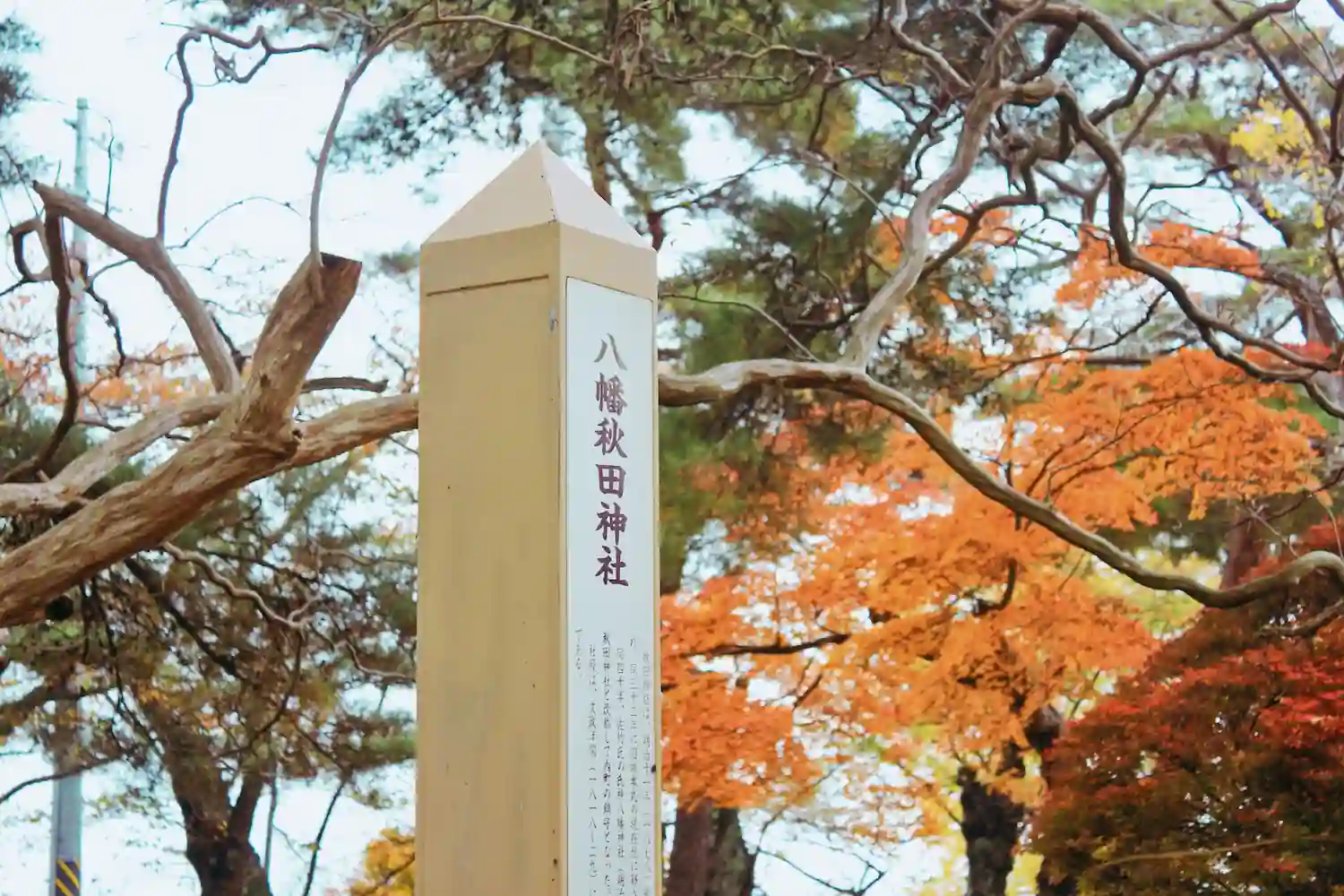
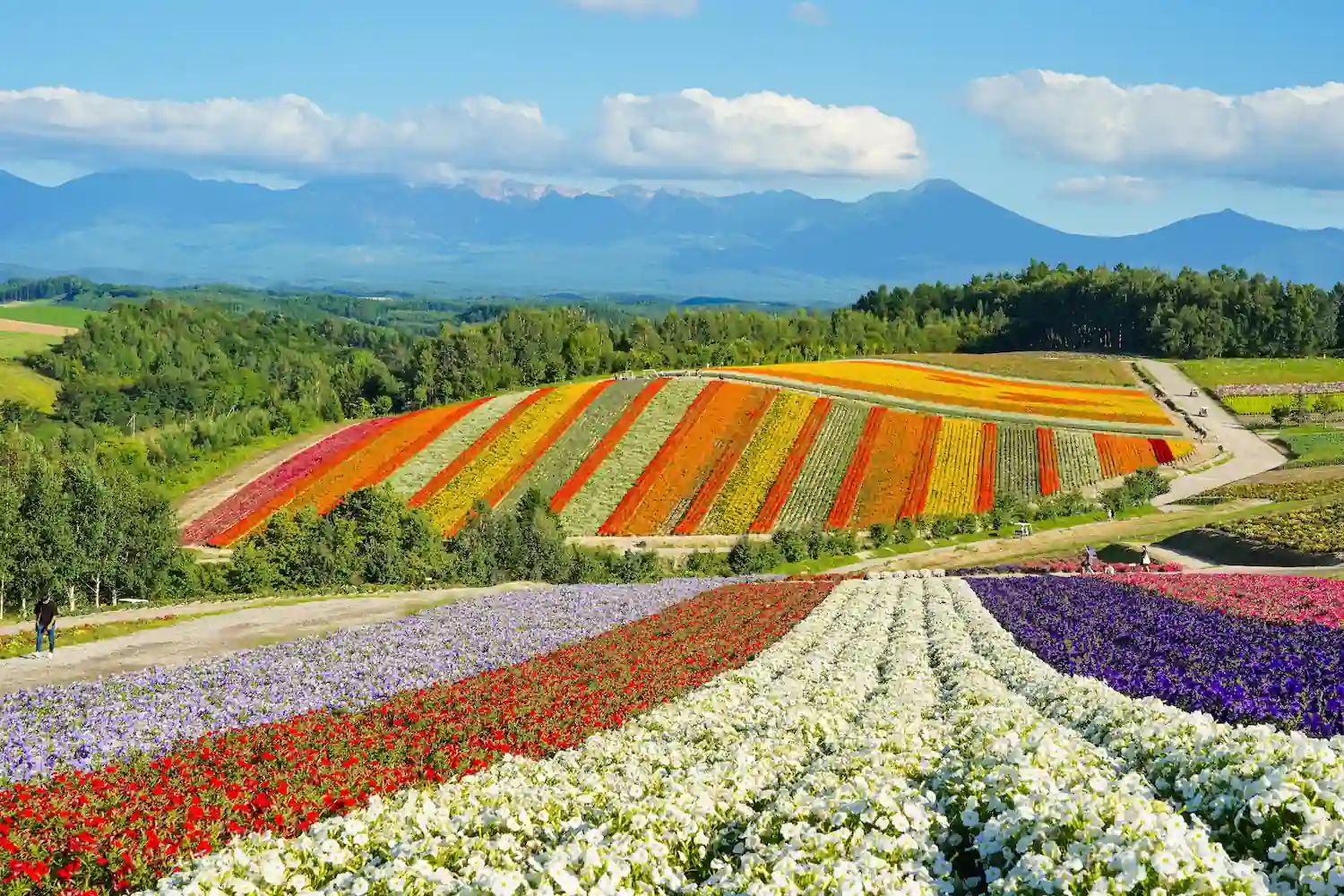
Source: Unsplash *Image is for illustrative purposes
Akita Prefecture is one of the nation's famous rice-producing regions. Blessed with abundant nature and a long history, Akita is known as one of Japan's coldest regions and a treasure trove of delicious sake. Many breweries have been in business for over 100 years and have been loved by many people as a traditional sake region.
Akita's sake has distinct characteristics. Regional sakes from the Tohoku region are generally said to have light, dry flavors with clean tastes. However, Akita's regional sake is characterized by having additional depth and umami. A refined and gentle mouthfeel with strong rice umami—this is what characterizes Akita sake.
What Does Akita's Japanese Sake Taste Like?
Three representative flavors characterize Akita's regional sake: "light (tanrei)," "dry (karakuchi)," and "rich (umakuchi)."
First, "light" refers to sake with a crisp, clean mouthfeel. It has a light palate with a refreshing aftertaste that doesn't linger, making it a representative type of easy-to-drink sake.
"Dry" refers to sake with low sweetness and a sharp, crisp finish. Even though it is dry, Akita sake retains the rice's umami, so it doesn't feel "overly dry."
"Rich" refers to sake with a dry mouthfeel while offering abundant rice sweetness and umami. Akita's regional sakes often have this rich character and are popular as "meal-time sake" enjoyed with food.
The History of Akita's Japanese Sake
The history of sake brewing in Akita is very old. During the Edo period, Akita had many gold and silver mines. Alcohol became very popular as one of the pleasures for people working in the mines. Historical records show that at that time there were nearly 800 sake breweries!
Many breweries that inherited this long history continue today. "Hiraraiizumi Honpo" in Nikahofu City is said to have been founded in 1487 during the Muromachi period and is the oldest brewery in Tohoku. This brewery, with over 500 years of history, continues the traditional "yamahaidori" brewing method today.
Akita's Rice and Water
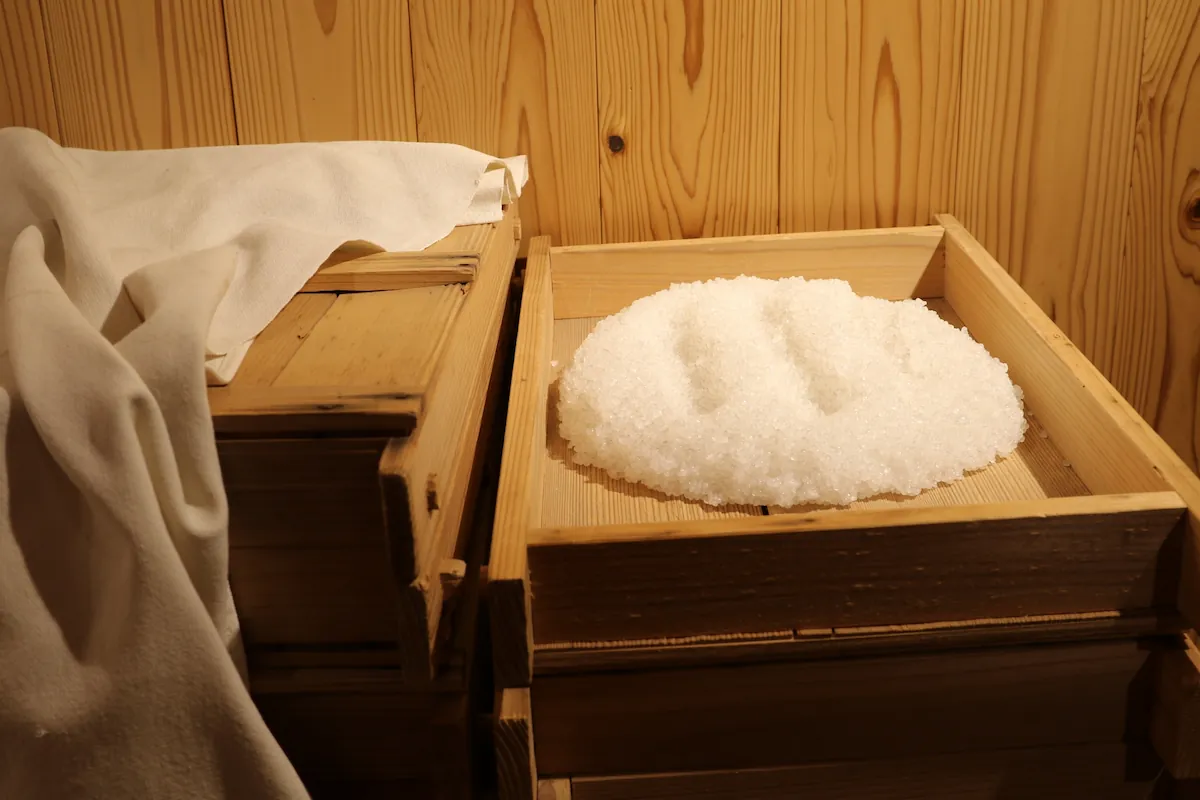
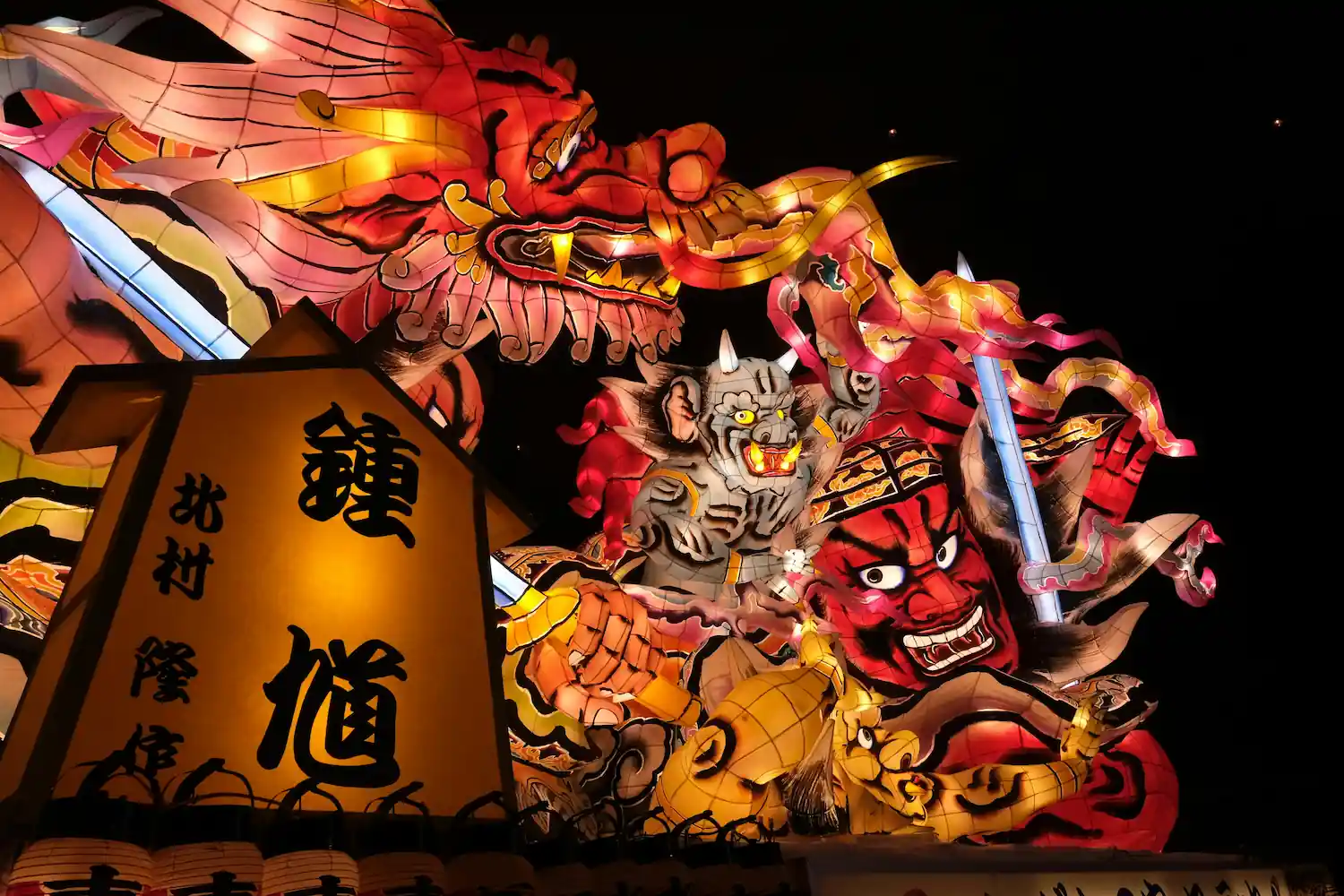
*Image is for illustrative purposes
The quality of "rice" and "water" is very important for making delicious sake. Akita Prefecture is blessed with both of these ingredients. Fertile land and pure water are the foundation of Akita's sake's flavor.
What is Akita Sake Komachi?
Akita Prefecture has "Akita Sake Komachi" as its original sake rice. This rice was developed in 1998 and is now one of the representative sake brewery rice varieties of Akita.
The characteristic of Akita Sake Komachi is that the rice grains are large and the outer skin is easy to polish. When polished, the result has fewer off-flavors and a crisp taste. Additionally, since the rice contains abundant sugar, it produces rich sweetness and umami. This rice is one of the major reasons for the rich flavor of Akita's regional sake.
Characteristics of Akita's Water
Akita Prefecture has abundant clear groundwater and snowmelt water. Most of Akita's rivers and spring water are "soft water," which produces sake with a mellow and gentle taste.
In the heavy snowfall region of Akita, large amounts of snow accumulate in winter. As this snow slowly melts in spring, it becomes very pure water. Sake made with this water has a refined, easy-to-drink flavor.
Characteristics of Akita's Breweries and Tour Information
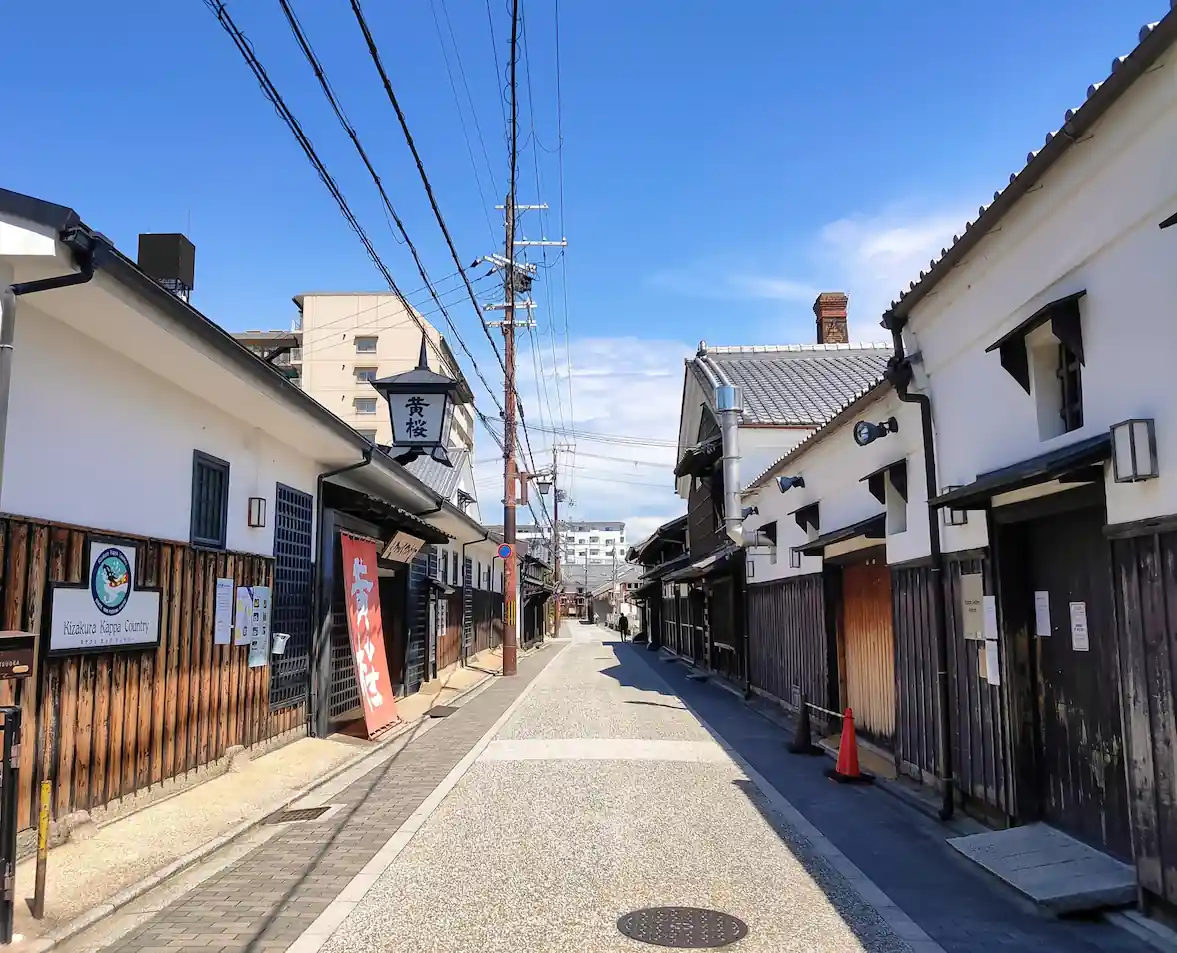
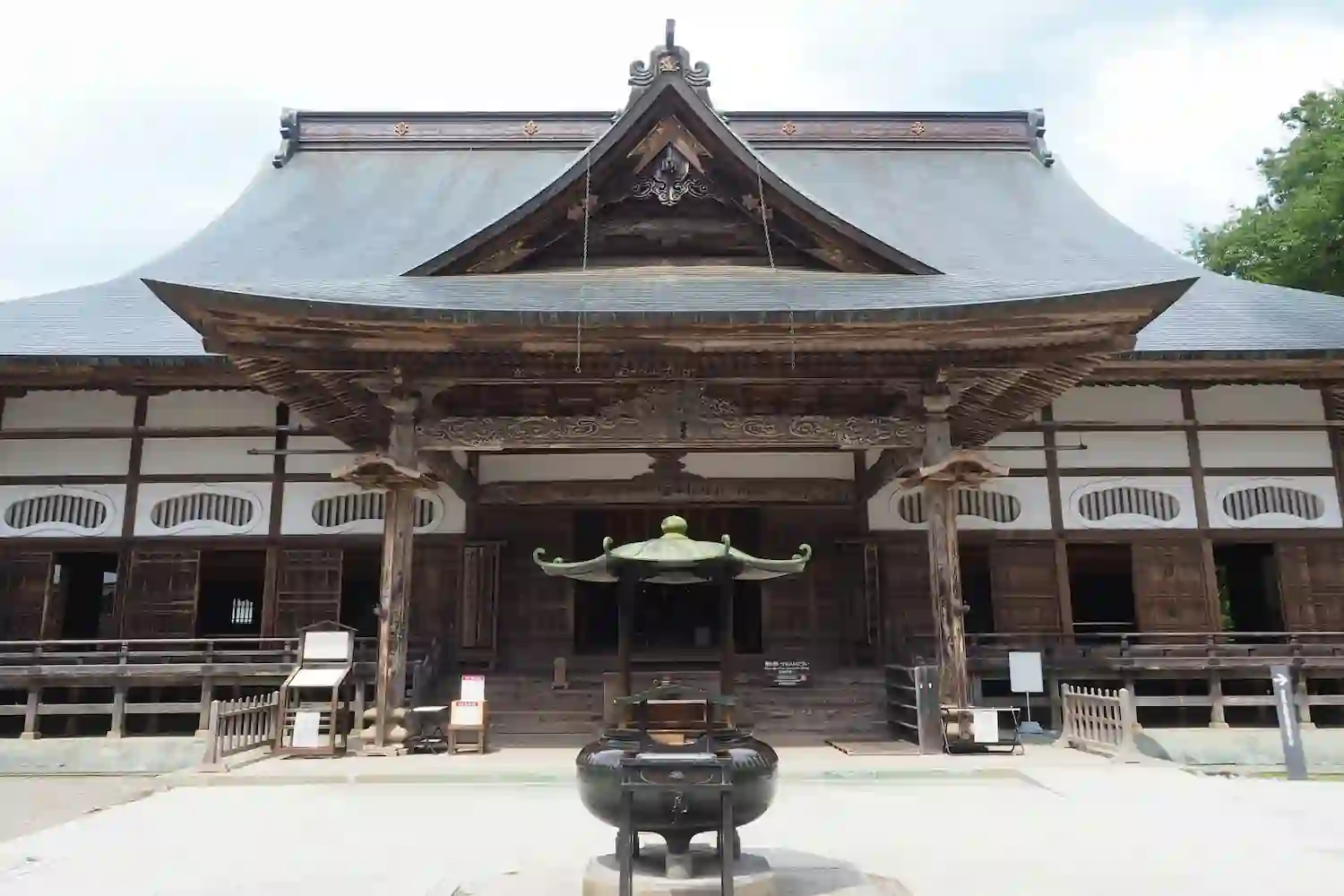
*Image is for illustrative purposes
Akita Prefecture has many long-established breweries founded over 100 years ago. Many continue to produce delicious sake using unique methods that take advantage of Akita's climate and geography.
One of the greatest characteristics of Akita's sake production is the "Akita-style low-temperature long-term fermentation" method. This method uses the cold winter of heavy snowfall regions to ferment sake slowly at low temperatures. By fermenting at low temperature over time, a refined, light flavor is achieved. This method has been passed down through generations by "Yamauchi Toji," a group of master brewers from Yokote City.
Additionally, Akita breweries use yeast they have developed themselves. Association No. 6 yeast, now widely used throughout the nation as the original clear sake yeast, was originally separated from an Akita brewery. Furthermore, "Akita-style flower yeast" with an elegant aroma reminiscent of flowers has been developed and contributes to Akita's sake's distinctive flavor.
About Brewery Tours in Akita
There are several breweries in Akita Prefecture that offer tours and experiences. During brewery tours, you can see firsthand how sake is made. It's a very enjoyable experience even for first-time visitors.
When visiting, we recommend confirming in advance by phone or online. Tours may not be available or hours may vary depending on the season or day of the week, so it's reassuring to check when planning.
Summary
Akita Prefecture's sake offers a rich range of flavors: light, dry, and rich. Original sake rice, pure water, and the traditional Akita-style low-temperature long-term fermentation method create its unique taste. Try visiting a brewery tour and experience the appeal of Akita's regional sake!
*This article uses AI for information organization, writing assistance, and proofreading. The structure and final review are conducted by the Kraport editorial team.