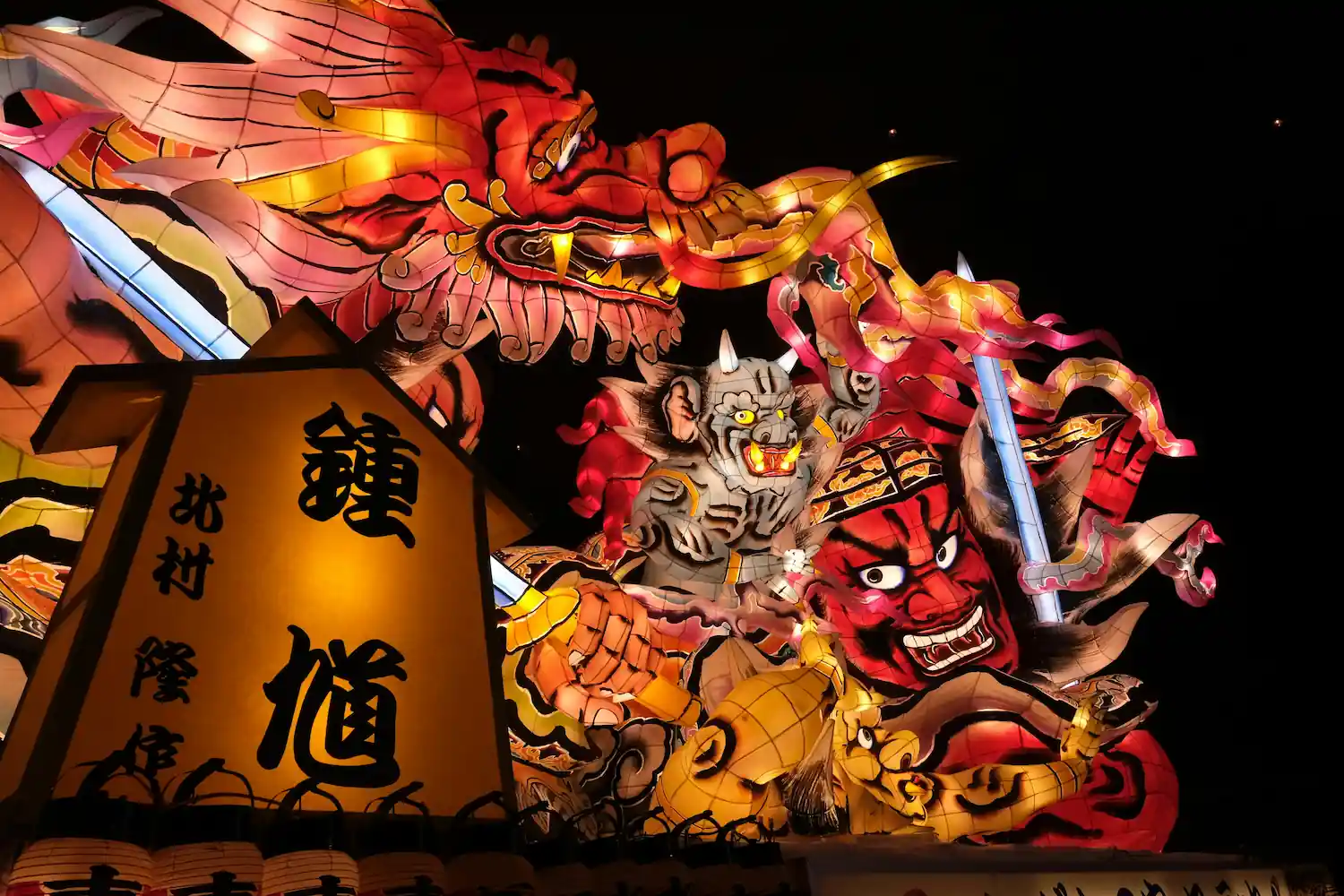
Aomori Sake: How Japan's Coldest Breweries Craft Exceptionally Pure Sake
Aomori Prefecture's sake is characterized by a light, clean flavor with crisp finish, born from the clear water unique to cold regions and quality rice. Learn about Aomori's regional sake charm, representative breweries, and the characteristics of rice and water, explained in beginner-friendly terms. Discover Aomori's sake history and why it's mostly dry!
Mar 29, 2026

What Are the Characteristics of Aomori's Japanese Sake? The Light Flavor Born from a Cold Climate
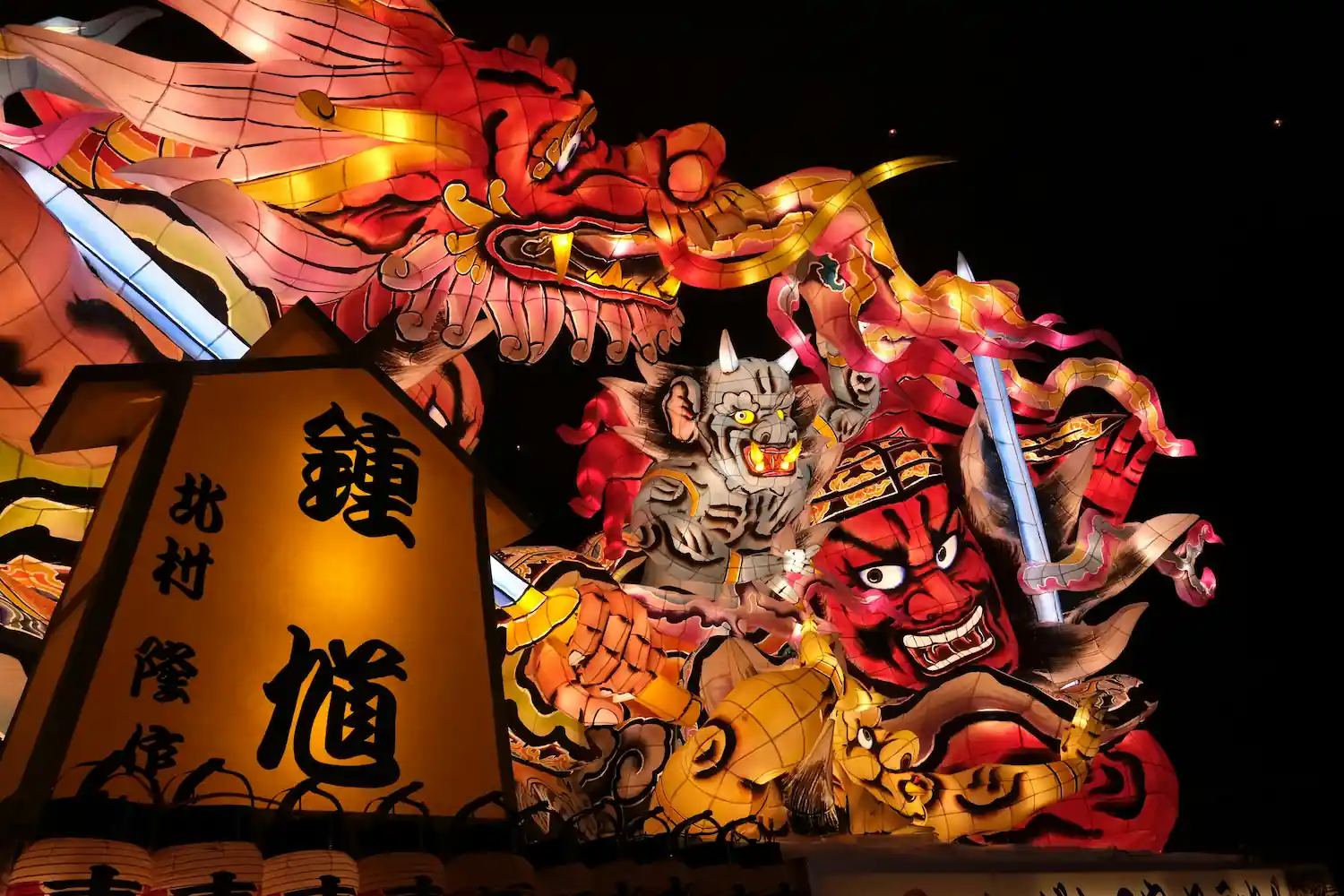
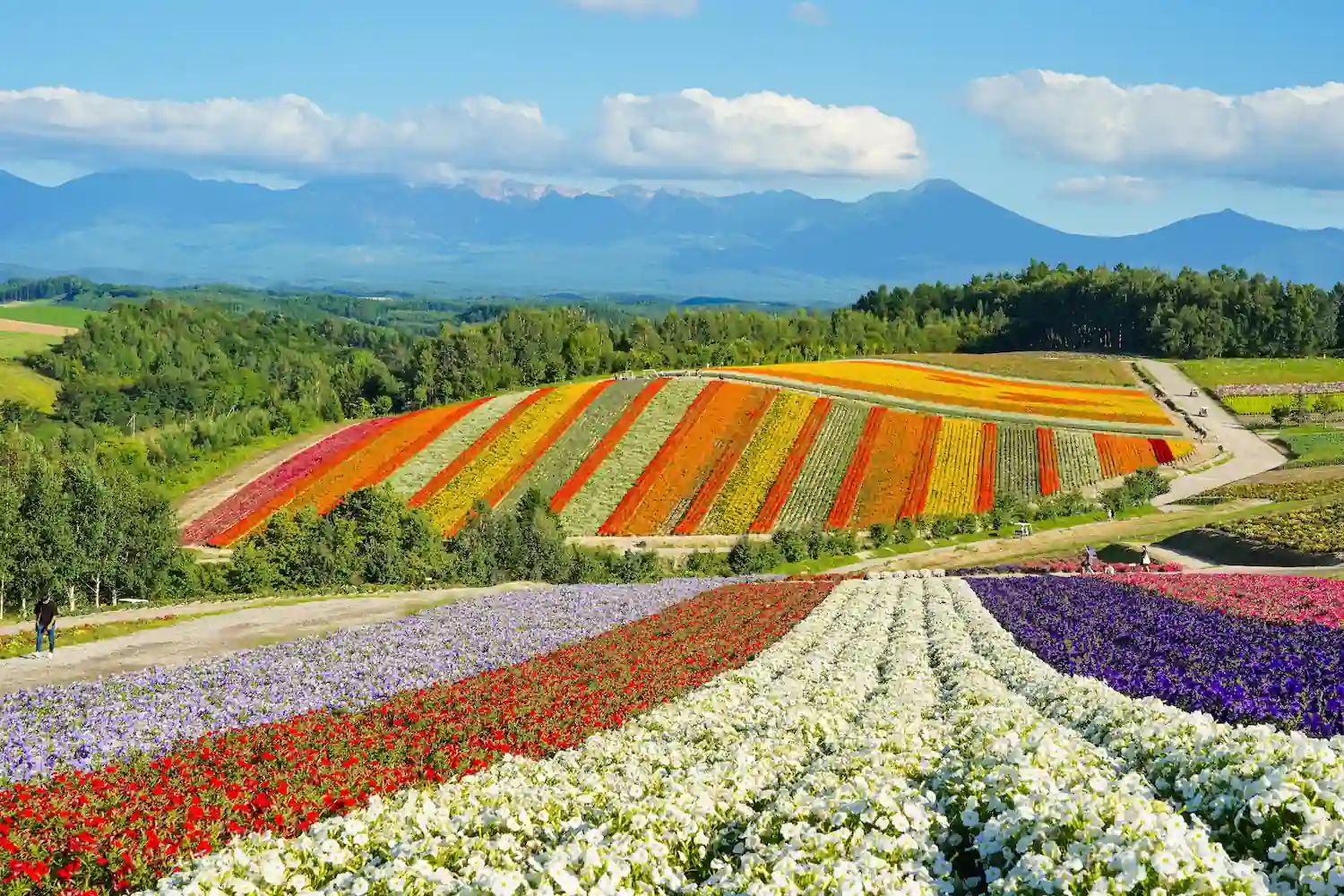
Source: Unsplash *Image is for illustrative purposes
Aomori's sake is characterized above all by its "light, dry (tanrei karakuchi)" flavor!
You can enjoy a crisp, clean mouthfeel with a sharp finish. This characteristic is born from Aomori's cool climate. Because it is brewed in a harsh cold environment, it has a very smooth mouthfeel and minimal off-flavors.
A key point of Aomori's sake is that you can feel solid umami. While being light, the balance that lets you taste rice's umami clearly is its appeal. Since Aomori's food culture features strong flavoring, the sake is made with richness to match.
It pairs perfectly with sashimi and seafood from Aomori's fresh waters! Even sake beginners can enjoy it smoothly.
A Brewing Environment Unique to Cold Regions
Aomori is located at the northern tip of Honshu, known for low average annual temperatures and harsh winter cold. This cold-region environment is actually a major advantage for sake brewing!
Sake is traditionally brewed during the cold season. Aomori's harsh cold allows fermentation to proceed slowly, creating an environment where fragrant, delicate-tasting sake naturally emerges.
Also, fermenting at low temperature slowly suppresses the growth of unwanted bacteria. This is one reason why Aomori's sake has a clear, clean taste.
Surrounded by abundant nature including the Shirakami Mountains, a UNESCO World Natural Heritage site, Aomori truly offers an ideal environment for sake brewing: clear water, a cool climate, and quality rice.
The Appeal of Japan's Northernmost Honshu Sake
Aomori's sake has a distinctive character unique to its location at Honshu's northern tip.
Rice grown in the cool climate is firm-grained and rich in starch. This foundation is what makes beautiful sake possible.
Additionally, Aomori is home to many nationally famous brands like "Den-Shu," "Hohaikutsu," and "Mutsu Hassen." All are masterpieces created by Aomori's nature and artisans!
Aomori's sake actually has a very wide range of flavors, from those with vibrant aromas and fruity notes to types with solid umami. Since each brewery has its own character, we recommend doing a tasting comparison.
The Secrets of Rice and Water Supporting Aomori's Sake
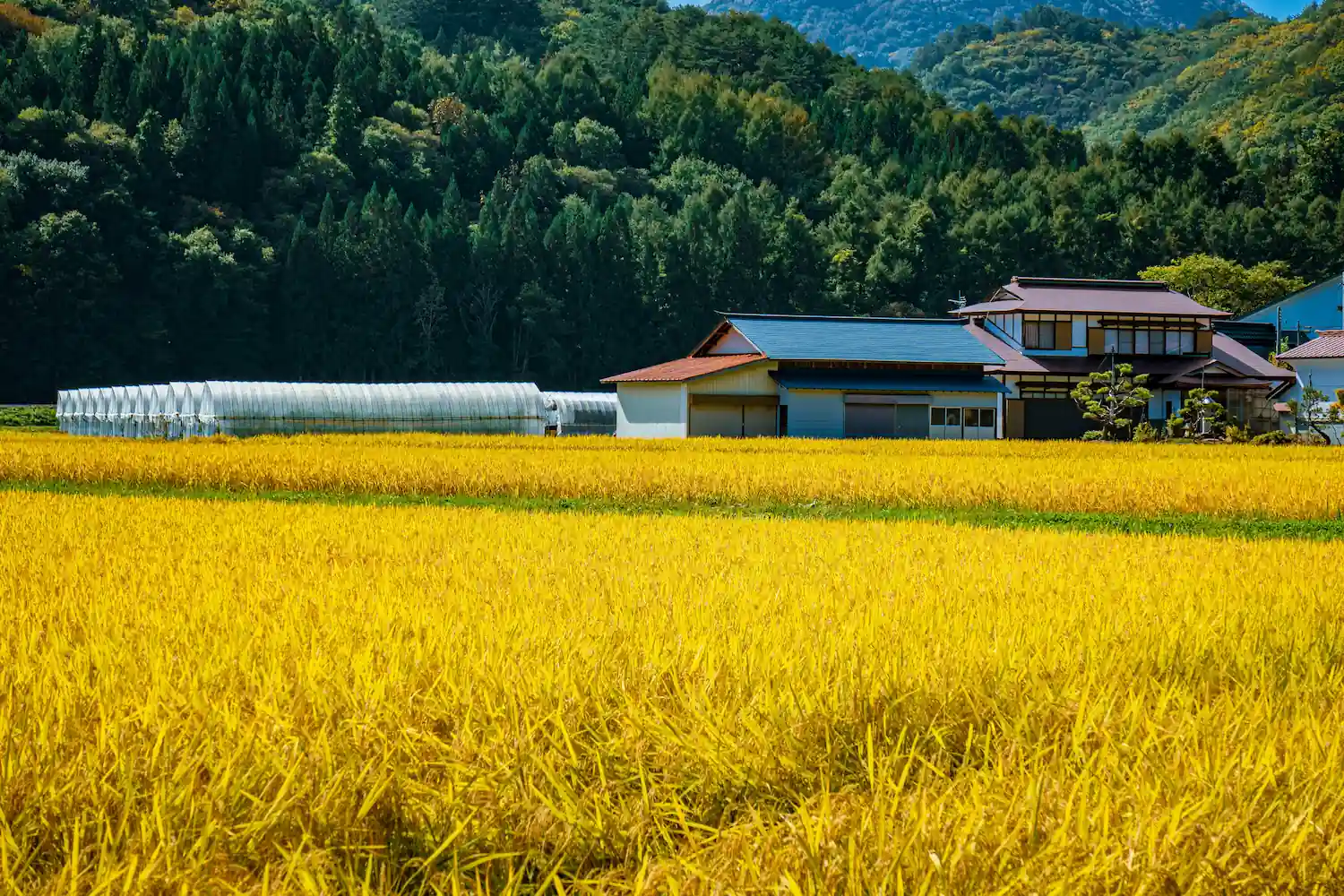
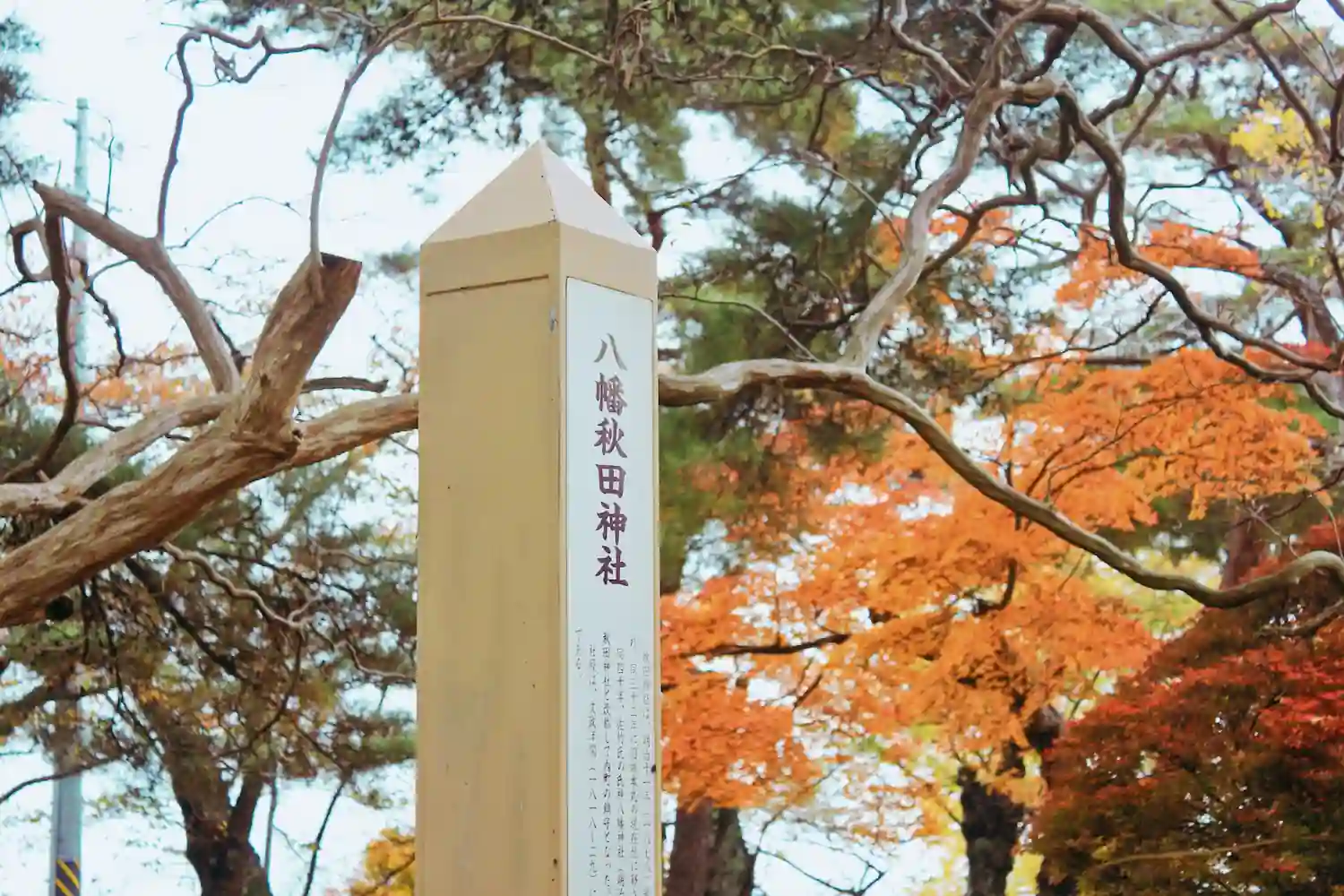
Source: Unsplash *Image is for illustrative purposes
Quality rice and water are essential for making delicious sake. Aomori is blessed with these two raw materials!
The sake brewery rice (rice exclusively for sake making) used in Aomori includes four main varieties: "Hanafubuki," "Hanaomoai," "Gin Eboshi," and "Hanasayaka."
Hanafubuki is Aomori's representative sake rice, used since 1986. Characterized by large grains that dissolve easily and rich flavor, it is mainly used for pure rice sake. This sake rice has been favored by Aomori brewers for nearly 40 years.
Hanaomoai has been used since 2002, developed as sake rice for daiginjo sake. A crossbreed of Yamadanishiki and Hanafubuki, it has the excellent property of not cracking even with over 50% polishing. The result is sake that harmonizes clean flavor with vibrant aroma.
Gin Eboshi is a new variety used since 2018. Resistant to cold and disease, it can be safely cultivated in the prefecture's southern and Shimokita regions. It features vibrant aroma and a crisp, clean flavor.
Hanasayaka, used since 2014, is characterized by amino acids that are half the normal level, producing crisp-style sake.
The Brewing Water Brought by Shirakami Mountain Springs
Clear water is essential for Aomori's sake brewing.
Starting with the Shirakami Mountains, a UNESCO World Natural Heritage site, Aomori has abundant high-quality water sources including the Hakkoda Mountain system and the Iwakiyama system. The groundwater emanating from these mountains is soft water rich in natural minerals—the ideal water for sake brewing!
Particularly, Shirakami water is pristine, brimming with abundant snowmelt water holding the forest's energy. Using this water produces sake with a soft mouthfeel and a clean taste without off-flavors.
The groundwater from the Hakkoda Mountain system and the Oirase River are also famous. Being soft water with low hardness, they achieve a soft, consistent mouthfeel year-round.
Aomori's breweries carefully use their region's water to create flavors unique to that place.
Quality Rice Nurtured by Temperature Difference
Aomori is known as a rice-producing region.
While Aomori's summer is short, it features long daylight hours and large temperature differences between day and night. This temperature difference nurtures quality rice with abundant starch and firm grains.
Sake brewery rice is larger than regular food rice and has a white part in the center called "shinpaku" (heart white). Having this heart white allows koji mold to penetrate easily, allowing high-quality koji production.
Aomori's research institutions have spent many years developing sake brewery rice suited to Aomori's climate. Efforts are also underway where local farmers and sake brewing associations work together to produce high-quality rice.
Using rice grown locally creates sake with "Aomori character!"
Aomori's Breweries and Sake History
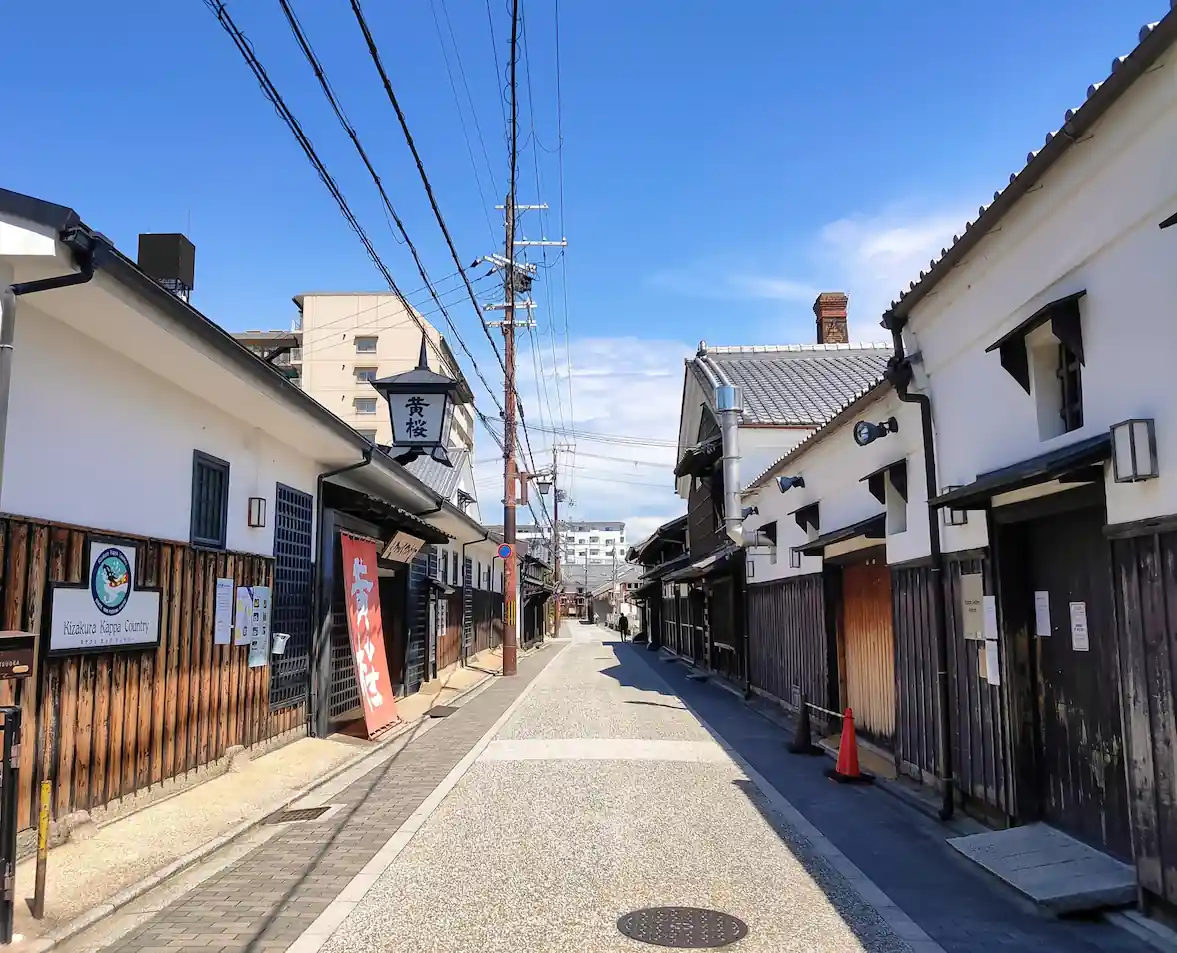
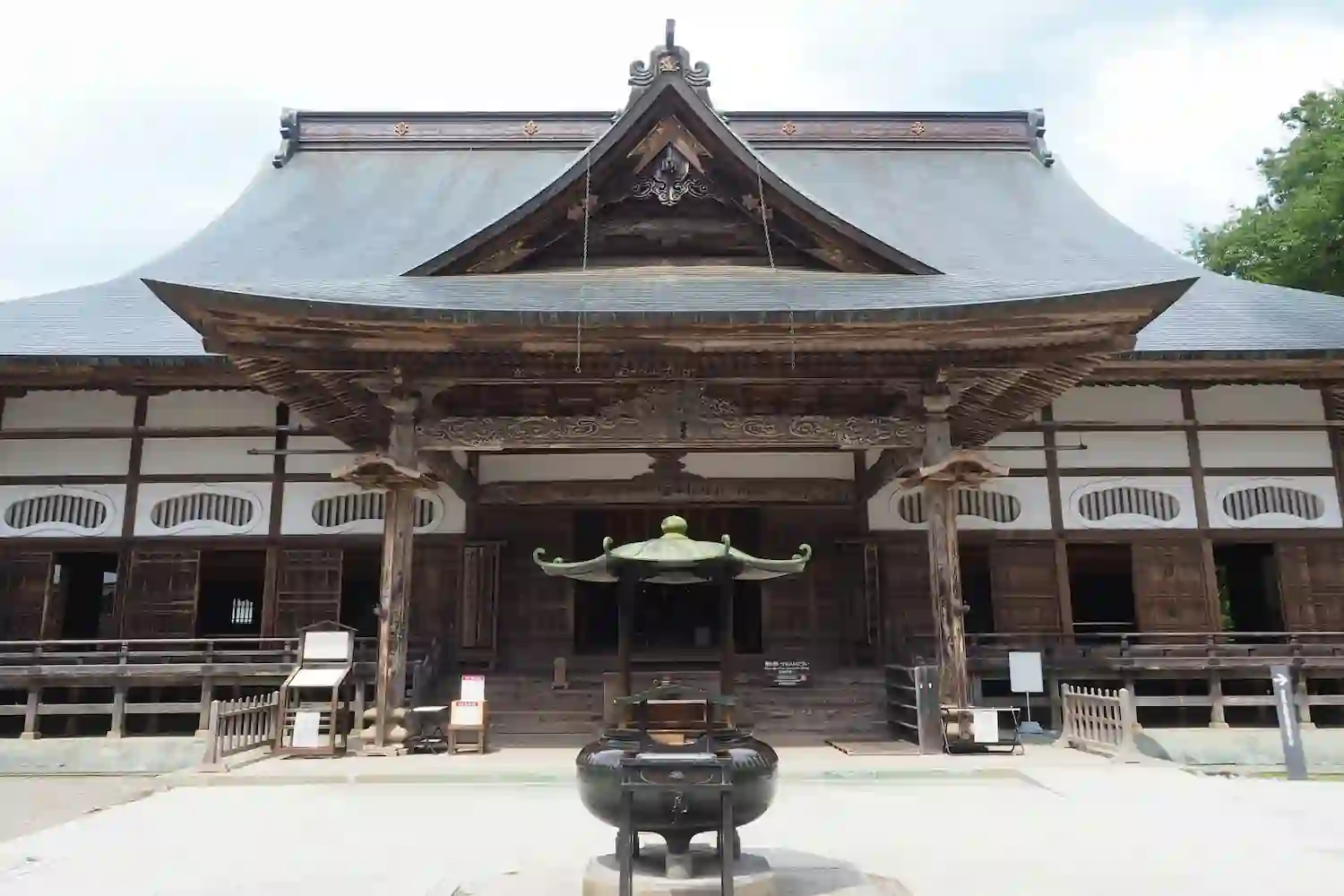
Source: Unsplash *Image is for illustrative purposes
Aomori's sake-making history is actually very old.
Aomori's oldest brewery is "Takenami Shuzo," founded in Joho 2nd year (1645) during the Edo period, boasting over 370 years of history. Traditional methods and techniques passed down from the Tsugaru Domain era create a taste unique to the northern region.
Currently, there are 17 sake breweries in Aomori Prefecture. Many of them preserve old-fashioned traditional methods for brewing.
A characteristic of Aomori's sake is that it is made with care and patience. A Tsugaru dialect phrase "joppari" (stubborn or willful) expresses the local temperament, and you can truly feel that character in Aomori's sake!
Nishida Shuzo, established in the Meiji period, launched the pure rice sake-only brand "Den-Shu" in 1974. Created with the concept of "sake that delivers the very taste of rice paddies," Den-Shu was selected as Japan's number one in a magazine contest in 1981 and became nationally famous.
Hachinohe Shuzo is an established brewery founded in 1775, known for the brand "Mutsu Hassen." In 2021, it won first place in the World Sake Brewery Ranking and is highly evaluated internationally!
Miura Shuzo carefully brews sake using groundwater from the Iwaki and Akakura mountain systems. Miura Shuzo is the only one using "Hohaikutsu rice," Aomori's sake brewery rice variety.
Some Aomori breweries offer brewery tours. By visiting the brewing site and tasting, you can enjoy Aomori's sake more deeply!
Summary
Aomori's sake has the appeal of a light, dry flavor nurtured by a cold-region environment. Be sure to try the distinctive sake born from Shirakami groundwater and Aomori's sake brewery rice!
*This article uses AI for information organization, writing assistance, and proofreading. The structure and final review are conducted by the Kraport editorial team.