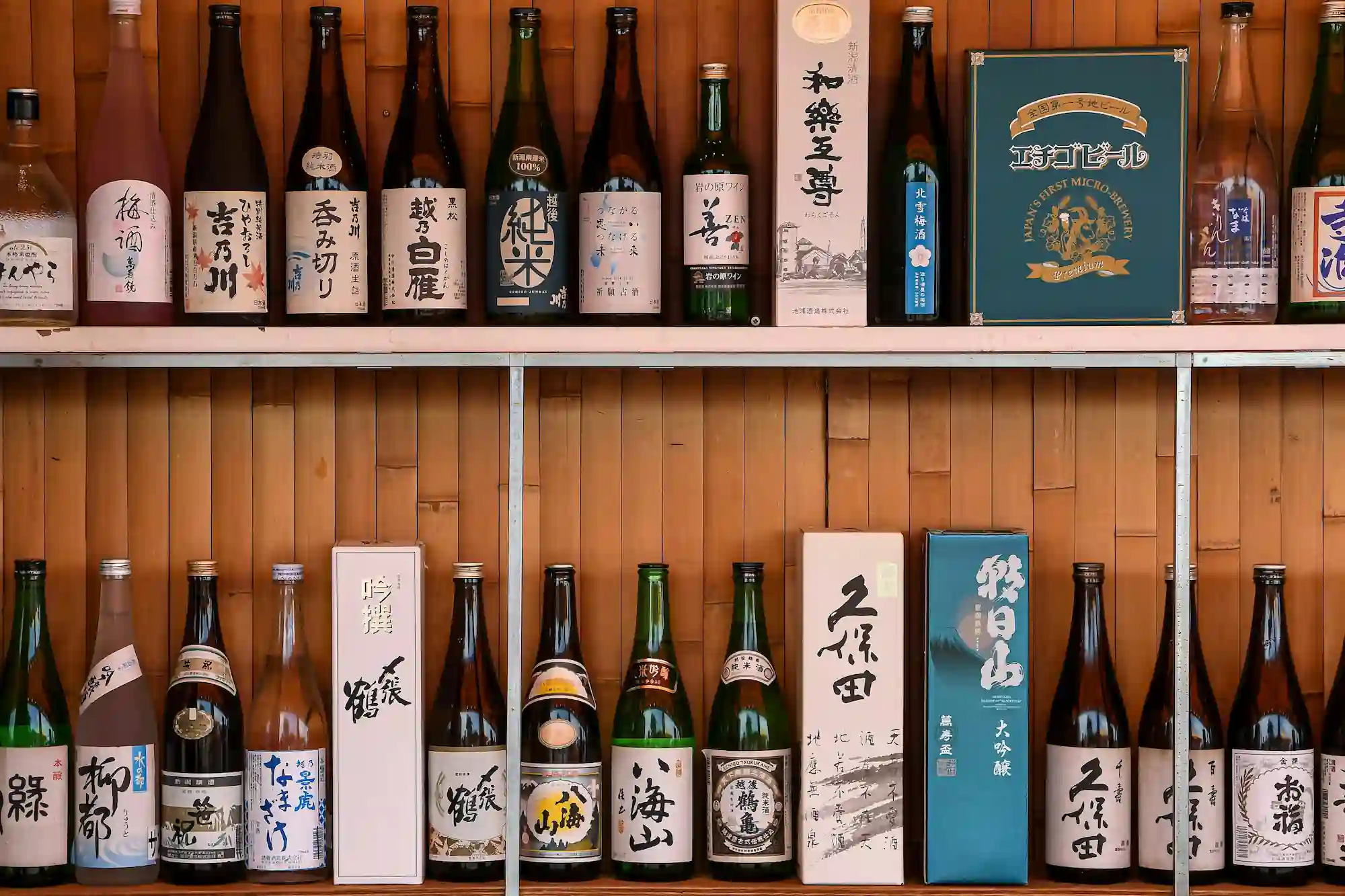
Japanese Sake 101: A Beginner's Complete Guide to Types & Flavors
Sake has so many varieties it can feel overwhelming… This guide breaks it all down for you! We clearly explain the different types and how they taste.
Mar 29, 2026

What Types of Sake Are There?
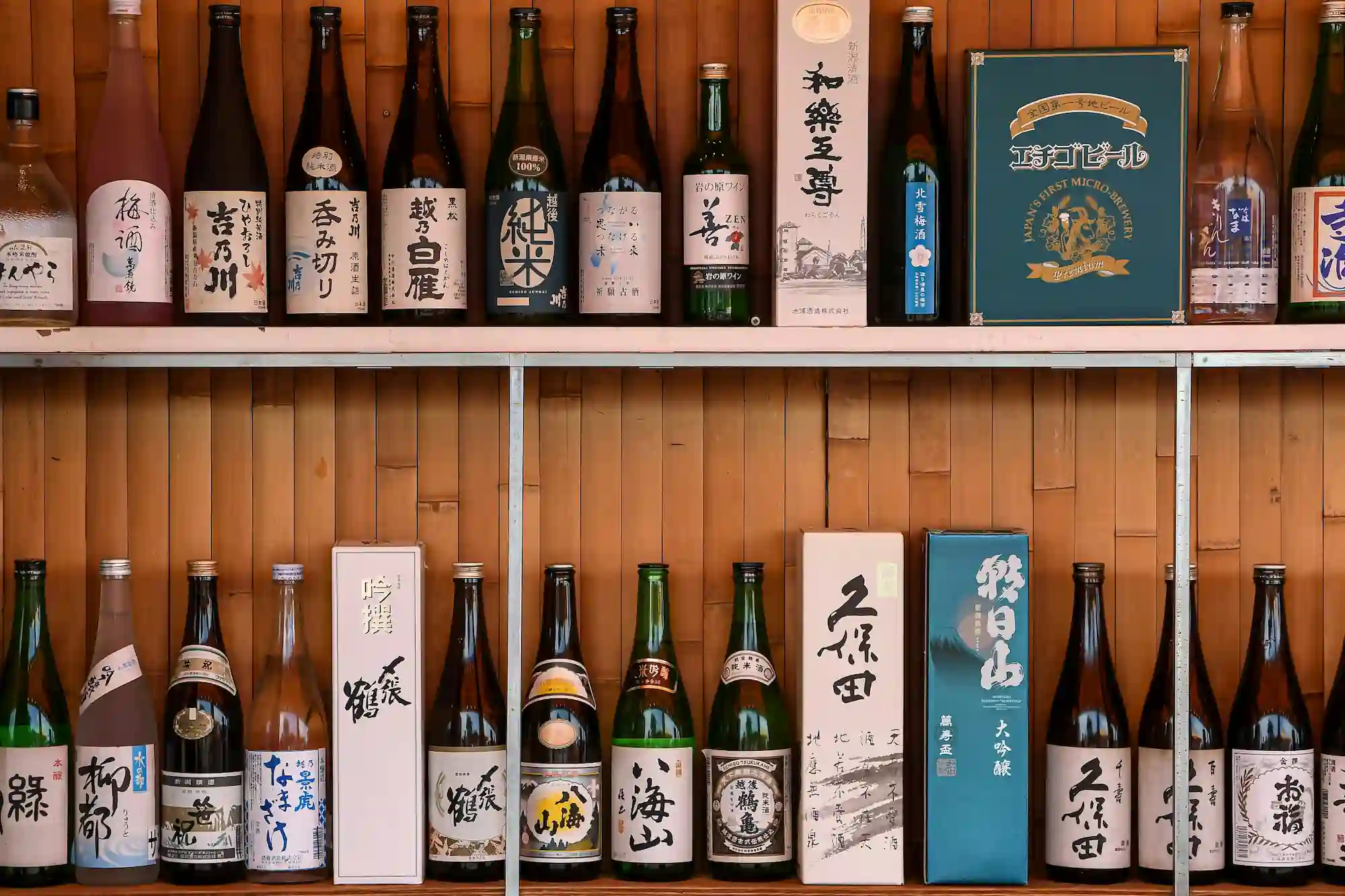
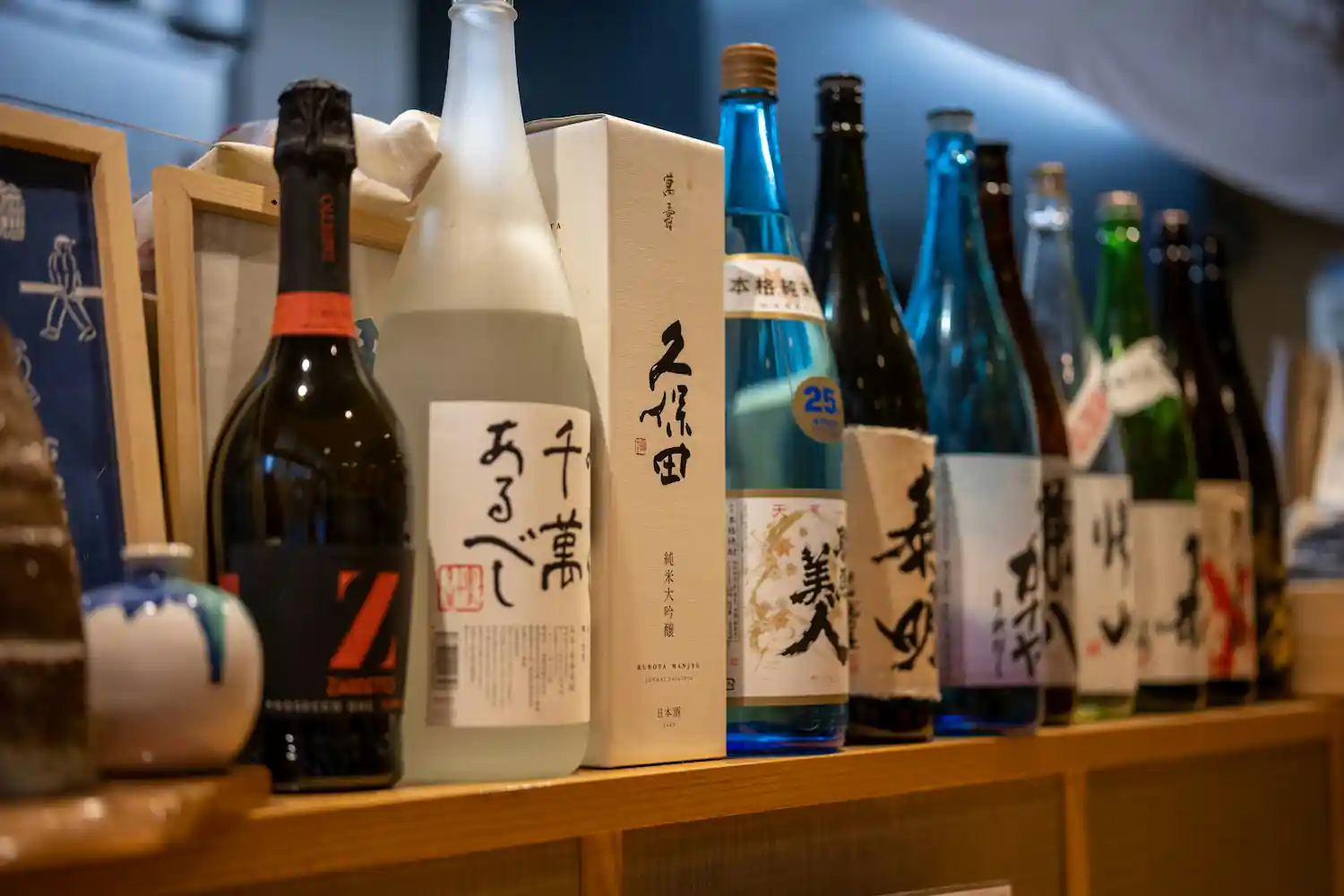
Source: Unsplash *Image is for illustrative purposes
When you try to pick out a sake at a store, you're greeted with a wall of terms like "junmai-shu," "ginjo-shu," and "honjozo-shu" — it's easy to feel lost! The truth is, sake has a clear classification system established by the government.
The most important category in sake classification is called "tokutei meisho-shu," or specially designated sake. These are high-quality sakes that meet the standards set by the National Tax Agency's "Quality Labeling Standards for Seishu (Refined Sake)." Specially designated sakes are divided into 8 types based on ingredients and production methods, each with its own distinctive flavor profile!
The Difference Between Junmai-style and Honjozo-style
The key distinction when broadly categorizing sake is whether distilled alcohol (jozo alcohol) has been added. Junmai-shu is made solely from rice, rice koji, and water. Honjozo-shu and ginjo-shu, on the other hand, include added distilled alcohol.
You might think, "Added alcohol? That doesn't sound very pure!" — but that's not the case. Distilled alcohol is added to suppress flavor deterioration and give the sake a cleaner finish. In other words, it's a technique used to bring out the individuality of each sake.
The junmai family includes four types: junmai-shu, junmai ginjo-shu, junmai daiginjo-shu, and tokubetsu junmai-shu. They're characterized by a rich, full-bodied flavor that lets you really taste the umami of the rice.
The honjozo family includes honjozo-shu and tokubetsu honjozo-shu (2 types), and the ginjo family includes ginjo-shu and daiginjo-shu (2 types), for a total of 8 specially designated sakes. The added distilled alcohol gives these sakes a crisp, clean taste!
What Is Seimaibuai (Rice Polishing Ratio)?
"Seimaibuai" is a key factor in determining the type of sake. It refers to the percentage of white rice remaining after the outer layers of the brown rice have been polished away. For example, a seimaibuai of 60% means 40% of the outer grain has been removed, leaving only the inner 60%.
Why go to all the trouble of polishing the rice? Because the outer layers of rice are rich in proteins and fats, and too much of these can negatively impact the aroma and flavor. By carefully polishing the rice, you get a clean sake with no off-flavors!
Daiginjo-shu requires a seimaibuai of 50% or less, and ginjo-shu 60% or less. The smaller the number, the more the rice has been polished — meaning it's a more luxurious sake. Junmai-shu has no set seimaibuai requirement, which allows each brewery to express its own unique character.
Incidentally, the rice we eat every day has a seimaibuai of around 92%. The rice used in sake brewing is polished far more meticulously than that!
Understanding the Difference Between Sweet and Dry Sake!
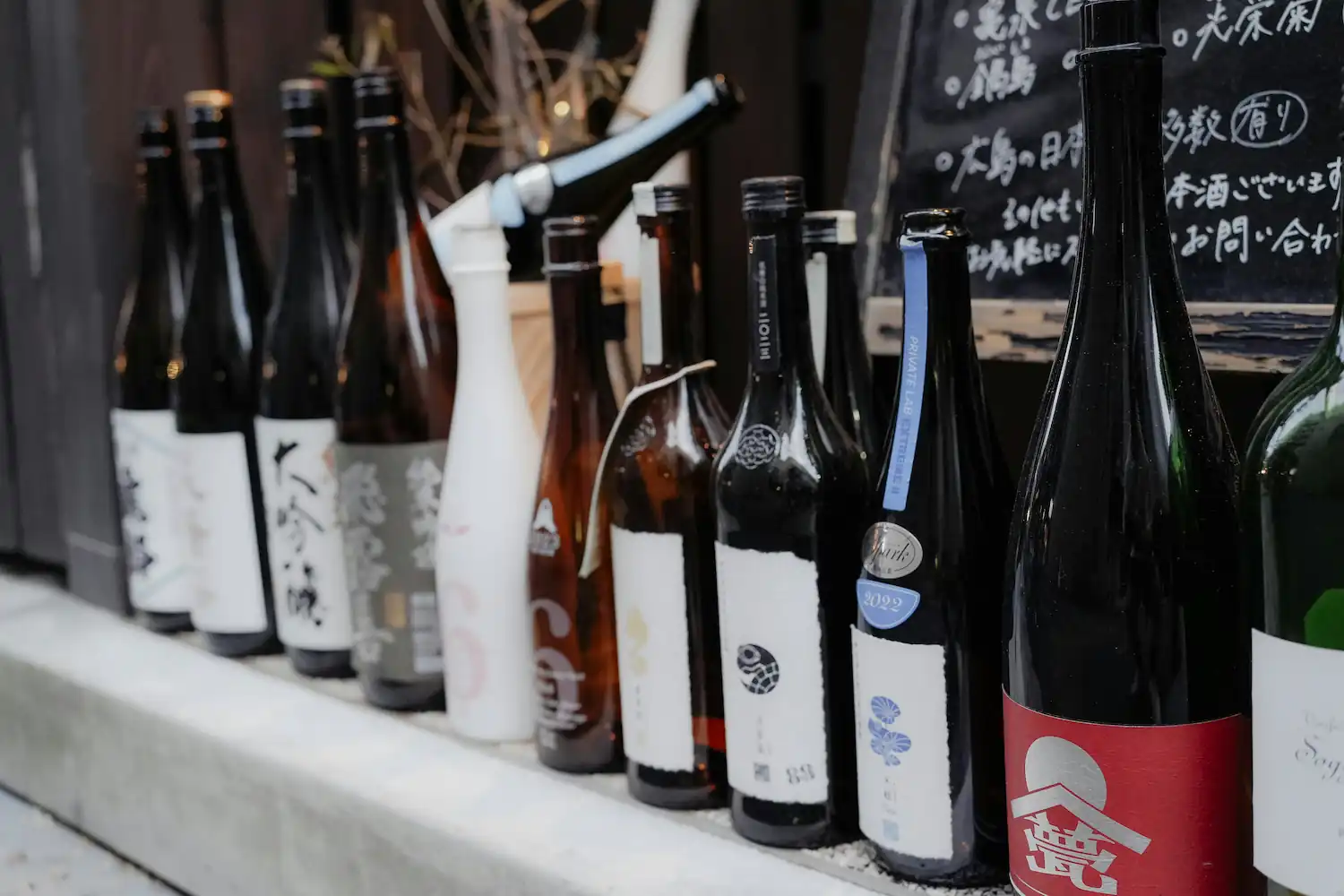
Source: Unsplash *Image is for illustrative purposes
When choosing sake, you'll often see the terms "amakuchi" (sweet) and "karakuchi" (dry). But how exactly are these determined? The answer lies in a value called the "nihonshu-do" (sake meter value)!
The Sake Meter Value Tells You Sweet vs. Dry!
The nihonshu-do is a numerical representation of sake's specific gravity relative to water. This value changes depending on the amount of sugar in the sake.
Reading the nihonshu-do is very simple! The larger the positive (+) value, the drier the sake; the larger the negative (−) value, the sweeter. Generally, −3.5 to −5.9 is classified as "sweet," and +3.5 to +5.9 as "dry."
However, the nihonshu-do alone doesn't determine the flavor. Alcohol content, aromatic compounds, acidity, and amino acid levels all contribute to the taste of sake. Think of it as just one of many reference points!
Aroma and Flavor Characteristics
Sweet sake is characterized by a mellow, gentle mouthfeel. A fruity aroma wafts up gently, and the finish lingers pleasantly. Even people who think "sake might not be for me" often find sweet varieties easy to drink!
Dry sake, on the other hand, has a crisp, clean taste. It pairs well with food without overpowering the flavors. The "dryness" of sake doesn't refer to spiciness; it's a clean, dry sensation.
Aromas also vary greatly depending on the type of sake. Ginjo-shu and daiginjo-shu are known for their fruity "ginjo aroma," reminiscent of bananas or apples. Junmai-shu offers a robust, full-bodied experience that puts the natural aroma and umami of the rice front and center.
Acidity also has a significant impact on flavor. Higher acidity tends to make sake taste drier, while lower acidity lends a sweeter impression. A positive nihonshu-do with high acidity creates a "tanrei karakuchi" (light and dry) profile; a negative nihonshu-do with high acidity creates a "noujun amakuchi" (rich and sweet) one.
Temperature also changes the taste of sake. Chilled sake has a tighter aroma and a crisper impression; warmed sake opens up the aroma and develops a rounder, more expansive flavor. The same sake can show a completely different face depending on the temperature!
How to Choose Sake for Beginners
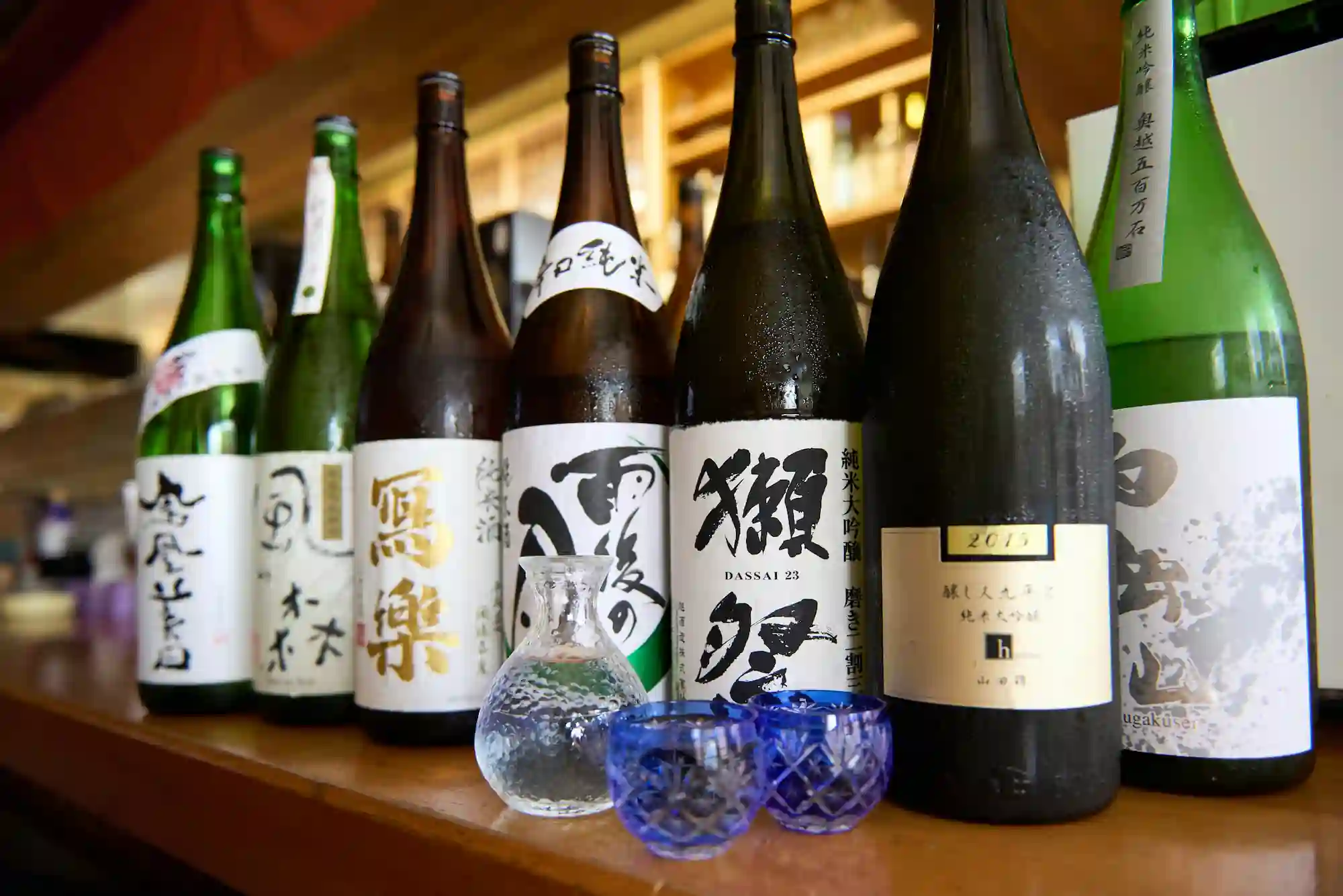
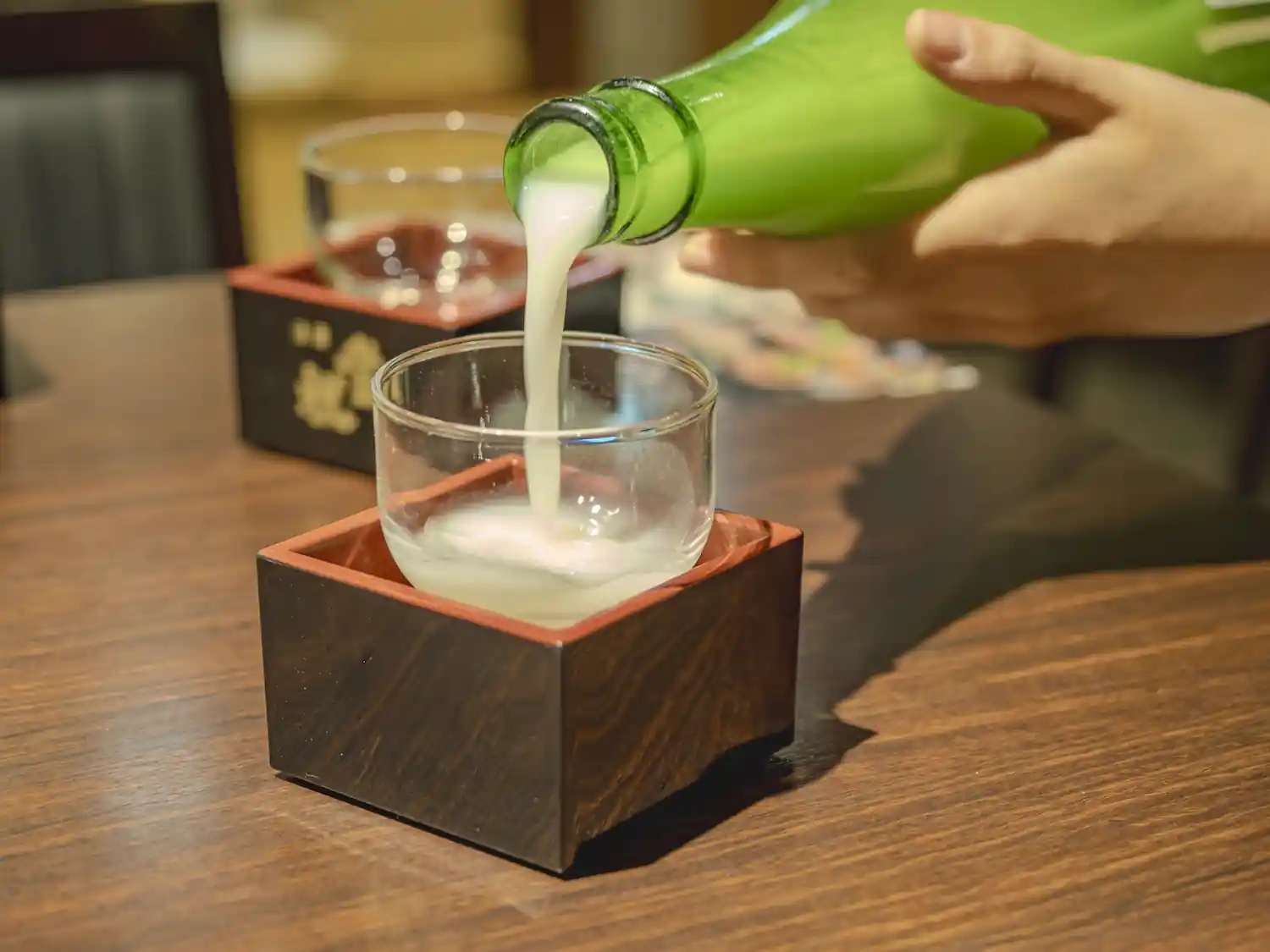
Source: Unsplash *Image is for illustrative purposes
"I want to try sake, but I don't know what to choose..." Here are some tips for choosing sake if you're new to it!
First, we recommend starting with something sweet. Sweet sake has a mellow mouthfeel and the sharpness of alcohol is softened. With its fruity aroma, even those accustomed to wine or cocktails should find it approachable!
Next, try a junmai ginjo-shu. With its gorgeous ginjo aroma and well-balanced flavor, it's a type that feels distinctly sake-like while still being easy to drink. Crafted with a seimaibuai of 60% or less, it has few off-flavors and a clean finish!
Check the Label!
A sake label is packed with information. First, look for the specially designated name: it'll tell you whether it's classified as junmai-shu, ginjo-shu, honjozo-shu, etc.
Next, check the nihonshu-do and acidity. A negative nihonshu-do leans sweet, while a positive one leans dry. Reading both together gives you a more accurate picture of the flavor profile.
Seimaibuai is also important. The smaller the number, the more the rice has been polished. A seimaibuai of 50% or less signals a daiginjo-class sake with a gorgeous aroma!
Checking the ingredient rice tells you what kind of rice was used. If you spot the name of a well-known sake rice variety like Yamada Nishiki or Gohyakumangoku, that's a mark of high quality. Definitely give it a try!
Enjoying Sake at Different Temperatures
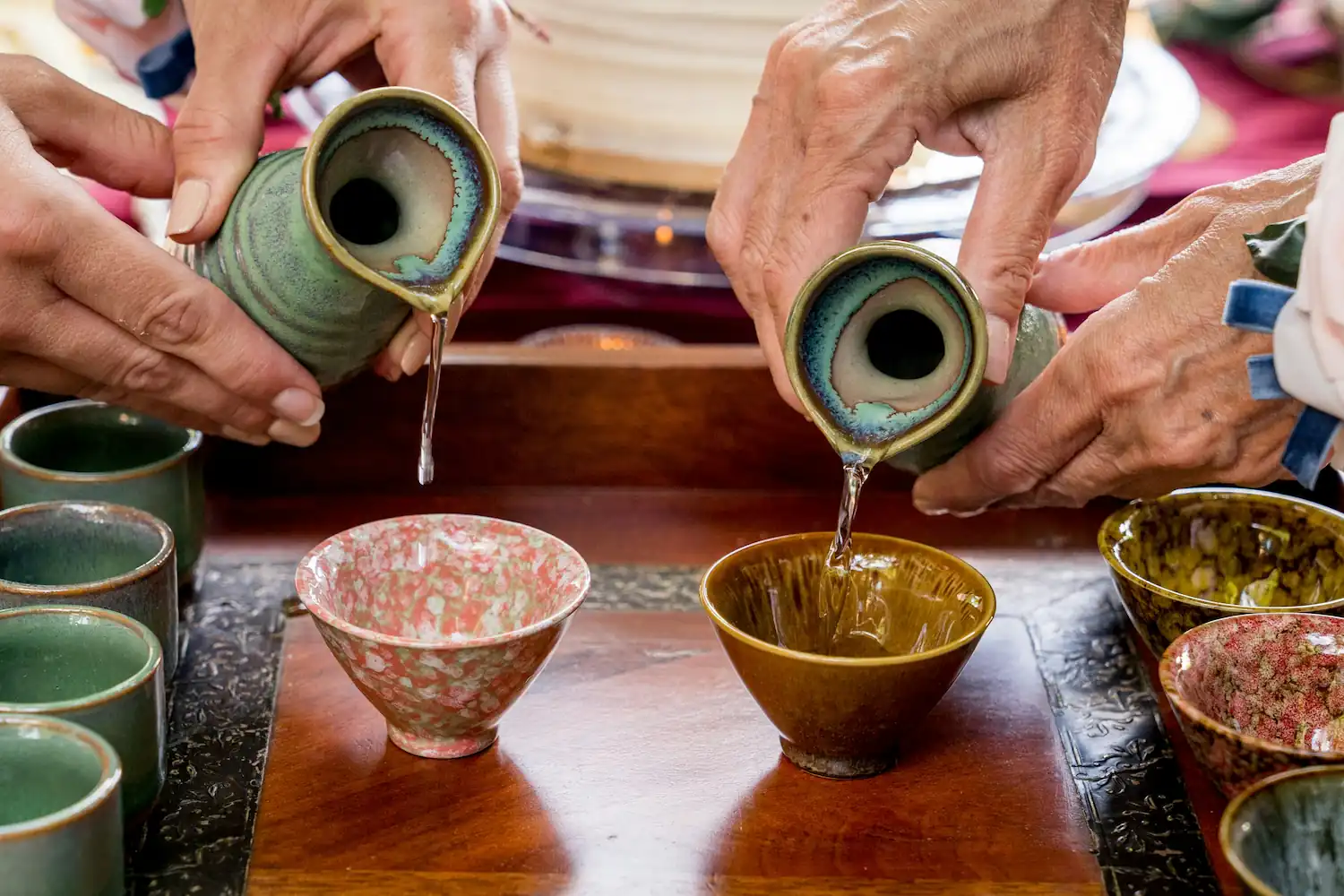
Sake is a remarkable drink whose flavor transforms dramatically with temperature. There are broadly three temperature ranges to enjoy: reishu (chilled), jodon (room temperature), and kanzake (warmed).
Reishu (5–10°C) tightens the aroma for a crisp, clean taste. It's ideal for ginjo-shu and daiginjo-shu where you want to highlight the gorgeous aroma. Perfect as an aperitif or on a hot summer day!
Jodon (15–20°C) is the temperature range where you can enjoy the sake's natural flavors in perfect balance — ideal for drinking any time of year.
Kanzake (40–50°C) allows the umami of the rice to bloom and expand, warming both body and soul. It suits fuller-flavored sakes like junmai-shu or honjozo-shu. Perfect for cold evenings or alongside hot pot!
Start by trying the same sake at different temperatures to discover your own preference. The same bottle can show a completely different face — that's one of sake's greatest pleasures!
If you want to learn even more about sake, we highly recommend visiting a sake brewery! Seeing the brewer's passion and craftsmanship up close will deepen your appreciation for sake immensely.
Summary
Knowing the basics of sake makes it so much more enjoyable! Start by trying a sweet variety, or experience the brewer's passion firsthand at a sake brewery tour. Find your own personal favorite!
*This article uses AI for information organization, writing assistance, and proofreading. The structure and final review are conducted by the Kraport editorial team.
![[2026 Edition] Japan's Rarest Sake Ranking: 7 Phantom Brands & How to Get Them](/_next/image?url=https%3A%2F%2Fimages.microcms-assets.io%2Fassets%2F826a3c02e7914778a550c585c5136129%2Fea5556c1f22944d2baf1131914249f8d%2Fsake-sosogu.webp&w=1200&q=60)