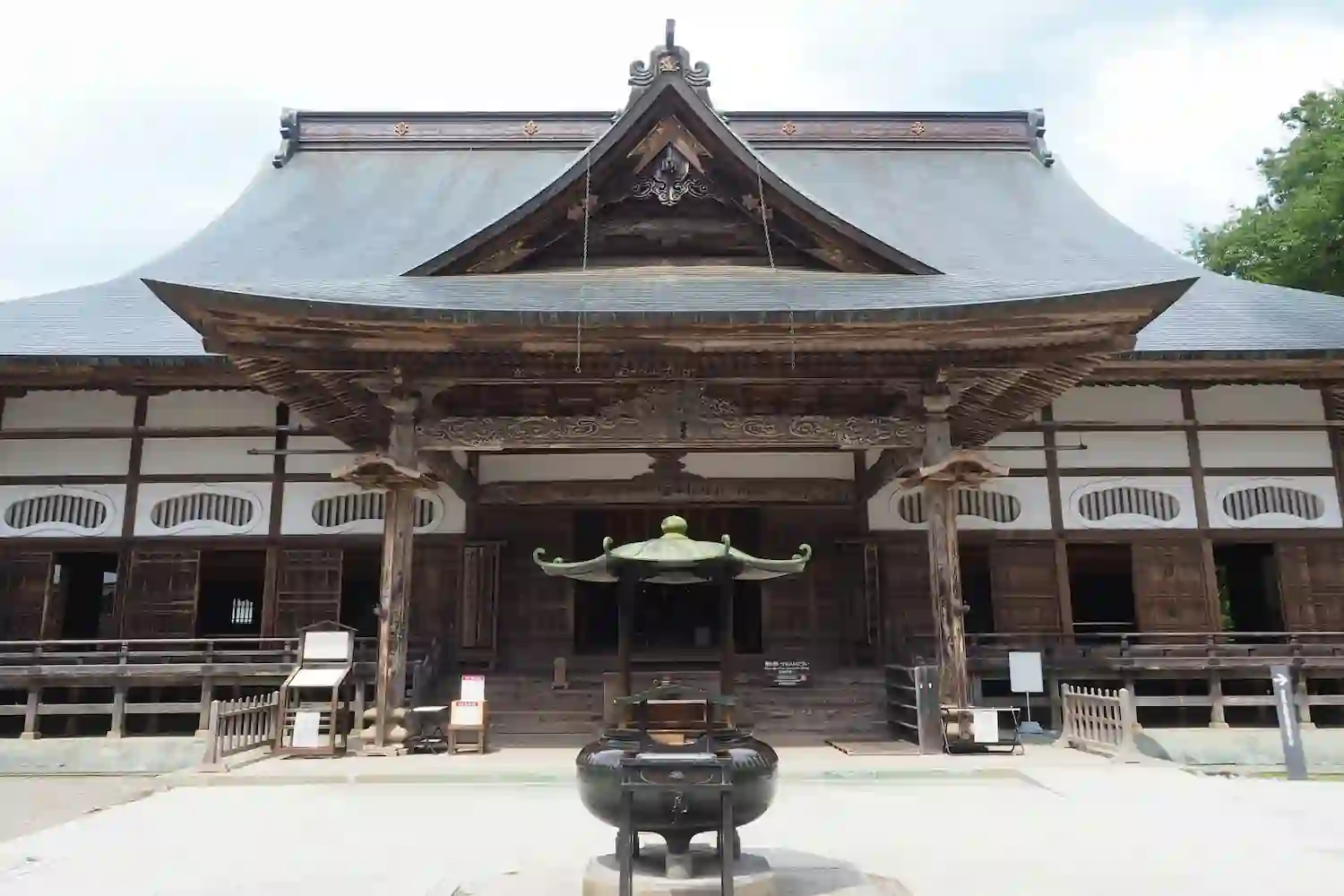
Iwate Sake: Light, Dry & Masterfully Crafted by Nanbu Toji Brewers
Iwate Prefecture's Japanese sake is characterized by a crisp, light and dry flavor. It is created by the high technical skill of the renowned Nanbu toji (master brewers), pure water flowing from the Kitakami Mountains, and quality sake rice. This article explains the characteristics and appeal of Iwate's Japanese sake in an easy-to-understand way for beginners.
Mar 29, 2026

What Does Iwate Prefecture's Japanese Sake Taste Like? Three Characteristics
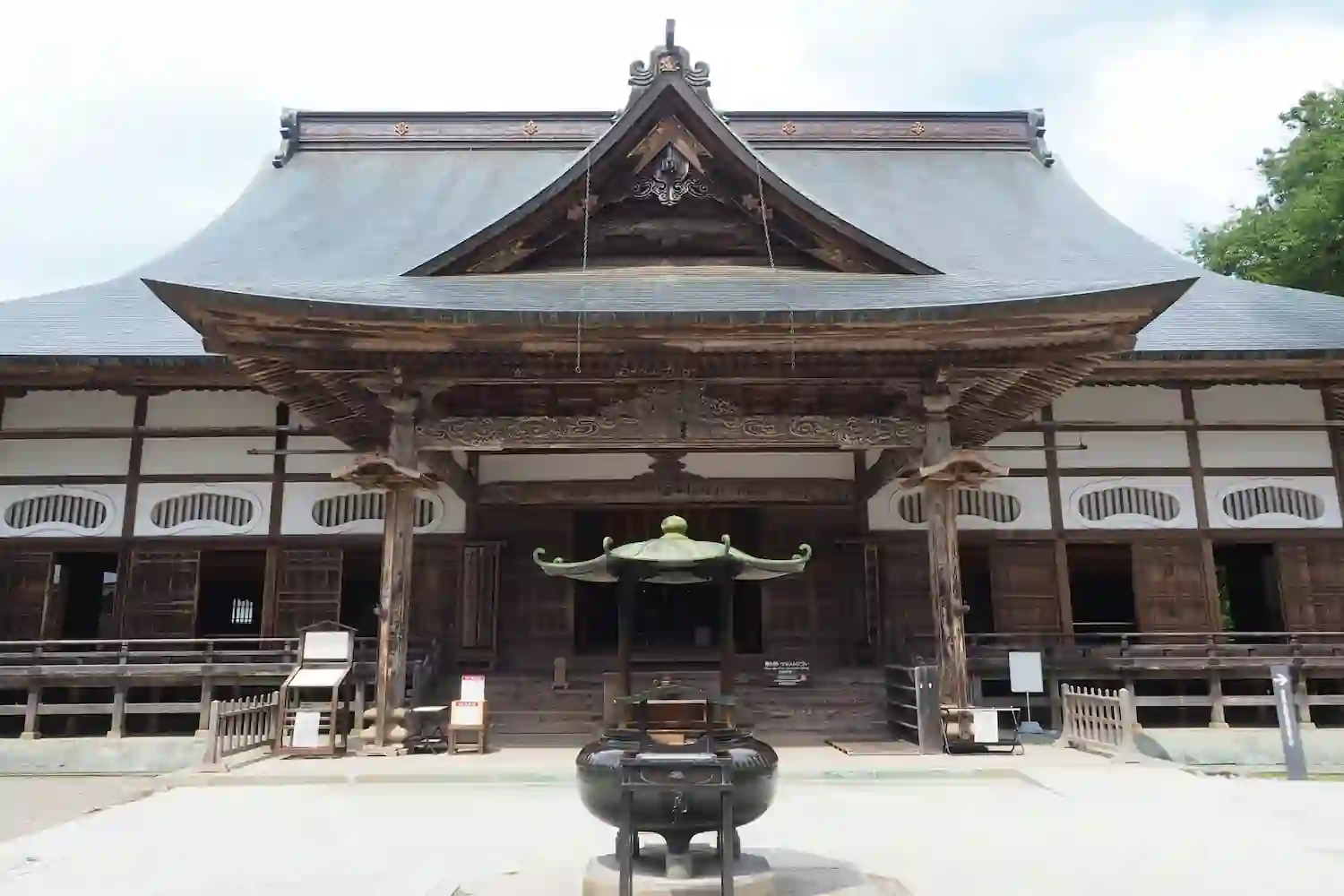
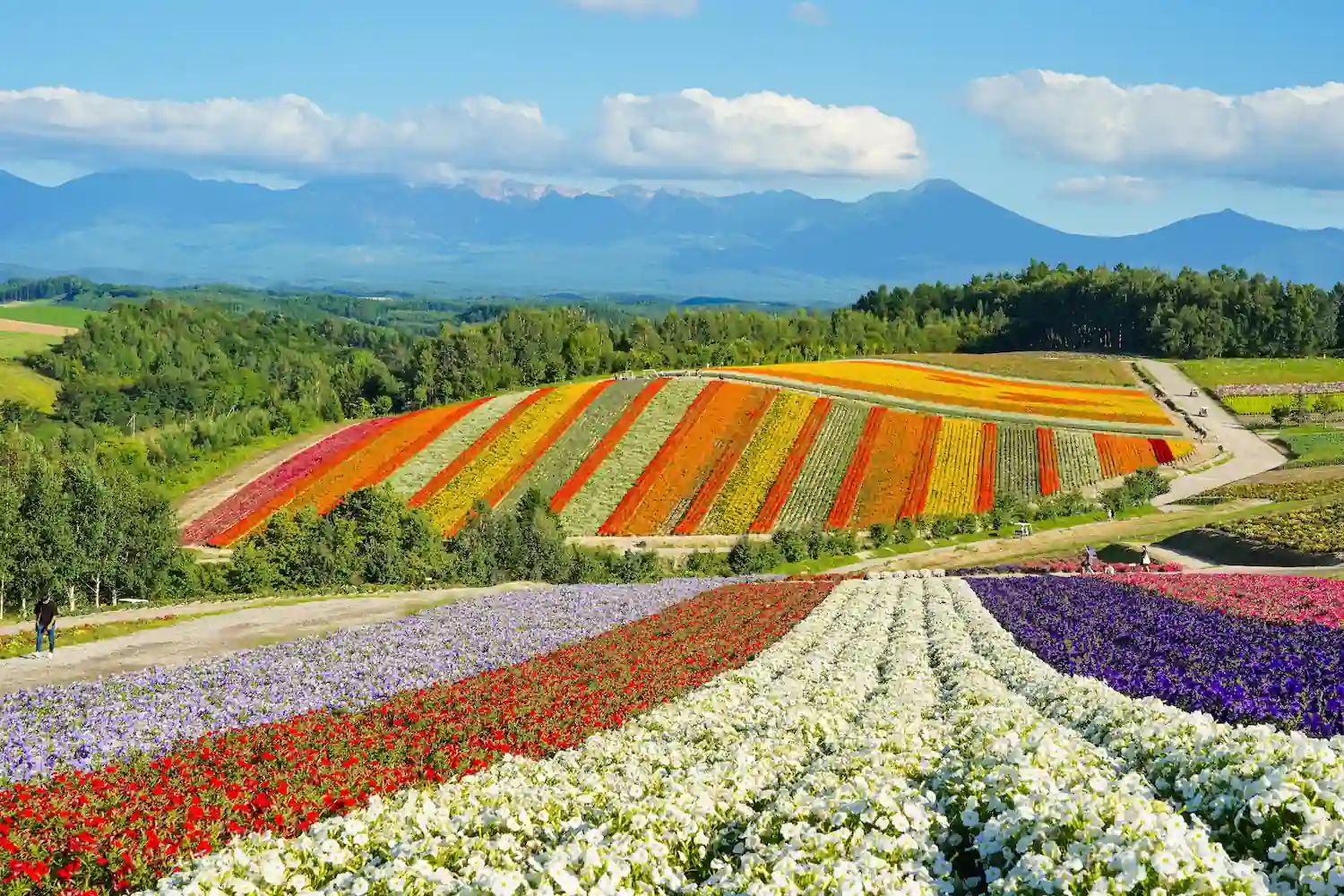
Source: Unsplash *Image is for illustrative purposes
Iwate Prefecture's Japanese sake has three major characteristics.
First is the crisp, clean taste called "light (tanrei)." Light refers to a flavor with minimal off-flavors and clear transparency. Iwate's sake has a lightness that flows smoothly down the palate!
Second is that most are "dry (karakuchi)." However, dry does not mean spicy like chili peppers. It means low sweetness with a sharp, crisp finish.
Third is the transparency created by the pure water from the Kitakami Mountains. Iwate Prefecture is a naturally rich land surrounded by the Ou Mountains and Kitakami Highlands. Snow and rain falling on the mountains slowly permeate the ground over time, filtering naturally to emerge as mineral-rich spring water. This water supports the beautiful taste of Iwate's sake.
Crisp and Easy-Drinking "Light" Flavors
Light sake doesn't interfere with meals. Iwate Prefecture is a treasure trove of ingredients including rice, seafood, and mountain vegetables. This region with such a rich food culture developed light sake that enhances dishes.
Representative brands like "Nanbu Bijin" and "Asabiraki" are all characterized by a gentle, easy-to-drink mouthfeel. Even those unfamiliar with sake will be surprised by how smoothly it goes down!
Light sake tastes delicious whether served chilled, at room temperature, or warmed. The way it reveals different characteristics depending on temperature is also one of its charms.
Why Most Iwate Sake is Crisp and Dry
There is a reason why most Iwate sake is dry. It is the traditional brewing technology of the Nanbu toji.
The Nanbu toji have traditionally prioritized removing off-flavors and bringing out the rice's natural umami. As a result, many dry sakes with restrained sweetness and a crisp finish are produced.
That said, recently fruity and slightly sweet sakes like "AKABU" have become popular. Iwate's sake preserves tradition while challenging new flavors.
The Transparency Born from the Pure Water of Kitakami Mountains
Good quality water is essential for Iwate sake brewing.
Snow and rain falling on the Ou Mountains and Kitakami Highlands permeate through the ground over many years, naturally filtered. The water born this way contains appropriate minerals and is ideal for sake brewing!
For example, "Asabiraki" in Morioka City uses Daiji Pure Water, selected as one of Japan's 100 Fine Waters of the Heisei Era. Additionally, "Ryusen Yaeyakura" in Iwaizumi Town is brewed with water from the underground lake of Ryusenso Cave, selected as one of Japan's 100 Famous Springs.
This pure water creates Iwate's transparent and clean-tasting sake.
Iwate's Original Sake Rice Varieties
When discussing Iwate's sake, we cannot forget the sake rice.
In the past, Iwate had no original sake brewery rice and used rice from other prefectures. However, in response to strong requests from manufacturers and toji, development of Iwate's original sake rice began!
"Gin Ginga" was born in 1999. Gin Ginga is sake rice for ginjo and pure rice ginjo sakes, characterized by clean, crisp flavors. It is used in many breweries as the representative sake rice of Iwate's regional sake.
Further, "Gin Otome" for pure rice sake and honjozo sakes also emerged. Gin Otome is soft rice with solid umami. It is also used in famous brands like "Nanbu Bijin" and "Asabiraki."
Beginning in 2012, full-scale cultivation of "Yui no Kaori," the highest-grade sake rice developed exclusively for daiginjo, commenced! Yui no Kaori was developed over 10 years to rival the quality of Yamadanishiki, called the king of sake rice, and represents Iwate's finest sake rice.
The name "Yui no Kaori" carries the meaning that it was born from the connections of many people including the Agricultural Research Institute, farmers, and breweries. Japanese sake made with Yui no Kaori offers elegant, refined aromas and umami with great depth!
What is a Nanbu Toji? Iwate's Master Sake Brewers
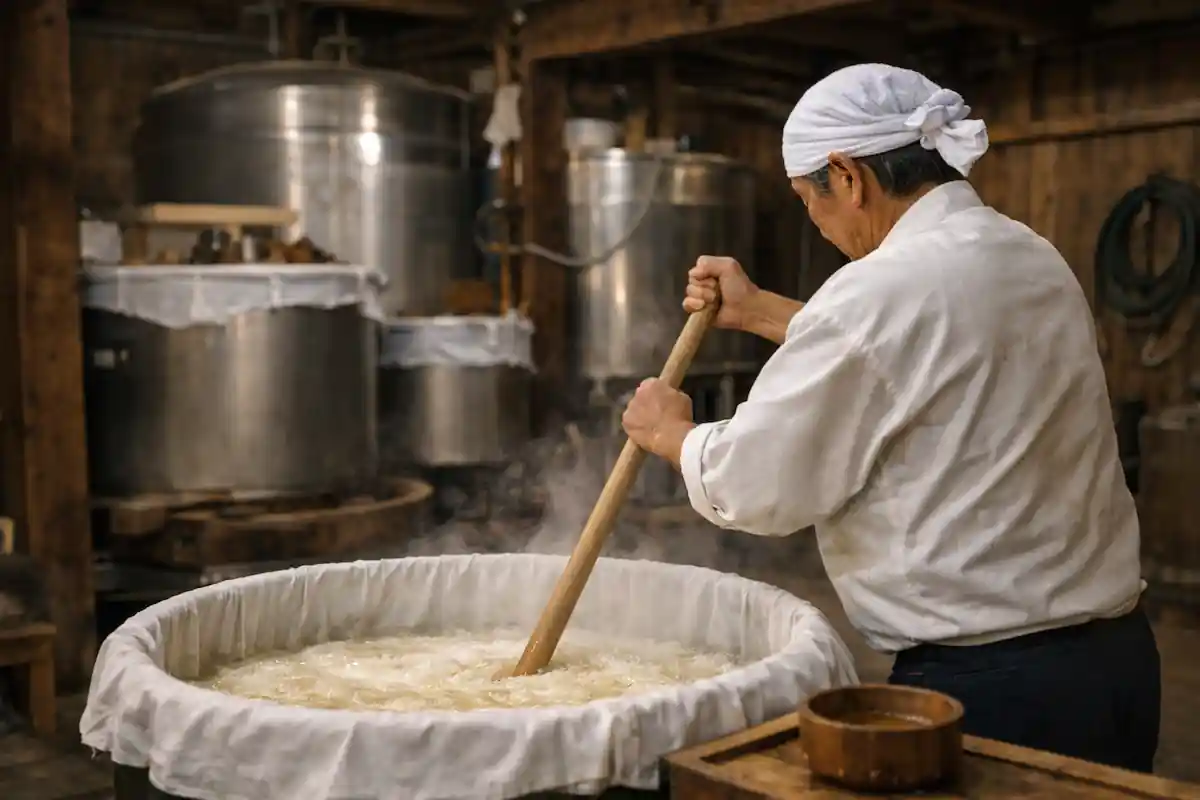
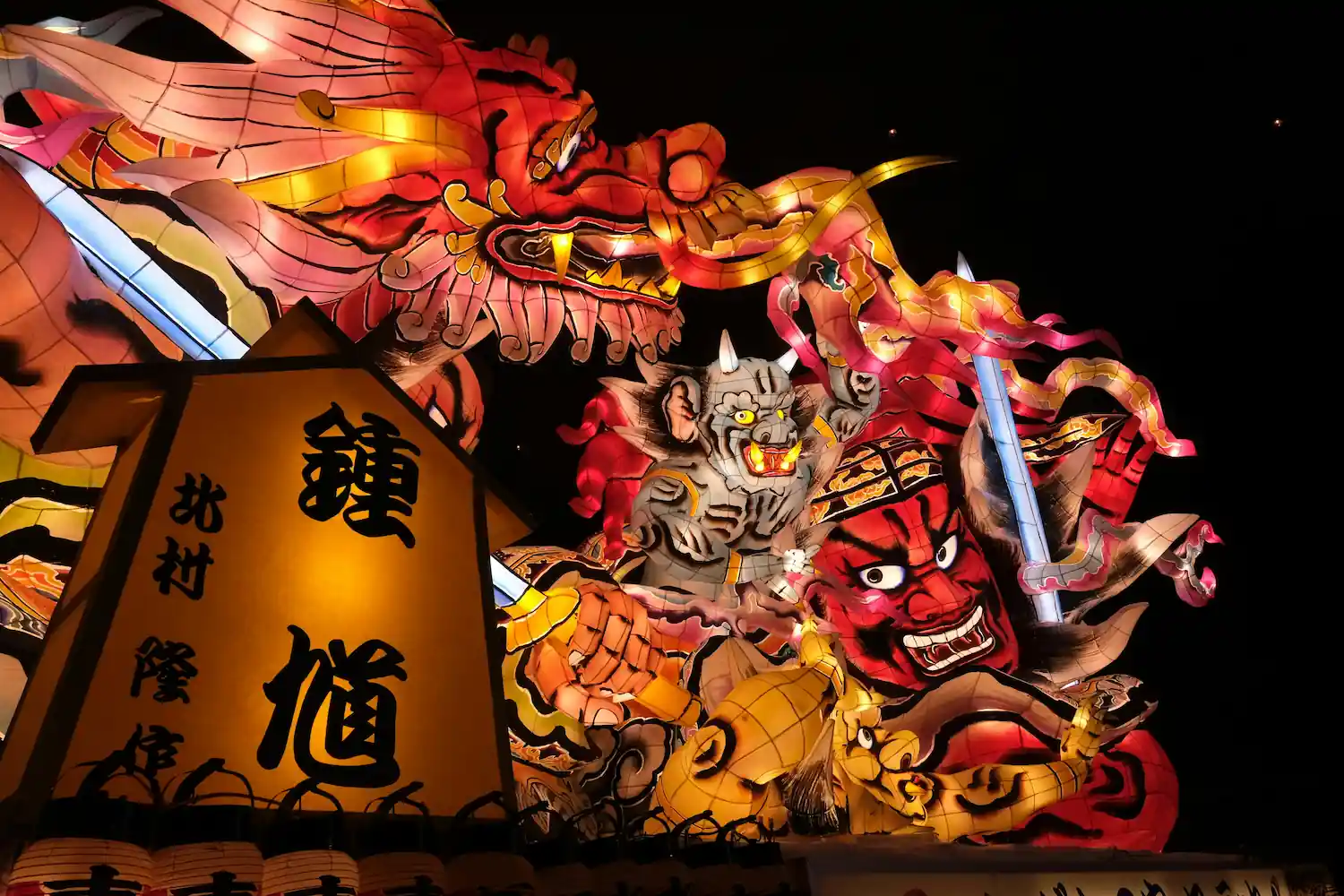
Source: Unsplash *Image is for illustrative purposes
When discussing Iwate Prefecture's sake, the "Nanbu toji" is absolutely essential!
However, many may wonder, "What is a toji?" or "What's so special about Nanbu toji?" Here, we explain Nanbu toji in an easy-to-understand way for beginners.
What is a Toji? The Leader of Sake Brewing
First, let me explain what a "toji" is.
A toji is the leader of a technical group that brews sake. The craftspeople who work in a brewery are called "kurabito" (brewery workers), but the toji oversees these workers and directs all processes of sake brewing as the chief responsible party.
High technical skill is required, of course, but a supervisory role like a team coach is also necessary. The toji is truly the core of sake brewing!
Toji have traditionally worked as "seasonal workers," brewing sake only during winter. They would normally engage in farming, and after the rice harvest, they would gather at breweries during winter to make sake. That was their way of working.
History and National Achievements of Nanbu Toji
The Nanbu toji are a group of master brewers based in Isitoriya Town, Hanamaki City in Iwate Prefecture. They are counted among Japan's three greatest toji groups, with scale among the largest in Japan! At their peak in 1965, an astounding 3,200 people were affiliated.
The history of Nanbu toji dates back to around 1600 in the early Edo period. At that time, the large-scale fermentation barrel manufacturing method developed in Osaka was introduced to the Nanbu Domain (now central Iwate and eastern Aomori), and serious sake brewing began.
The Nanbu Domain sent professional toji who had learned cutting-edge brewing techniques in Kyoto and Osaka to teach farmers. As a result, the quality of Nanbu sake made dramatic improvements!
This is how toji with reliable technology began traveling across the nation during the farm off-season to work at breweries nationwide. Even today, most toji active at Miyagi breweries are Nanbu toji.
Nanbu toji technology is continually refined through lectures held several times yearly. They are so dedicated to improving technique that it is said "no group studies as much as the Nanbu toji."
The Influence of Nanbu Toji on Japanese Sake
The characteristic feature of Nanbu toji technique is creating "clean-tasting sake with no off-flavors."
Adapted to Iwate's cold climate through ingenuity and refinement, the polished Nanbu toji technique creates Iwate sake that is often "light yet umami-rich."
Additionally, Nanbu toji sake brewing pays attention to every detail. For example, the "hineri mochi" method for checking rice steaming. Steamed rice is taken in hand and twisted in the palm while hot to make a rice cake, judging the steaming completion by the cake's texture.
By combining these traditional techniques with scientific data, high-quality sake can be produced consistently.
Today, younger generations and female toji are increasingly common. Shiwa Shuzo's Ms. Ono serves as Nanbu toji's first female toji! While inheriting tradition, she also challenges new brewing methods.
How to Enjoy Iwate's Japanese Sake Even More
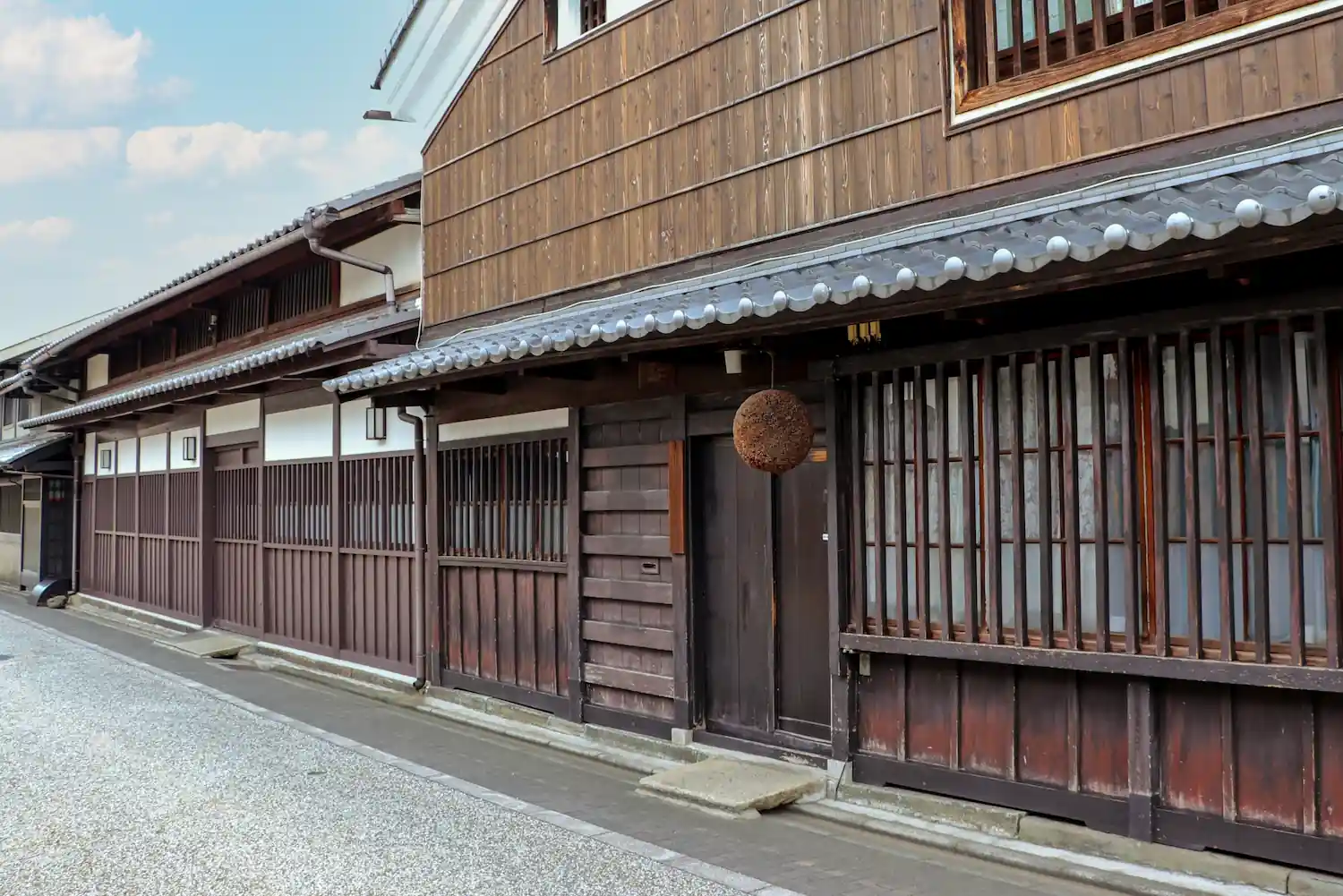
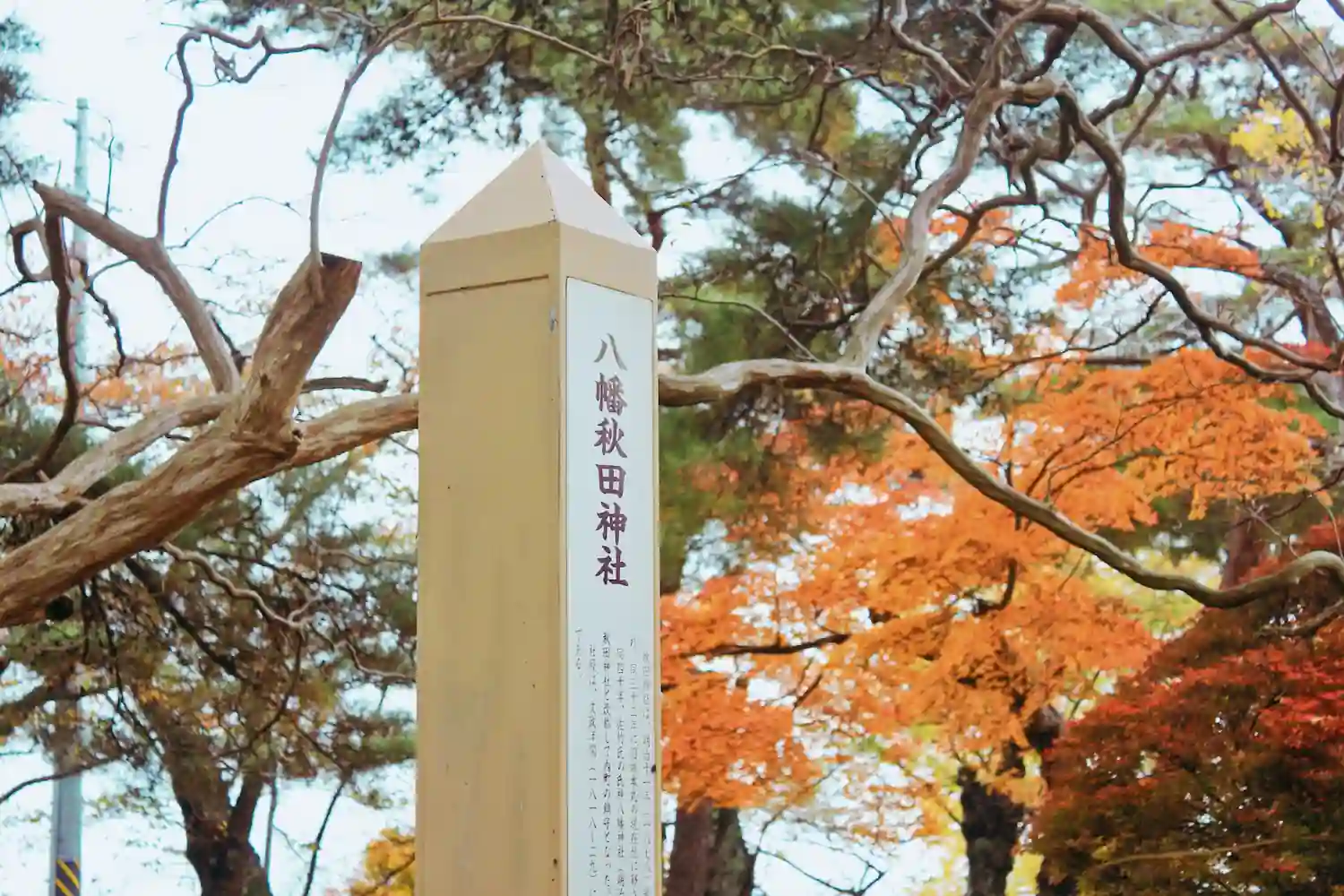
*Image is for illustrative purposes
Once you learn about Iwate's sake, you'll want to actually drink it, visit, and enjoy it!
Here, we introduce ways to enjoy Iwate's sake even more.
Visit a Brewery in Iwate Prefecture
Iwate Prefecture has 21 sake breweries operating in 15 cities and towns (as of January 2026). In particular, Shiwa Town is known as the birthplace of Nanbu toji and has four breweries!
Many breweries offer tours where you can see sake being made in action. For example, "Asabiraki" in Morioka can be visited even during busy seasons except on New Year's Eve and New Year's Day. The attached "Local Sake Products Hall" offers free tastings!
Additionally, the "Nanbu Toji Heritage Hall" is located in Isitoriya Town, Hanamaki City. Here you can learn about the traditional culture of Nanbu toji sake brewing. With 1,788 nationally designated important tangible folk cultural property brewing tools on display, you can understand the sake-making methods of the past.
Visiting breweries offers the chance to encounter local sakes and limited editions available only at the brewery! Stopping by on your travels is also recommended.
For more information about Iwate breweries, check out the list of Iwate breweries. You'll find information about breweries available for tours!
Foods to Pair with Iwate's Local Sake
Iwate's sake is light-flavored, making it easy to pair with various foods.
First, we recommend pairing with Iwate's regional cuisine. It pairs excellently with "ichigo-ni" using Sanriku seafood, inland "wanko soba," "hittsumi" and other simple rustic dishes!
Especially when served warm, the pairing with food becomes even better. In Iwate's cold winters, the combination of hot warmed sake and warm regional dishes is supreme.
Also, perhaps surprisingly, it pairs well with Western cuisine. "AKABU" with fruity aromas pairs with cheese and fruit. Dry "Asabiraki" pairs well with oil-based dishes.
When enjoying sake, it's recommended to drink "wa-ragi-mizu" (water to cleanse the palate) alongside it. Wa-ragi-mizu is water drunk with sake. Playing a similar role to whiskey chasers, it allows you to savor sake's delicate flavors while preventing excessive intoxication.
Summary
Iwate Prefecture's sake is characterized by light and dry flavor and the high technical skill of the Nanbu toji, one of Japan's three greatest toji groups. Iwate's regional sake, created from clear water, quality sake rice, and traditional technique, has a taste that even beginners can enjoy. Be sure to try Iwate's sake sometime!
*This article uses AI for information organization, writing assistance, and proofreading. The structure and final review are conducted by the Kraport editorial team.