Fukushima Sake: Why This Region Wins More Gold Medals Than Any Other
Fukushima Prefecture's Japanese sake holds the top position in gold medal awards at the National New Sake Appraisal! Learn about the distinct flavors of the three regions (Aizu, Nakadori, and Hamadori), recommended brands, and how to enjoy brewery tours.
Mar 29, 2026

Why Fukushima Prefecture's Japanese Sake is the Best in Japan
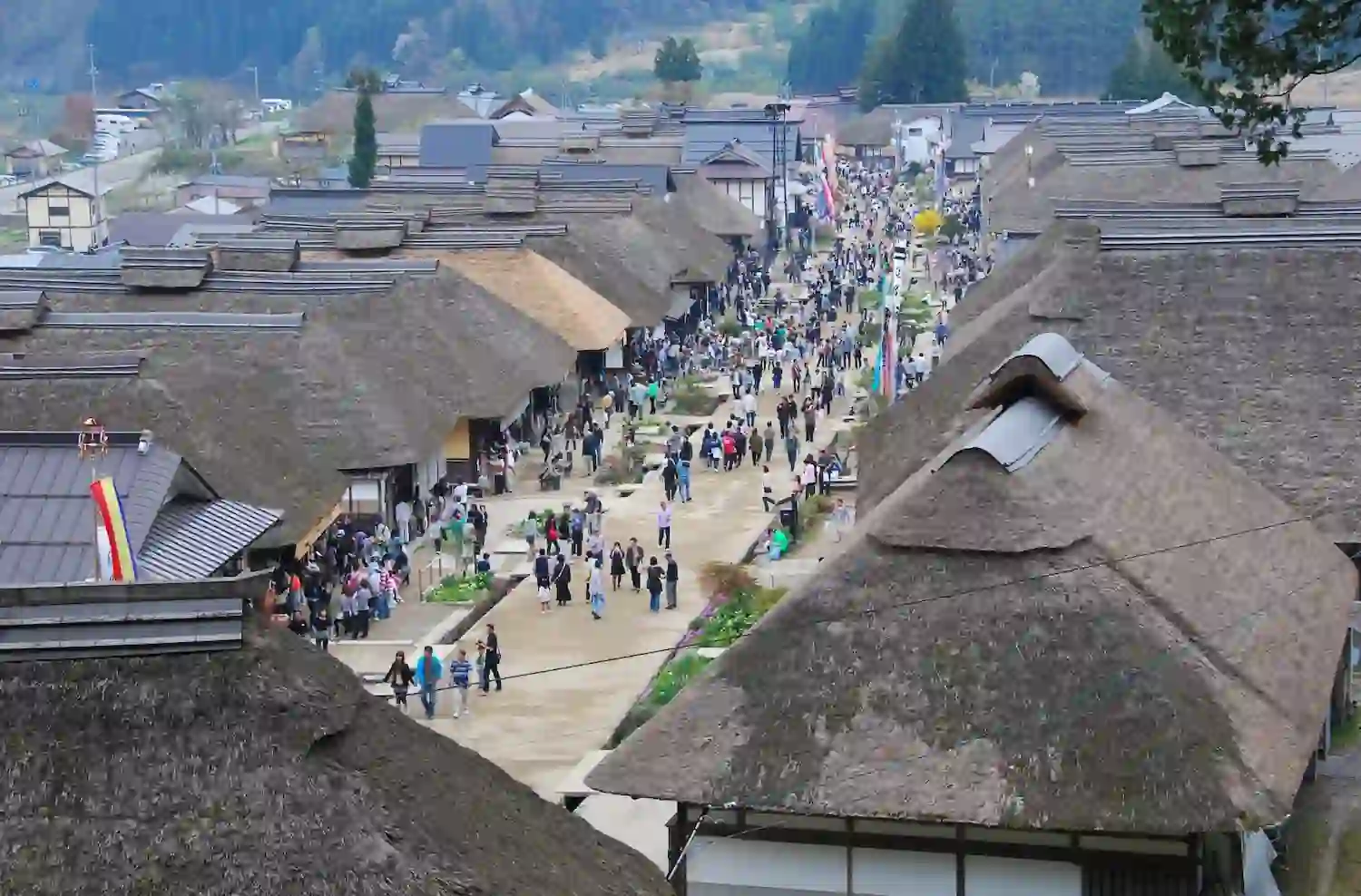
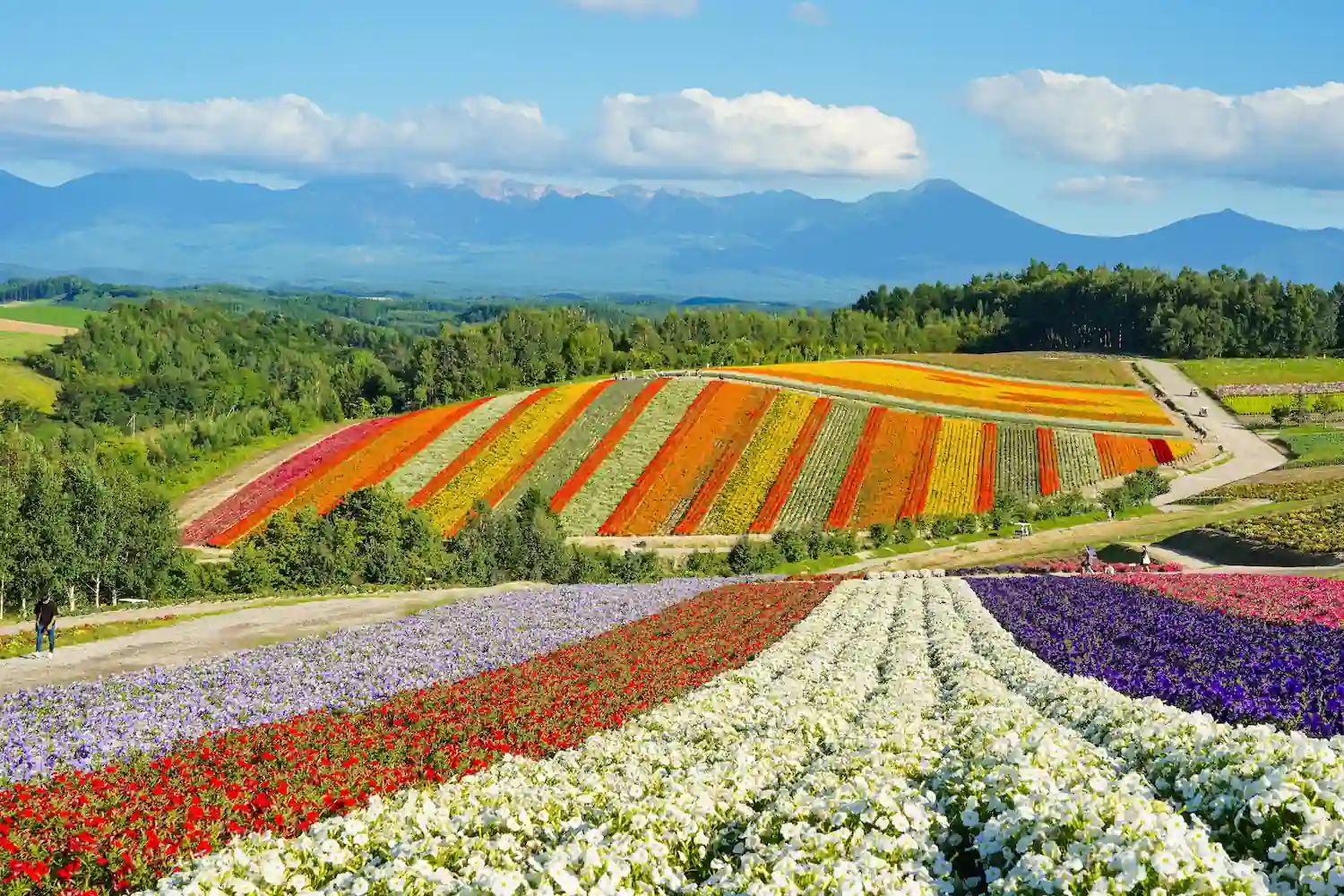
Photo courtesy of Shimogo Town *Image is for illustrative purposes
Fukushima Prefecture's Japanese sake is one of the most sought-after regional sakes in Japan right now!
This is because Fukushima Prefecture's sake won 16 gold medals at the "National New Sake Appraisal," a competition that evaluates the quality of Japanese sake, tying with Hyogo Prefecture and reclaiming the top position for the first time in three years in 2025.
This appraisal is the only national sake evaluation competition that has continued since the Meiji period. It is co-hosted by the Independent Administrative Institution, the National Research Institute of Brewing, and the Japan Sake Brewers Association. Breweries from across the nation submit their finest sake made that year, which is strictly judged by experts.
Fukushima Prefecture has an impressive track record, having achieved the top position for gold medal awards for nine consecutive years. In 2023 and 2024, it yielded to Hyogo Prefecture, but in 2025, it successfully reclaimed the top spot!
There are over 50 sake breweries in Fukushima Prefecture, each continuing traditional techniques and innovative challenges. This number ranks among the highest in the nation, making Fukushima a truly representative sake region of Japan. Many Fukushima breweries have a long history, with some founded over 300 years ago.
Three Elements That Support Fukushima's Japanese Sake
Fukushima Prefecture's sake boasts top-tier quality for three major reasons.
1. High-Quality Rice
Fukushima Prefecture is also famous as a rice-producing region. Special rice used for sake brewing is called "sake brewery rice." In Fukushima, varieties such as "Gohyakumangoku" and "Yume no Kaori," Fukushima's original sake brewery rice, are cultivated.
"Yume no Kaori" in particular is a sake rice developed exclusively by Fukushima Prefecture over 10 years with substantial investment. With large grains and uniform heart white, it requires minimal breakage during polishing, making high-polish possible. It is considered ideal for premium sakes such as ginjo and daiginjo.
The "heart white" refers to the white part at the center of the rice grain. This part contains abundant starch and is very important for sake brewing!
2. Pure Water
Fukushima Prefecture has many famous springs! Among them, the "Bandai Nishi-Sanroku Groundwater Springs" in the Aizu region were selected as one of Japan's "100 Famous Springs" by the Ministry of the Environment.
Since about 80% of Japanese sake is water, the quality of water greatly influences the taste. The pure water nurtured by Fukushima's abundant nature creates delicious sake.
3. Reliable Technology
Fukushima's sake breweries have traditional brewing techniques passed down through generations. Furthermore, they actively incorporate new technologies, such as "Utsukushima Dream Yeast," an original yeast developed by Fukushima Prefecture.
Yeast is a tiny microorganism that ferments alcohol. The choice of yeast completely changes the aroma and flavor!
Flavors Differ Across Three Regions!
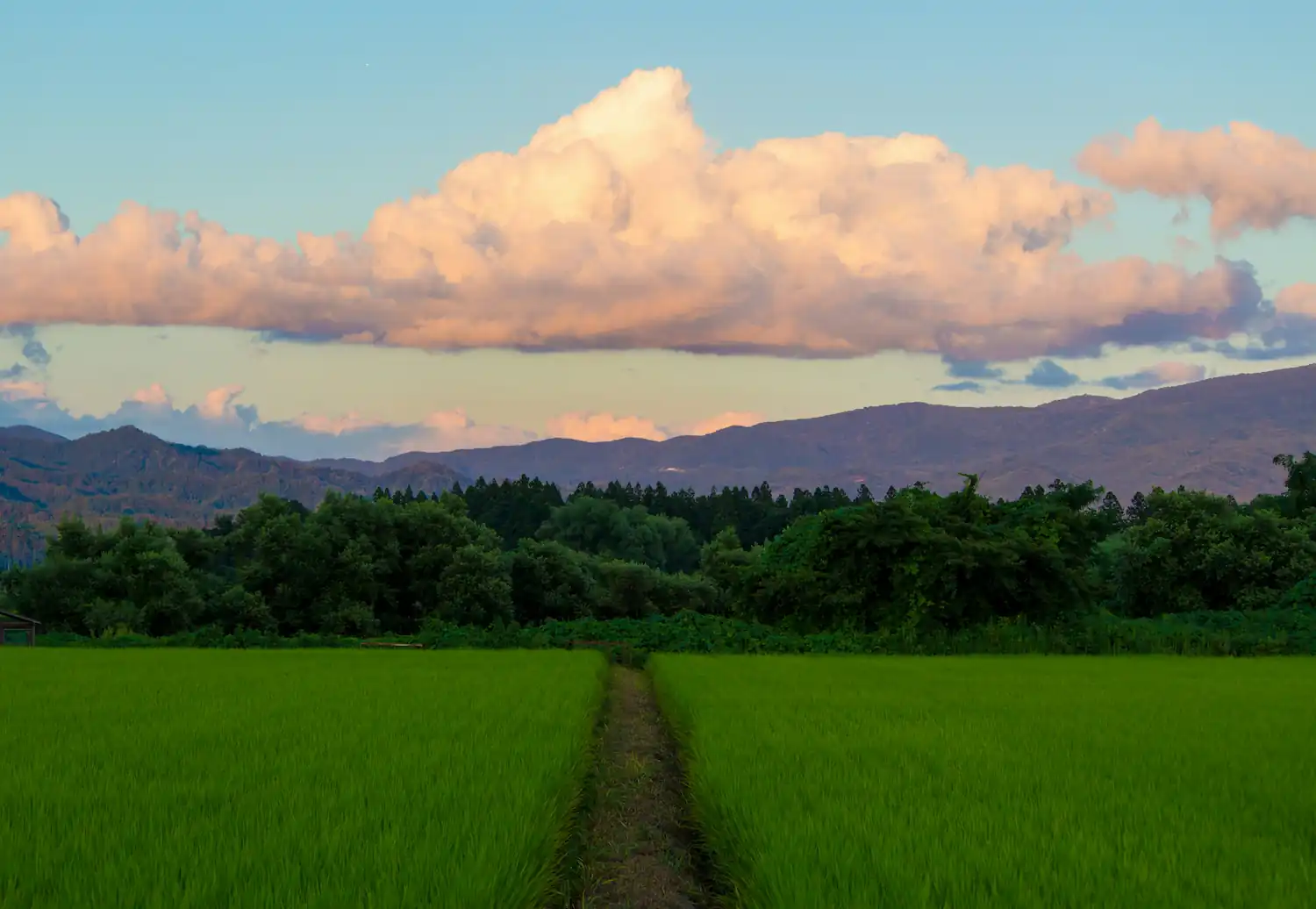
Source: Unsplash *Image is for illustrative purposes
Fukushima Prefecture has the third-largest land area in Japan. As a result, the prefecture is divided into three regions: "Aizu," "Nakadori," and "Hamadori," each with significantly different climates and geography.
Interestingly, the flavor of Japanese sake also differs by region! This is one of the major attractions of Fukushima's sake.
Characteristics of Aizu Japanese Sake
The Aizu region is located in the western part of Fukushima Prefecture in a basin surrounded by mountains. Winters are snowy and cold, while summers are hot, with distinct seasonal changes. This temperature difference is one of the secrets to creating delicious sake.
Japanese sake from this region is characterized by a fruity and rich flavor! You can enjoy vibrant aromas reminiscent of apples and melons, along with a mellow mouthfeel.
With over 25 breweries, the Aizu region is particularly active in sake production within Fukushima Prefecture. Many breweries use spring water from the Bandai Nishi-Sanroku Groundwater Springs, which was selected for Japan's 100 Famous Springs, and this abundant water adds depth to the flavor.
Representative Brands
- Hirotosuki: Known for its fresh and clean taste, this sake quickly became the talk of local sake enthusiasts after its release and is now difficult to obtain even locally—a legendary sake
- Sharaku: With vibrant aromas and well-balanced flavor, it has won first place in international competitions
- Aizu Chujo: Offering a mellow and delicious taste that pairs well with meals
Characteristics of Nakadori Japanese Sake
The Nakadori region runs north-south through the center of Fukushima Prefecture. It includes urban areas such as Fukushima City and Koriyama City, with basins continuing between the Abukuma Highlands and the Ou Mountains.
Japanese sake from this region is characterized by diverse flavors ranging from crisp dry to rich and complex! Even within the same Nakadori region, each brewery produces sake with completely different characteristics.
Representative Brands
- Tenmei: Popular for its light and fresh flavor, this innovative sake is made by young brewers
- Gakki Masamune: Known for its organic pure rice sake "Shizengou" and as the brewer of the long-selling cooking sake "Hello Cooking Sake," which is favored by professional chefs
- Daishichi: Brewed using the traditional "kimoto" method, offering deep and complex flavors
Characteristics of Hamadori Japanese Sake
The Hamadori region is in the eastern part of Fukushima Prefecture, facing the Pacific Ocean. It features a temperate climate with cool summers and warm winters.
Japanese sake from this region is characterized by light and clean flavors that pair well with seafood! With a crisp and refreshing taste, it pairs perfectly with sashimi and seafood dishes.
Although there are fewer breweries in this region than in Aizu and Nakadori, many produce sake with a focus on local production and consumption. This uniqueness is what makes this region special.
Representative Brands
- Matabeei: A locally loved sake with a gentle and balanced flavor
- Banjo Kotobuki: A robust regional sake that recovered and thrived after the disaster
Beginner's Guide: How to Choose Japanese Sake
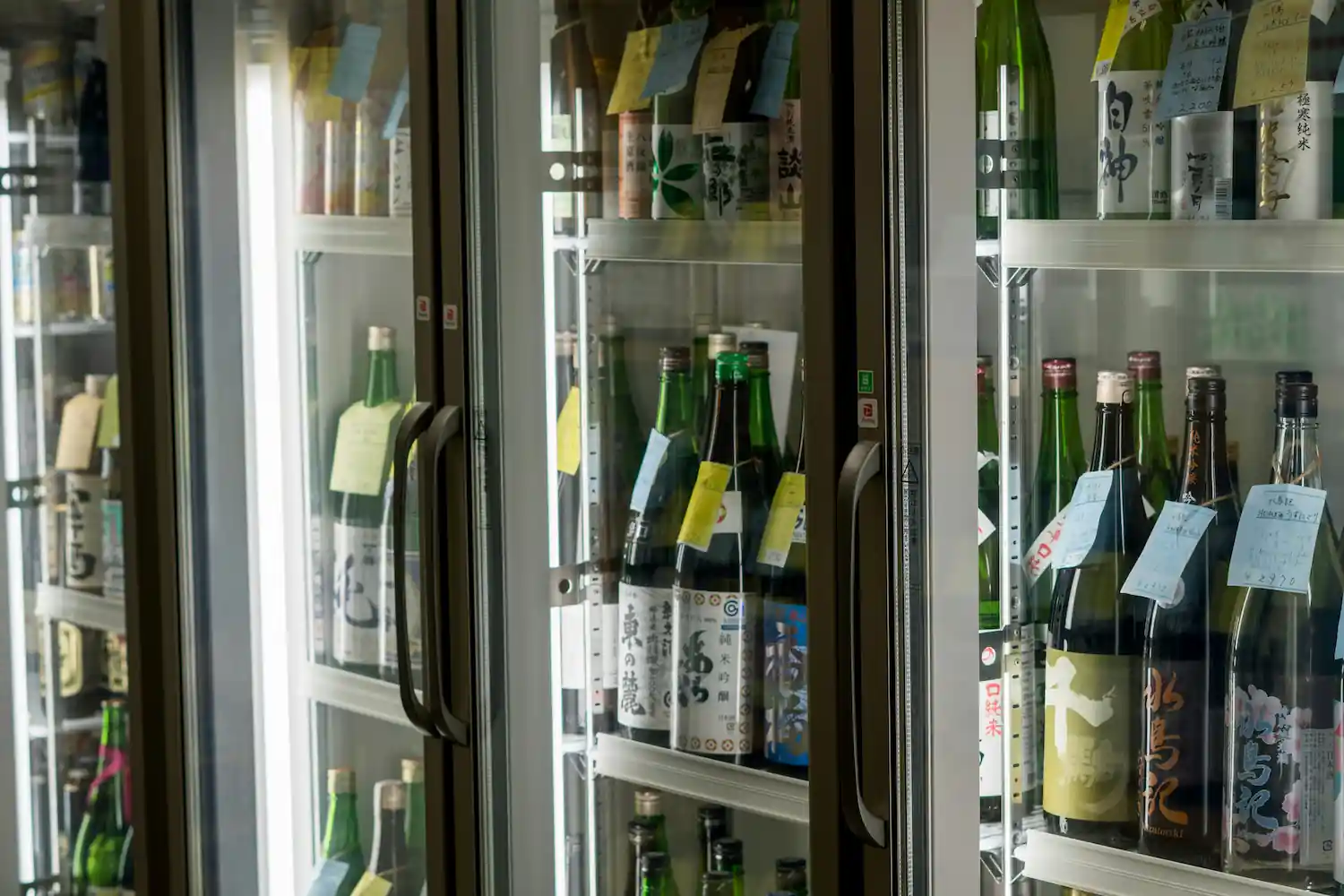
Source: Unsplash *Image is for illustrative purposes
When choosing sake, many people find themselves unsure what to select even after reading the label. Here, we introduce how to choose sake without making mistakes, even for beginners!
Distinguishing Between Sweet and Dry
Japanese sake comes in "sweet (amakuchi)" and "dry (karakuchi)" varieties. This is determined by the amount of sugar contained in the alcohol.
Sweet sake allows you to enjoy the natural sweetness of rice and is easy to drink. It's recommended for those new to sake or who prefer fruity flavors!
Dry sake is characterized by a clean and crisp taste. It pairs well with meals and enhances the flavor of dishes.
Enjoying Fruity Aromas
Most of Fukushima's sakes offer fruity aromas reminiscent of apples, melons, and bananas! This aroma is called "ginjo aroma," created by carefully polished rice and slow fermentation at low temperatures.
When you want to enjoy the aroma, pouring the sake into a wine glass with a slightly wider opening allows the fragrance to spread beautifully, making it taste even better.
Food Pairing
Sake becomes even more delicious when paired with food!
- Fruity sake: Pairs perfectly with white fish sashimi and chicken dishes
- Clean and dry sake: Refreshingly complements fried foods and oily dishes
- Rich and complex sake: Pairs wonderfully with miso-based dishes and stews
Fukushima's local dishes such as "kozyu" and "ika ninjin" pair beautifully with local sake!
Visit a Fukushima Brewery
If you want to enjoy sake even more, visiting an actual brewery is highly recommended!
During a brewery tour, you can see firsthand how sake is made. Watching large tanks and traditional tools while hearing brewery workers' stories about sake making brings sake closer to everyday life.
Additionally, many breweries offer tastings. The flavor of freshly made sake is exceptional! Finding limited editions and direct-sale items available only at the brewery is also part of the fun.
Summary
Fukushima Prefecture's sake has unique characteristics in each of its three regions: Aizu, Nakadori, and Hamadori. Be sure to try this regional sake, which boasts top-tier quality rivaling the best in the nation!
*This article uses AI for information organization, writing assistance, and proofreading. The structure and final review are conducted by the Kraport editorial team.