Yamagata Sake: Why Japan's Ginjo Kingdom Captivates the World
Yamagata Prefecture is nationally recognized as the "Kingdom of Ginjo" sake production. Characterized by fruity aromas and gentle flavor, it boasts national-leading gold award counts at the National New Sake Appraisal! We introduce Yamagata's sake appeal and beginner-friendly brands clearly.
Mar 29, 2026

Why Yamagata's Sake is Called the "Ginjo Kingdom"
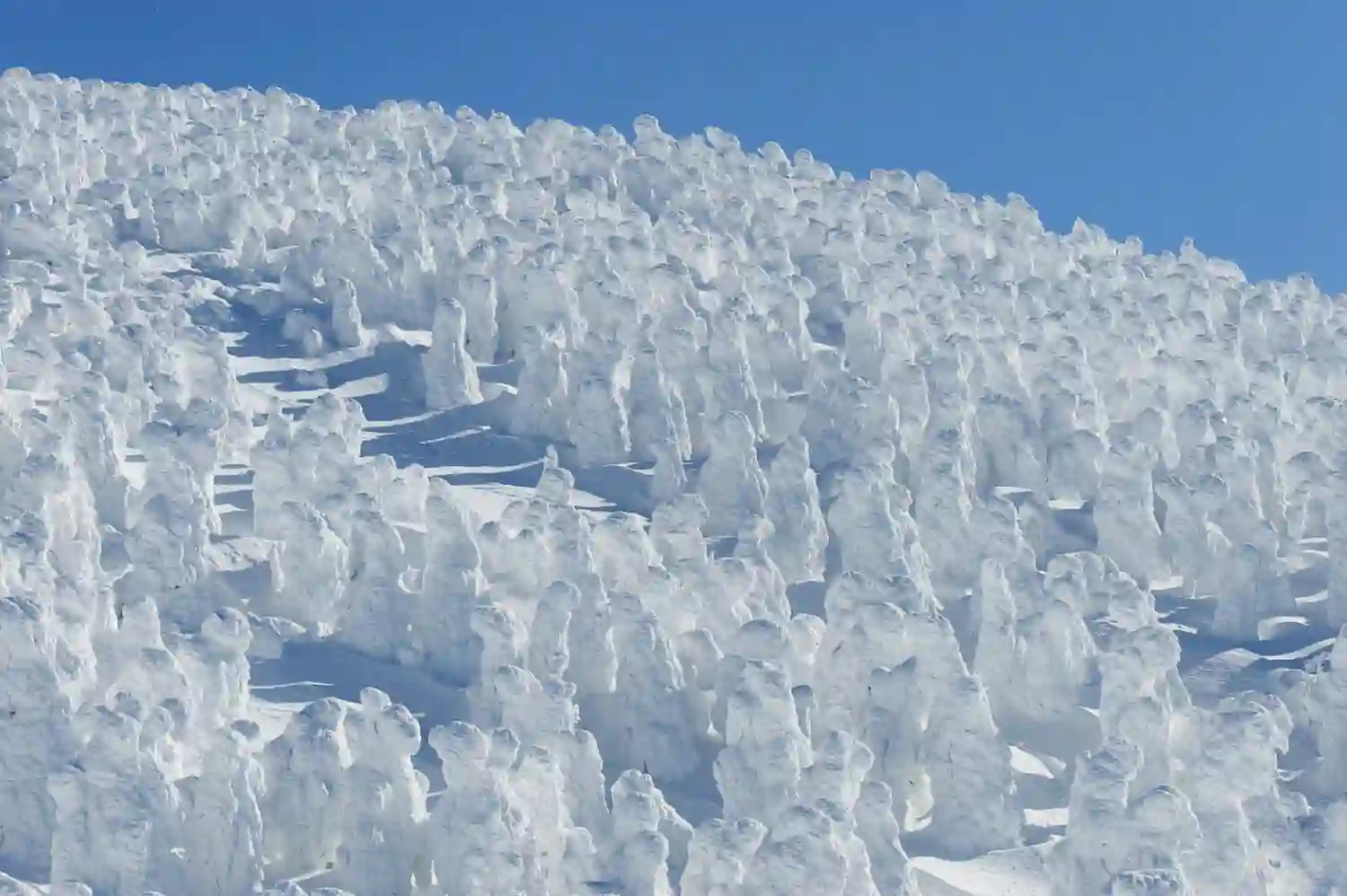
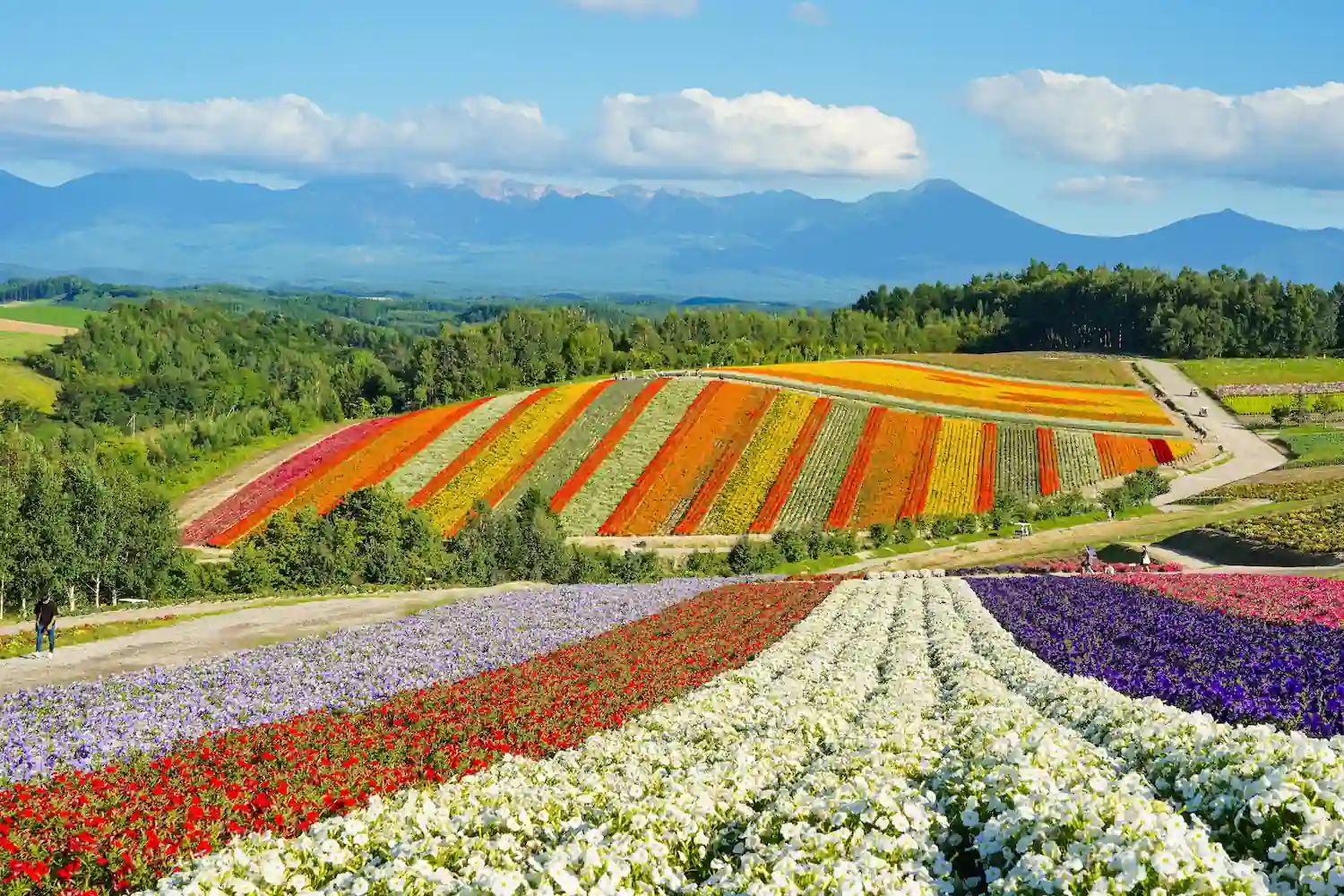
*Image is for illustrative purposes
Approximately 48 breweries are scattered throughout Yamagata Prefecture, each pursuing distinctive sake-making. The title "Kingdom of Ginjo" stems from Yamagata breweries' acclaimed record of receiving the most gold awards at the National New Sake Appraisal!
At the 2022 National New Sake Appraisal, Yamagata claimed the top position for gold award count nationwide. This appraisal ranks among Japan's most authoritative sake competitions, where breweries nationwide submit their finest works. The achievement of 20 Yamagata breweries receiving gold awards demonstrates the region's high sake quality.
In 2016, Yamagata became the first prefecture to receive "GI Yamagata" geographic indication certification for sake. This was a historic first for any prefecture to receive this status! Yamagata pioneered ginjo sake manufacturing technique research and promotion nationwide. Beginning in earnest during the 1980s, it produced successive ginjo sake featuring elegant aroma and crisp flavor, profoundly impacting the industry.
Public-Private Partnership in Sake-Making
Yamagata's sake strength lies in a culture where breweries share techniques and refine their craft collaboratively.
In 1987, the "Yamagata Breweries Research Association" was established to pool brewery efforts for research and development. Since Yamagata lacks a single dominant brewery representing the prefecture, the unifying mindset emphasizes collective strength elevating the region. This organization facilitates collaboration between breweries and the prefectural industrial technology center on yeast development and brewing technique improvement.
Yamagata has developed multiple original yeasts called "Yamagata yeast." From "Ogawa yeast" designed for ginjo sake to varieties suited for specific profiles, breweries freely select and use suitable options.
Willingly sharing proprietary technologies and knowledge while maintaining a learning-oriented culture elevates Yamagata's overall sake quality. At the internationally prestigious "IWC," "Hatsumago," brewed by Tohoku Meijo in Sakata City, consecutively won trophies in 2018 and 2019, earning high domestic and international recognition.
Yamagata Sake Flavor Characteristics
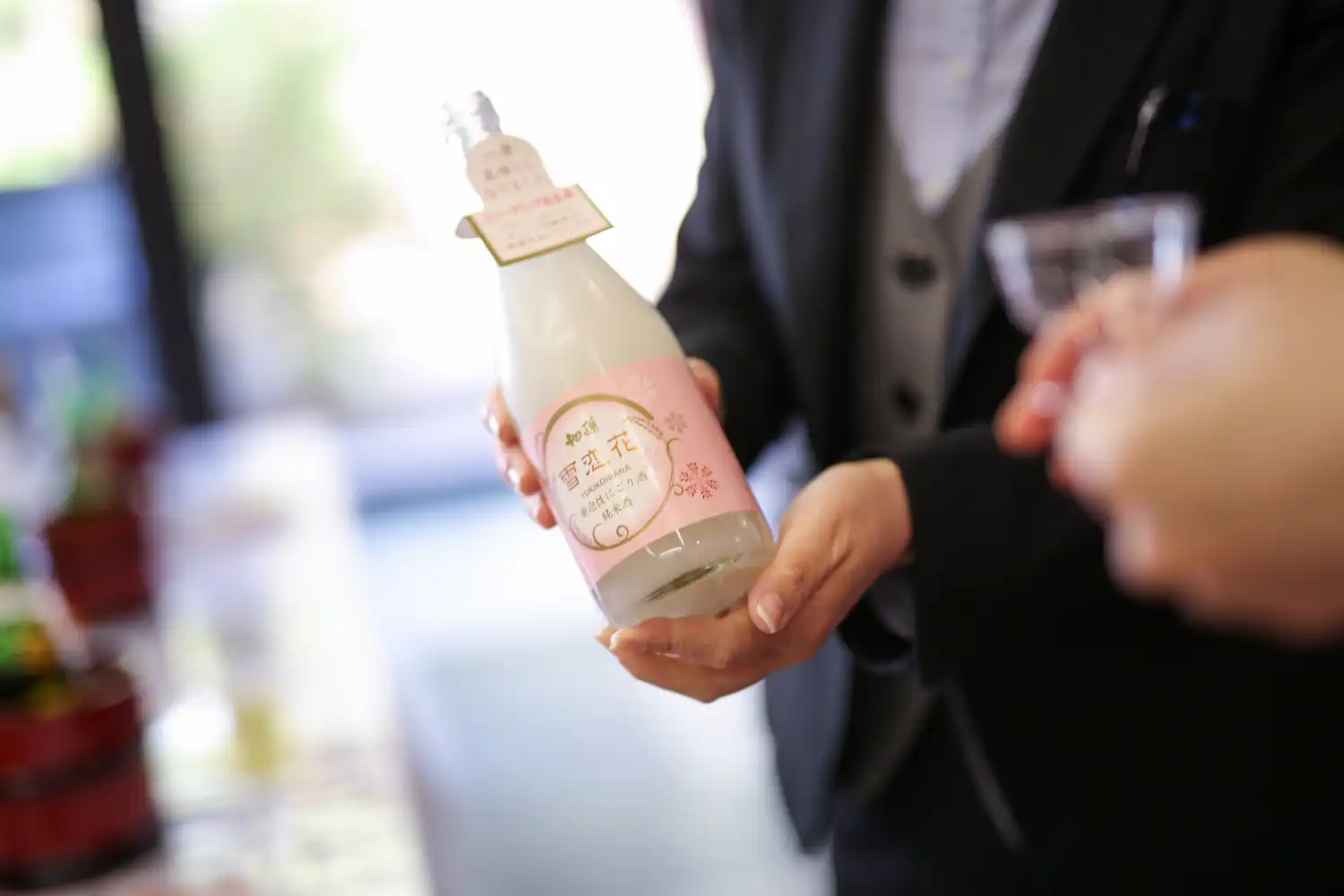
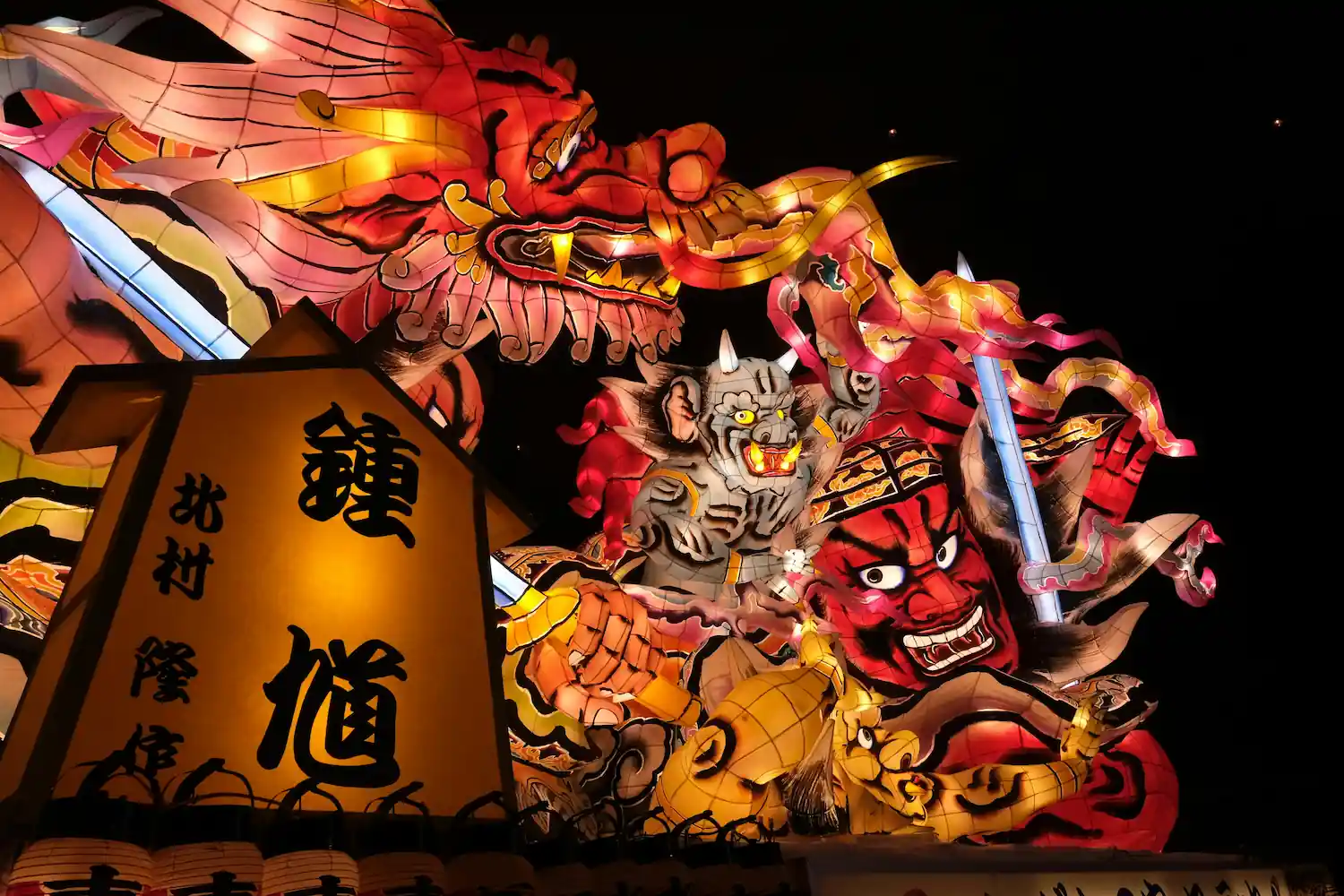
*Image is for illustrative purposes
Yamagata's sake is generally characterized by soft, transparent quality. Pure rice ginjo and ginjo sake offering fruity aromas and smooth mouthfeel appeal even to sake beginners!
The flavor features melon or banana-like fruity aromas with clean, crisp tastes unmarred by off-flavors. Pure rice and hon-jozosake varieties offer full, layered flavor where acidity and umami pleasantly blend. Such flavors emerge from Yamagata's climate, water, and brewer expertise fusion.
Those preferring dry sake favor "Kudoki Jozü" and "Bakuren," while sweet-sake seekers appreciate "Juyondai" and "Dewazakura." Even when dry, the flavor offers crisp refreshment rather than sharp harshness. The sweetness is refined, not cloying.
Superior Flavor from Cold Climate
Yamagata features low average temperatures and harsh winters—a climate generating high-quality sake!
Low-temperature fermentation is essential for sake production. Slow fermentation at cool temperatures suppresses harmful microbe growth while extracting delicate, elegant aromas. Ginjo sake especially requires fermentation around 10 degrees Celsius for extended periods, making Yamagata's winter ideal for ginjo production.
Since the early Heisei period, Yamagata has prioritized sake-making guidance and technique improvement. The prefectural industrial technology center regularly holds breweryoriented seminars, sharing cutting-edge brewing technology and quality management methods. These initiatives realize the high-quality flavors characterizing Tohoku sake.
Abundant Spring Waters Nurturing Sake
Yamagata is surrounded by renowned peaks: Mount Chokai, Mount Gassan, and the Asahi mountain range. Abundant snow accumulated on these peaks transforms into pure groundwater, enriching Yamagata's sake production.
Water comprises approximately 80% of sake. Thus, water quality profoundly influences sake flavor. Yamagata water is typically soft water, yielding sake with gentle, mellow mouthfeel.
The Mogamigawa River system's clear waters and Dewa Range snowmelt provide ideal soft water for brewing. Different water qualities flow from different mountain ranges, with Yamagata breweries scattered throughout leveraging local natural conditions. Even within the same prefecture, water differences subtly alter sake flavor, creating Yamagata's diverse flavor profile.
Yamagata's Original Sake Rice: "Dewa Sanzan"
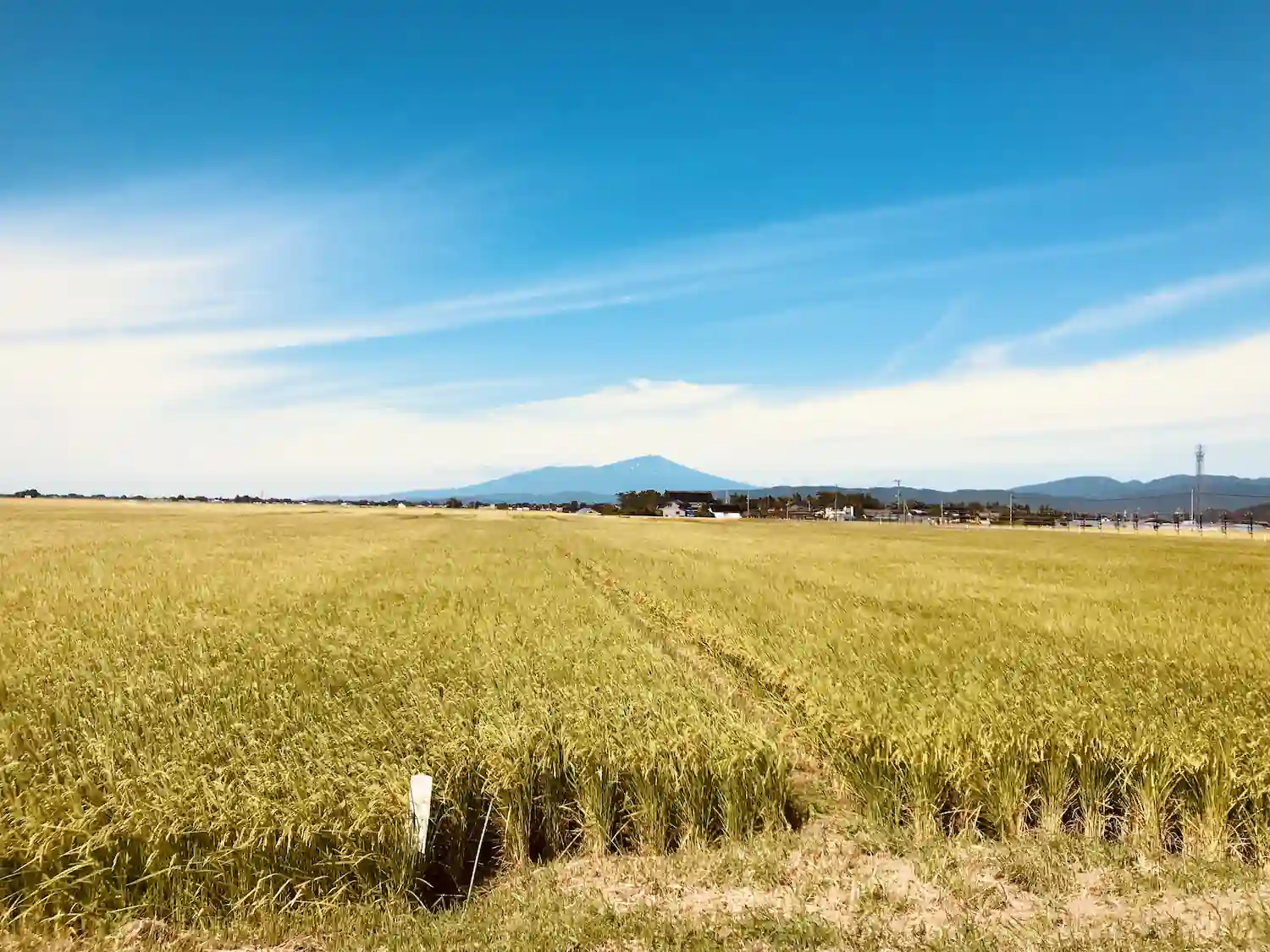
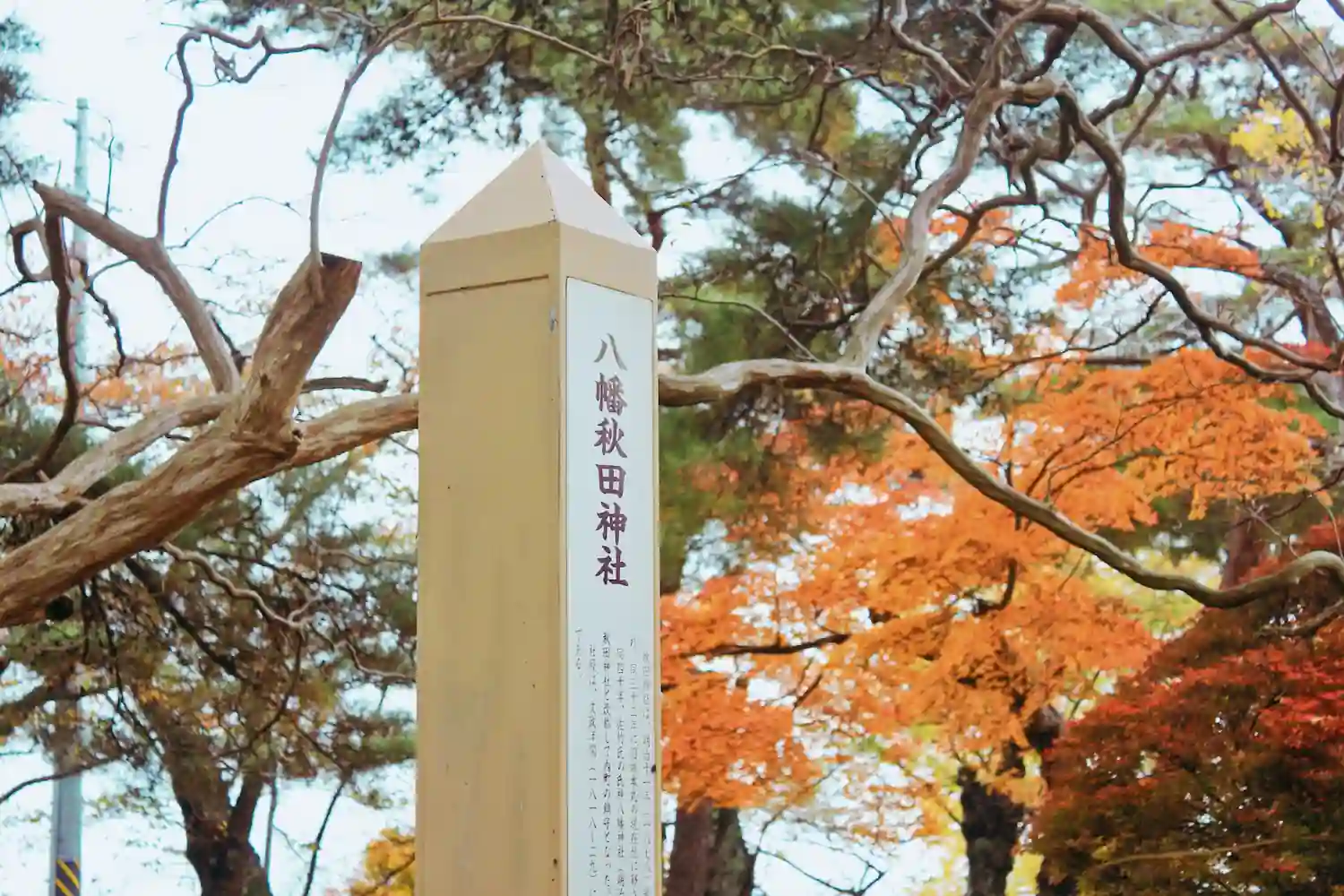
*Image is for illustrative purposes
Yamagata's breweries, agricultural organizations, and administration collaboratively developed sake rice in three-way partnership—an approach unparalleled in other prefectures and a major pillar supporting Yamagata's sake culture.
Sake-suitable rice refers to rice bred specifically for sake production. Unlike food rice, it's large-grained with white core and low protein content.
"Dewa Sanzan," born in 1995, represents Yamagata's pioneering original sake rice. Its name embodies the wish that "Dewa shines brilliantly." Dewa Sanzan sake is characterized by soft, substantial flavor, with fruity aromas and abundant umami. It's beloved by many prefecture breweries.
Pure rice ginjo sake using 100% Dewa Sanzan that meets strict quality standards receives the "DEWA33" designation! Meeting this requires multiple rigorous criteria: rice polishing ratio of 55% or less, Yamagata yeast use, and Yamagata original koji mold "Oleise Yamagata" use.
DEWA33's "33" references 33 peaks exceeding 1,400 meters within Yamagata. It uniquely expresses the prefecture's mountain-surrounded geography.
Dewa Sanzan ranks fourth nationally in sake rice production. Despite exclusive cultivation in Yamagata, this production volume testifies to strong local brewery demand. It continues attracting nationwide attention as a premier Yamagata sake rice representative.
"Dewa no Sato" and "Yuki Megami"
Following Dewa Sanzan, Yamagata developed "Dewa no Sato" in 2005 and the premier "Yuki Megami" (Snow Goddess) sake rice in 2015.
Dewa no Sato offers excellent cost-performance as an easily-cultivated, stably-yielding sake rice. It's widely used for pure rice and hon-jozo sake—everyday varieties enjoyed casually.
Conversely, Yuki Megami is positioned as the premier sake rice for pure rice daiginjo and daiginjo. With small white core and excellent fracture resistance despite high polishing, it enables 35% or less rice polishing ratios. Sake crafted with Yuki Megami features elegant aroma and refined flavor.
When selecting brands, focusing on sake rice proves rewarding! Even from the same brewery, different rice varieties dramatically affect flavor. Comparative tasting reveals Yamagata sake's profound depth.
Yamagata's Famous Breweries and Representative Brands
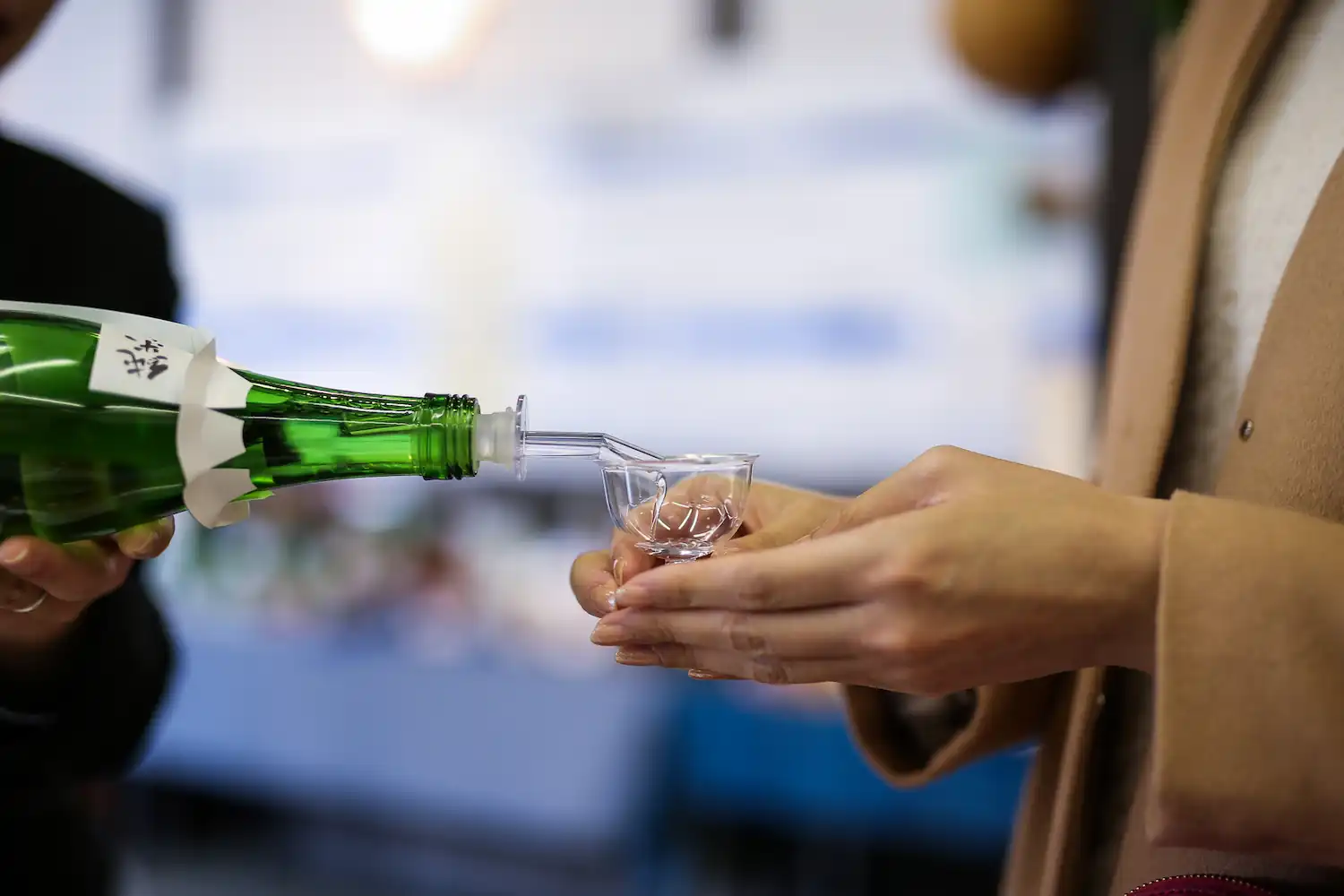
*Image is for illustrative purposes
Distinctive Yamagata breweries dot the prefecture. Here are some prominent brands:
"Juyondai"
A historic brewery established in 1615 with a cellar in Murayama City. "Juyondai," called the phantom sake, features refined aroma and transparent flavor. Born in the 1990s under 15th-generation owner Tatsugoro Takagi, it dramatically impacted the industry by departing from the then-dominant dry, clean profile, introducing fruity, sweet flavor instead.
"Dewazakura"
A Tendo City brewery established in 1892. Among sake enthusiasts, "ginjo sake means Dewazakura," representing Yamagata's famous breweries. "Sakura Flower Ginjo Sake," released in 1980, pioneered ginjo sake commercialization.
"Kudoki Jozü"
A Tsuruoka City brewery established in 1875. Its elegant aroma and well-balanced rice-derived sweetness earn popularity. The brewery name means "skilled at persuasion," reflecting its desire to create sake captivating drinkers. The "Bakuren" series, finished as ultra-dry, represents Yamagata's dry sake nationally.
"Hatsumago"
A Sakata City brewery established in 1893. A major feature is using "kimoto brewing" for all products, requiring significant time and effort but yielding profound flavor and clean finish. It won multiple trophies at the prestigious international "IWC," earning high recognition.
"Yamagata Masamune"
A Yamagata City brewery established in 1898. "Yamagata Masamune" features purely Yamagata sake rice and Yamagata yeast. Soft mouthfeel and rice umami characterize this brand, recommended for beginners.
Many breweries welcome brewery tours! Actually visiting a brewery allows you to feel the passion for sake-making firsthand. Most tours require advance reservation, so check the official brewery website or Kuraport before visiting.
Summary
Yamagata's sake comprises exceptional products nurtured by favorable natural conditions and public-private partnership efforts. Abundant snowmelt, cold climate, and Yamagata's original sake rice combine to create fruity, approachable flavor.
The "Kingdom of Ginjo," Yamagata Prefecture, boasts approximately 48 distinctive breweries, each refining technique and pursuing quality. First-place gold award counts at the National New Sake Appraisal confirm Yamagata's sake quality excellence.
Its fruity, approachable flavor perfectly suits sake-world newcomers. From dry to sweet varieties, diverse flavor profiles showcase Yamagata's appeal. Definitely visit Yamagata breweries to experience their charm firsthand!
*This article uses AI for information organization, writing assistance, and proofreading. The structure and final review are conducted by the Kraport editorial team.