Chiba Sake: Flavor, History & the Allure of Local Brews Explained
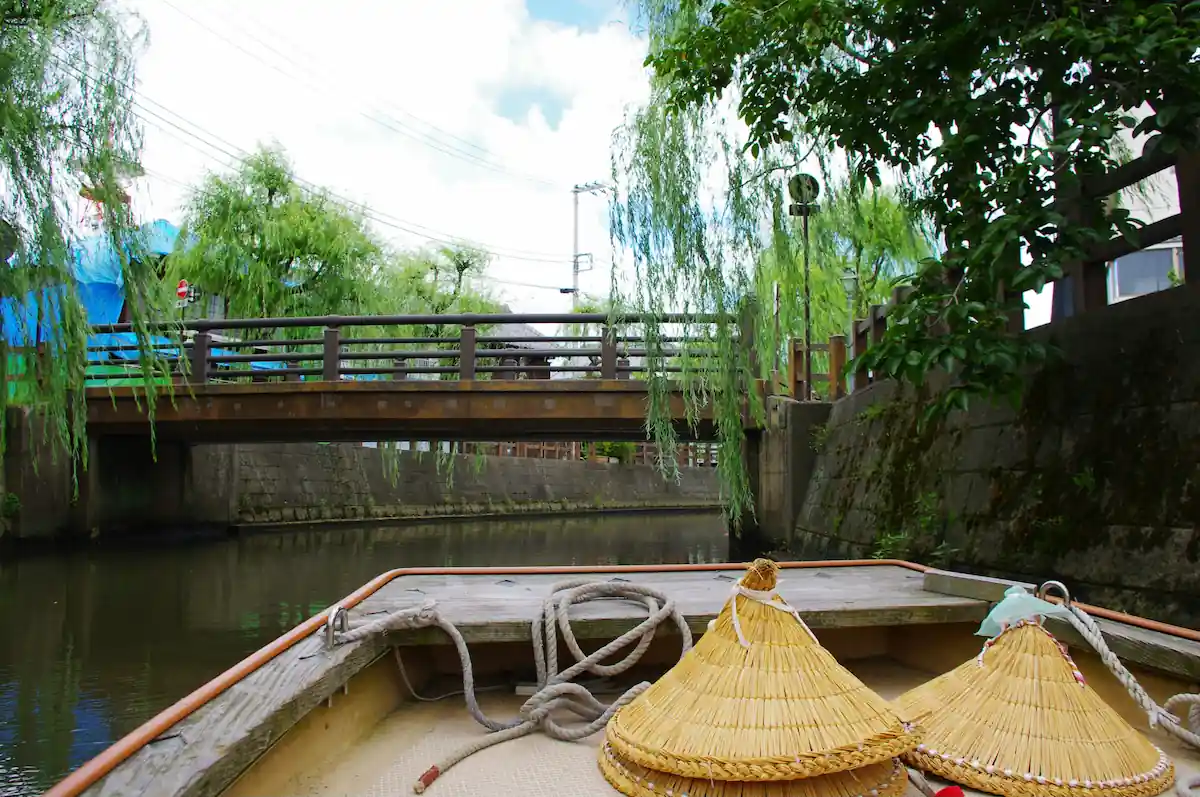
When you think of Chiba, you probably think of seafood and peanuts. But actually, as one of Kanto's premier sake regions, it has sake brewing history continuing since the Edo period! About 38 breweries are scattered throughout the prefecture, each producing distinctive local sake. "Chiba sake" might not ring a bell, but the deeper you know it, the more profound. Rich nature, famous waters, Chiba's unique sake rice... the foundation is packed with appeal.
Mar 29, 2026

Chiba's Sake Brewing History and Background
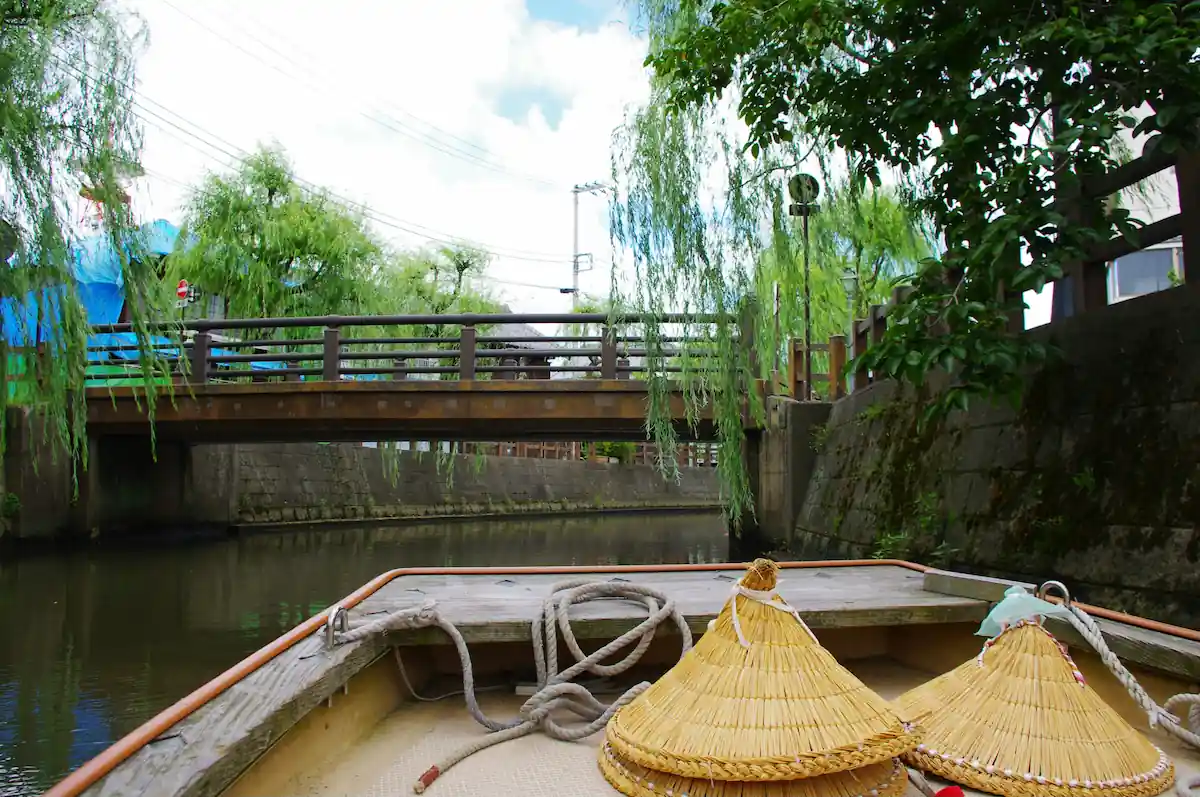
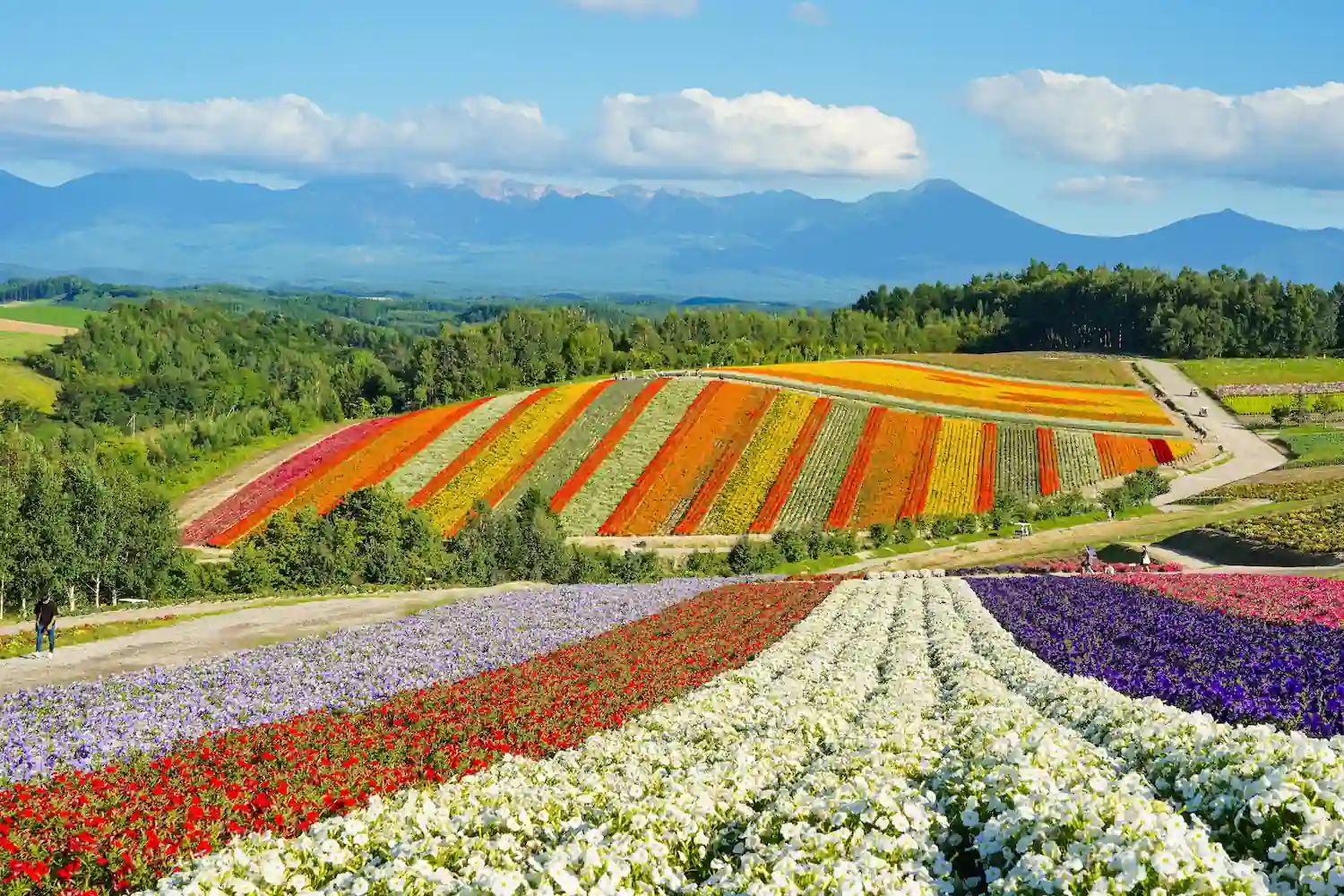
*Image is for illustrative purposes
Chiba's sake brewing history dates back to the Edo period.
Sake brewing in Chiba is said to have begun around 1624. At that time, Chiba's location right beside Edo (present-day Tokyo) was a major advantage. Using waterways like Tone and Edo rivers, brewed sake could constantly be transported to the enormous consumer market of Edo. This transport-blessed location greatly boosted Chiba's sake brewing.
As time progressed, sake brewing became increasingly active, and by the Meiji period, the number of breweries in the prefecture exceeded 200.
Such a large number of breweries crowded together speaks to how vibrant Chiba's sake brewing was. Chiba was then truly flourishing as a major sake region of Kanto.
Deep Connection Between Soy Sauce Production and Sake Brewing
Chiba is known as a production area for soy sauce. Major Japanese soy sauce makers like Kikkoman and Yamasa were born here.
Actually, soy sauce and sake production are deeply connected. Both center on "fermentation" technology, with many shared elements: raw materials like rice, wheat, and soybeans; tools used; brewery environment; and craftspeople's experience and intuition.
Historically, breweries often appeared near soy sauce facilities, with both fermentation cultures taking root side by side—a Chiba characteristic. Fermentation techniques cultivated in soy sauce production were applied to sake brewing, contributing to Chiba sake's quality.
Current Chiba Brewery Situation
Compared to its peak, the current brewery count has declined to about 38.
Chiba shares industry-wide challenges like successor shortages and business difficulties. Some breweries unfortunately closed due to COVID-19's impact, making the reality not entirely bright.
Still, distinctive breweries continue operating, with active efforts to "revitalize Chiba's sake again!" Centered on the Chiba Prefecture Brewers Association, local breweries work together conducting events and sharing information. Every additional person supporting Chiba's local sake becomes significant strength for breweries.
Chiba's Sake Flavor Characteristics
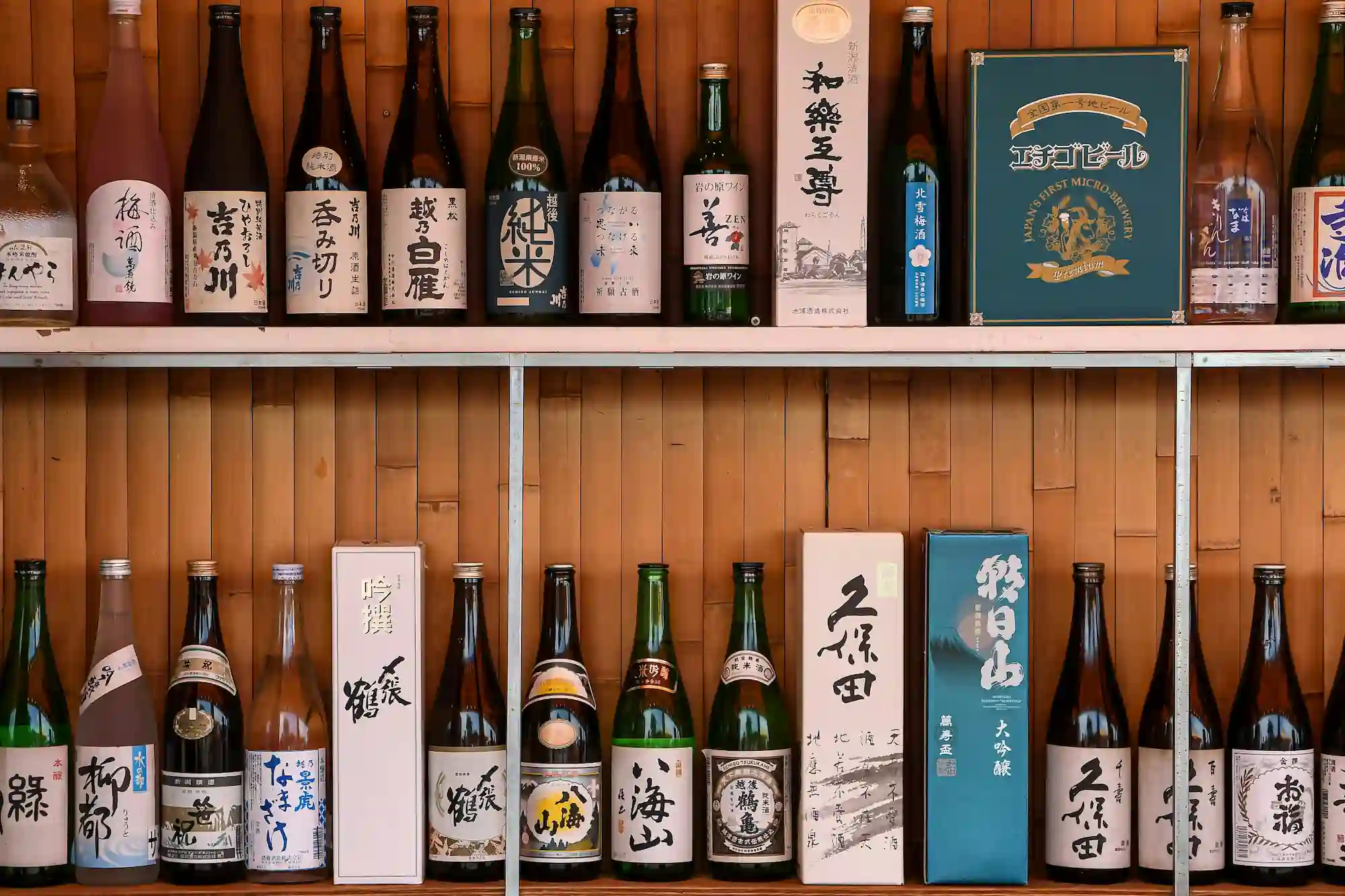
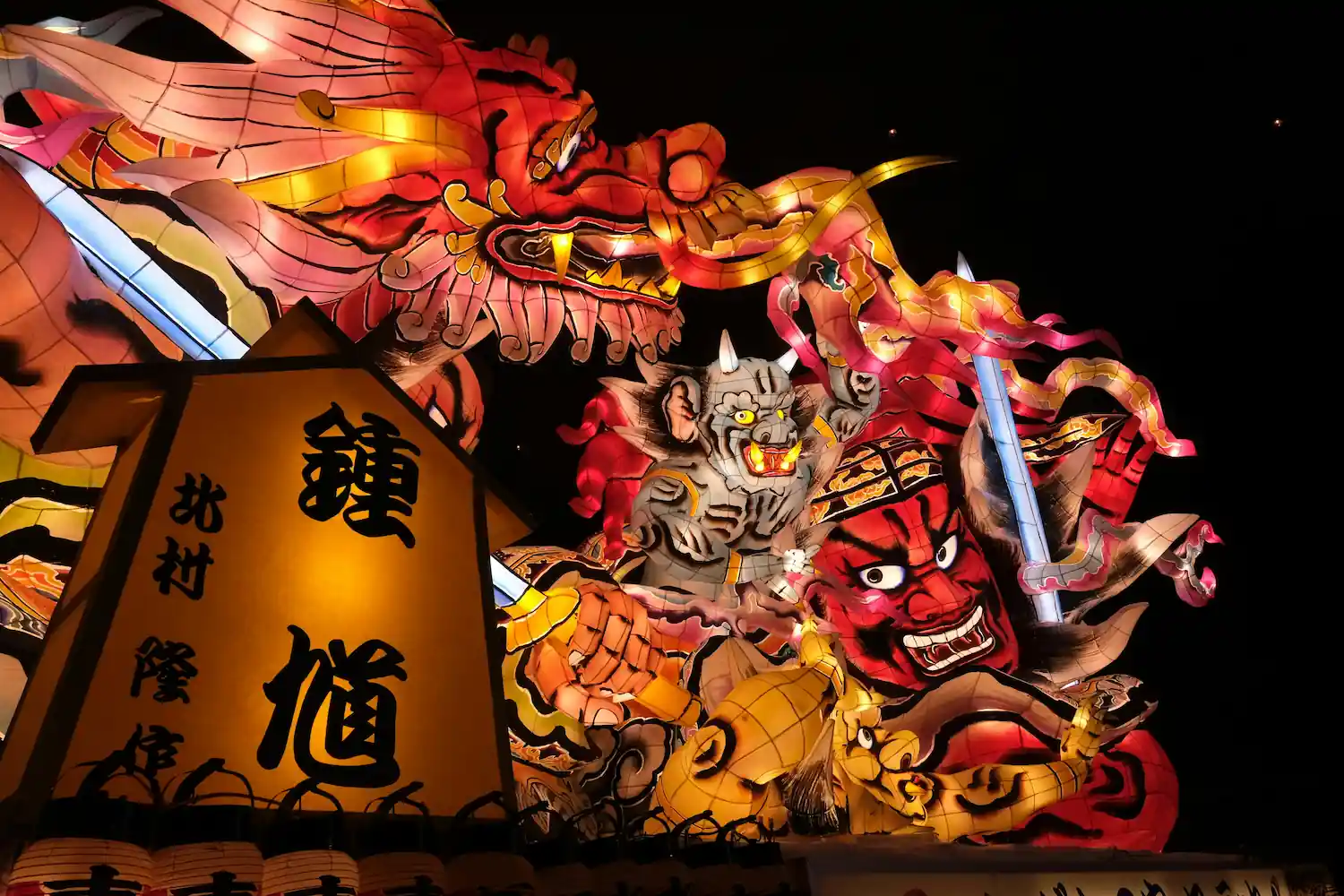
*Image is for illustrative purposes
Chiba sake's characteristic summed up: "Areas have completely different characters!"
Climate and water quality differ by location—coastal, inland, river-side—so each brewery creates distinctive flavors. Divided broadly into six areas—Hokuso, Suigo, Choshi, Kujukuri, Kazusa, Nansou—each regional character is enjoyable, the essence of Chiba's local sake culture.
Even "Chiba sake," different areas mean totally different flavors. This is what makes Chiba sake interesting—comparative tasting reveals new discoveries.
Changing by Area! Chiba Local Sake Flavors
Chiba breweries divide into six areas, each with character.
Kujukuri and Nansou areas face the Pacific, with many light and dry sake matching fresh seafood. Crisp, clean flavors pair well with bonito, alfonsino, and other rich ocean bounty. "Sake perfect for local ingredients" is fundamental to Boso's local sake culture.
Suigo and Hokuso areas are blessed with abundant Tone River basin water. Many historic old breweries feature mellow, full-bodied sake. Like the river's gentle flow, umami spreads gently through the mouth.
In Kazusa area is a place Chiba sake enthusiasts never miss: "Kururi" town in Kimitsu City.
Famous Water Town Kururi's Chiba Local Sake
Kururi is Chiba's only town selected for "Heisei 100 Best Waters" (2008, Ministry of Environment selection), a famous water location (Source: Kimitsu City Official Website "Kururi's Great Well and Self-Flowing Well").
This town has about 200 wells where water isn't entirely pump-drawn. Instead, rain falling on Kiyosumi and Sanishiyama Range forests undergoes natural earth layer filtration, flowing continuously as groundwater 24 hours from depths of 400-600 meters. Called "Kururi's Living Water," many visit from throughout the prefecture to draw this natural water.
This famous water serves as brewing water for nearby Kururi breweries. This medium-hard water (hardness approximately 60-120 mg/L) brings mellow yet complex, substantial flavor, creating Kururi local sake's distinctive character.
Right beside JR Kururi Station is "Ikita Mizukururi Sake Museum," where you can sample sake from eight Kururi-area breweries starting at 200 yen per small cup. As a first step in Chiba brewery exploration, definitely visit!
Chiba-Born Sake Rice "Fusa no Mai"
Discussing Chiba sake characteristics requires mentioning prefecture-original sake rice "Fusa no Mai."
"Fusa no Mai" was developed by Chiba Prefecture Agricultural Comprehensive Research Center and registered in 2000 as Chiba's original rice (Source: Chiba Prefecture Government). Characterized by plump grains, it easily draws out rice umami, producing full-bodied, substantial-flavored sake.
Chiba also brews using "Fusakogane" and "Gohyakumangoku" sake rice. Further, in 2019, Chiba Prefecture's "Yamada Nishiki" was designated as a sake rice variety with the Ministry of Agriculture, Forestry and Fisheries, introducing Yamada Nishiki (sake's king rice) sake from Chiba.
Under the "local production for local consumption" spirit of "Chiba rice, Chiba water creating Chiba sake," breweries develop Chiba's distinctive sake utilizing this rice. Such efforts further enhance Chiba's sake character and appeal.
Peek at Representative Brands
Chiba's local sake contains many "hidden gems" not yet widely known nationally! Here we introduce some representative brands.
Kinoe (甲子) is brewed by Iinuma Honke in Shisui Town, Inba District. Founded during Edo's Genroku era (1688-1703), this brewery has over 300 years of history (Source: Iinuma Honke Official Site "Iinuma Honke History"). Its management philosophy is "Beyond history, speak and create the future." It continues industry-leading initiatives like equipment mechanization for high quality and brewery tourism enrichment. Full-bodied yet soft-mouthed, it receives high evaluation as food-pairing sake.
Kidoizumi (木戸泉) is handled by Kidoizumi Sake Brewery in Ohra, Isumi City. An old brewery founded in Meiji 12 (1879) (Source: Kidoizumi Sake Brewery Official Site). Brewed using unique "high-temperature yamahai brewing" technique, it's characterized by concentrated, deep, crisp-edged distinctive flavor. Those who love it become totally devoted—this bottle embodies Chiba's sake brewing tradition.
Fukuiwai (福祝) is made by Fujihira Sake Brewery in Kururi, Kimitsu City. An old brewery founded in Horeki 1st year (1716) with 300 years of history, consistently adhering to hand-brewing with careful small-batch production (Source: Rurubu & More "Retro Town-Walking in Famous Water Town Kururi"). Its mellow flavor using Kururi's famous water as brewing water captivates fans endlessly.
Chiba's Position Within Kanto and Reasons to Note Now
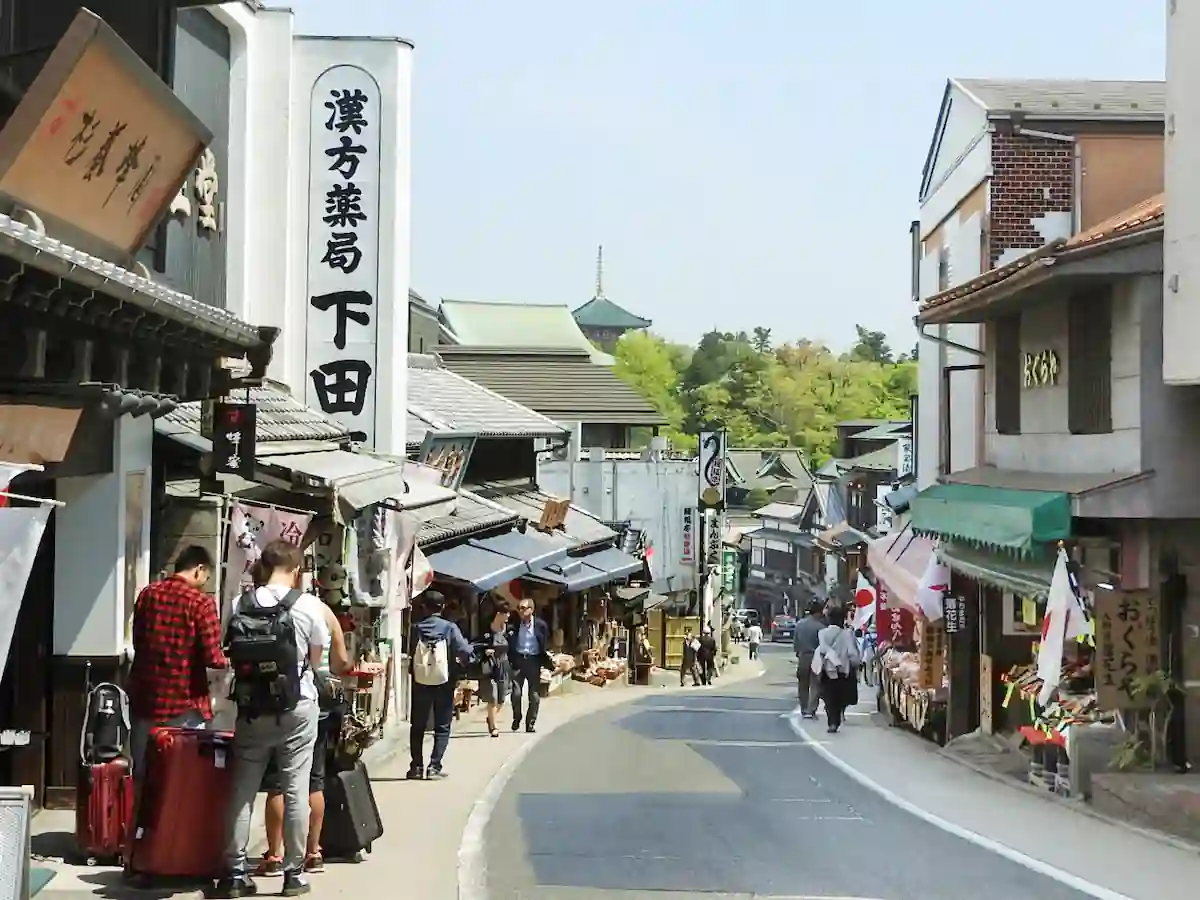
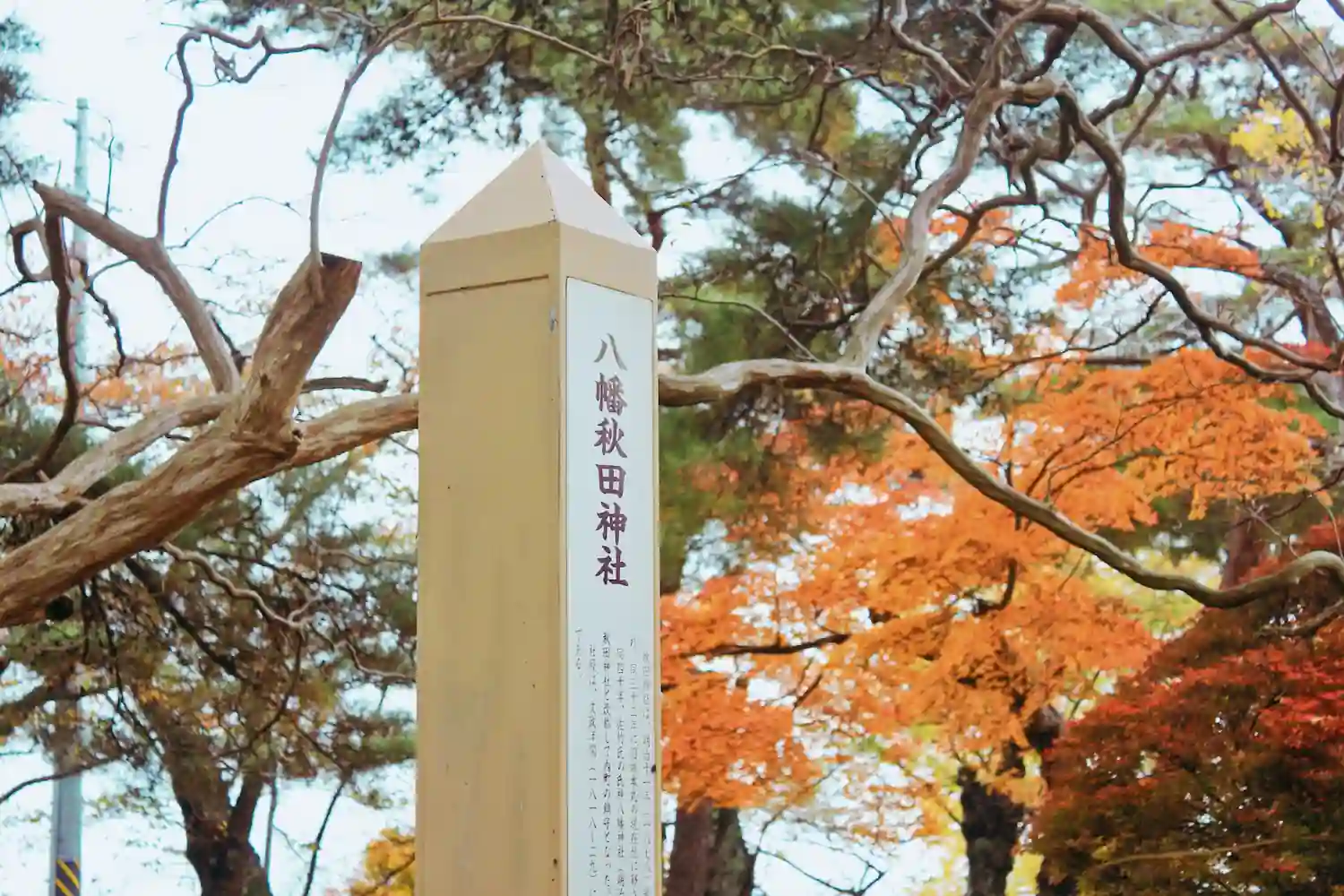
*Image is for illustrative purposes
When people think of Kanto's sake, some may imagine it "loses to Niigata or Tohoku sake." But actually, Chiba's brewery count ranks top-class within Kanto, with about 38 breweries still making sake.
"Chiba sake" doesn't catch on simply due to recognition gaps. Chiba's local sake possesses actual capability arguably among Kanto's finest potential.
SAKE Boom Brings Tailwinds to Chiba!
Recently, Japanese sake (SAKE) has experienced worldwide boom.
2024 sake exports reached 43.47 billion yen (105.8% vs prior year), with 31,000 kL export volume exceeding prior year, reaching record 80 export-destination countries (Source: Japan Sake Brewers Association Central Committee "2024 Sake Export Results"). Particularly America, Korea, and France recorded all-time highs.
Further, in December 2024, Japan's "Traditional Sake Brewing" was registered as UNESCO Intangible Cultural Heritage. This event, recognizing Japan's fermentation culture including sake worldwide, heightens both domestic and international SAKE interest.
Within this trend, Chiba's local sake increasingly gains attention. Chiba hosts Narita International Airport, an international gateway where international visitors easily stop by. SAKE-centered brewery tourism's potential is extremely high, with great prospects for Chiba's future local sake!
Experience Chiba's Sake Story
Each Chiba brewery has a Chiba sake story passed down through generations.
Breweries named "Kinoe" aiming for Kanto's top, those leveraging Kururi's famous water as "heaven's gift," those walking alongside soy sauce culture... Boso Peninsula's local sake culture isn't merely beverages but deeply connects to local history and people's lives.
Breweries preserving Chiba's sake tradition while challenging the modern era share stories enriching drinking experiences. Meeting sake where behind the label you envision brewers' faces and regional landscapes becomes addictive once discovered.
For visiting Chiba breweries, search visitable Chiba breweries at "Kraport," comprehensively covering nationwide brewery information. You'll surely find your "favorite brewery!"
Summary
Chiba is one of Kanto's premier sake regions continuing from Edo! Each of six areas offers different flavors, famous water "Kururi water," prefecture sake rice "Fusa no Mai"... Chiba's local sake overflows with profound appeal. Definitely try Chiba's hidden gem sake once!
*This article uses AI for information organization, writing assistance, and proofreading. The structure and final review are conducted by the Kraport editorial team.