Hokkaido Local Sake Culture: How Frontier History Shaped a Brewing Tradition
Hokkaido's local sake culture has been nurtured alongside the history of settlement. This article explores how the fusion of a frigid climate and immigrant technologies created a unique sake-brewing culture. Understanding Hokkaido's sake culture will deepen your appreciation of every sip!
Mar 29, 2026

When Did Hokkaido's Local Sake Culture Begin? History from the Settlement Era
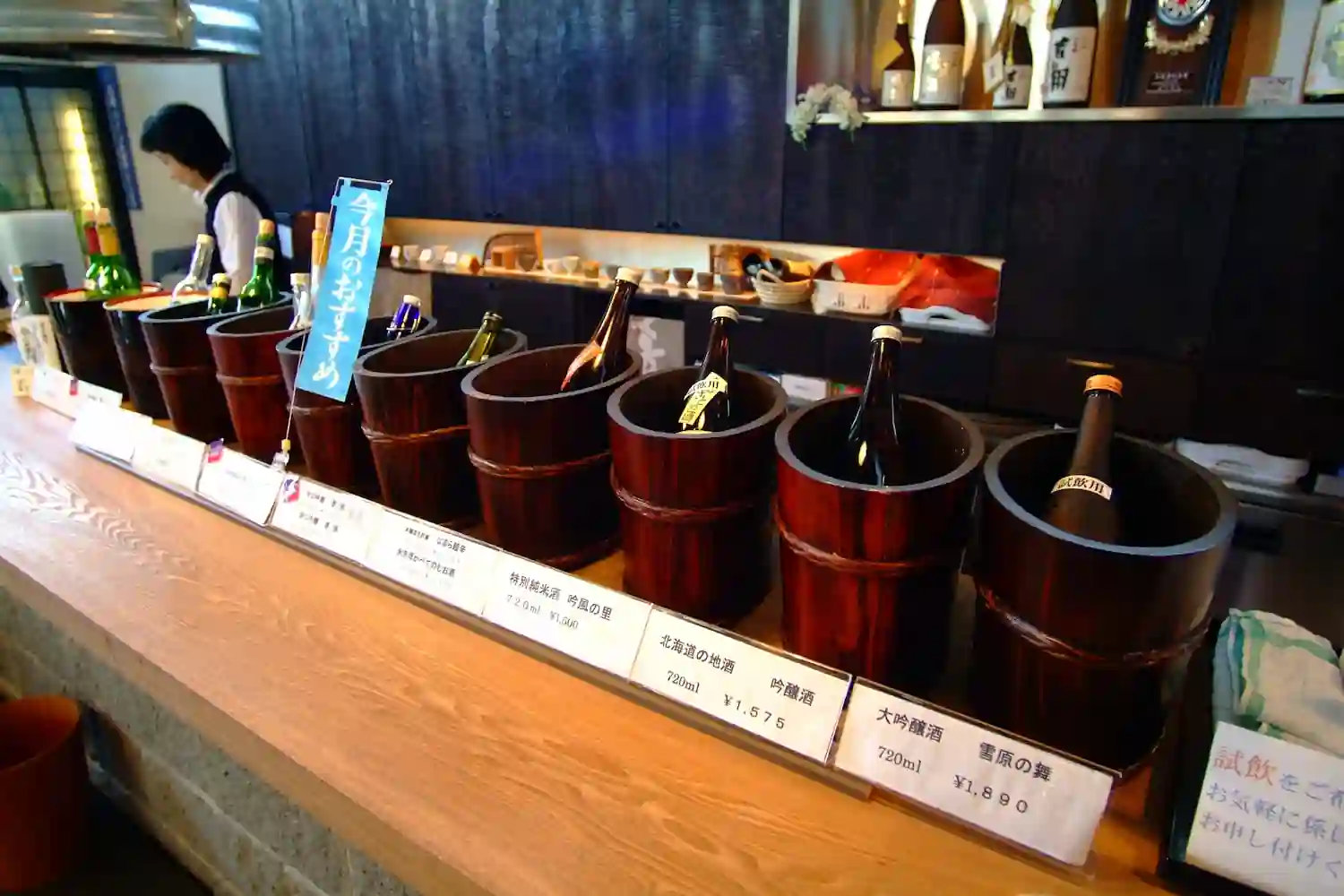
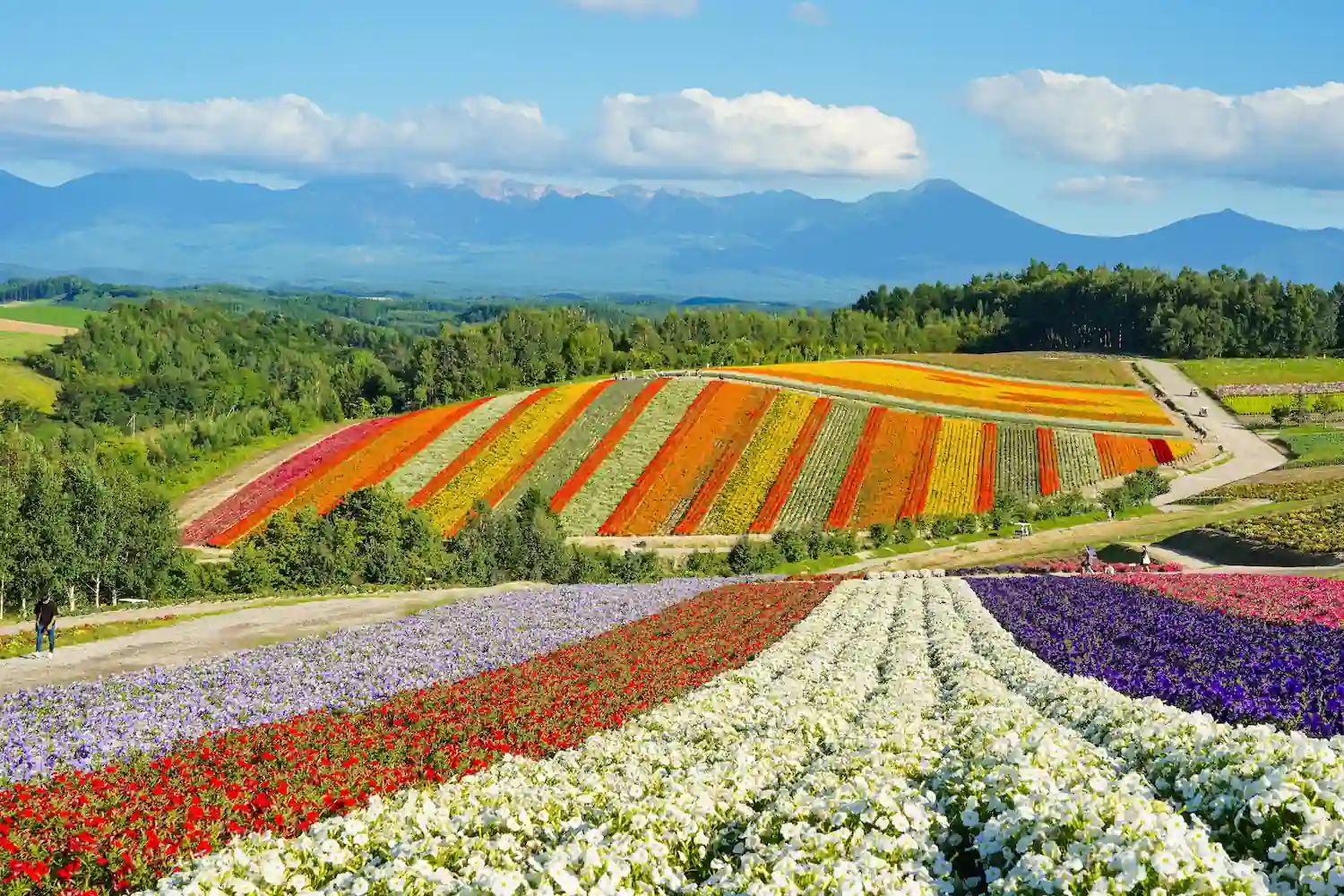
*Image is for illustrative purposes
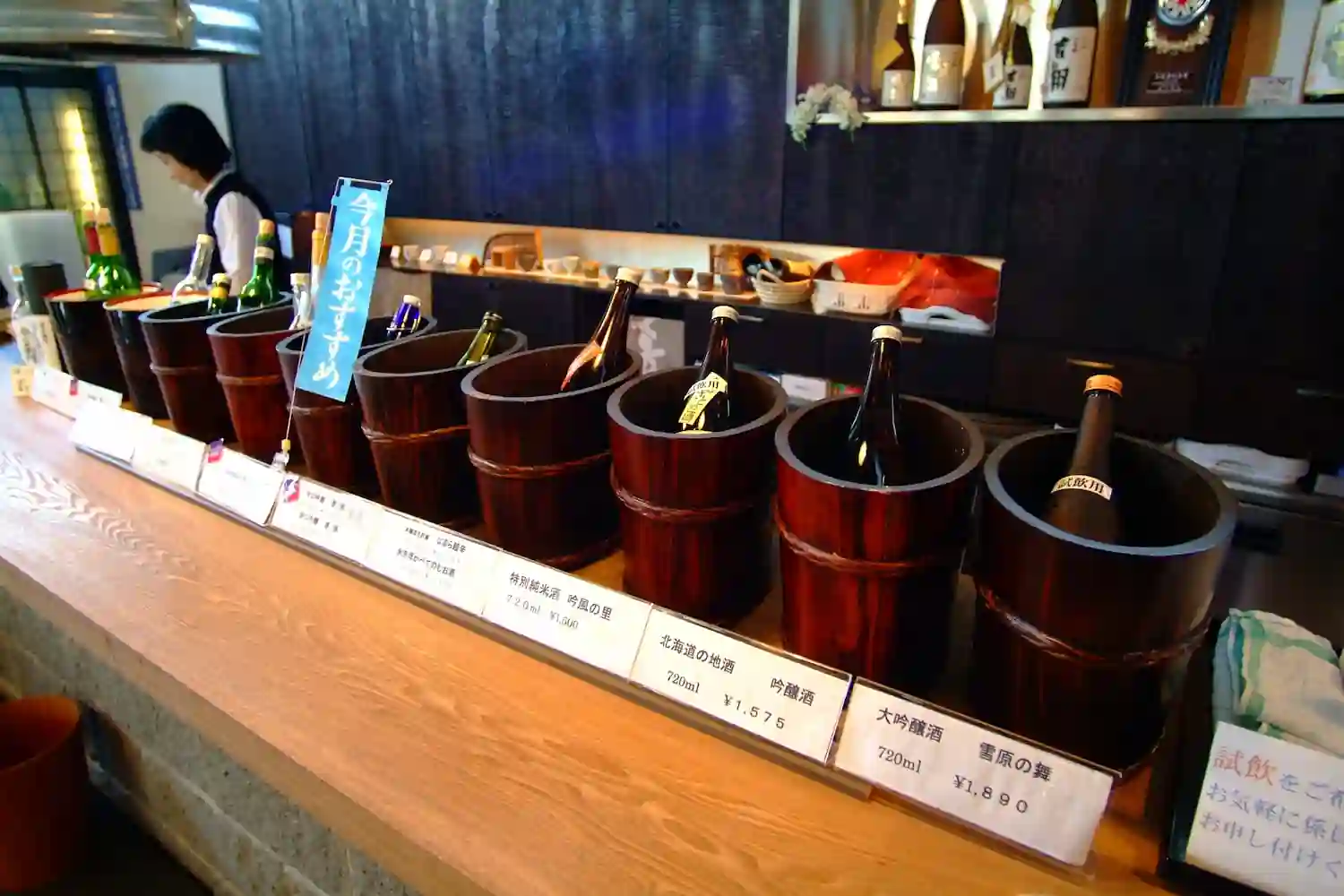
Hokkaido's local sake culture began with the settlement efforts of the Meiji era. Although sake-making is said to have occurred in Esashi, Matsumae, and Hakodate since the Edo period, true sake-brewing culture in Hokkaido commenced after the Meiji Restoration. In 1872 (Meiji 5), Yosshichiro Shibata, who came from Noto, Ishikawa Prefecture, opened a sake brewery along Sapporo's Soseigawa River—marking a major milestone in Hokkaido's sake culture!
As development commissioners were dispatched to Ezo and numerous people migrated from throughout Honshu to this northern land, the population increased, raising demand for sake. For sake production, which takes place during cold seasons, Hokkaido's severe cold actually provided ideal brewing conditions. In Asahikawa, with the settlement of military colonists and the establishment of the Seventh Division, the Taisho era's peak saw 17 breweries providing residents with distinctly individual flavors.
At its peak during the Meiji era, Hokkaido is said to have had 200 to 300 breweries. This number demonstrates how crucial sake production was to Hokkaido's early development! By the Taisho period, locally-produced Hokkaido sake comprised the majority of sake consumed throughout the prefecture—truly a golden age for Hokkaido's local sake culture.
Technology from Honshu and Hokkaido's Unique Innovations
Any discussion of Hokkaido's sake culture must include the fusion of techniques transmitted from Honshu with innovations unique to the northern land. During the settlement era, brewmasters arriving in Hokkaido from various regions brought the sake-making techniques developed in their hometowns.
For example, Asahikawa's Otokoyama Corporation legitimately inherited "Otokoyama," a sake with 350 years of history originally founded by the Yamamoto family in Itami, Hyogo Prefecture during the Edo period. The predecessor Yamazaki Sake Brewery was established in Sapporo in 1887 (Meiji 20) and relocated to Asahikawa in 1899 (Meiji 32). In 1968 (Showa 43), it inherited the legitimate "Otokoyama" lineage, which had been praised as one of the Tokugawa shogun family's official sake, adopting its current corporate name. Thus, Honshu's traditional techniques were carried forward in Hokkaido, forming a new Hokkaido sake culture.
However, simply importing Honshu techniques often proved ineffective in Hokkaido. The greatest challenge was "sake rice," essential for brewing. Sake-suitable rice varieties flourishing in Honshu were difficult to cultivate in Hokkaido's cold climate, so for years, Hokkaido breweries purchased sake rice from Honshu. Driven by the desire to produce truly "local" sake using local rice, Hokkaido's brewmasters nurtured their sake culture.
Hokkaido's cold climate presented both advantages and challenges for sake-making. The severe cold of the brewing season provided ideal conditions for slow fermentation in sake production. However, it also required innovations in equipment and technique. Each brewery, building on Hokkaido's historical sake-making foundations, established unique brewing traditions leveraging the region's cold-climate advantages.
During the coal-mining boom, breweries in the Sorachi region sustained local sake demand. Kobayashi Sake Brewery (Kuriyama Town), founded in 1868 (Meiji 11), embodied the pioneer spirit in its brand "Kita no Nishiki" (Hokkaido's Brocade), earning love from many people. This regionally-rooted Hokkaido sake history forms the foundation of today's brewery culture.
As time progressed, declining interest in sake reduced the number of breweries from over 200 to fewer today. However, recent years have seen new breweries like "Kamikawa Daisetz Sake Brewery," "Sansen Sakura Brewery," and "Hakodate Brew" emerge, drawing attention to Hokkaido's sake culture that honors tradition while pursuing new challenges. In February 2021, "Hakodate Brew" was born in the southern Hokkaido region for the first time in 84 years, prioritizing regionally-rooted sake brewing and producing the light, flavorful "Kyoho" (Local Treasure).
Hokkaido's local sake culture has been nurtured through settlers' accumulated challenges and innovations. Honshu's traditional techniques fused with Hokkaido's unique environment, creating today's diverse sake culture!
The Cold Climate Nurturing Hokkaido's Sake-Brewing Culture
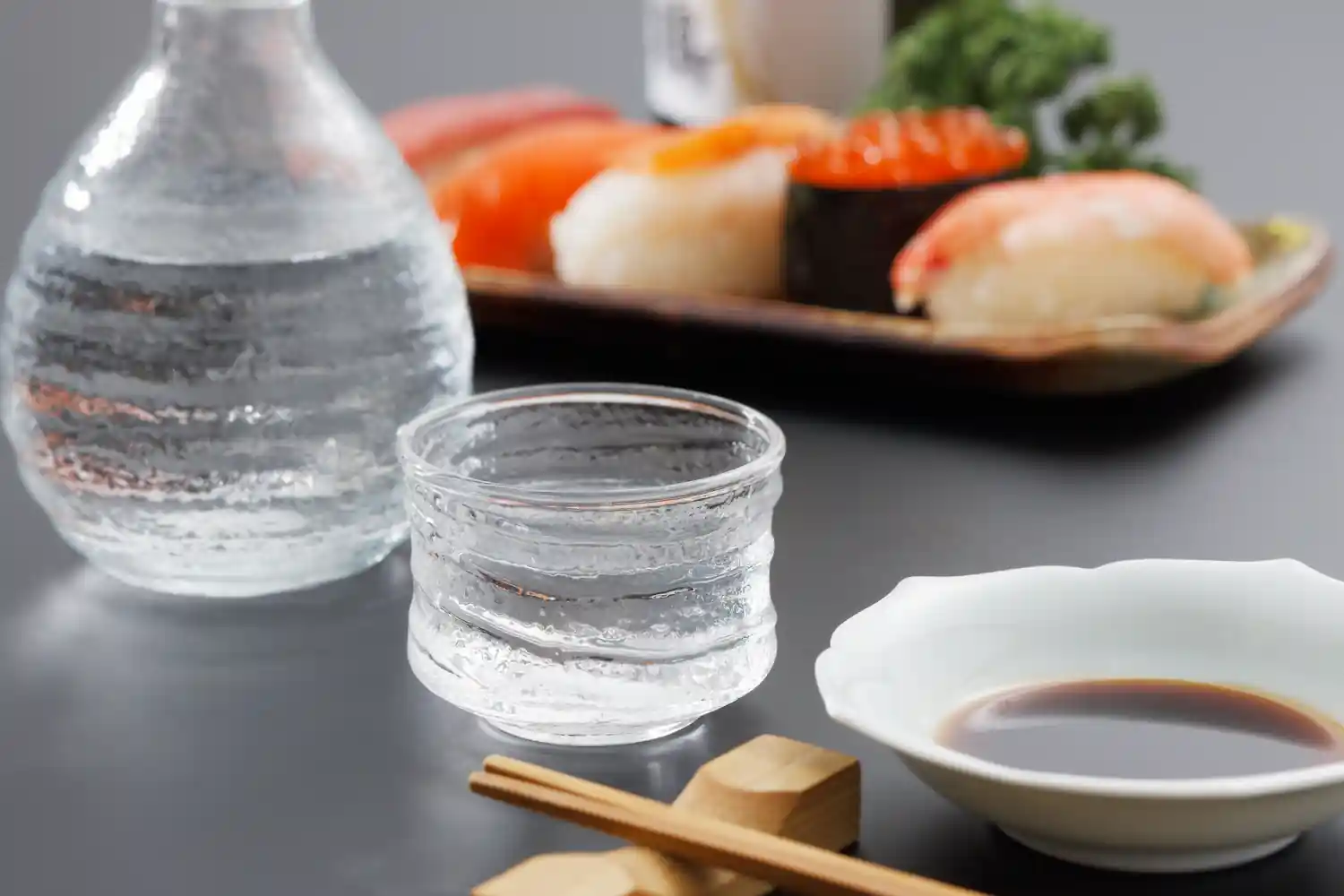
*Image is for illustrative purposes
Discussing Hokkaido's sake culture requires acknowledging this land's unique environment. Clear water flowing from the Daisetsuzan and Hidaka mountain ranges, severe winter cold, and rice cultivated across vast lands—these elements all shape Hokkaido's sake background!
Much of Hokkaido's sake has traditionally featured "light and dry" flavors. As Hokkaido is surrounded by sea, abundant seafood graces tables, leading to preference for crisp sake pairing with this food culture. However, recent years show emerging full-bodied, rich sake alongside diversifying food preferences, continuously expanding Hokkaido sake's range.
Hokkaido's abundant water is sake-making's greatest blessing. Spring water sourced from Daisetsuzan's perennial snow is characteristically mineral-rich while predominantly soft water. For instance, Otokoyama's brewing water comes from Daisetsuzan spring water, blessed with an ideal cold climate optimal for clear sake fermentation. At Masshike Town's Kokki Sake Brewery, spring water from Shokanbetsudake provides soft water with low hardness, lending gentle flavor. Kamikawa Daisetz Brewery's Ryokuka Cellar (Kamikawa Town) uses ultra-soft water at 28 mg/L hardness, featuring silk-like smoothness—exquisite mineral balance where substantial volume somehow glides smoothly down the throat. Conversely, Kamikawa Daisetz's Bekiu Cellar in Tokachi uses medium-hard water (103 mg/L hardness) from the Satsunai River system, sourced from the Hidaka Range, producing robust, crisp "manly" sake. This demonstrates how water quality varies even within Hokkaido, with regional individuality reflected in sake flavors—a fascinating aspect of Hokkaido sake-making history!
Natural Environment Supporting Hokkaido's Local Sake
Another crucial element supporting Hokkaido's sake culture is sake rice cultivation. For years, Hokkaido breweries faced a major challenge—the absence of locally-grown sake-suitable rice. Although sake brewing requires specialized rice, Honshu varieties struggled in Hokkaido's cold climate, forcing many breweries to purchase sake rice from mainland Japan.
However, people's passionate desire to "brew Hokkaido sake from Hokkaido rice" bore fruit, ultimately creating Hokkaido's unique sake-suitable rice! In 1998 (Heisei 10), Hokkaido's first sake rice variety, "Hatsushizuku" (First Drop), began cultivation. This was followed by "Ginpu" (Silver Wind) in 2000 (Heisei 12), "Suisei" (Comet) in 2006 (Heisei 18), and "Kitashizuku" (Hokkaido Drop) in 2014 (Heisei 26)—successive varieties adapted to Hokkaido's climate.
Currently, three sake rice varieties—"Ginpu," "Suisei," and "Kitashizuku"—are cultivated throughout Hokkaido. Since lower protein content indicates higher sake rice quality, Hokkaido's rice boasts protein levels rivaling Honshu varieties, with increasingly more breweries nationwide preferring Hokkaido sake rice!
"Ginpu" features pronounced, clear shinpaku (white core), promising rich sake. This pioneering variety sparked the expansion of Hokkaido rice-based brewing. "Suisei" is characterized by low protein content indicating quality sake rice, promising light-flavored sake. Its heavy single-grain weight, large grain size, and high yield are also appealing. "Kitashizuku" combines "Ginpu's" high shinpaku expression with "Suisei's" high single-grain weight—truly capturing both strengths, promising low off-flavors and gentle-tasting sake.
Among brewmasters, phrases like "Ginpu's taste" and "Suisei's crispness" reflect each variety's recognized character. When handled by skilled toji, these rice varieties produce distinctive Hokkaido sake: "Ginpu yields abundant, plump flavor," "Suisei offers crisp clarity pairing easily with food," and "Kitashizuku combines both varieties' strengths, offering rich sweetness with distinctive character."
Hokkaido's severe cold is also crucial for brewing. Since sake fermentation occurs during cold seasons, Hokkaido's winter climate provides ideal conditions. In ultra-cold areas like Kamikawa Town, with average annual temperatures of 5.3°C, natural air-cooling by hand proves possible without mechanical refrigeration, allowing slow, gradual fermentation development. This frigid environment creates delicate, profound flavors.
The Sorachi region, a major rice-producing area, and towns like Shintotsukawa, called "sake rice country," produce approximately 40% of Hokkaido's sake rice. Face-to-face sake-making with local farmers occurs. Discussing with sake rice farmers reveals how each grain is lovingly cultivated. Receiving these grains, breweries passionately work to create delicious sake—this represents the true essence of Hokkaido's brewery culture!
Currently, all breweries producing sake belonging to the Hokkaido Sake Brewing Association use Hokkaido-grown sake rice. Sake-suitable rice production comprises only about 1% of national rice production; Hokkaido varieties represent merely 0.02%—exceedingly precious. This is why "all production, rice, and water originating from Hokkaido" represents sake among sake, drawing nationwide sake enthusiasts' attention to Hokkaido's local sake story.
Blessed with both sea and mountain bounty, Hokkaido enables matching experiences: breweries near the sea pair with seafood, inland breweries with meat and vegetable dishes. Hokkaido's sake culture, connected with each region's food traditions, continues developing today.
Hokkaido's sake improves yearly and gains national reputation. Those interested in Hokkaido's local sake culture should visit local breweries. Many welcome tours and tastings, allowing direct connection with brewmakers' visions.
Summary
Hokkaido's local sake culture is a narrative woven from settlement history and environmental conditions. Please experience the unique sake culture nurtured within this harsh natural environment!
*This article uses AI for information organization, writing assistance, and proofreading. The structure and final review are conducted by the Kraport editorial team.