Tochigi Sake: Water Quality, History & Local Flavors Made Clear
Do you know what characterizes Tochigi's sake? Surrounded by the natural beauty of Nikko and Nasu, Tochigi is actually a well-kept secret sake-producing region. Many of the region's local sake feature a "rich, sweet" flavor profile where the umami of rice spreads gently across the palate—a distinctively individual taste compared to other Kanto sake. With a history spanning over 300 years while continuing to evolve, Tochigi's sake-making tradition is explained clearly in this article, which covers characteristics, flavors, water quality, tradition, and noteworthy brands for first-time drinkers!
Mar 29, 2026

Flavor Characteristics of Tochigi's Sake
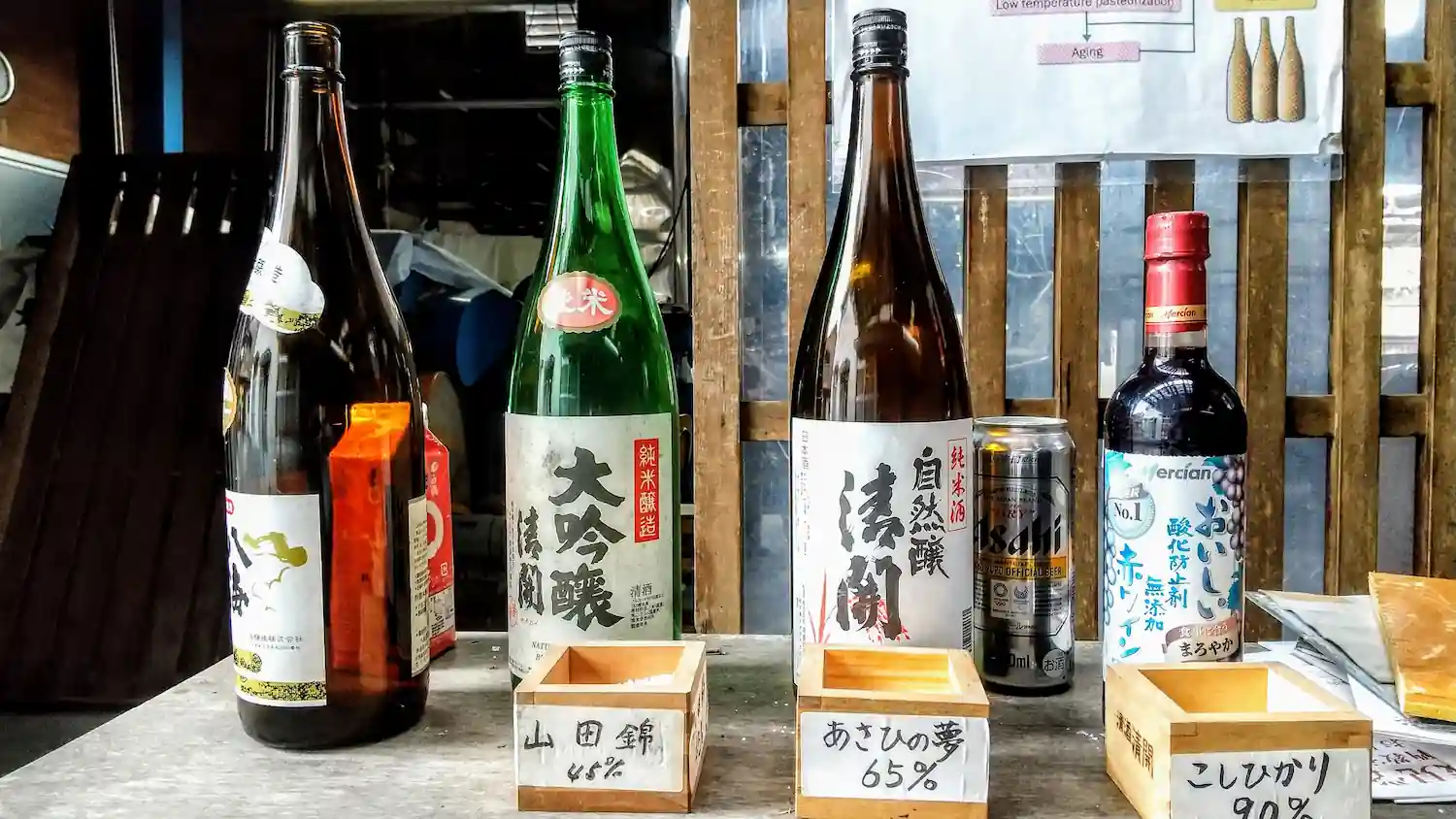
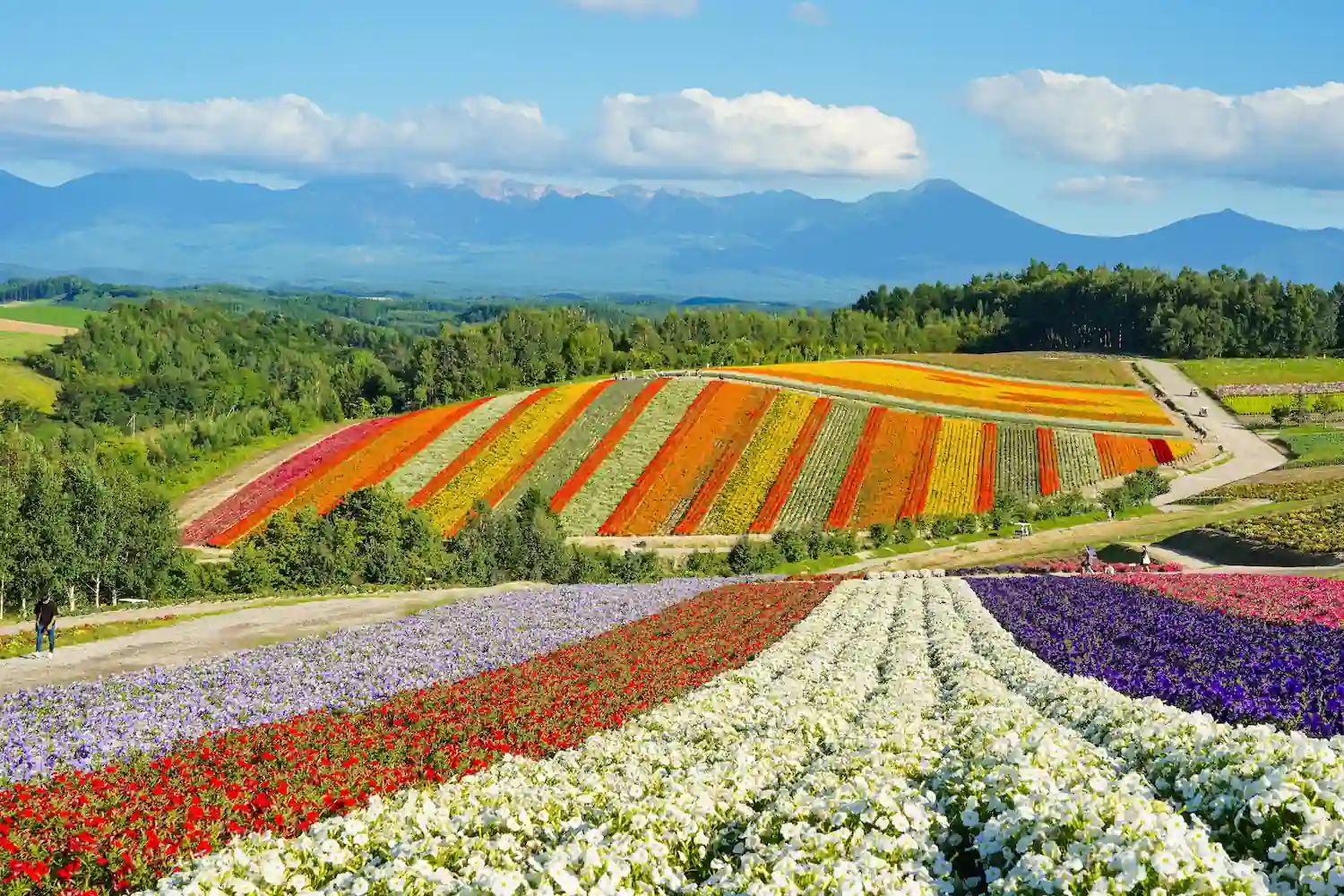
*Image is for illustrative purposes
The defining characteristic of Tochigi's sake is, in short, "rich and sweet." It features rice umami and subtle sweetness that fills the entire palate—a rich, satisfying flavor profile. Even those unfamiliar with sake will find it easy to appreciate, with complex and deep local sake varieties.
Additionally, in recent years, Tochigi breweries have actively pursued fruity sake production, with an increasing number of brands featuring fresh, fruit-like aromas. If you think "sake might not be for me," this is definitely a region worth trying!
Distinctly Prominent Rice Sweetness and Umami in Kanto
When many people think of Kanto sake, they often envision crisp, clean, "light and dry" varieties. However, Tochigi's sake is somewhat different.
While neighboring Ibaraki and Gunma produce light, dry sake, Tochigi's local sake stands out for its depth of flavor. This is said to be influenced by Tochigi's food culture, which favors rich, hearty dishes. It pairs wonderfully with Tochigi specialties like gyoza, simmered dishes, and beef preparations!
You might wonder: "What determines the sweetness or dryness of sake?" The sweetness or dryness of sake is determined by how much sugar remains during the fermentation process. More residual sugar results in sweeter sake, while nearly complete sugar depletion produces dry sake. The unique combination of Tochigi's climate, water quality, and brewing technique creates that distinctive sweetness and umami.
Of course, Tochigi produces some crisp, dry sake varieties as well. You can determine if a sake is sweet or dry by checking the "Sake Meter Value" printed on the label. A positive number indicates dryness, while a negative number suggests sweetness—so be sure to check!
How does Tochigi's local sake differ from other Kanto prefectures?
Kanto sake generally shows these trends:
Prefecture | Flavor Trend |
|---|---|
Ibaraki | Predominantly light and dry |
Gunma | Predominantly light and dry |
Tochigi | Centered on rich, sweet varieties. Many fruity brands available |
Saitama | Light and dry to medium |
One appealing characteristic of Tochigi is its abundance of fruity brands. Sake with sweet, fresh aromas reminiscent of fruit juice are popular. It's easier to recommend to those who think "sake isn't for me," with plenty of approachable local sake offerings!
Tochigi's sake also excels as a "food-pairing wine." Its rich flavors truly shine when paired with hearty dishes. Try pairing it with Tochigi specialties like yakitori (grilled chicken), Utsunomiya gyoza (dumplings), and Nasu beef dishes to experience the full potential.
Tochigi's Water Quality and Sake Rice Supporting Brewing
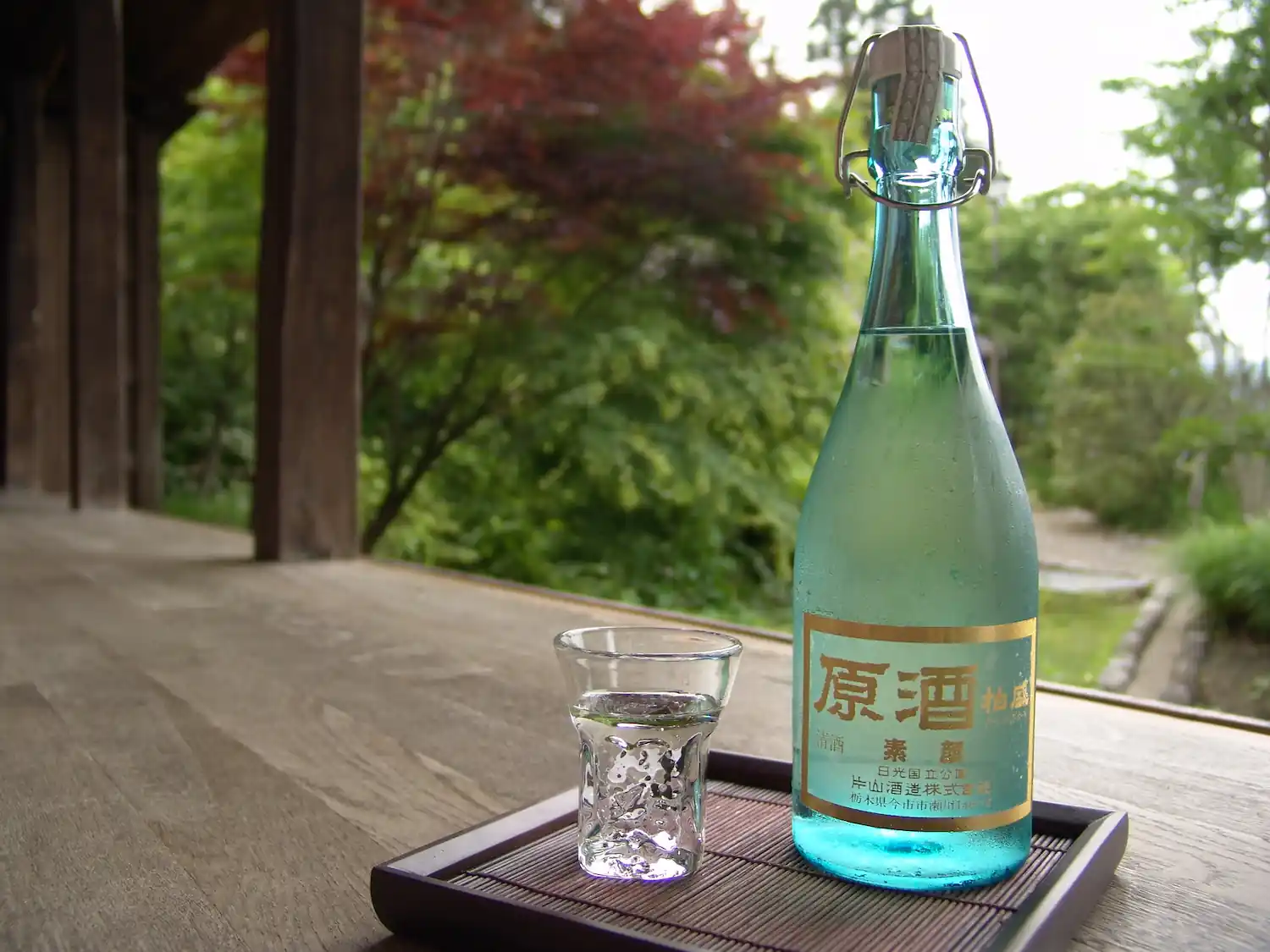
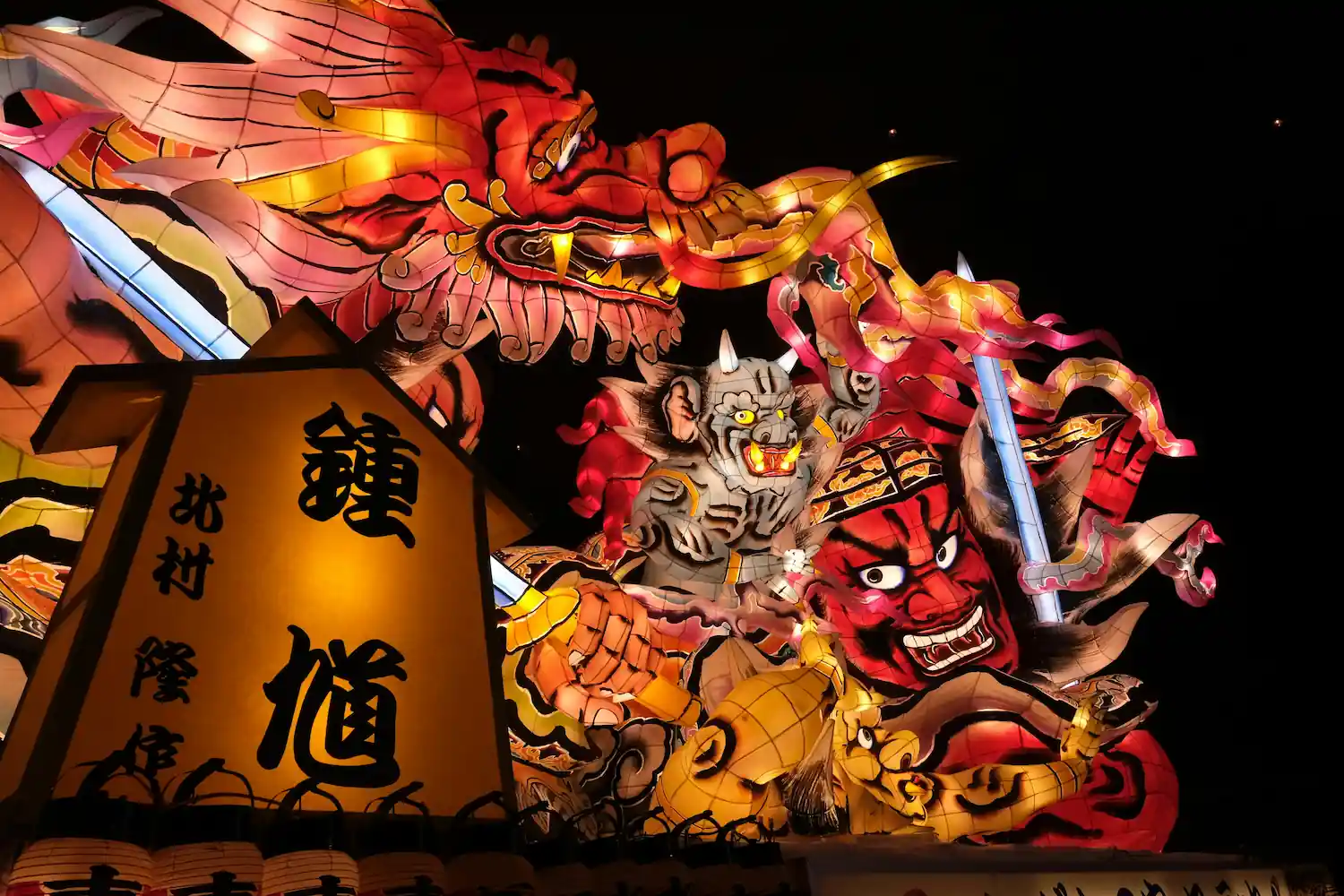
*Image is for illustrative purposes
High-quality water and rice are essential to crafting delicious sake. Tochigi is exceptionally blessed with both of these crucial ingredients!
It's often said that "ultimately, any sake is determined by its water and rice." The confidence Tochigi breweries have in their local sake stems from this abundant natural bounty.
Tochigi's Water Power: Selected Among Japan's One Hundred Best Waters
Water comprises over 80% of sake's ingredients. Water quality directly influences the taste of the finished sake.
Multiple rivers flow through Tochigi Prefecture—including the Kinugawa, Naka, and Watarase rivers—nurturing water through rich natural surroundings. The "Shoniinsawa Spring Group" in Shioya Town was recognized as one of Japan's One Hundred Best Waters. Additionally, the spring water formed by snowmelt from the Nikko mountain range seeping underground, known for its balanced mineral content, is recognized as ideal for sake production.
Sake-brewing water comes in two types: "hard water" and "soft water." Hard water, rich in minerals, promotes vigorous fermentation, resulting in crisp, dry sake. Conversely, soft water, with fewer minerals, allows gentle, gradual fermentation, producing smooth, mellow sake. Most Tochigi breweries use the soft spring water flowing from the Nikko and Nasu mountain ranges. This creates the signature "soft, smooth mouthfeel" unique to Tochigi sake.
Now you can understand why Tochigi breweries prioritize "sake that maximizes the blessings of water!"
Tochigi-Born Sake Rice: "Tochigi Sake 14" and "Yume Sasara"
Recognized as a rice-producing region, Tochigi has also developed original sake rice varieties. Sake rice refers to rice specially developed for sake brewing. These grains are typically larger than table rice and contain less protein.
Tochigi Sake 14 was born in 2004 as a Tochigi sake rice variety. After an extended development period involving repeated crossbreeding with "Yamada Nishiki," the king of sake rice, it was completed. Its large grains suit high-polishing techniques, making it frequently used in premium sake like daiginjo. It represents a variety embodying "local production, local consumption" sake-making.
Yume Sasara is a relatively newer sake rice developed in 2018. With low protein content, it facilitates the creation of clean, clear-tasting sake. It's also disease-resistant and easy to cultivate, so many breweries have adopted it. The name "Yume" (dream) embodies hopes for Tochigi's sake-brewing future, creating a sense of anticipation!
Increasingly, breweries are emphasizing local-sourced water and rice—a defining characteristic of today's Tochigi sake scene. When you imagine which rice was cultivated where and what water was used, your enjoyment of sake deepens significantly.
Over 300 Years of Tradition: Tochigi's Sake-Making Heritage and the "Shimotsuke Toji"
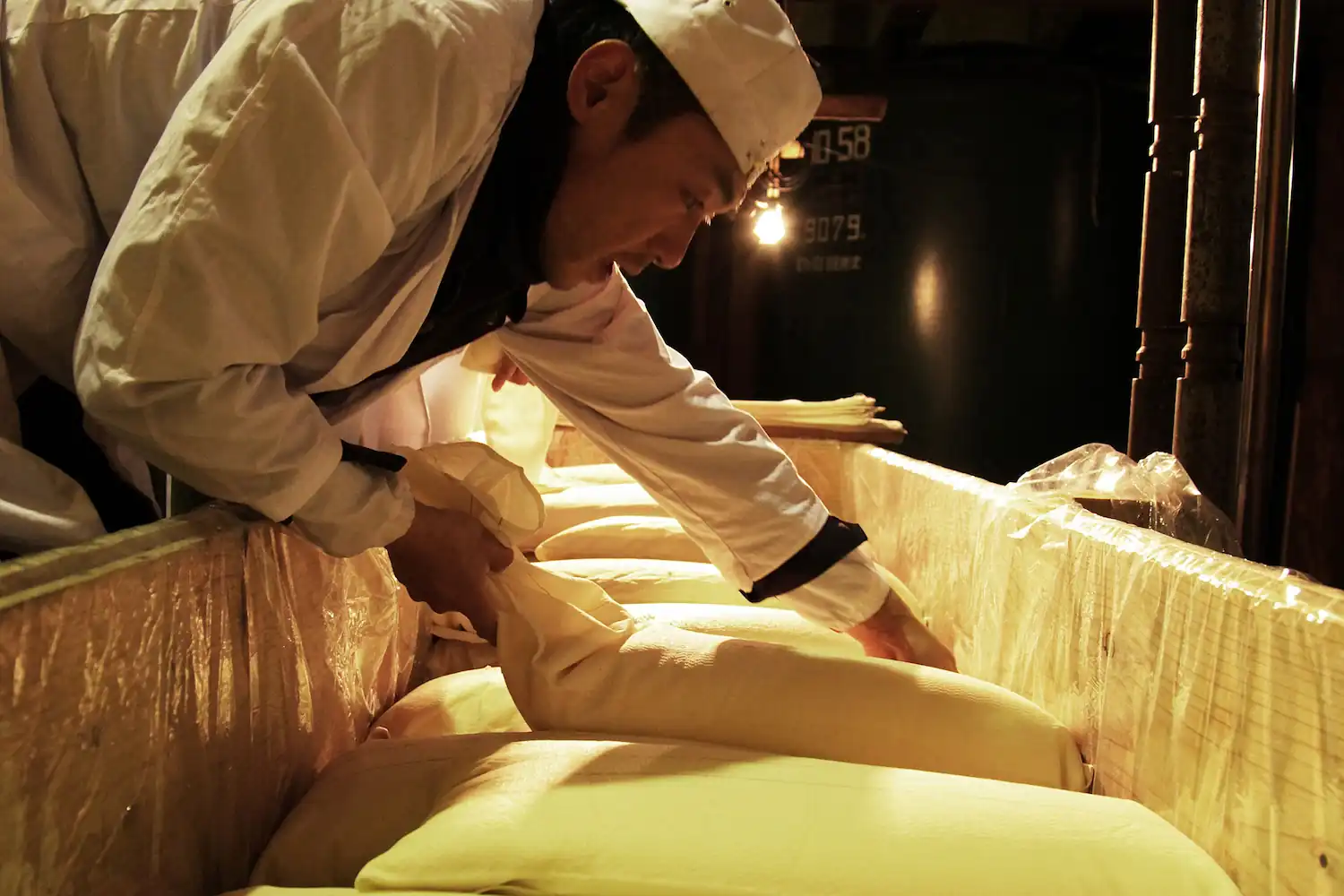
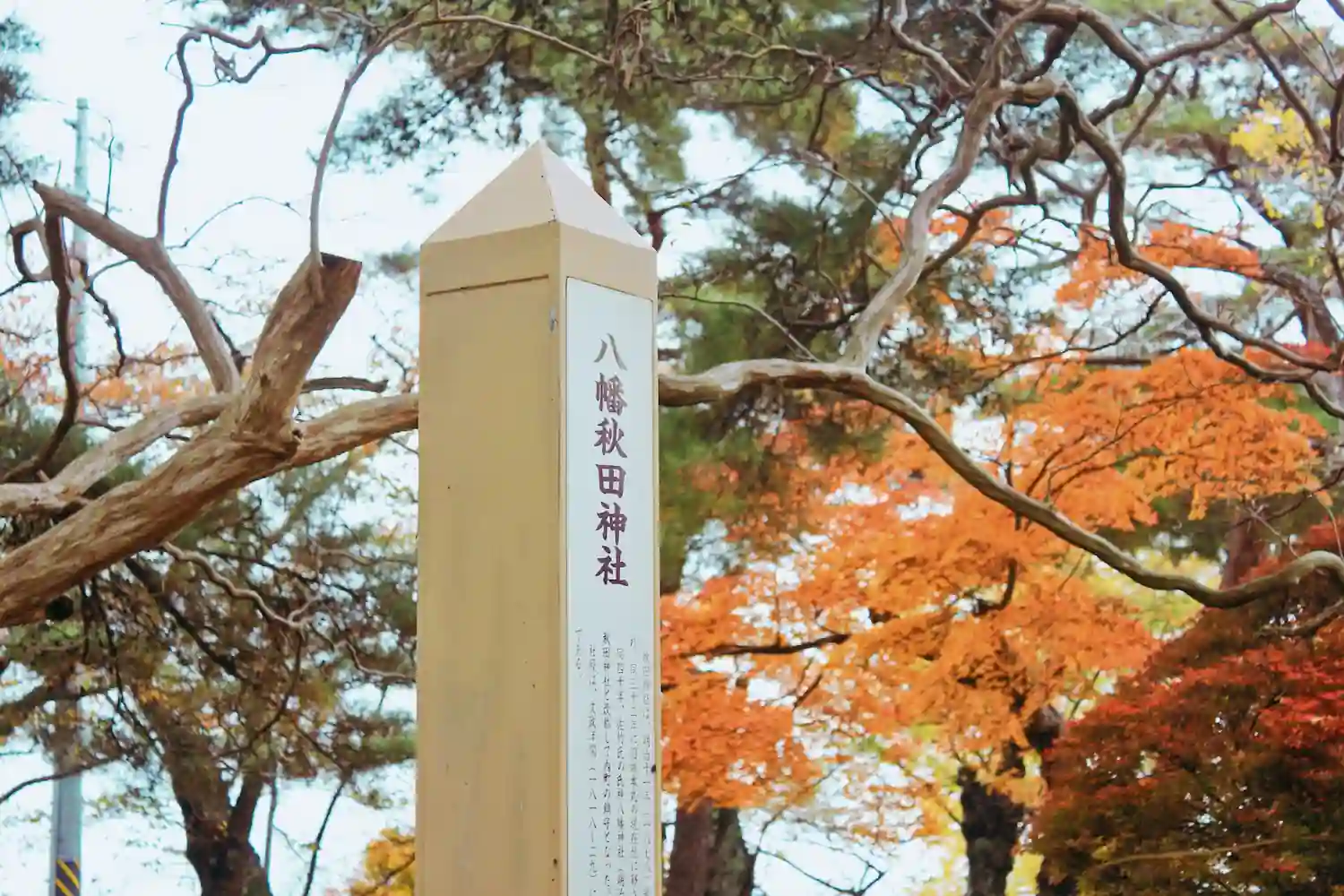
*Image is for illustrative purposes
Tochigi's sake-brewing history stretches back over 300 years. While preserving long-standing traditions, the prefecture's breweries are blazing new paths with young talent. At the center of this movement is the "Shimotsuke Toji," a group of master brewers.
Today's Tochigi breweries represent a place where time-honored traditions intersect with fresh innovation. Understanding this history deepens your appreciation of every sip.
Tochigi's Sake-Making History: Beginning in the Edo Period
Tochigi's sake production traces back to the Edo period.
It is believed that merchants from Omi recognized Tochigi's abundant rice and clear water, bringing advanced Kansai brewing techniques to initiate sake production. In Nikko, sake-brewing culture flourished as a way to welcome pilgrims visiting Nikko Toshogu Shrine, with brands like "Nikko Homare" maintaining long histories.
Nikko Toshogu Shrine was a major pilgrimage destination throughout the Edo period, drawing visitors from across the nation. Local breweries created sake using regional water and rice to welcome these pilgrims—a development that marks one origin point of Tochigi's sake-brewing culture. From the perspective of "Nikko, sake, and culture," Tochigi's local sake carries remarkably interesting history.
Today, Tochigi maintains approximately 30 breweries (according to local guides), each crafting sake with unique traditions and dedication. Many long-established breweries remain, including Daiichi Sake Brewery ("Kaiwa" brand), founded in 1673. The fact that these centuries-old breweries continue producing sake today reflects the pride and passion Tochigi devotes to sake-making.
Tochigi-Born Master Brewer Group: The "Shimotsuke Toji"
A toji is the leader of the sake-brewing craftspeople at a brewery. They develop brewing strategies, oversee the brewing team, and determine the quality of the final sake—a critically important role.
Historically, Tochigi breweries invited toji from other regions like Echigo and Nanbu. However, driven by the desire to "develop Tochigi's unique sake-making tradition!" young local brewers united to establish the "Shimotsuke Toji."
The Shimotsuke Toji system, established in 2006 by the Tochigi Sake Brewing Association, certifies craftspeople through rigorous examination. It has become equally prominent alongside historically renowned toji groups like the "Echigo Toji," "Nanbu Toji," and "Tamba Toji."
The Shimotsuke Toji's distinguishing feature is its predominance of younger-generation master brewers who actively incorporate new techniques and sensibilities. Their work shines in novel approaches like fruity sake production and utilization of sake rice cultivated through natural farming methods. The fusion of young-generation flexibility with traditional brewing mastery has become one reason Tochigi's sake-making is so exciting today!
The "New Generation Tochigi Sake Shimotsuke Toji New Sake Presentation" event is held annually in Tokyo and other cities, drawing nationwide sake enthusiast attention. If you're interested in Tochigi local sake, these events are worth attending!
Three Notable Tochigi Sake Brands
Once you understand Tochigi's sake characteristics, you'll want to try some! Here are three brands recommended for those new to Tochigi local sake. All are readily available through sake specialty shops and online retailers.
Senkin /Senkin Brewery(Sakura City) A historic brewery established in 1806 during the late Edo period. Its distinctive flavor combines grapefruit-like refreshing acidity with fruity sweetness. It's brewed using "Domaine Sakura Yamada Nishiki," premium sake rice cultivated on the brewery's own fields in Sakura City—truly sake born from Tochigi's earth! Even those who previously thought sake wasn't for them often find themselves impressed by how approachable it is—a perfect introduction.
Hoou Biden /Kobayashi Sake Brewery(Oyama City) Established in 1872 (Meiji 5). Known for meticulous sake-making using Nikko mountain range spring water and organically-grown rice from local farmers. Its exquisite balance of vibrant fruitiness and solid umami creates a rich aroma reminiscent of eating fruit. The brewery's dedication to careful craftsmanship shines through in their labor-intensive "moromi press" and "drop pressing" finishing methods!
Shichisui /Toraya Honten(Utsunomiya City) A historic brewery established in 1788 by an Omi merchant in Utsunomiya. The name "Shichisui" (seven waters) comes from the brewery's tradition of using one of Utsunomiya's seven famous waters since its founding. The abundant flavor and aromatic richness of pure rice sake make it ideal for leisurely enjoying with meals. Long cherished as Utsunomiya's representative local sake.
Those interested in visiting Tochigi breweries in person and experiencing the sake-making process firsthand can search Kuraport's comprehensive brewery directory to find breweries offering tours!
Summary
Tochigi's sake is characterized by rich, sweet local sake supported by abundant water and rice. It represents a fascinating sake region where Edo-period traditions fuse with innovation from the Shimotsuke Toji master brewer group.
Start by sampling signature brands like Senkin, Hoou Biden, and Shichisui. Visiting breweries in person to experience the sake-making process is also highly recommended. Tochigi's local sake world grows more profound with each bottle, offering endless enjoyment!
*This article uses AI for information organization, writing assistance, and proofreading. The structure and final review are conducted by the Kraport editorial team.