Tokyo Sake: Discovering the Hidden Local Brew Culture of Tama Region
"Are there sake breweries in Tokyo?" This article is for those thinking that way! Actually, Tokyo has sake brewing culture with over 300 years of history. Centered on the Tama region, local sake is still made using clear spring and underground water, with Tokyo sake's flavor possessing unique character unlike other regions. This article introduces Tokyo's sake characteristics, history, and representative brands in an easy-to-understand way for beginners! Please explore the story of SAKE born in Tokyo.
Mar 29, 2026

Did You Know There Are Sake Breweries in Tokyo?
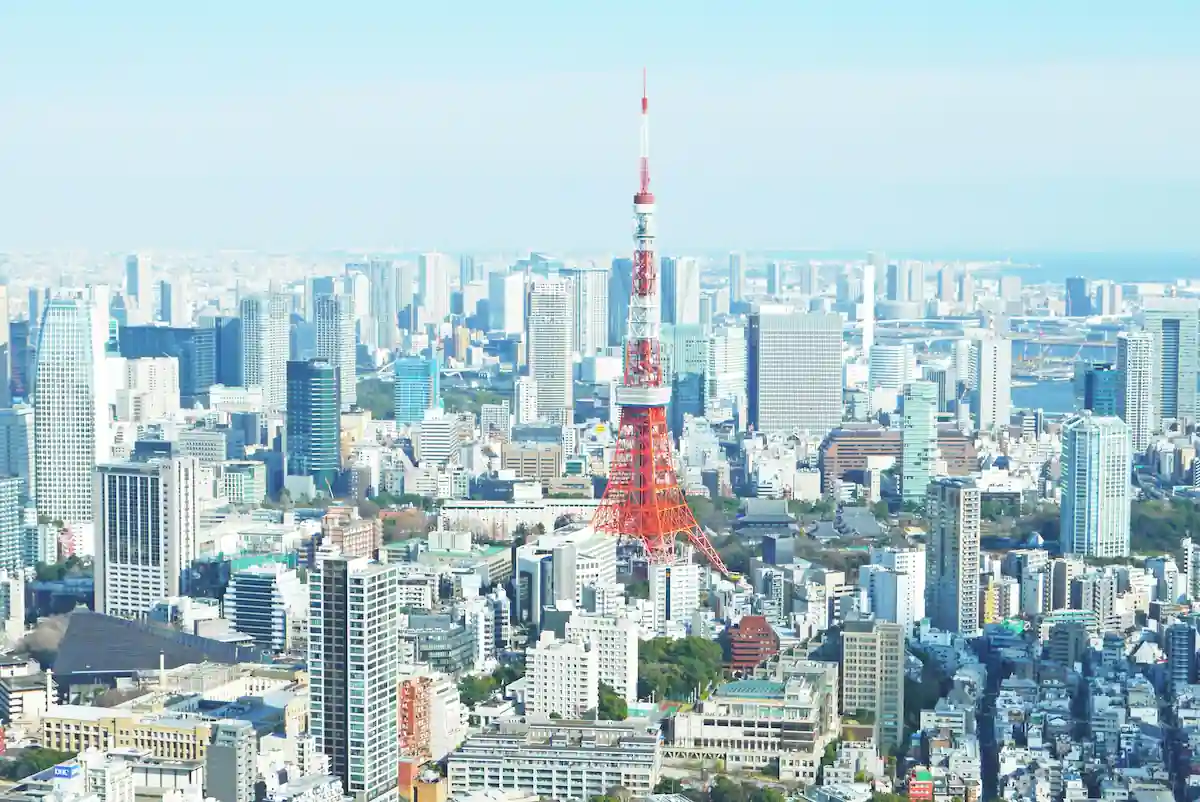
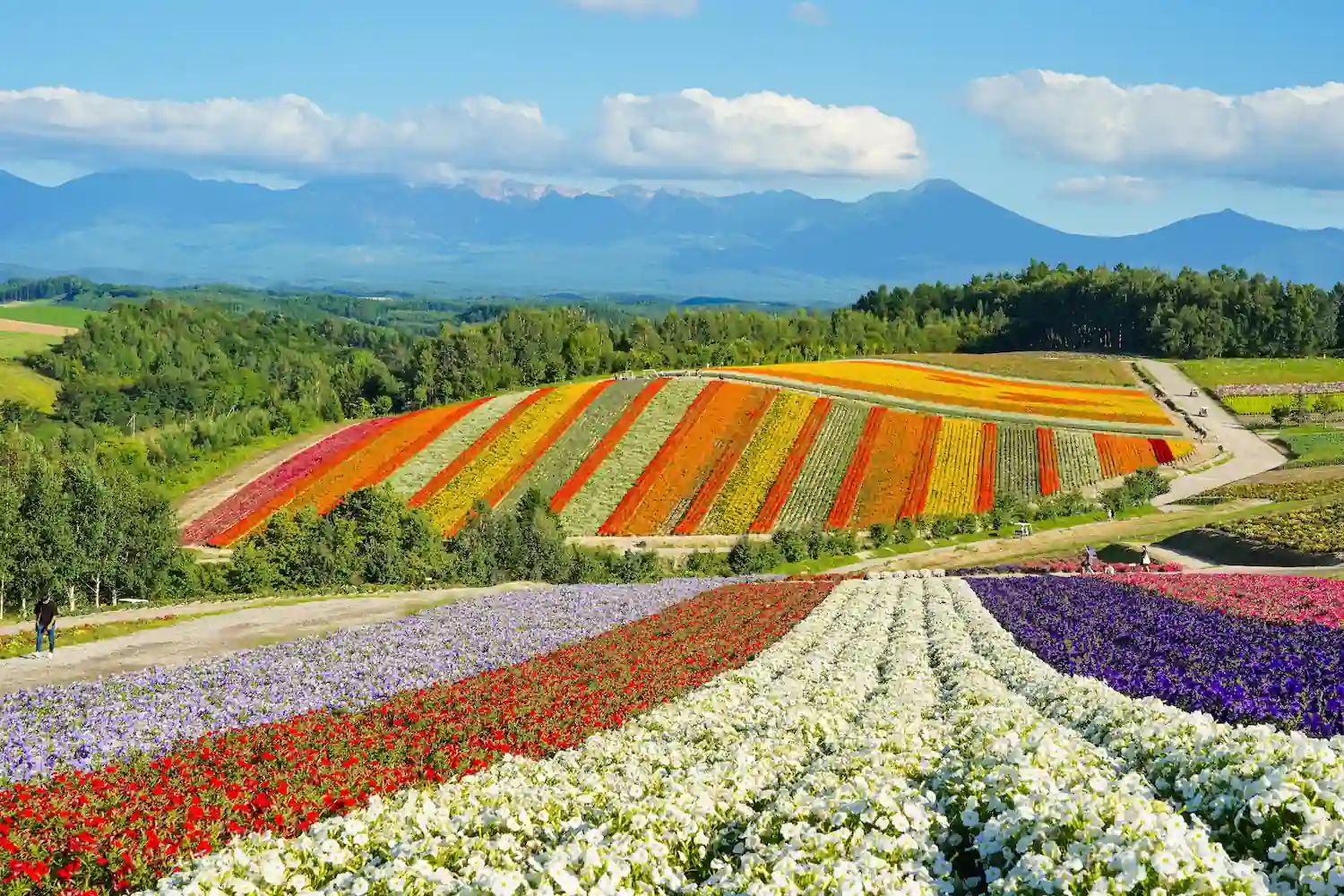
*Image is for illustrative purposes
When you hear "Tokyo," you probably imagine busy buildings and bustling shopping districts, right?
But actually, Tokyo still has breweries making sake! According to the Tokyo Brewers Association, there are 10 sake breweries in Tokyo: one in the 23 wards and nine in the Tama region (Source: Tokyo Brewers Association "Brewery List").
Breweries are concentrated in the western area surrounded by the Tamagawa water system's abundant nature, with Ome City, Fussa City, Akiruno City, and Higashiyamato City being the centers. It's surprising that such wonderful breweries exist just about an hour by train from Shinjuku and Shibuya!
While Nada (Hyogo) and Fushimi (Kyoto) are famous sake regions, Tokyo actually has its own distinctive local sake culture rooted here. Here exists an interesting SAKE world unique to Tokyo where city and nature coexist.
Tokyo's Sake Brewing History—Over 300 Years of Sake Culture
Tokyo's sake brewing history dates back, according to one theory, to Genroku 15 (1702). Old documents remain showing the shogunate conducted "sake inspections," revealing that sake brewing occurred in the Tama region during this period (Source: Tama Tourism Information Site "Ima Tama").
During the Edo period, the Tama region was under direct shogunate control (shogun's territory). Village headmen undertook sake brewing, marking the beginning of Tokyo's sake history (Source: Local Sake Breweries Association "Tamura Sake Brewery Heritage Journey").
In Edo's bustling streets, "downriver sake" shipped from the Kansai region (present-day Osaka and Hyogo) was hugely popular. Nada sake especially was loved by Edo townspeople as "the epitome of luxury goods."
Meanwhile, "local surrounding sake" made in Tama and Musashino was characterized by simple umami and rich depth, appreciated by common people. This Edo sake brewing tradition has been continuously inherited as Tama's local sake culture today, transcending time.
Tokyo's sake history length cannot be separated from the Tama region's abundant natural environment. Clear water and cool climate provided essential sake brewing conditions, a major reason breweries took root here.
The Power of "Water" Supporting Tama's Local Sake Culture
"Water" greatly influences sake flavor. One characteristic of Tokyo sake is using clear groundwater and spring water from the Tamagawa water system as brewing water!
Water flowing from Tama mountains has balanced minerals, ideal for creating delicious sake. Each brewery uses spring water drawn from dozens of meters underground, with its clarity and character directly reflected in taste.
In sake production, "soft water" and "hard water" create different flavors. Soft water tends toward mellow, gentle mouthfeel, while hard water tends toward crisp, powerful flavor. Tama region water is appropriately soft, creating Tokyo sake's characteristic combination of umami and smoothness.
During the Meiji period, over 60 breweries existed in Tokyo's 23 wards, but urbanization swept them away, with the culture now inherited in the Tama region.
Tokyo's sake story originates from Tama's earth where nature and human activity intertwine.
What Are Tokyo's Sake Characteristics and Flavor?
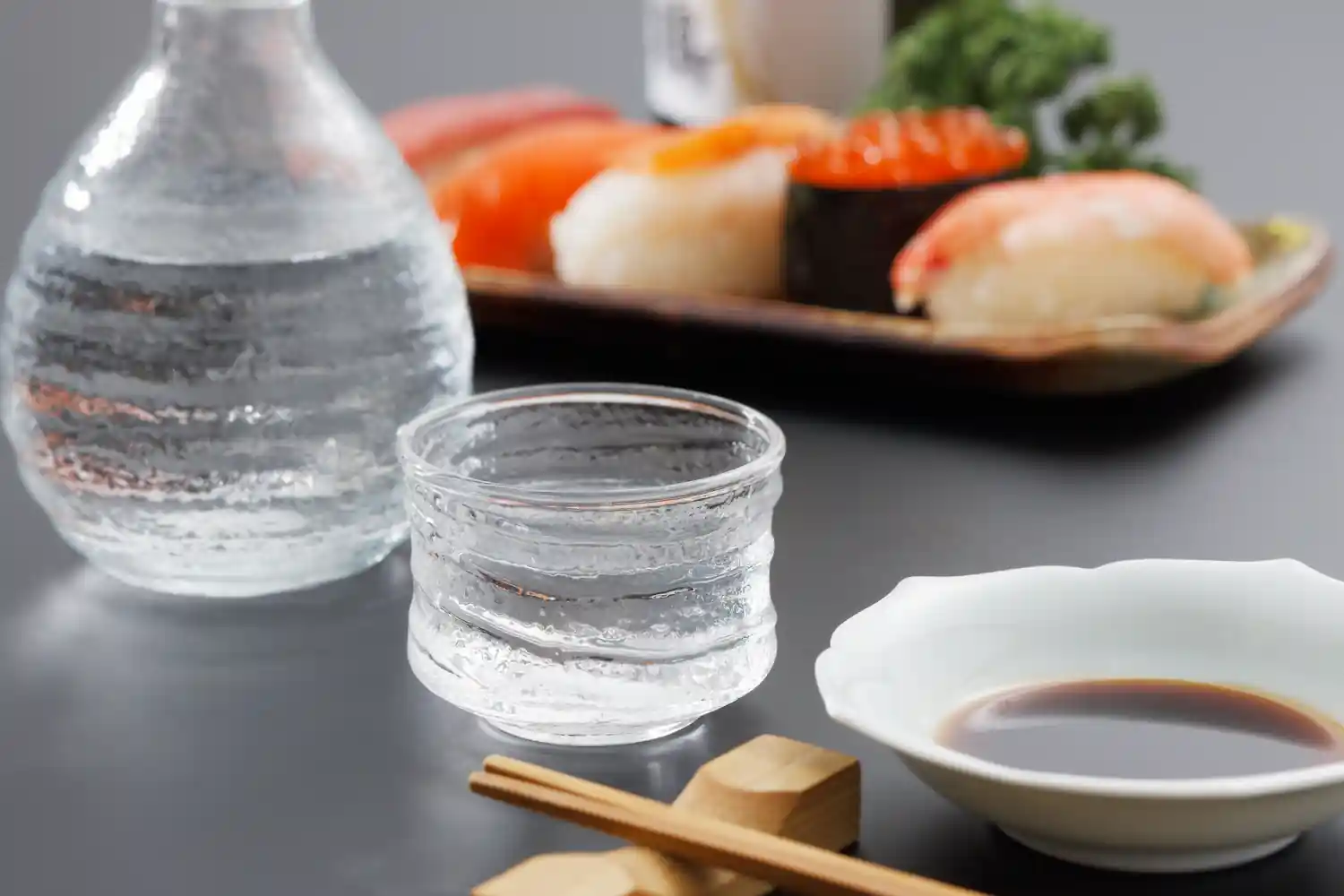
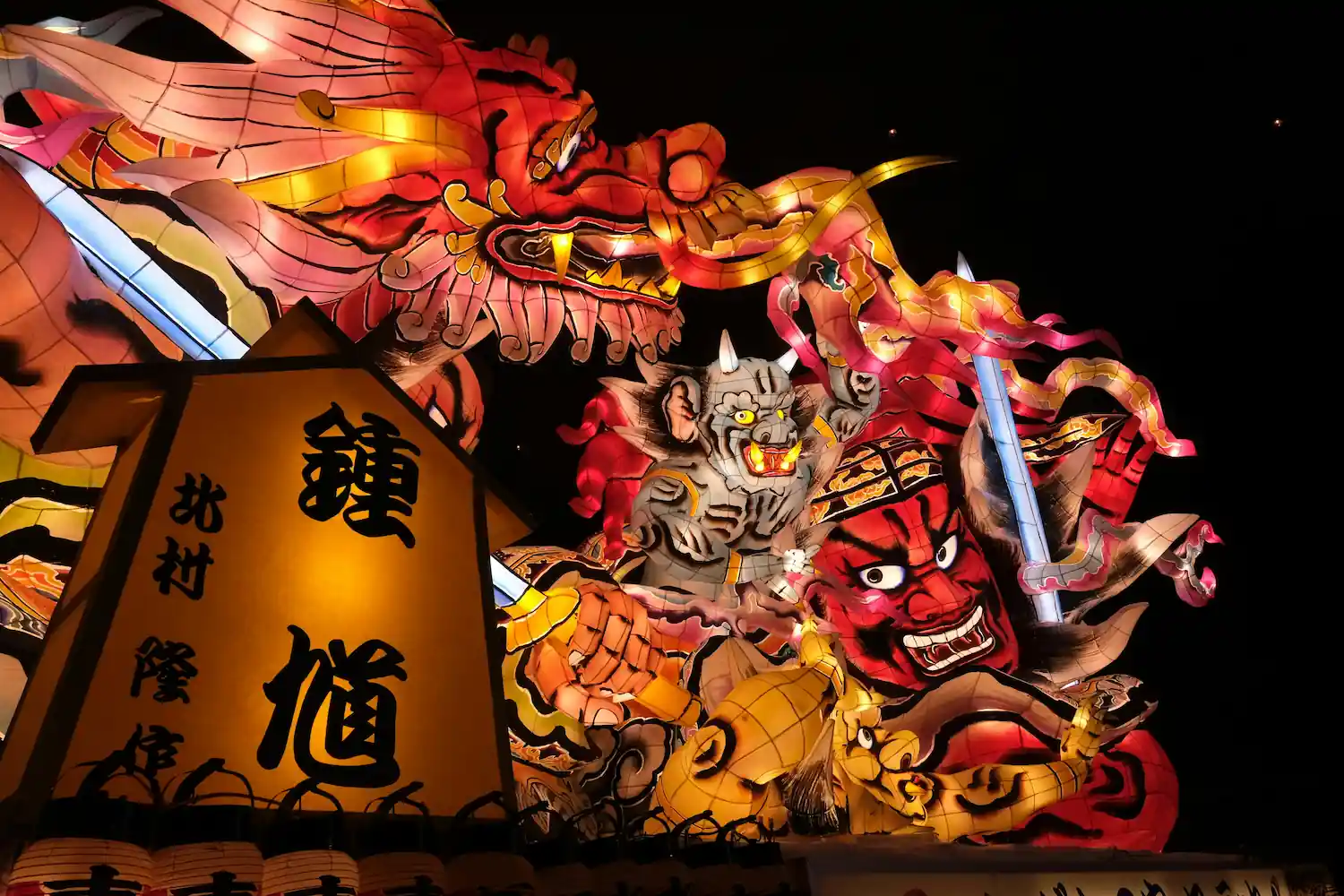
*Image is for illustrative purposes
If describing Tokyo sake's flavor in one word: "excellent balance of umami and crispness!"
Tokyo sake has been made using Tamagawa water system groundwater and spring water since Edo times, characterized by substantial umami overall. It ranges from sweet to dry styles, with flavors approachable for sake beginners.
Additionally, Tokyo local sake pairs excellently with traditional Edo dishes like tempura, eel, and soba. Clean Edo-mae flavors and umami-rich Tama local sake make a perfect "tag team!" Remember "good food pairing" as a Tokyo sake characteristic.
Furthermore, many Tokyo local sake brands have awards from national sake competitions, confirming their quality. Enjoyable from sake-experienced people to beginners, Tokyo-produced SAKE's major appeal is its wide accessibility.
Traditional Flavor Nurtured by Tama's Local Sake Culture
Each Tama region brewery creates distinctive sake utilizing local water and rice.
For example, "Tamaziman" from Ishikawa Sake Brewery in Fussa City is popular for its fruity, mellow flavor. With over 100,000 annual visitors, it's become a tourist spot and practically the "face" of Tama's local sake culture.
"Chiyotsuru" by Nakamura Sake Brewery in Akiruno City uses crystalline water drawn from 170 meters underground, a light type. While feeling substantial umami, it drinks cleanly, and has long been loved as food-pairing sake (Source: Another TOKYO TAMA "Sake-Related Spots").
"Kasen" by Tamura Sake Brewery (Fussa City) preserves Tama's local sake culture tradition continuing since Edo. Local water and climate create gentle umami and non-tiring pleasant aftertaste.
Comparing Kanto sake, Saitama and Ibaraki brands also tend toward rich umami, but Tokyo local sake stands out with unique storytelling created by "water's clarity" and "proximity to the city." The environment where makers' faces are visible and breweries are easy to visit is itself a Tokyo sake characteristic.
The New SAKE World Brewed by Urban Breweries
Another facet of Tokyo sake's characteristic is unique urban sake brewing.
"Tokyo Port Brewing" in Shiba, Minato Ward, is a brewery revived in 2011 after over 100 years of dormancy. In its mere 22-tsubo, four-story reinforced concrete building, it brews sake using Tokyo tap water (Source: Tokyo Port Brewing Official Site).
The representative brand "Edo Kaijo" is known as refined junmai raw sake, radiating urban individuality. It inherits the history of "Wakamatsu-ya," former Satsuma Domain merchant during the Bakumatsu period, embodying Tokyo's sake story.
Also in Fuchu City, "Noguchi Sake Brewery Co." produces "Kokufu Tsuru," which revived in 2024 after 40 years of dormancy. A new page was added to Tokyo's sake history (Source: SAKETIME Sake Evaluation Site).
While historic breweries continue making sake, new SAKE emerges from urban building basements. This "coexistence of tradition and innovation" may be Tokyo sake culture's greatest appeal.
Visit Tokyo's Breweries! Representative Brands and Brewery Tour Spots
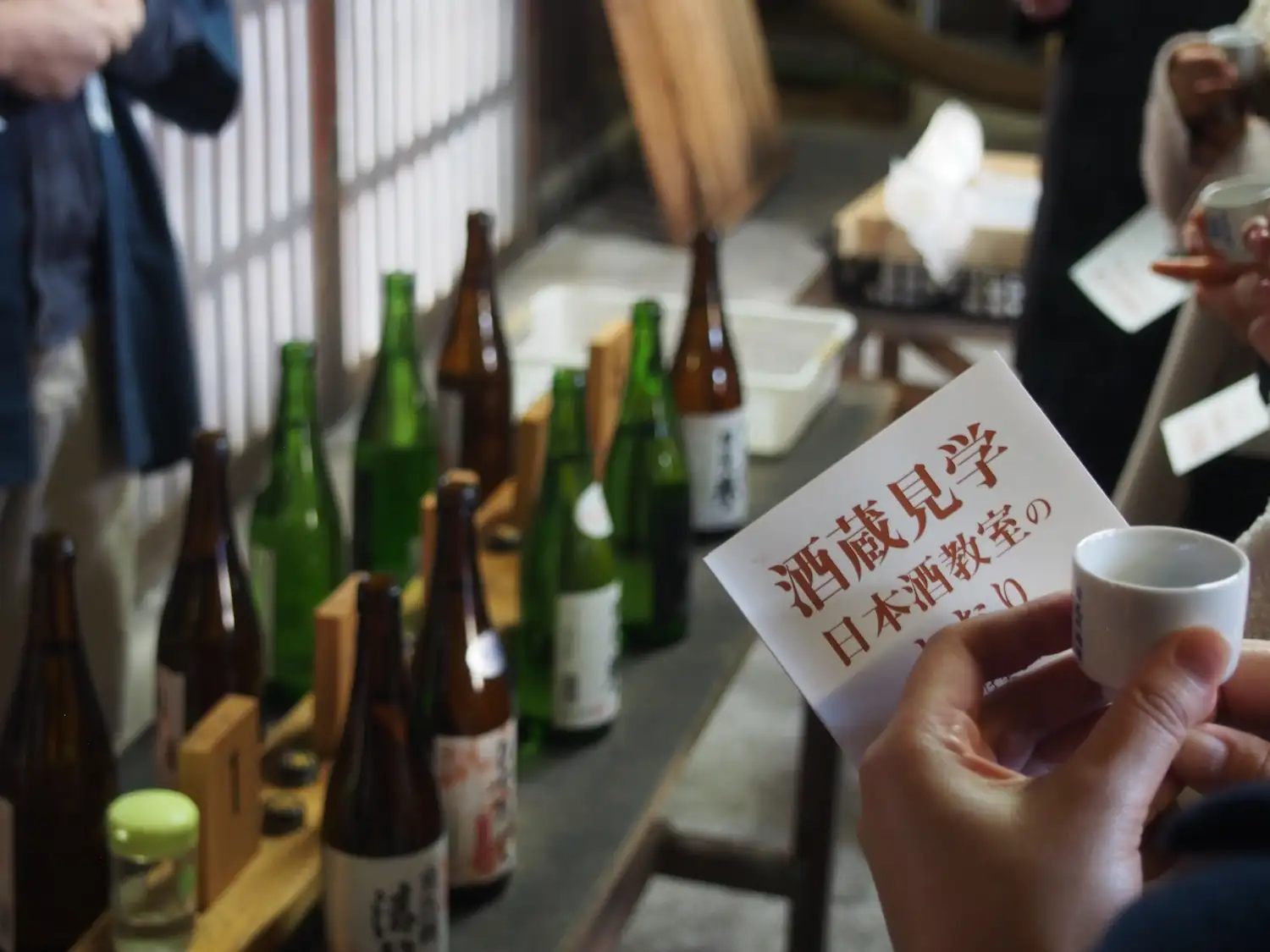
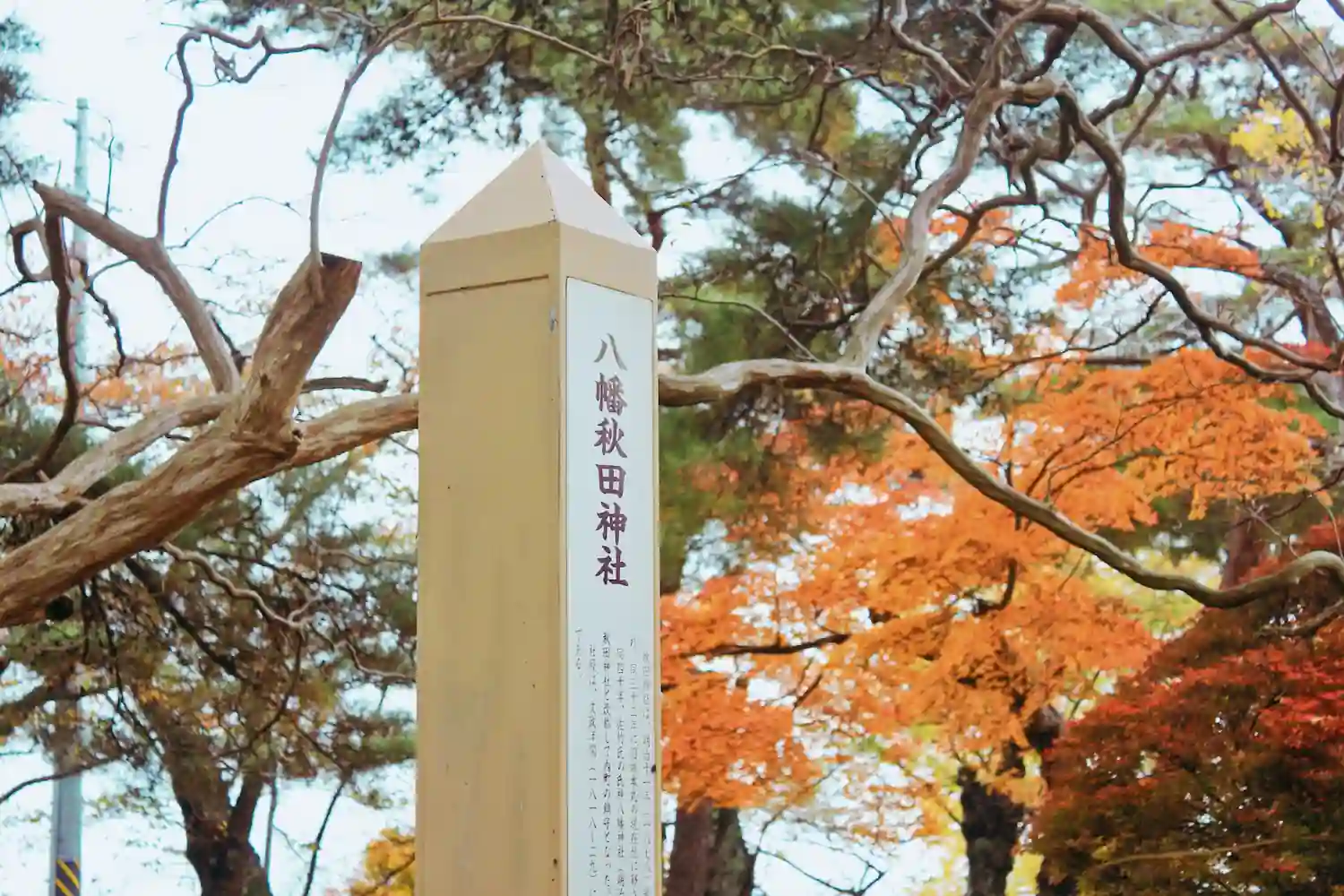
*Image is for illustrative purposes
To really feel Tokyo sake's appeal, actually visiting breweries is best!
Visiting breweries where Tama's local sake culture thrives lets you directly feel makers' passion and Tokyo's sake history. During brewing season, the aroma of steaming rice drifts, and experiencing the brewing site ordinarily invisible is brewery tour's real charm.
Here we introduce especially recommended breweries and representative brands. Use this as reference for your Tokyo local sake tour!
Sawanoi (Ozawa Sake Brewery) | Local Sake Nurtured by Ome City and Okutama Famous Waters
Ozawa Sake Brewery in Ome City brews Tokyo's representative local sake "Sawanoi."
Boasting over 300 years of history, founded in Genroku 15 (1702), it's situated beside Mitake Gorge on the upper Tamagawa. Brewing water uses two types of spring water: "Brewery Well" emerging from the rear mountain and "Mountain Well" across the Tamagawa. These two waters with different mineral balances create Sawanoi's distinctive complex and rich flavor (Source: Sake Komachi "Ozawa Sake Brewery Brewery Tour Report").
The brand lineup is diverse, from crisp dry types to full-bodied junmai daiginjo. To understand Tokyo sake's flavor depth, try Sawanoi first!
Brewery tours operate by reservation, with sake tasting after visiting. From July 2025, tours became paid at 700 yen per person (including tax) with original sake cups, further enriching the experience! (Source: Ozawa Sake Brewery Official Site)
About 90 minutes by train from Shinjuku. Why not enjoy exceptional time at a brewery surrounded by Tamagawa's clear stream and green mountains?
Tamaziman (Ishikawa Sake Brewery) | Special Time in Fussa City's Nationally-Registered Tangible Cultural Property Brewery
Ishikawa Sake Brewery in Fussa City is a historic brewery watched over by a 700-year-old zelkova tree.
The grounds contain six buildings designated as National Registered Tangible Cultural Properties, with sake direct sales shop, historical museum, and restaurant. Like an "sake brewery theme park," it's fully equipped for a full day of enjoyment, even for non-sake experts!
Representative brand "Tamaziman" features fruity aroma and mellow umami. Junmai ginjo hiyaoroshi (cooled autumn sake) is also popular, offering full Tama local sake culture appreciation.
Brewery tours are available, letting you walk through historically-atmospheric brewery interiors while touching fermentation history. Just 5 minutes walk from JR Oume Line "Kumakawa Station," access is convenient, highly recommended for families and sake beginners!
Toyoshimaya Sake Brewery (Higashiyamato City) | Long-Established Brewery Depicted in Edo Famous Places Pictures
Toyoshimaya Sake Brewery in Higashiyamato City is a historic brewery appearing in "Edo Famous Places Pictures" painted by late-Edo artist Hiroshige.
Using 150-meter-deep spring water, it brews full-bodied, refined sake like "Kinkon." With soft, easy-to-drink mouthfeel, it's readily recommended to sake beginners.
Accessible by foot from Seibu Shinjuku Line "Higashiyamato Station," it's easy to stop by from the city center. As a representative embodying Tokyo sake's characteristic "balance of umami and gentleness," it's long loved locally.
Summary
Tokyo sake is distinctive local sake nurtured by over 300 years of history and Tamagawa water system's clear water. Ten breweries continue sake making centered in the Tama region, letting you enjoy Tokyo's unique SAKE culture where tradition and innovation coexist. Please visit breweries and experience Tokyo sake's flavor in reality!
*This article uses AI for information organization, writing assistance, and proofreading. The structure and final review are conducted by the Kraport editorial team.