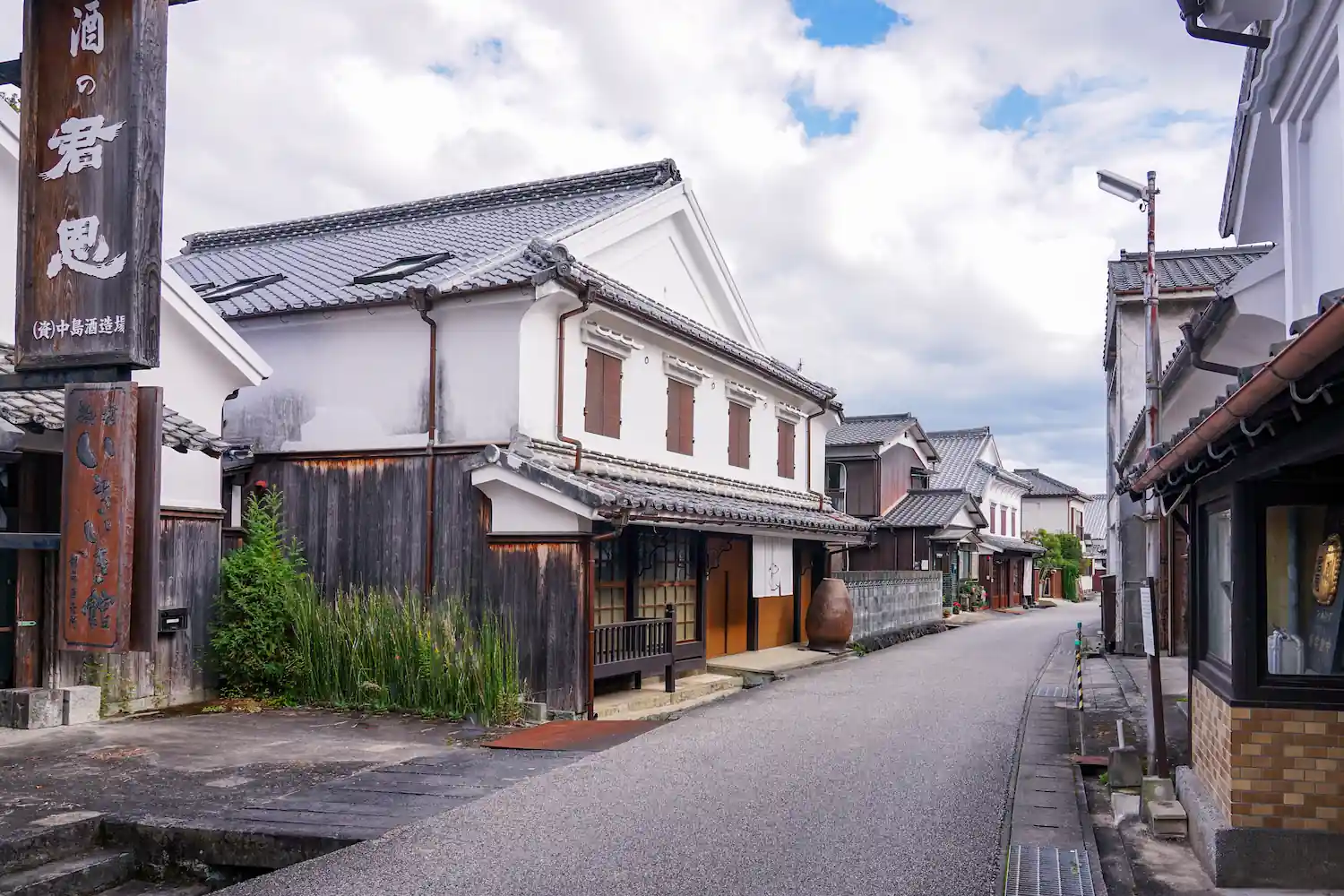
How Many Sake Breweries Are in Japan? 1,286 Breweries Investigated
Have you ever wondered how many sake breweries there are in Japan? After collecting and publishing information about breweries nationwide, Kraport has discovered that as of 2026, there are 1,286 sake breweries throughout Japan! We'll explain in an easy-to-understand way which prefectures have the most, what characteristics each region has, and why the ranking of brewery count differs from production volume.
Mar 29, 2026

Japan's Sake Breweries: 1,286 Nationwide! Kraport Investigation Reveals
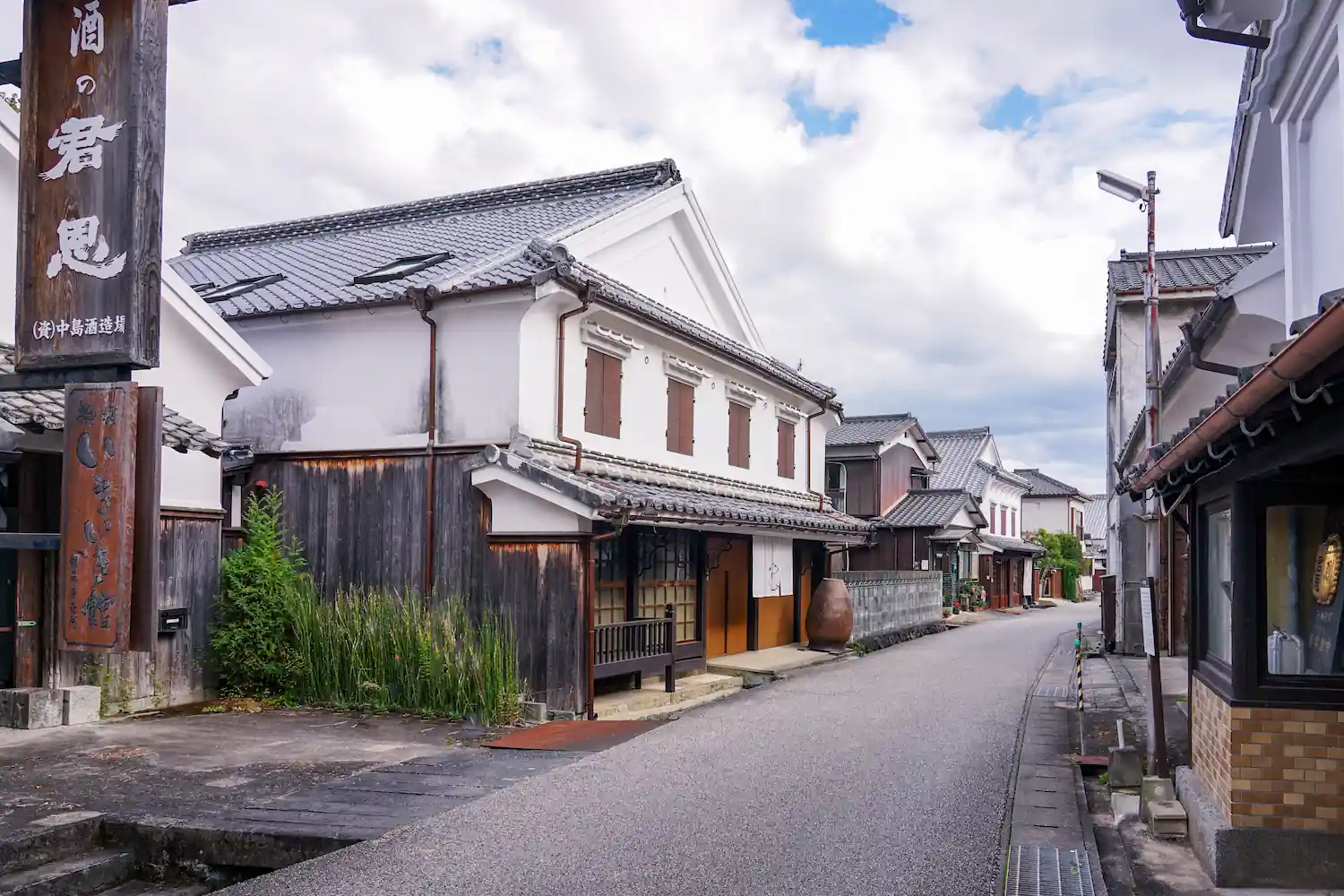
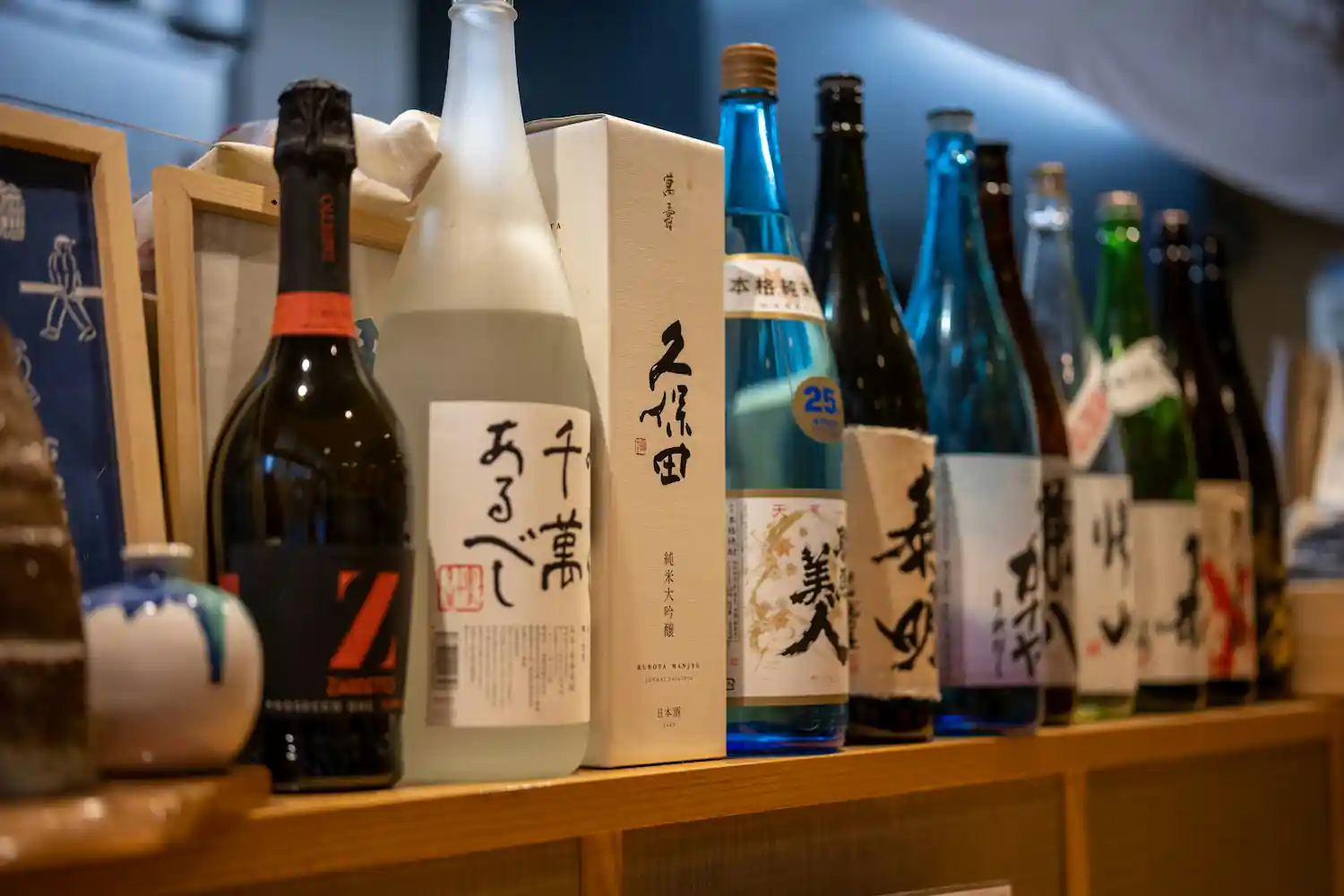
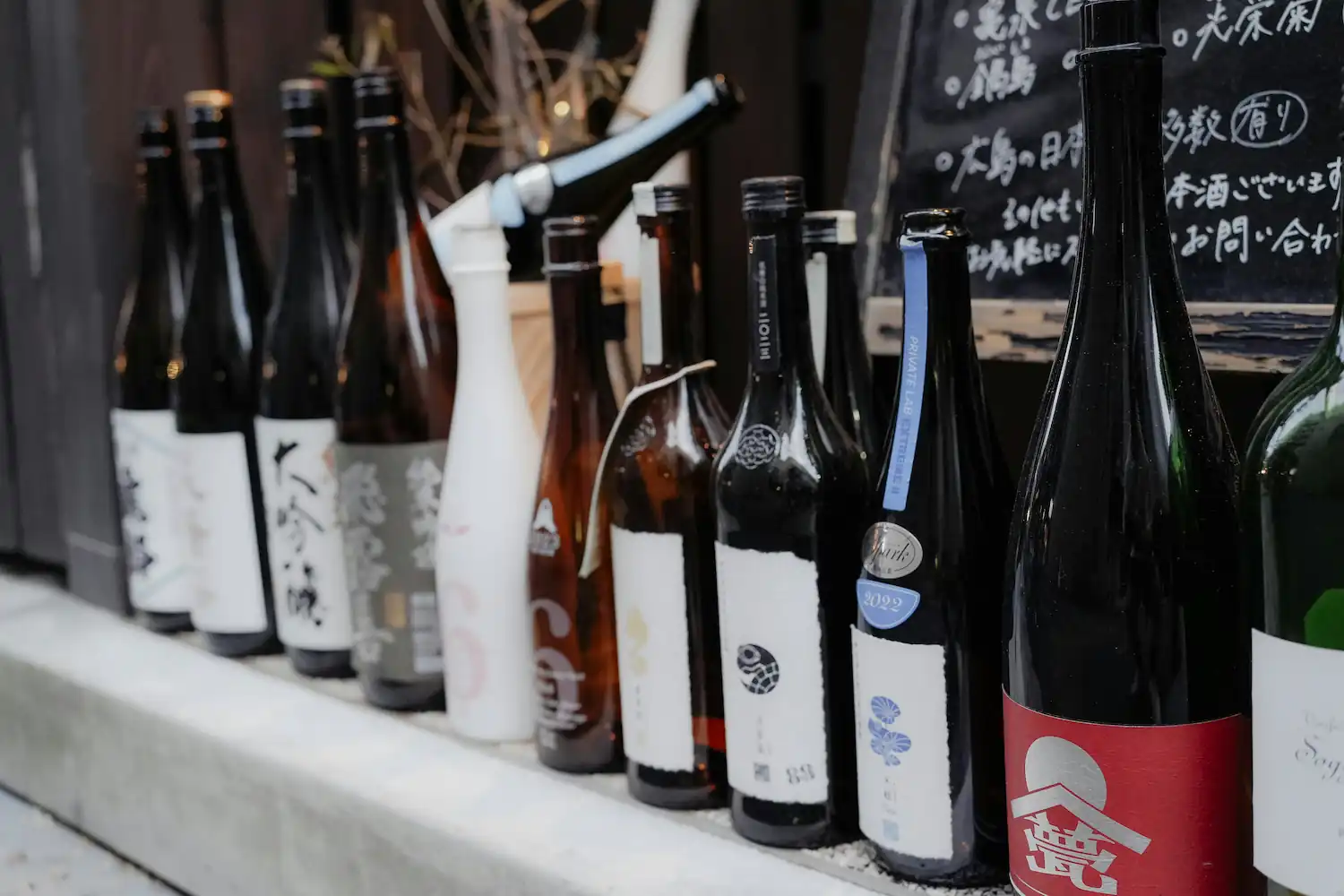
According to a survey by Kraport, a sake brewery database that surveys and publishes information about breweries nationwide, Japan has 1,286 sake breweries.
From Hokkaido to Okinawa, sake breweries are scattered across nearly all 47 prefectures. When you hear the number 1,286, how does it strike you? Some might think "more than I expected!" while others might feel "that's about right for Japan's size."
In fact, the number of sake breweries in Japan has declined significantly compared to the past. It's said that there were over 7,000 breweries nationwide in the early Showa period, and nearly 2,500 remained in the early Heisei period. Since then, breweries have closed one after another due to younger generations' reduced alcohol consumption, lack of successors, and management difficulties, declining to current levels.
From Showa to Modern Times—Historical Changes in Brewery Count
The decrease in brewery numbers stems from social changes in each era.
During the post-war high economic growth period, demand for sake surged dramatically, and many breweries flourished. However, from the 1970s onward, sake consumption began declining steadily, and breweries faced increased competition from beer, shochu, and Western beverages like wine and chu-hai. As consumer preferences diversified, smaller breweries struggled with capital investments and finding successors, leading to continued closures.
On the other hand, recent years have brought positive changes to the industry. Individual sake made by young brewery owners with fresh perspectives has attracted attention, and there are movements throughout the country to revive sake production by taking over abandoned breweries.
Sake exports to overseas markets have expanded year by year, increasing opportunities for Japanese sake to reach tables around the world—a tailwind for the entire industry. There are voices saying the sake brewery count has "hit bottom," and the environment surrounding sake breweries nationwide is gradually changing.
2024 UNESCO Registration Brings Even More Attention
On December 5, 2024, Japan's "traditional sake brewing" was registered as a UNESCO Intangible Cultural Heritage! This is a historic moment when Japan's unique sake brewing techniques using koji mold were recognized globally.
Following this registration, interest in Japanese sake and breweries from both domestic and international sources has reached unprecedented levels. Sake exports are expanding year by year, and more brewery owners are becoming conscious of global markets. More people are making "sake brewery tourism" and "brewery tours" travel destinations, and visiting all of Japan's breweries with a map has become an established travel style.
In 2026, the figure of 1,286 breweries nationwide represents important data reflecting the "present day" of sake culture.
By the way, "sake brewery visits" and "brewery tours" have become increasingly popular in recent years. These include brewery tours where you can see fermentation tanks lined up in sake production facilities, tastings of freshly made sake, and hearing toji (master brewers) talk about their sake-making dedication. Sake brewery tourism offers far more than just drinking sake. Since only some of the breweries nationwide offer tours, it's recommended to check in advance before visiting.
A complete list of breweries nationwide can be found on Kraport, organized by prefecture. Use it to search for breweries in your area of interest or to research brewery tour reservation methods!
Completely Different by Region! Learn About Japan's Sake Producing Areas
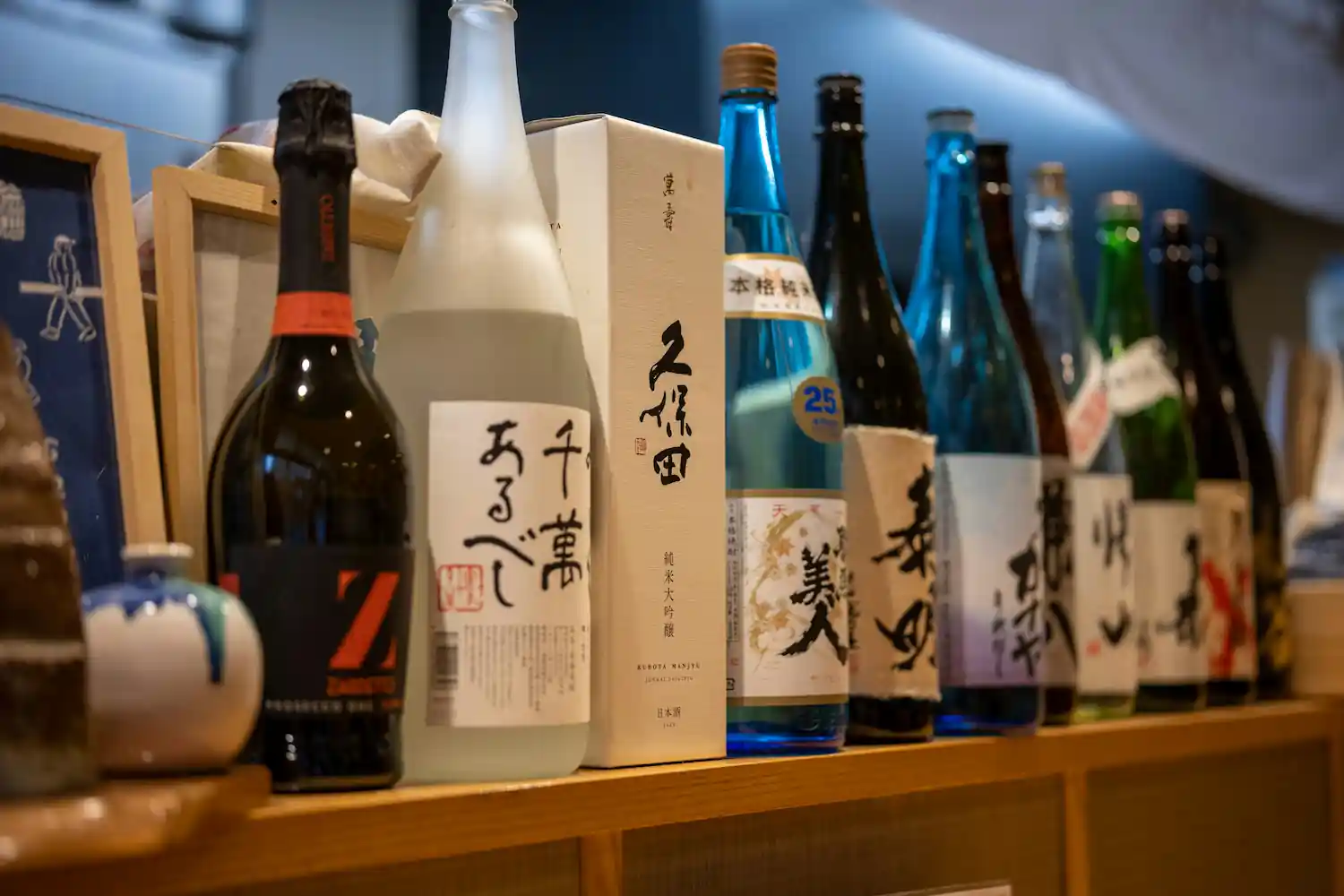
The 1,286 breweries nationwide, each taking advantage of their region's climate, water quality, rice varieties, and toji master brewing techniques, create sake with completely different characteristics. Understanding the regional characteristics of Japan's sake-producing areas will make both selecting brands and brewery tours much more enjoyable!
Four major factors determine sake flavor: water properties, rice varieties used, climate (particularly winter cold), and the toji master's brewing school. When these combine in different regions, the same "sake" develops completely different character.
Just by looking at Japan's list of sake-producing areas, you can see how diverse sake culture has taken root across the country.
Tohoku and Hokuriku Regions: Local Sake Nurtured by Rice and Snowmelt Water
The Tohoku region is one of Japan's premier rice-producing areas, with many breweries concentrated in Akita, Yamagata, Miyagi, and Fukushima. The harsh winter climate with heavy snow provides ideal sake-brewing conditions. Low-temperature, slow fermentation produces clean, richly flavored sake—the regional characteristic of Tohoku.
Akita Prefecture is called a "fine sake kingdom" and is known for mellow, smooth-drinking sake. Yamagata Prefecture is recognized for fruity, aromatic sake, and is popular with younger generations. Fukushima, with its many breweries, consistently receives high evaluations from breweries at national sake contests.
Niigata Prefecture is synonymous with "clean, dry sake" and boasts some of Japan's highest sake brewery counts. Its clean, crisp drinking style is approachable even for sake beginners. It consistently ranks high in prefecture brewery count rankings—truly a "local sake kingdom."
Nagano Prefecture, surrounded by mountains with complex terrain, features sake with markedly different characteristics by region. From light and elegant to rich and full-bodied, it's among Japan's most diverse sake-producing areas with one of the highest brewery counts nationwide.
The prefecture's north-south length means that water quality and climate differ in the Shinshin, Toshin, and Nanshin areas—you can experience completely different characteristics in Nagano sake. As a sake-producing area, this prefecture makes a significant presence in brewery lists.
Kansai and Tokai Regions: Holy Land of Sake with History and Tradition
The Kansai region holds Japan's longest history as a sake-producing area.
Hyogo Prefecture is Japan's largest sake-producing region, with prestigious breweries lined up around the Nada Five Towns. Combining "Miyamizu" spring water from the Rokko Mountains with sake rice king "Yamada Nishiki," this region produces sharp, dry "masculine" sake that's renowned nationwide. With a long history as a sake-producing prefecture, Hyogo consistently ranks at the top of all brewery statistics.
Kyoto's Fushimi has been a sake-brewing town since the Muromachi period, known for soft Fushimi water that produces "feminine" sweet, flavorful sake. It's a major sake brewery production area where nationally recognized brands like Gekkeikan and Kizakura are concentrated, and the area is also popular as a brewery tourism destination.
Nara Prefecture is sometimes called the birthplace of sake. "Bodai-sen" created at Shorakuji in the Muromachi period is considered the prototype of modern sake, highlighting the historical depth of the region's sake characteristics. Many longstanding breweries remain, continuing traditional brewing methods to the present day.
Aichi Prefecture has a long history of fermentation culture including soy sauce and hatcho miso, and produces nationally popular brands like "Kamosu Hachihyakushi" and "Houraisen."
Wakayama Prefecture also has multiple historic breweries, known for distinctive local sake created by Nanki's warm climate and abundant natural water. Looking at the Kansai region as a whole, it's a sake-producing area with all three elements—history, culture, and scale—making it particularly prominent in sake-producing area rankings.
Chugoku, Shikoku, and Kyushu Regions: Treasure Trove of Characteristic Local Sake
Hiroshima's Saijo is one of the "Three Great Sake-Producing Areas" alongside Nada and Fushimi. Famous for soft, full-bodied sake utilizing soft water, brewery tours through the Saijo Sake Brewery Street are popular, where visitors can tour multiple breweries.
In the San'in region of Shimane and Tottori, distinctive breweries are scattered, nurtured by mountains and clear streams. With limited distribution, you might discover "phantom local sake" found only in these areas.
While Kyushu is strongly associated with shochu, breweries also exist in Fukuoka, Saga, and Oita, creating local sake that complements regional food culture. Looking at sake-producing areas nationwide, Kyushu is a region where you can discover unexpected treasures.
In this way, the 1,286 breweries nationwide are widely distributed from Hokkaido in the north to Kyushu and Okinawa in the south, with each region's characteristics creating sake's individual character. Learning about flavor differences by producing area will greatly expand the enjoyment of sake selection!
Why Does Brewery Count Ranking Differ from Production Volume Ranking?
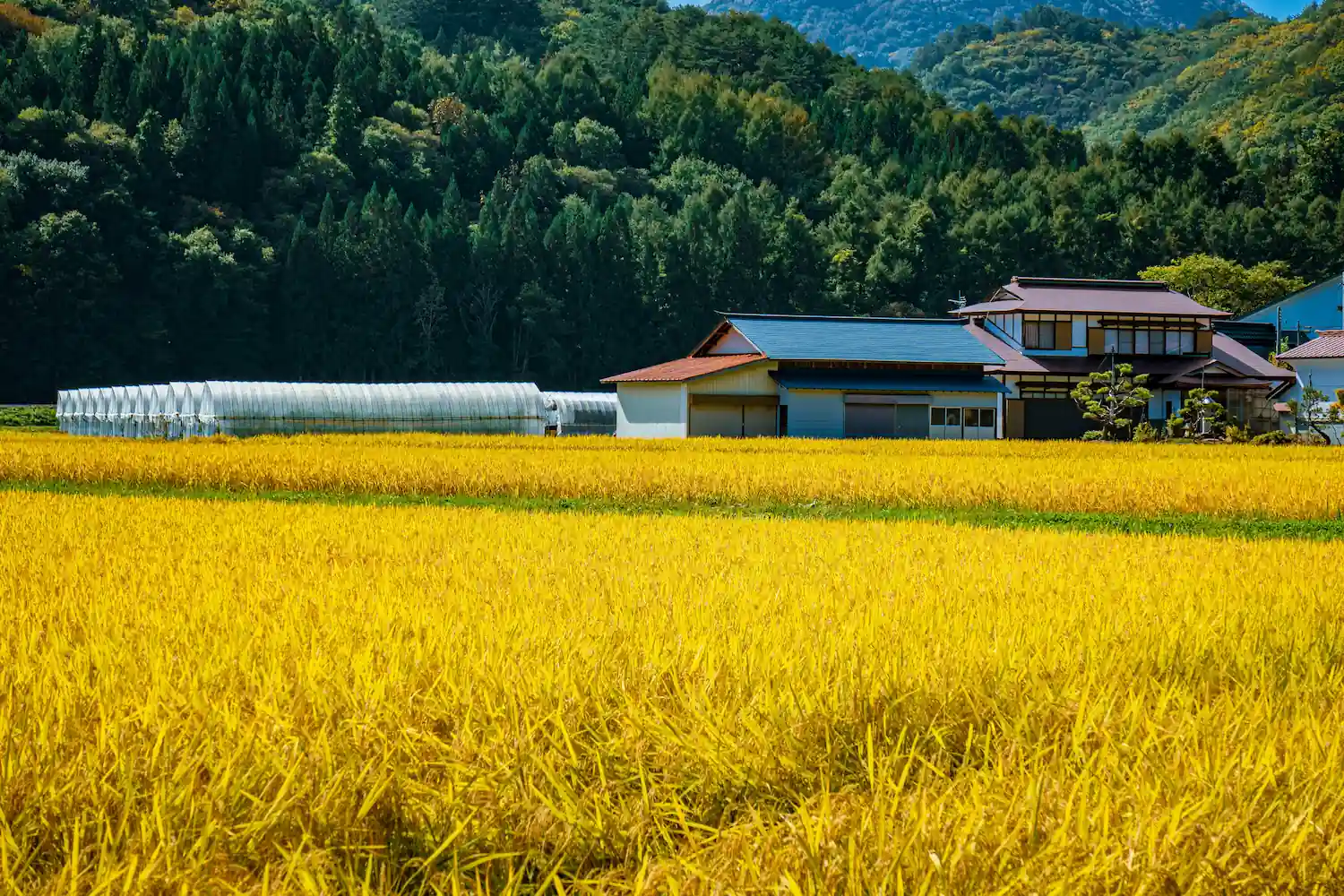
The prefecture with "the most breweries" and "the prefecture producing the most sake" actually don't match. Understanding this "reversal" dramatically changes how you see sake-producing areas!
Brewery Count Ranking—Niigata, Nagano, and Hyogo at the Top
According to brewery count rankings by prefecture based on National Tax Agency data, Niigata Prefecture ranks 1st nationally, followed by Nagano and Hyogo Prefectures (Fukushima, Yamagata, Iwate, and Akita from the Tohoku region follow in 4th place and beyond).
Both Niigata and Nagano are "multi-brewery type" producing areas with many small and medium-sized breweries crowded together. Niigata currently has around 90 breweries, known as the prefecture with the highest brewery density nationwide. Nagano, shaped by complex terrain that nurtures breweries with distinctly different characteristics, is also one of Japan's most diverse sake-producing areas.
In contrast, in Kyushu's southern regions (Miyazaki and Kagoshima) and Okinawa where shochu culture has taken root, the number of sake breweries remains minimal. Viewing brewery count rankings by prefecture shows the dominance of eastern Japan.
Production Volume Ranking—Hyogo, Kyoto, and Niigata at the Top
Now let's look at sake production volume rankings. The picture changes dramatically here.
Hyogo Prefecture ranks 1st in production volume, handling nearly 30% of the nation's sake production in a single prefecture. Large manufacturers including Hakutsuru, Kikumasamune, and Kenbishi are concentrated around the Nada Five Towns, with production equipment and long-established brand strength supporting mass production.
Kyoto Prefecture ranks 2nd. Centered on Fushimi, nationally recognized major breweries like Gekkeikan, Kizakura, and Shochikubai gather here, together accounting for nearly half of the nation's production volume alongside Hyogo.
This reflects the historical authority of sake manufacturing as a producing area. It's also attractive as a popular tourism destination, making it easy to plan trips combining brewery tourism.
Niigata Prefecture ranks 3rd. Despite ranking 1st in brewery count, it ranks 3rd in production volume—this is where the "reversal phenomenon" occurs.
Why Numbers and Volume Reverse—Large Manufacturer Concentration vs. Small Business Diversity
Why do brewery count and production volume rankings differ so greatly? The reason is simple: "brewery sizes are completely different."
Hyogo and Kyoto concentrate large manufacturers producing several thousand to tens of thousands of kiloliters annually. In contrast, most breweries in Niigata and Nagano are small to medium-sized operations near family scale, producing around several tens to several hundred kiloliters yearly per brewery.
Despite many breweries, small per-brewery production totals mean combined volume falls short of large manufacturer concentration areas.
The vast majority of the 1,286 breweries nationwide are small and medium-sized operations. Local sake crafted with dedication by small numbers of people has character and warmth that mass production cannot achieve. The gap between brewery count and production volume directly reflects the diversity of sake-producing areas.
The smaller the brewery, the stronger its connection to the region, treasuring deep ties with local rice farmers, water sources, and food culture. Some smaller breweries create seasonal limited editions timed to local festivals and customs, or focus on local sake rice—sake-making that major manufacturers rarely attempt. These characteristics are part of what makes small breweries throughout the country appealing.
Learning the story of each sake brewery nationwide is itself one of the joys of deeply enjoying sake.
Japan's sake-producing area rankings look completely different depending on whether you "view brewery count or production volume." Touring high-brewery-count areas lets you encounter diverse local sake, while visiting top-production-volume areas lets you enjoy historically established flagship brands—both offer sake's true pleasures.
By all means, maps of Japan's breweries in hand, search for your favorite producing area!
When visiting breweries, be sure to check beforehand whether tours are available and how to make reservation requests. Depending on the tour season, you might see actual fermentation work—experiencing the right season!
A comprehensive brewery map and brewery information can be found on Kraport.
Now that you know Japan has 1,286 breweries, if you feel "there's a brewery I want to visit" or "I want to try sake from that producing area," go ahead and start planning your brewery tour! Breweries throughout the nation await you.
Summary
According to Kraport's survey, as of 2026, Japan has 1,286 sake breweries nationwide. In brewery count rankings, Niigata, Nagano, and Hyogo rank at the top, while production volume rankings show Hyogo, Kyoto, and Niigata. This difference itself tells the story of sake-producing area diversity!
*This article uses AI for information organization, writing assistance, and proofreading. The structure and final review are conducted by the Kraport editorial team
![[2026 Edition] Japan's Rarest Sake Ranking: 7 Phantom Brands & How to Get Them](/_next/image?url=https%3A%2F%2Fimages.microcms-assets.io%2Fassets%2F826a3c02e7914778a550c585c5136129%2Fea5556c1f22944d2baf1131914249f8d%2Fsake-sosogu.webp&w=1200&q=60)