Japanese Sake ABV Explained: Average Alcohol Content & Why It Runs High
Are you curious about Japanese sake's alcohol content? You may think it's strong compared to beer or wine, but there are reasons for the actual ABV and how easily it causes intoxication. This article explains the average alcohol content, why the content is high, and how to choose easy-to-drink ABV levels in beginner-friendly terms!
Mar 29, 2026

What's the Alcohol Content of Japanese Sake? Explaining Average and Range
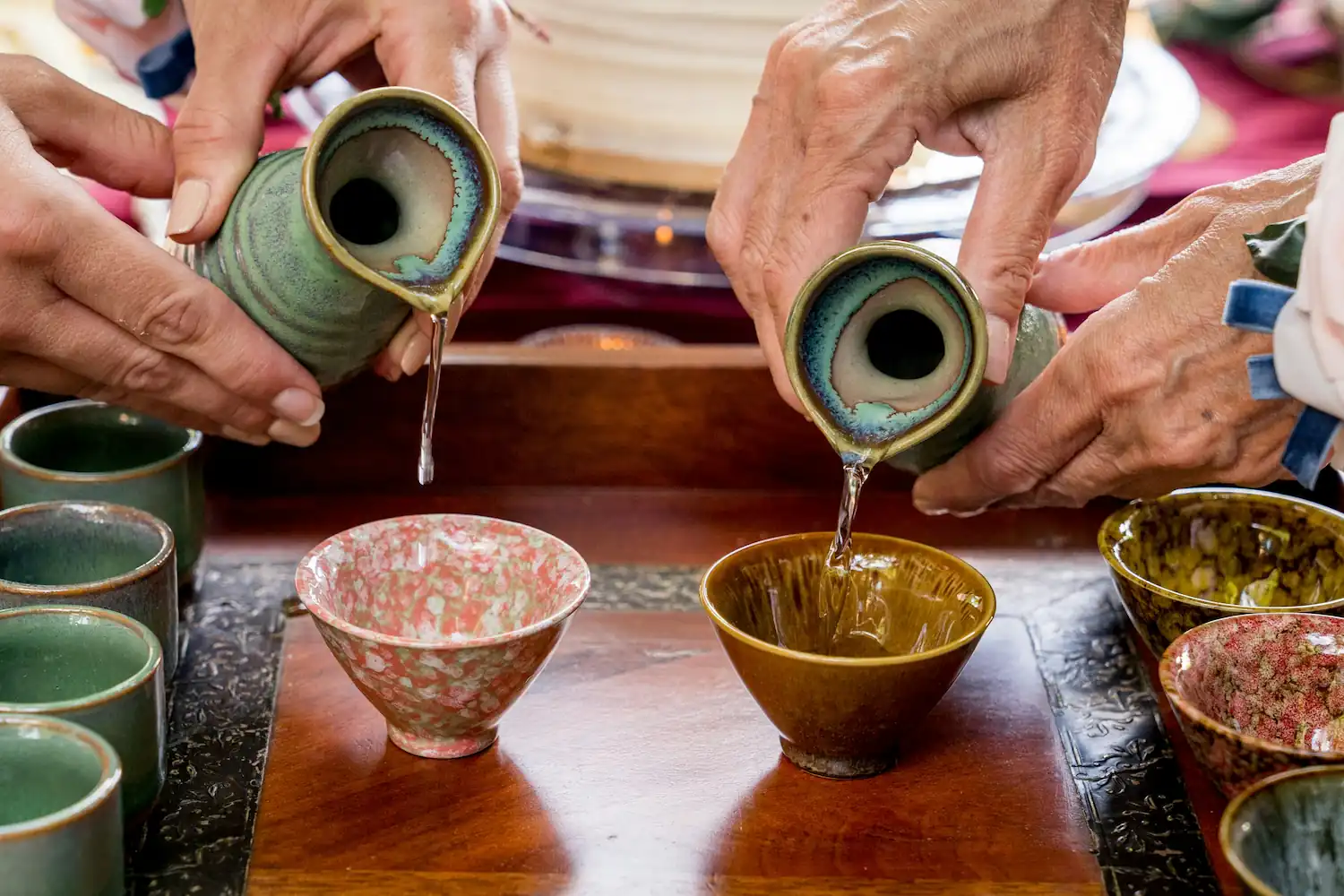
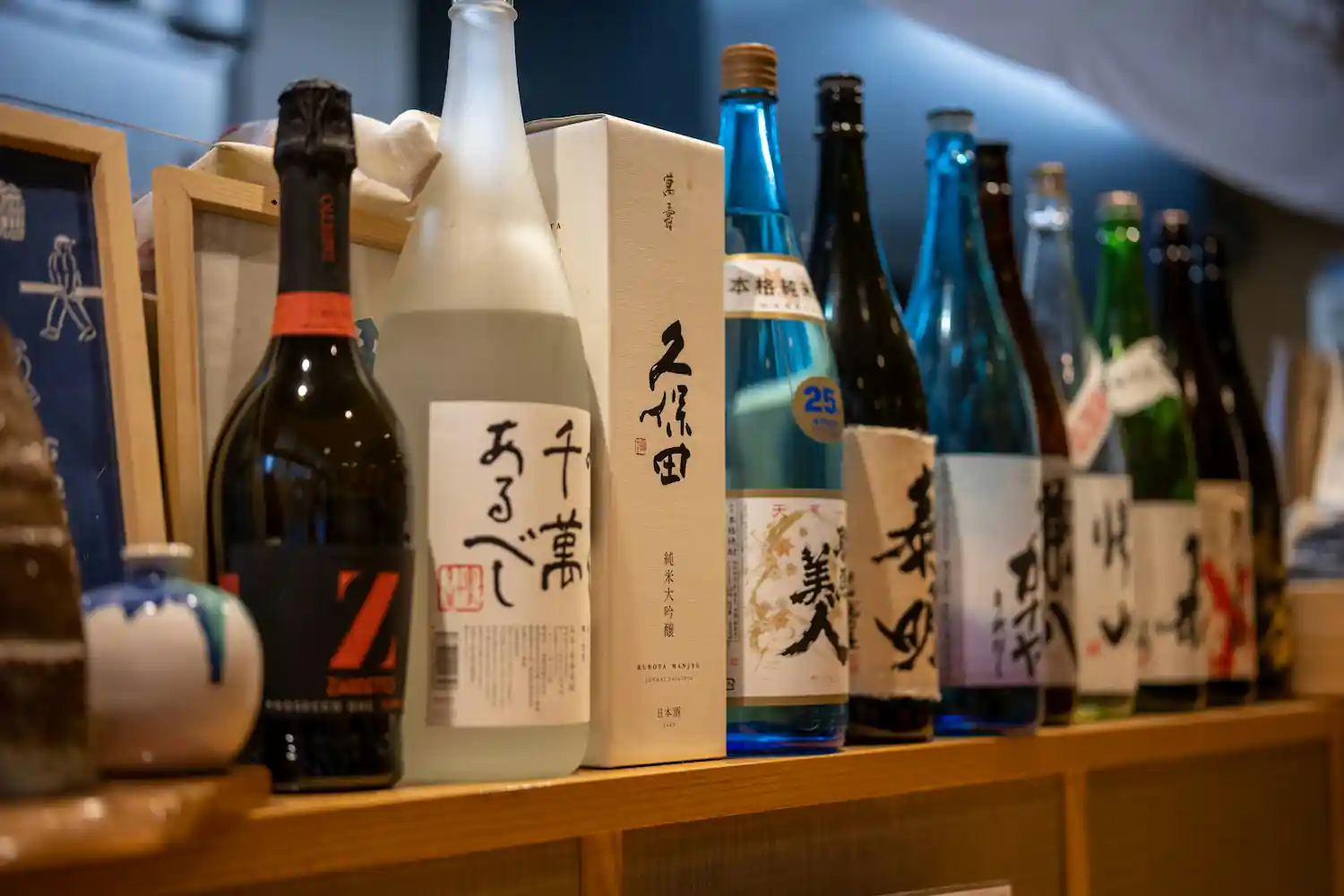
Source: Unsplash *Image is for illustrative purposes
Japanese sake's alcohol content generally averages around 15%.
If you check the labels of sake you see in stores or supermarkets, you'll notice that most are around 15% ABV. However, sake's alcohol content varies widely, ranging from as low as about 8% to over 20%.
By the way, only sake with less than 22% ABV can be sold as sake under the Liquor Tax Law. Anything stronger falls into different categories like "liqueur" or "miscellaneous alcoholic beverages" even if made using identical methods.
Comparing Alcohol Content with Beer and Wine
Let's compare sake's alcohol content to other beverages. Beer is around 5%, wine is around 13%, shochu is around 25%, and whiskey is around 40%.
Compared to beer, sake has about three times the alcohol content. It's similar to wine or slightly higher. However, it's lower than shochu and whiskey.
That said, shochu and whiskey are typically drunk with water or hot water, while sake is usually enjoyed straight. So when considering the actual amount of alcohol consumed, sake is a relatively high-alcohol beverage.
Raw Sake Has High Alcohol Content! What's the Reason?
There is a type of sake called "genshu" (raw sake). How does it differ from regular sake?
Right after fermentation completes, sake has an alcohol content of around 17-20%, quite high. Most breweries add water to this high-proof sake, adjusting it to around 15% for easier drinking.
However, genshu is shipped without this water addition, resulting in alcohol content around 19%. Because of the higher content, it's characterized by concentrated, robust flavor and is popular among sake enthusiasts.
Why Is Japanese Sake's Alcohol Content High? The Secret Lies in Manufacturing
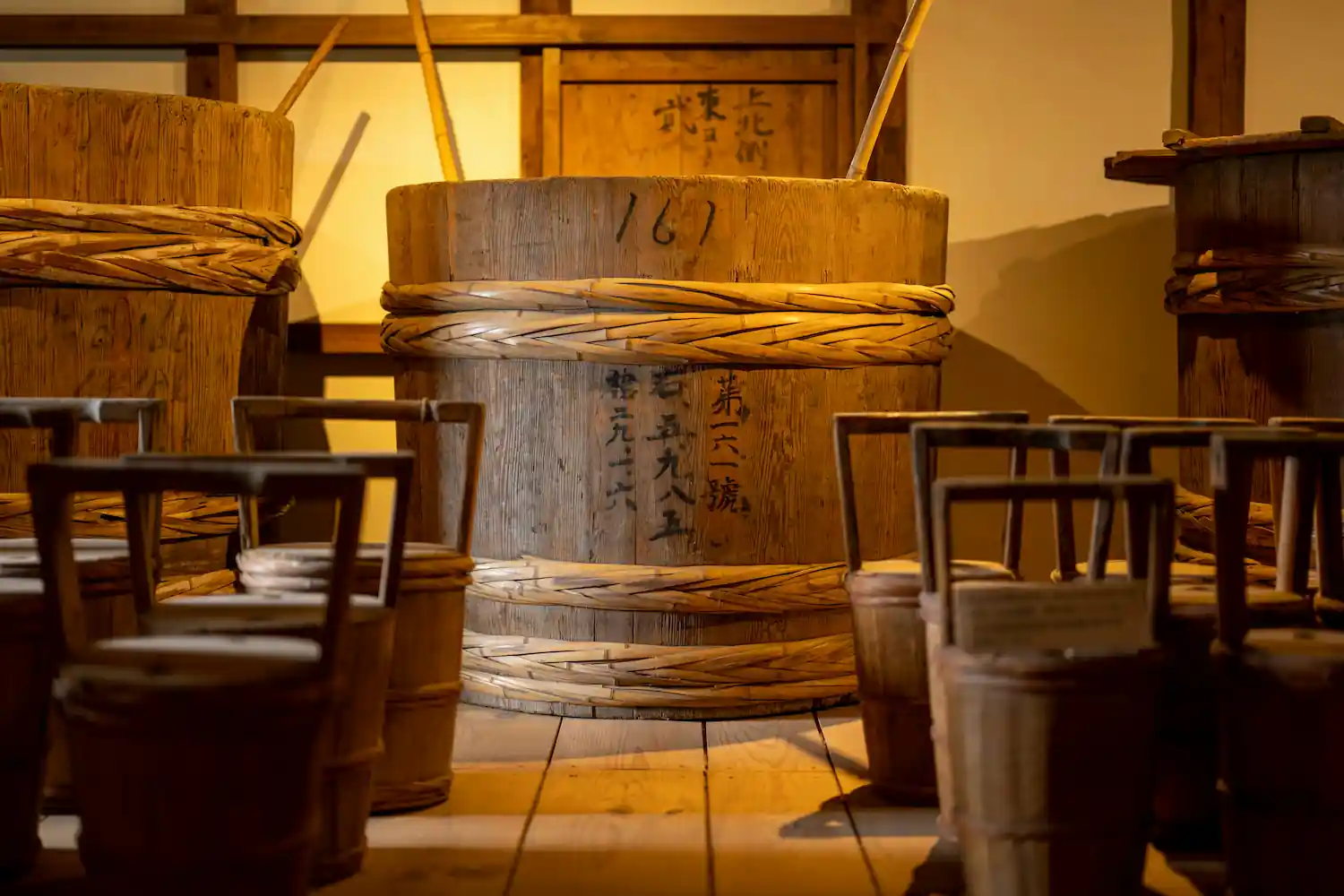
Source: Unsplash *Image is for illustrative purposes
Have you ever wondered, "Why does sake have higher alcohol content than beer?" Actually, the secret lies in how sake is made.
Sake is made using "parallel double fermentation" (heiko fuku-hakkou), a rare manufacturing method in the world. This method performs "saccharification" (converting rice starch to sugar) and "alcoholic fermentation" (converting sugar to alcohol) simultaneously in the same tank.
The remarkable thing about this method is its excellent alcohol production efficiency. The sugar produced in saccharification is continually converted to alcohol, creating progressively higher alcohol content.
For comparison, wine uses "single fermentation" (fermenting fruit sugars directly), and beer uses "single-route double fermentation" (performing saccharification and alcoholic fermentation separately). Sake's parallel double fermentation has higher alcohol generation efficiency than these, enabling world-class alcohol content for fermented beverages.
Controlling Alcohol Content Through Water Adjustment
After fermentation, sake made through parallel double fermentation reaches about 20% ABV. But this is too high for many drinkers to find enjoyable.
So many breweries add water to adjust flavor and aroma. By adding appropriate amounts of water, they adjust the alcohol content to around 15%, creating an easy-to-drink, well-balanced taste.
The amount and timing of this water addition changes the sake's character. The toji (master brewers) use years of experience and technique to craft the perfect bottle.
Does Japanese Sake Get You Drunk Easily? The Relationship Between Alcohol Content and Drinking Method
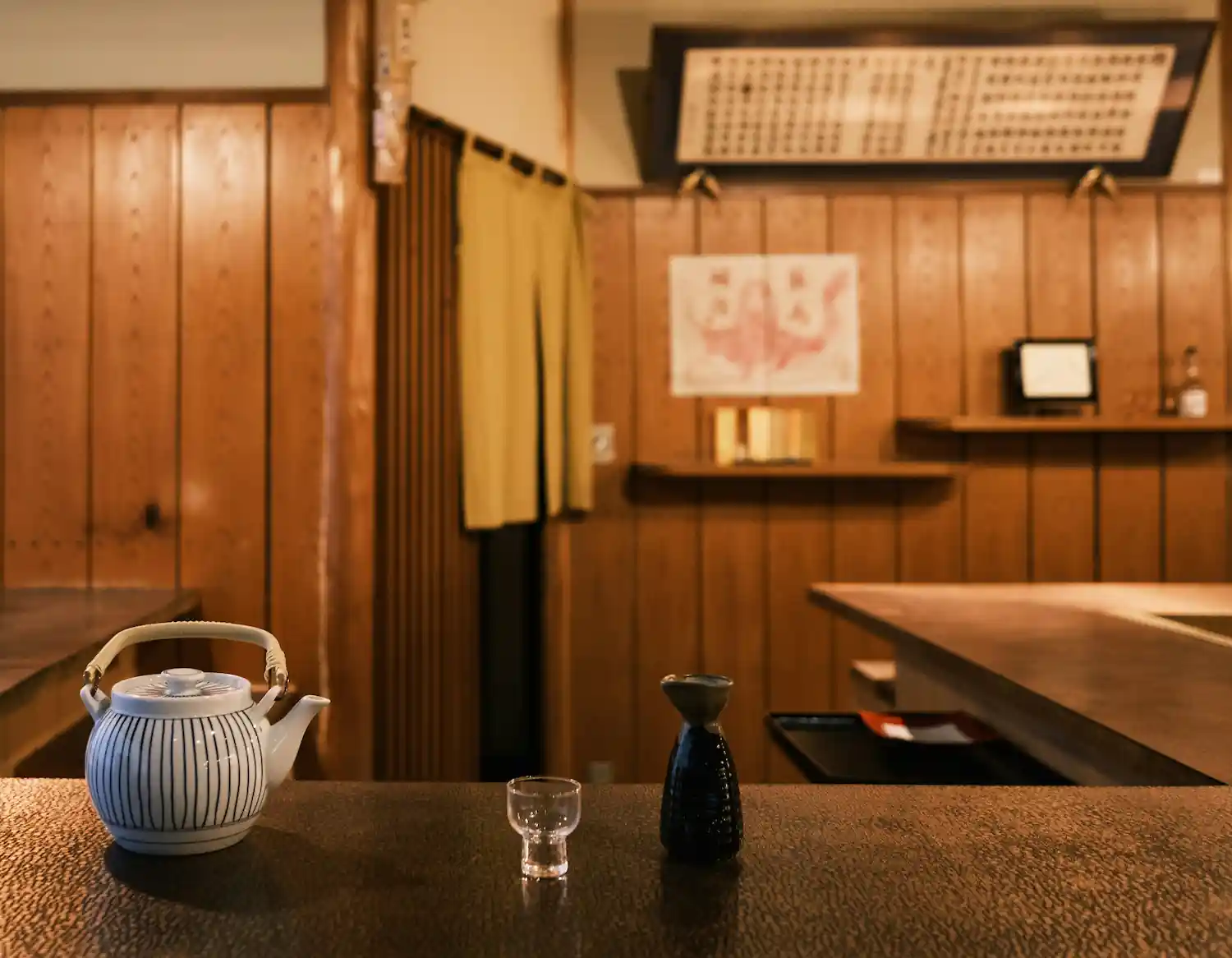
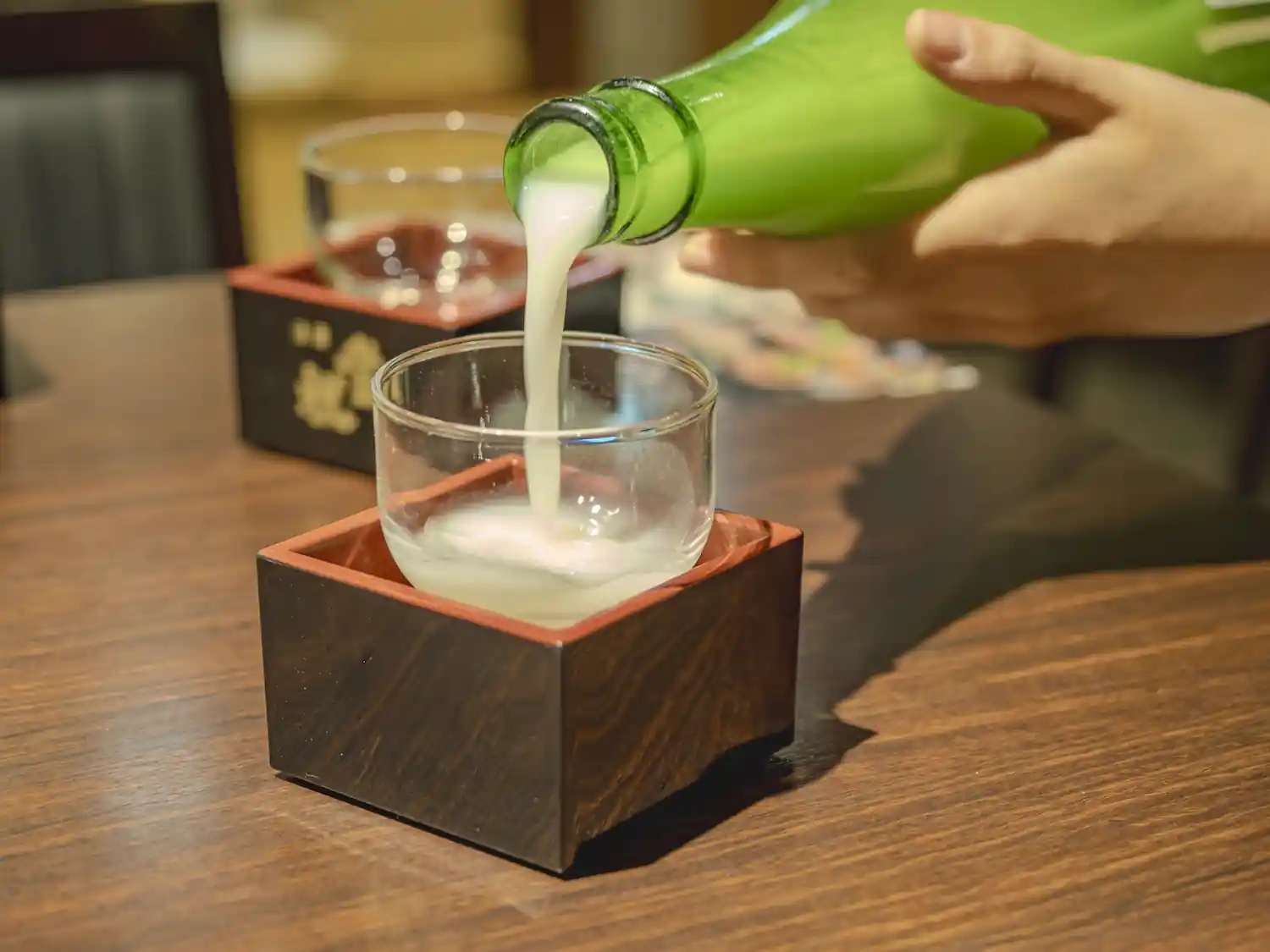
Source: Unsplash *Image is for illustrative purposes
Have you ever experienced getting drunk quickly when drinking sake? Because of its high alcohol content, sake is certainly easier to get intoxicated from. But with smart drinking methods, you can enjoy it leisurely.
Sake's alcohol content around 15% is about three times that of beer. Drinking at the same pace means three times the alcohol entering your body. That's why "I got drunk faster than expected after drinking sake like beer!" happens.
How quickly you get drunk depends on blood alcohol concentration. Drinking high-alcohol beverages like sake in large quantities quickly causes blood alcohol levels to spike rapidly, potentially causing hangover and poor intoxication. But don't worry—sake has traditional drinking methods for enjoying it well!
How to Choose Easy-to-Drink Sake by Alcohol Content
For sake beginners or those who don't handle strong alcohol well, low-alcohol sake is recommended.
Recently, more easy-to-drink sakes with alcohol content around 8-14% have appeared. These are made using methods that reduce alcohol while preserving sake's flavor, featuring crisp, light mouthfeel. Many can be enjoyed like wine, making them approachable for sake newcomers.
Even standard 15% ABV sakes vary by brand in flavor. Fruity, aromatic types feel relatively easy to drink. Ginjo and daiginjo varieties feature vibrant aromas and elegant taste, popular with women.
When choosing sake for the first time, it's good to ask shop staff, "I'm new to sake—do you have anything easy to drink?" Sharing your flavor preferences should get you a perfect recommendation.
Adjust Alcohol Content by Mixing Your Drink
Sake can also be enjoyed mixed. Here are some representative ways to drink it.
Water-cut sake is made by adding water to sake. Mixing at an 8-to-2 ratio creates a good balance. The alcohol content drops, making it easier to drink. Using soft water creates a mellow flavor.
Sake on-the-rocks is served in an ice-filled glass. It becomes chilled and crisp-tasting, with alcohol content decreasing as ice melts. Perfect for hot seasons. Some sakes today are even brewed with on-the-rocks drinking in mind!
There's also drinking water alongside sake. This is called "wa-ragi-mizu" (palate-cleansing water), a traditional sake drinking method.
Wa-ragi-mizu typically involves drinking the same amount of water after each sake serving. It's similar to a "chaser" in Western drinking culture. Using wa-ragi-mizu lowers blood alcohol concentration, slowing intoxication speed, and refreshing your palate for the next drink. It also prevents overdrinking and reduces hangover likelihood—a welcome benefit.
Since sake has diuretic properties, drinking it increases bathroom visits and water loss. Drinking wa-ragi-mizu prevents dehydration. This is very important for enjoying sake healthily.
Drink wa-ragi-mizu at room temperature; very cold water stresses the digestive system. Many sake establishments now provide wa-ragi-mizu automatically. If not provided, simply request "room-temperature water" and you're all set.
Summary
Japanese sake averages around 15% alcohol content, higher than beer but similar to wine. Through parallel double fermentation, it achieves high alcohol content for fermented beverages. Genshu reaches even higher levels around 19%. By using wa-ragi-mizu or choosing low-alcohol varieties, you can enjoy sake in ways that suit you best.
To find breweries nationwide, check out "Kraport," Japan's largest brewery database, which includes information about breweries offering tours.
*This article uses AI for information organization, writing assistance, and proofreading. The structure and final review are conducted by the Kraport editorial team.
![[2026 Edition] Japan's Rarest Sake Ranking: 7 Phantom Brands & How to Get Them](/_next/image?url=https%3A%2F%2Fimages.microcms-assets.io%2Fassets%2F826a3c02e7914778a550c585c5136129%2Fea5556c1f22944d2baf1131914249f8d%2Fsake-sosogu.webp&w=1200&q=60)