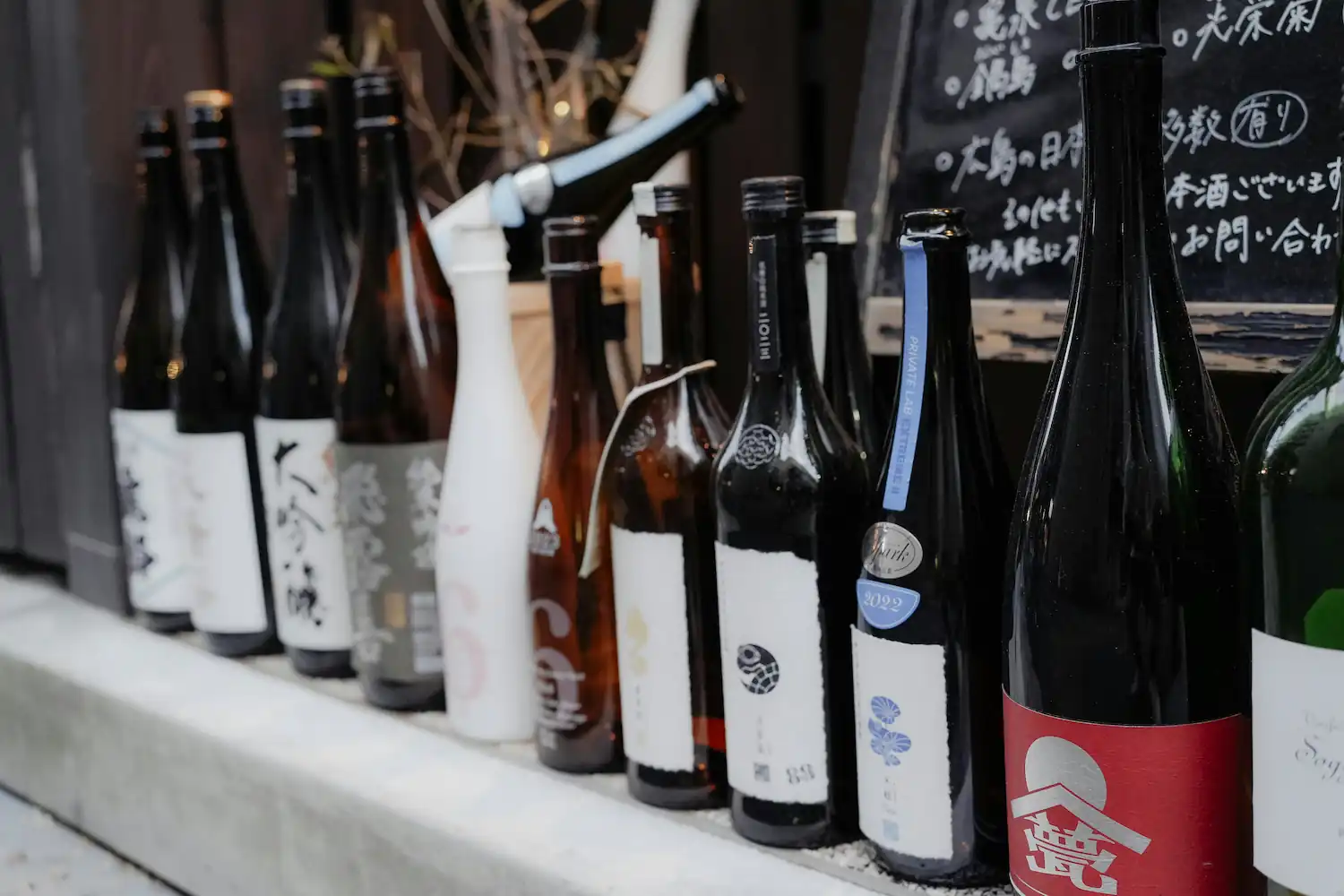
Does Sake Expire? Shelf Life, Best-By Dates & Storage Tips Explained
You might notice Japanese sake has no best-by date printed on it, but how long can you actually drink it? Unopened and opened storage periods differ greatly, and storage method can change the flavor. This article explains how long sake can be enjoyed, whether expired sake is okay, and if it spoils in beginner-friendly terms!
Mar 29, 2026

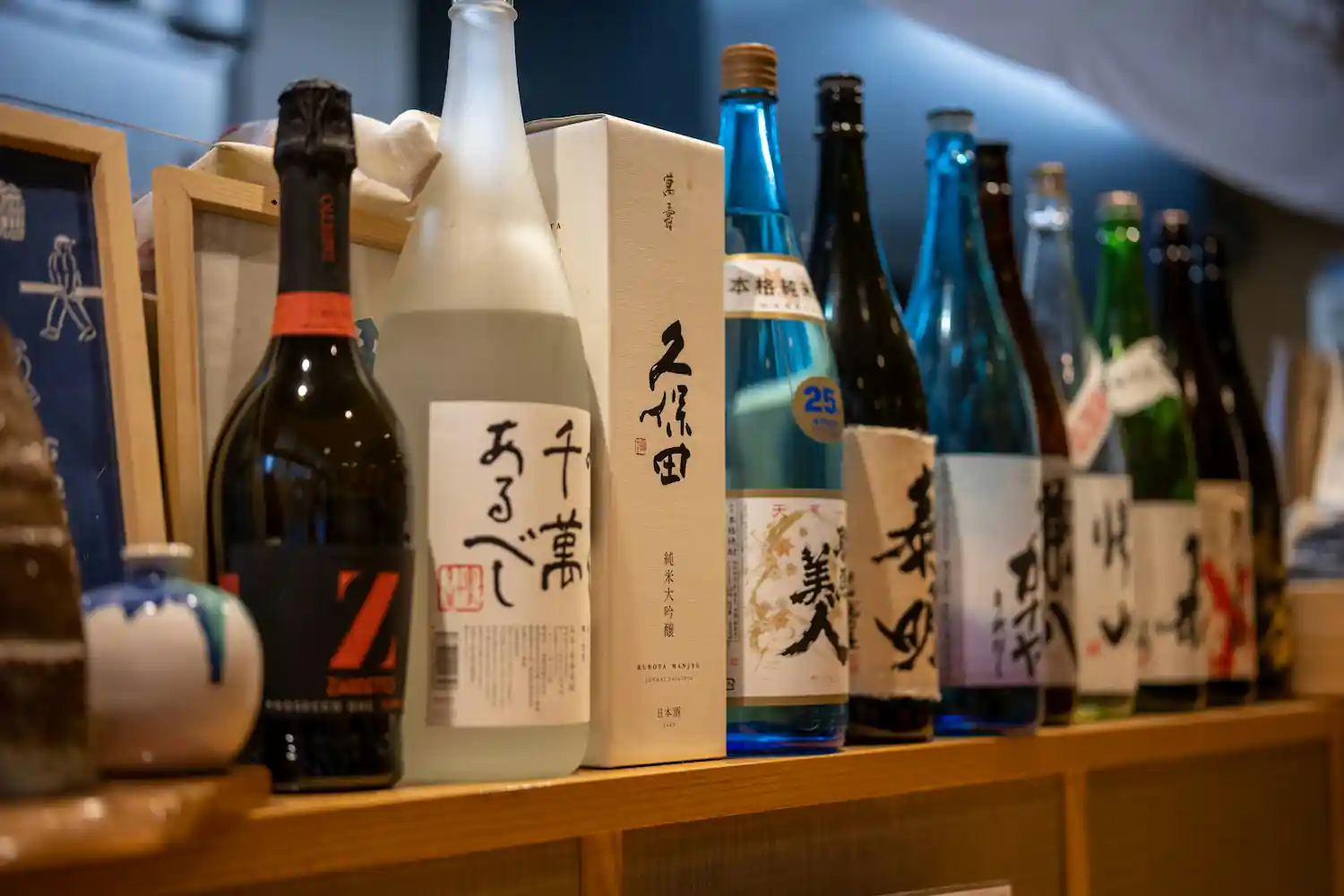
Does Japanese Sake Have a Best-By Date?
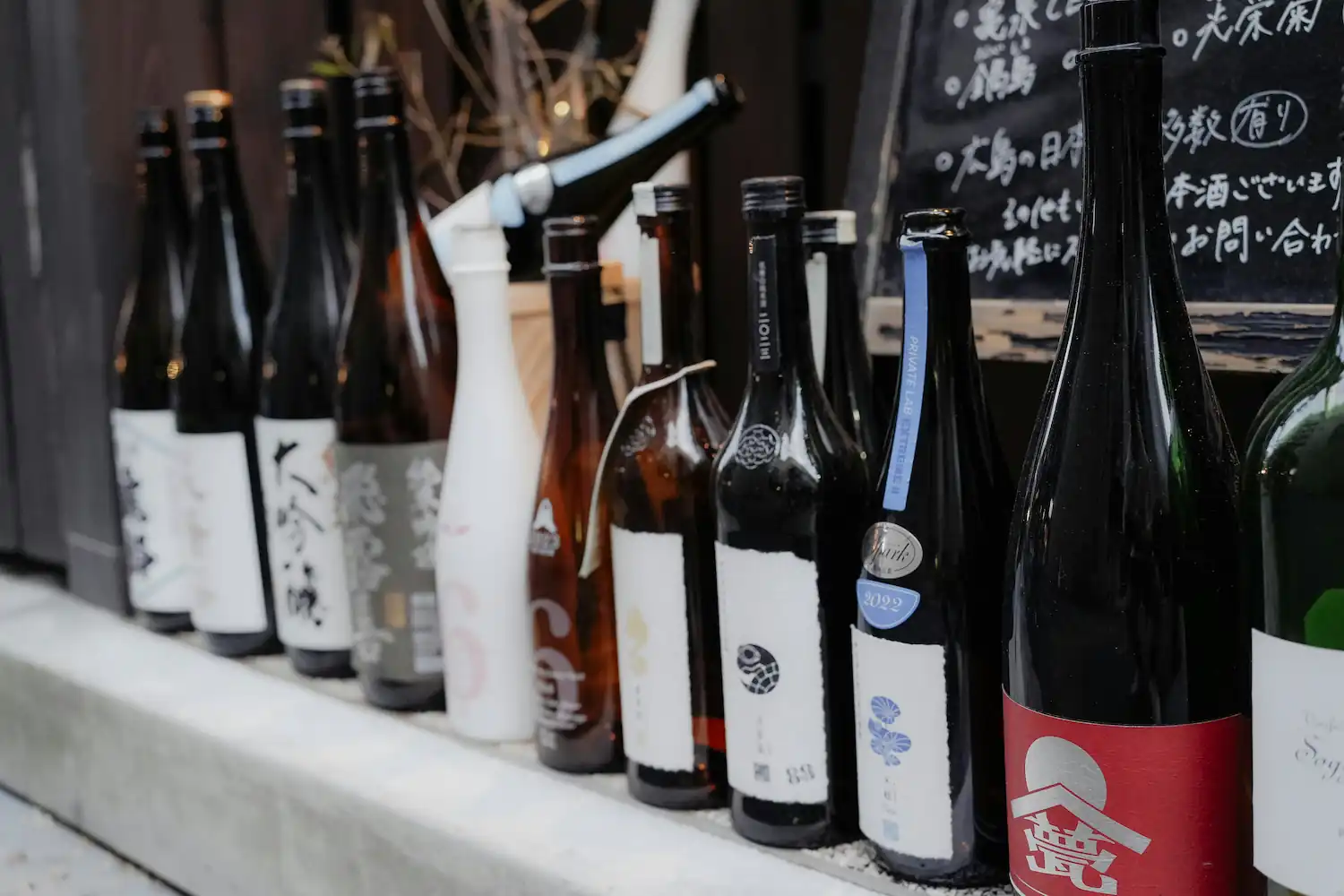
Source: Unsplash *Image is for illustrative purposes
Have you noticed that sake labels don't display a best-by date?
Actually, sake has no legally required best-by date!
This applies not only to sake but also to wine, whiskey, shochu, and alcoholic beverages in general. Thanks to alcohol's antibacterial properties, these drinks resist spoilage and can be stored long-term, so best-by date display is not required.
What is Manufacturing Date?
Instead of a best-by date, sake labels often show a "manufacturing date."
This is when the sake was bottled. Not when the sake was pressed, but the date it became a finished product after bottling.
By the way, starting January 2023, displaying this manufacturing date became optional. However, most breweries continue showing it, so it's helpful when purchasing!
Even Without Best-By Date, Flavor Changes
Just because there's no best-by date doesn't mean the taste stays the same forever.
Japanese sake gradually changes over time. If stored properly, there are no health concerns, but flavor and aroma shift progressively.
So it's important to think about "when to enjoy it best" rather than "best-by date!"
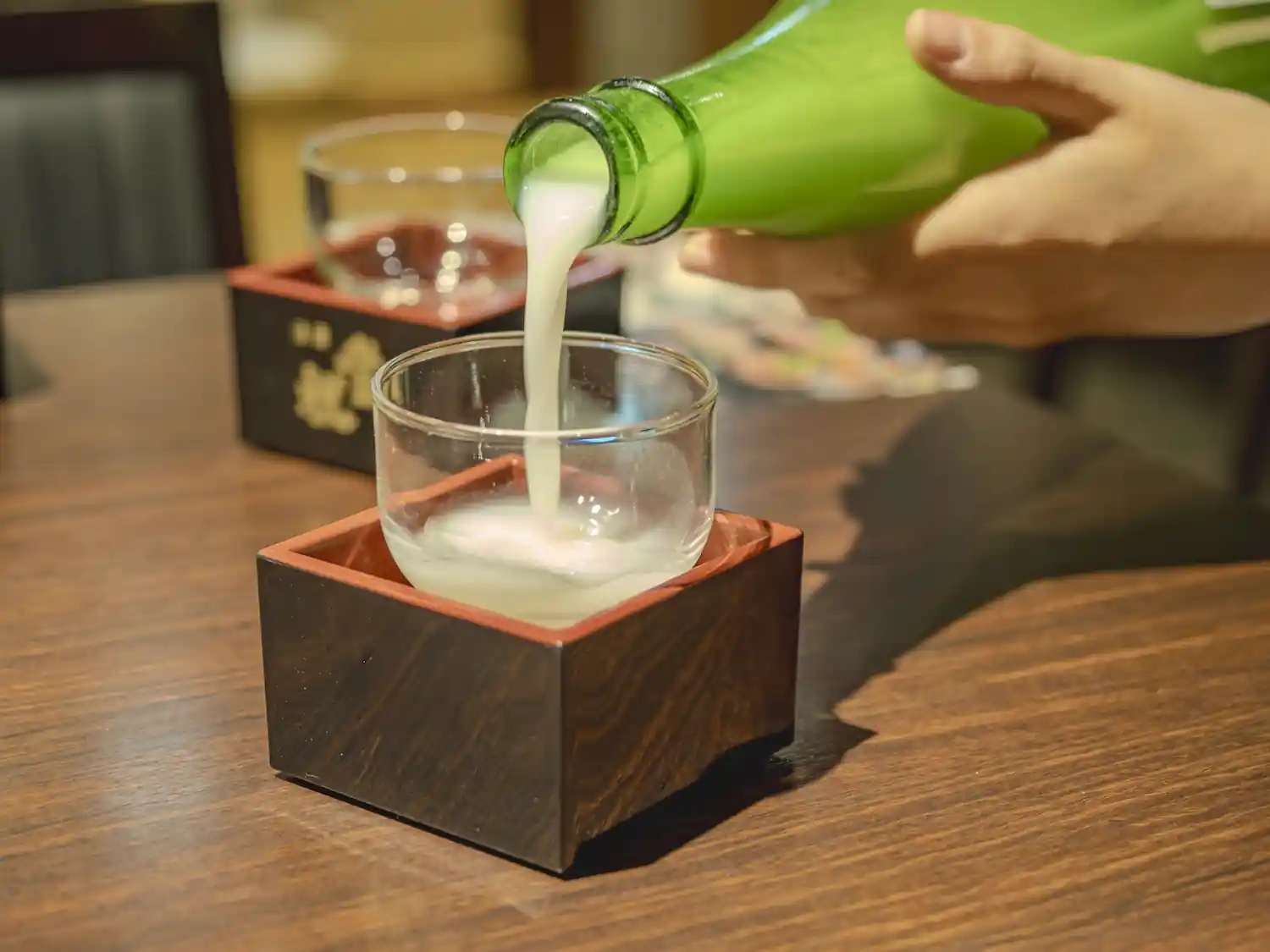
How Long Can Unopened Sake Be Enjoyed?
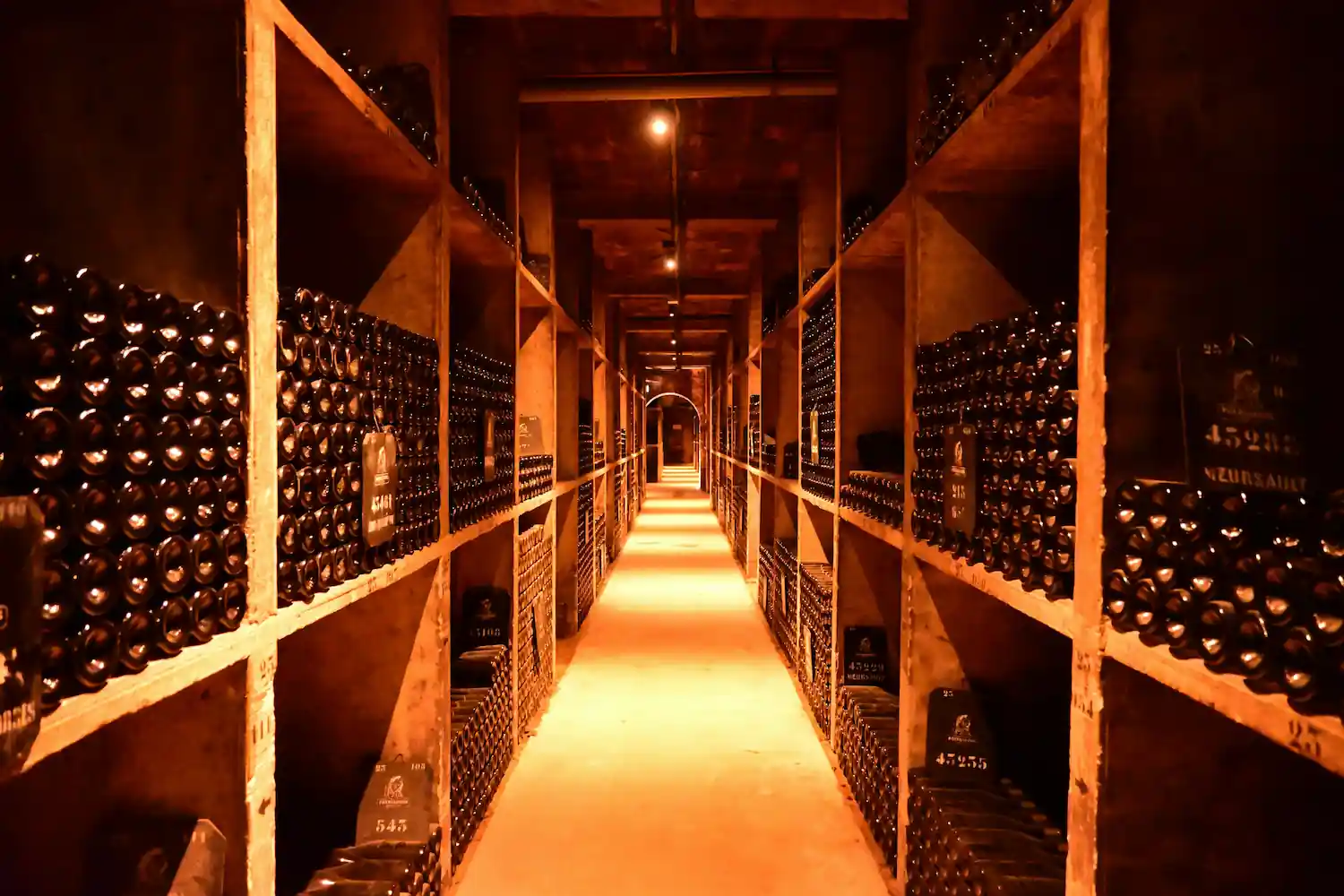
Source: Unsplash *Image is for illustrative purposes
How long unopened sake can be enjoyed actually varies by sake type.
Let me share some general guidelines!
Regular Sake Lasts About 1 Year
For regular sake that's been heat-treated twice, about one year from manufacturing date is the guideline for peak enjoyment.
This includes honjozo and junmai varieties. If stored in a cool, dark place, it maintains its flavor for about a year.
Ginjo Sake is Shorter at 8-10 Months
Ginjo and daiginjo sakes feature fruity, vibrant aromas. However, their delicate aroma compounds change easily.
So the window for peak enjoyment is about 8-10 months from manufacturing date—slightly shorter. Since these sakes highlight aroma, drinking them earlier is recommended!
Raw Sake Within 6-8 Months
"Nama" (raw, unpasteurized sake) with no heat treatment thrives on freshness!
Best to finish it within 6-8 months of manufacturing date, preferably sooner. Raw sake changes easily, so always refrigerate it.
Can You Drink Old Sake?
Bottom line: even sake from 2-3 years past manufacturing date, if unopened, is usually fine to drink health-wise.
However, taste and aroma likely change significantly.
It may turn yellowish or develop "hineka" (aged aroma)—a unique smell. While not harmful to drink, original deliciousness may be lost.
However, "koshu" (aged sake) properly managed and intentionally aged by breweries is different! Professionally crafted aged sake becomes wonderfully complex over time. For aged sake, buying from specialists is recommended, not storing at home.
Post-Opening Timeline and Storage Methods for Sake
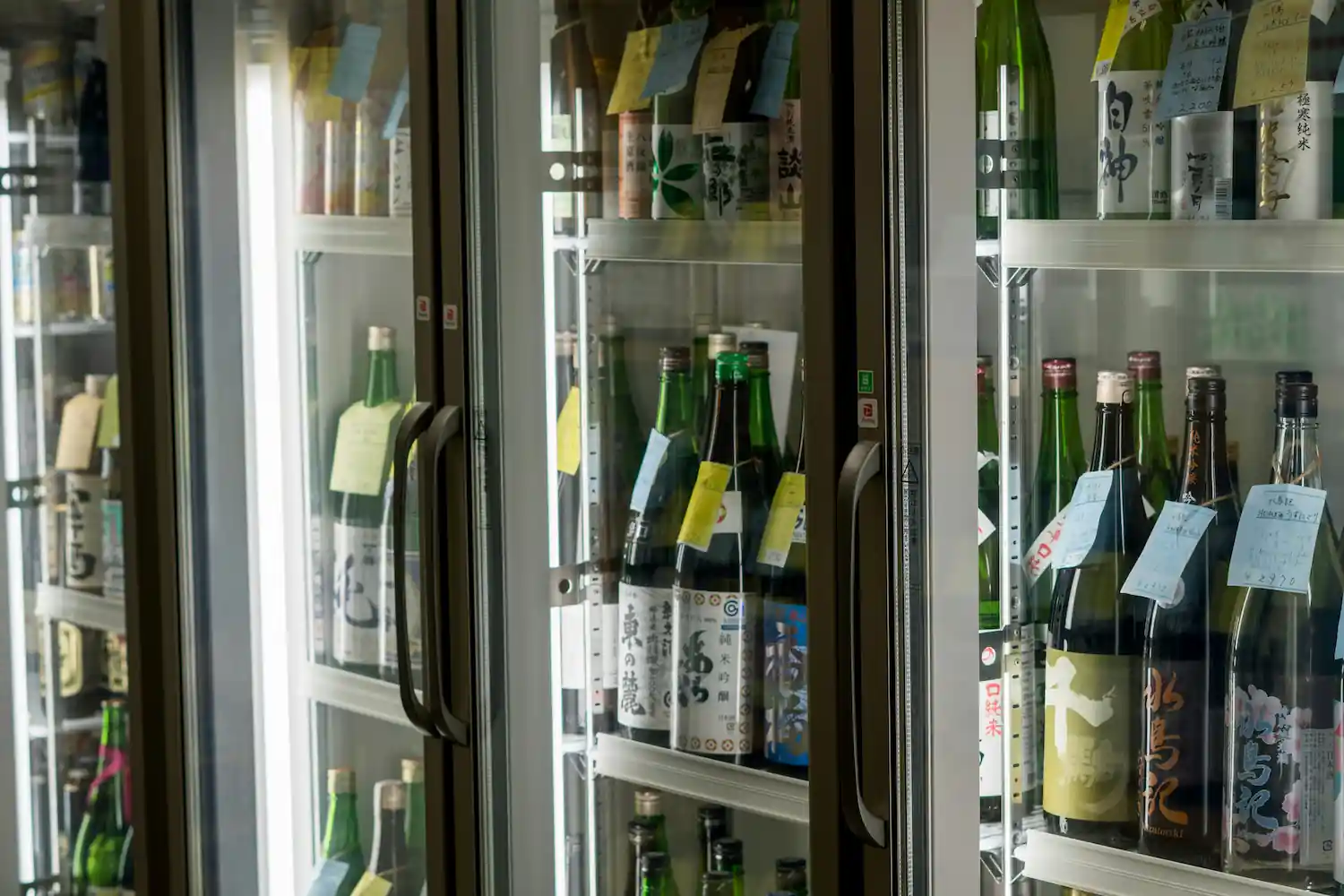
Source: Unsplash *Image is for illustrative purposes
After opening, sake begins oxidizing when exposed to air.
Unlike unopened sake, change happens rapidly!
After Opening, Drink Promptly
Once opened, finish it as soon as possible. It's the golden rule.
Guidelines by type:
- Honjozo, regular sake: About 2 weeks to 1 month after opening
- Ginjo, nama-chozo sake: About 1 week after opening
- Raw sake: Within 3-5 days after opening
Since ginjo and raw sake are about aroma, drink them soon after opening. Honjozo and regular sake change more slowly, so they're fine for about 2 weeks.
Refrigerated vs. Room Temperature Storage
After opening, regardless of type, refrigerate your sake!
Refrigeration slows oxidation. A vegetable or refrigerator drawer at about 5-8°C is ideal.
Room temperature storage accelerates change—within 3 weeks acidity strengthens, and unwanted bacteria like "hi-otoshi-kin" can proliferate.
Always store bottles upright. Laying horizontally increases air-contact surface, speeding oxidation. Unlike wine, sake shouldn't be laid sideways!
Light is also sake's enemy. Even refrigerator lighting emits UV rays, so wrapping bottles in newspaper or aluminum foil adds protection.
How to Spot Sake Degradation
Check if opened sake is degraded using three points:
Color Change
If clear sake turns yellow or brown, that's degradation. This results from chemical reaction between sugars and amino acids.
White cloudiness suggests "hi-otoshi-kin" (lactic acid bacteria) proliferation. If white and sour-smelling, avoid drinking.
Aroma Change
Degraded sake develops "hineka" (aged aroma)—a distinctive smell.
Pickled radish or shaoxing wine-like scents, burnt smells, or vinegar-like sourness are warning signs. Totally different from rice's natural richness.
Taste Change
If acidity or bitterness strengthens beyond the original flavor, that's degradation.
Sweetness and umami fade, creating an unfulfilling taste. If one sip feels unpleasant, don't force yourself to finish.
Does Sake Spoil?
Bottom line: sake basically doesn't spoil!
With alcohol content around 15%, microorganism growth is inhibited. So even when old, it rarely causes health issues.
One exception: "hi-otoshi-kin" (lactic acid bacteria) can proliferate. This special bacteria survives in alcohol. Infected sake turns white-cloudy with strong acidity and unpleasant odor.
Though not harmful to humans, flavor and aroma are severely compromised, so drinking isn't recommended. Use in cooking or discard to be safe.
Summary
Sake has no best-by date label, but an optimal drinking window exists. Unopened, about one year from manufacturing date; opened, best consumed within 1-2 weeks! Refrigerate and enjoy while fresh for best results.
To learn more about breweries nationwide, check out "Kraport," Japan's largest brewery database!
*This article uses AI for information organization, writing assistance, and proofreading. The structure and final review are conducted by the Kraport editorial team.
![[2026 Edition] Japan's Rarest Sake Ranking: 7 Phantom Brands & How to Get Them](/_next/image?url=https%3A%2F%2Fimages.microcms-assets.io%2Fassets%2F826a3c02e7914778a550c585c5136129%2Fea5556c1f22944d2baf1131914249f8d%2Fsake-sosogu.webp&w=1200&q=60)