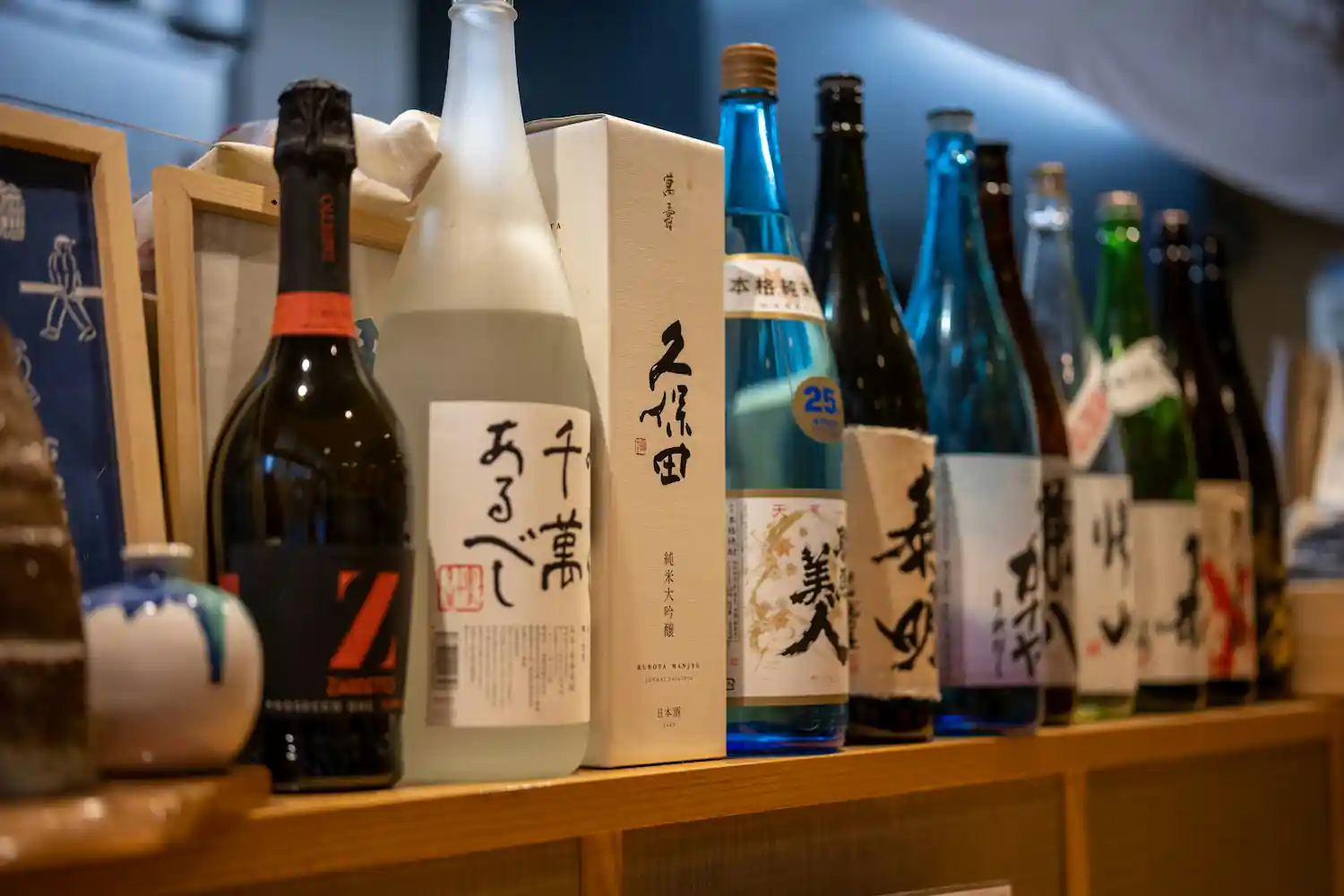
Sweet vs. Dry Sake: A Beginner's Guide to Understanding Sake Flavors
What's the difference between sweet (amakuchi) and dry (karakuchi) sake? For those wondering, we explain taste differences and how to distinguish them. From fruity, easy-to-drink varieties to clean types, we'll help you find the perfect bottle!
Mar 29, 2026

What's the Difference Between Sweet and Dry Sake?
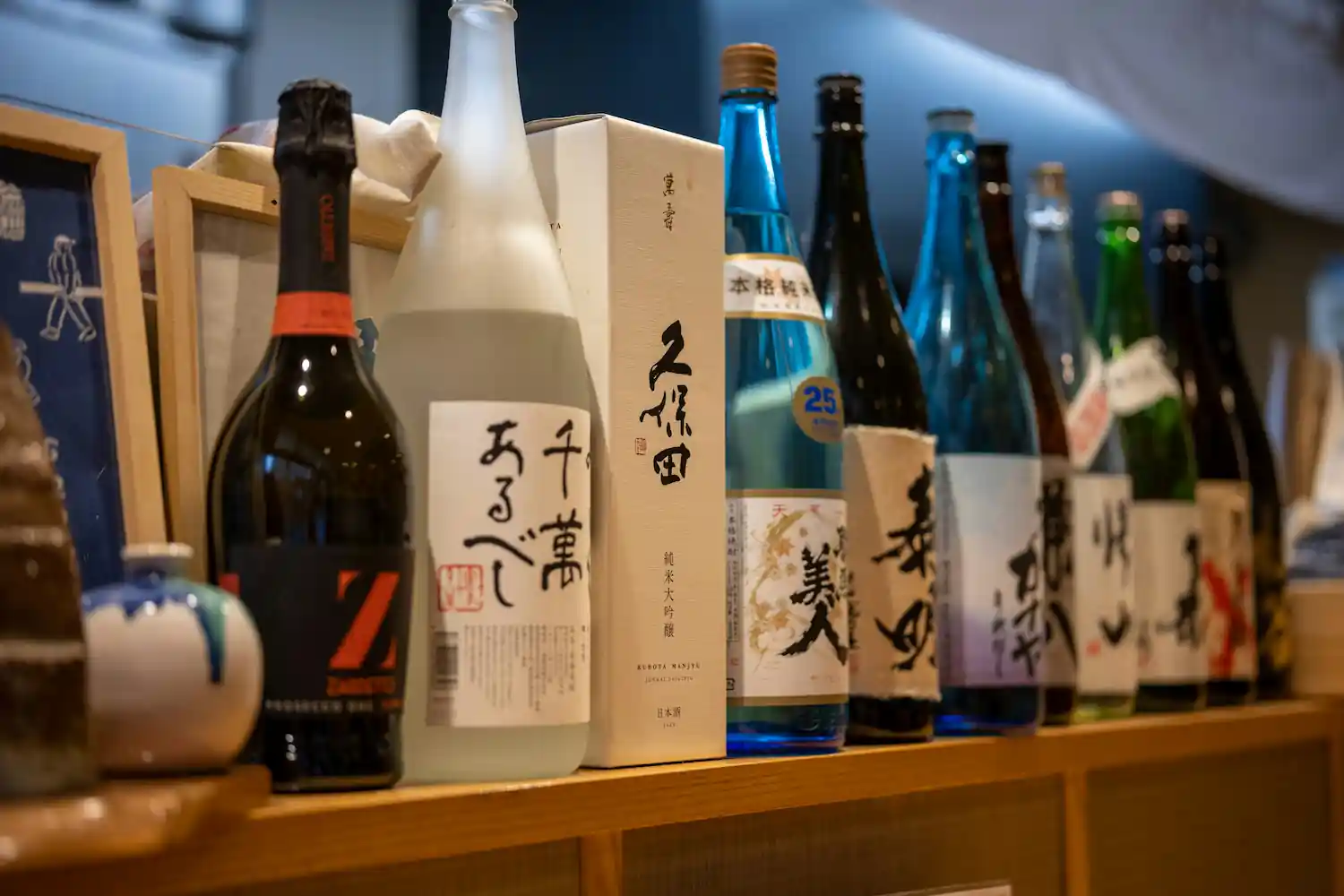
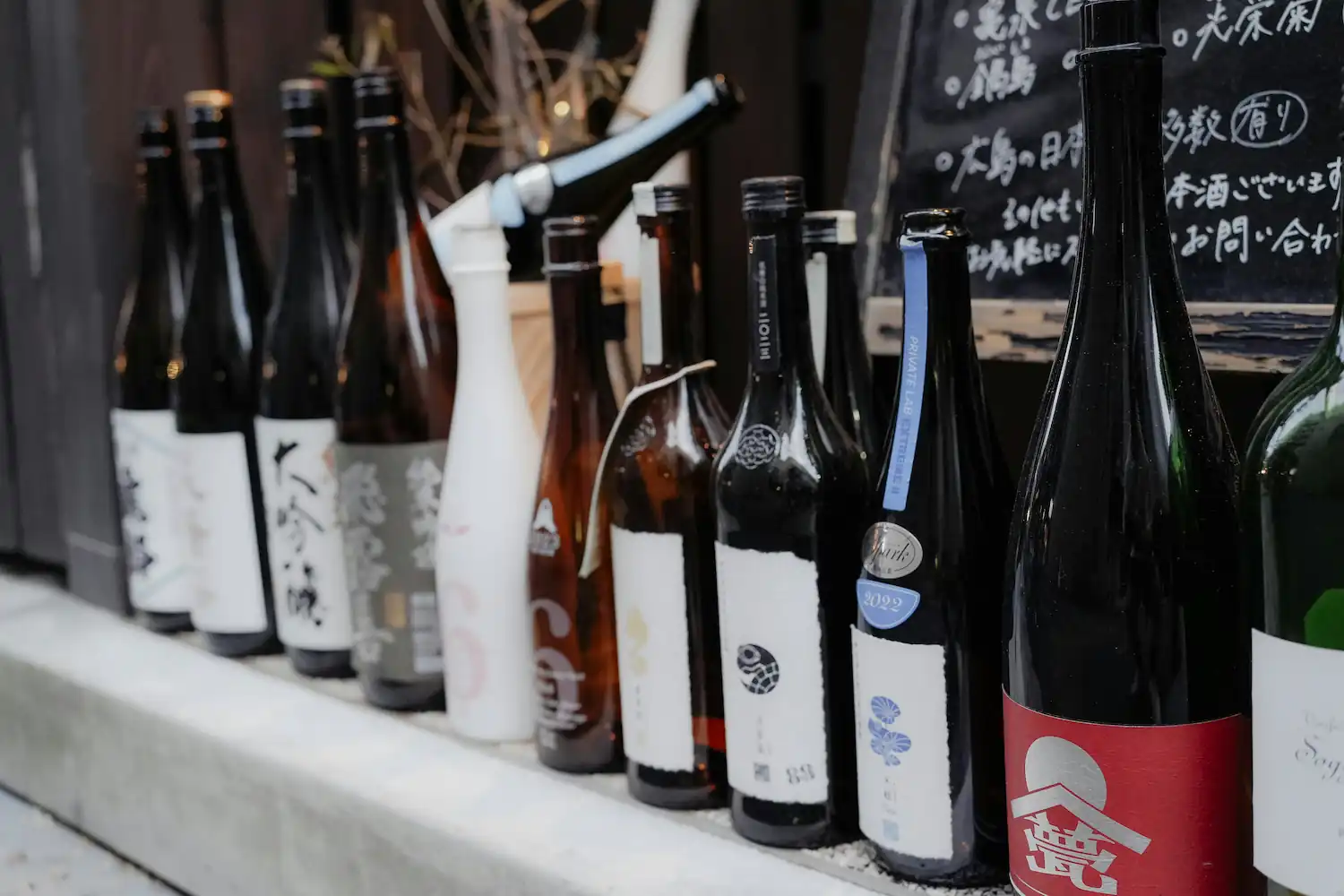
Source: Unsplash *Image is for illustrative purposes
Have you seen "sweet" and "dry" labels at bars or liquor stores? But it's hard to imagine what they actually taste like.
First, understand that sake's "dry" is completely different from chili pepper spice! In sake terms, dry means low sweetness with a crisp, clean flavor.
Sweet sake offers a gentle, mellow taste where rice sweetness unfolds softly. Some are juice-like and approachable, even recommended for first-time sake drinkers.
Dry sake is crisp and refreshing with a sharp finish. It's perfect with meals!
The key to telling them apart is a number called "sake meter value." You'll find it on most bottle labels—look for it!
Sweetness Level by Sake Meter Value
"Sake meter value" sounds complex, but it's actually simple! It's a number showing the sugar content in sake.
The number is shown with plus (+) or minus (−) signs:
- Larger positive number: Less sugar → Dry
- Larger negative number: More sugar → Sweet
Here's an example:
- +10: Very dry (extremely crisp)
- +5: Dry (fairly crisp)
- 0: Right in the middle
- −5: Sweet (fairly sweet)
- −10: Very sweet (noticeably sweet)
For beginners, try sake with meter values between −5 and +5. Not too extreme, letting you experience the flavor differences!
Other Flavor Elements Beyond Sweet and Dry
Actually, sake meter value isn't the only thing determining flavor! Another important number is "acidity."
Acidity shows the "sourness" level. Think of lemon sourness for reference.
High acidity makes flavor crisp and sharp, creating a refreshing, clean impression. Even sweet sake with high acidity doesn't feel cloying—it drinks smoothly!
Low acidity creates mellow, gentle flavor with a soft mouthfeel.
So you get combinations like:
- Sweet + High acidity = Fruity and refreshing
- Sweet + Low acidity = Richly sweet
- Dry + High acidity = Sharp and clean
- Dry + Low acidity = Mellow and gentle
Checking both meter value and acidity helps you find sake matching your preference!
Sweet Sake: Characteristics and Appeal
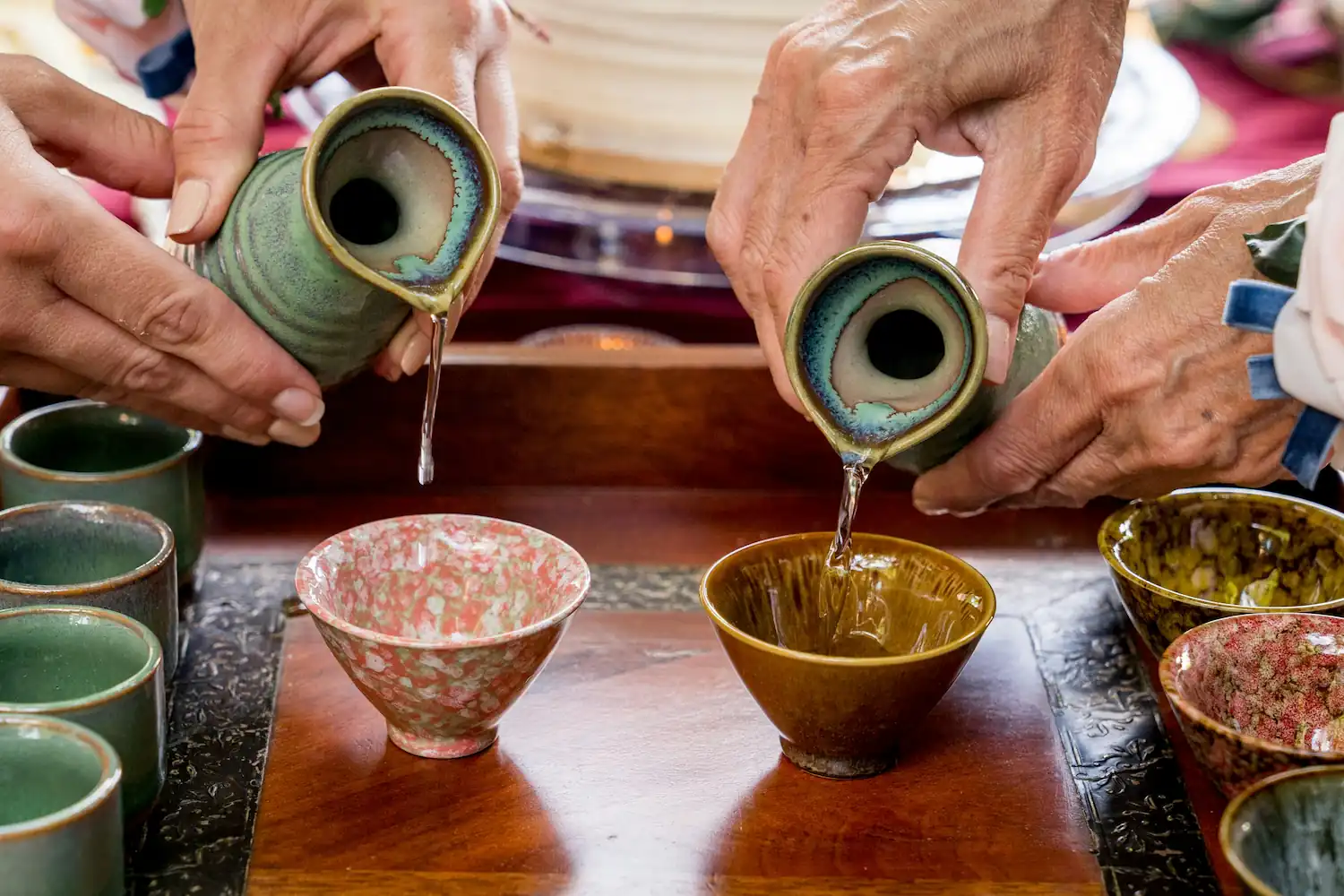
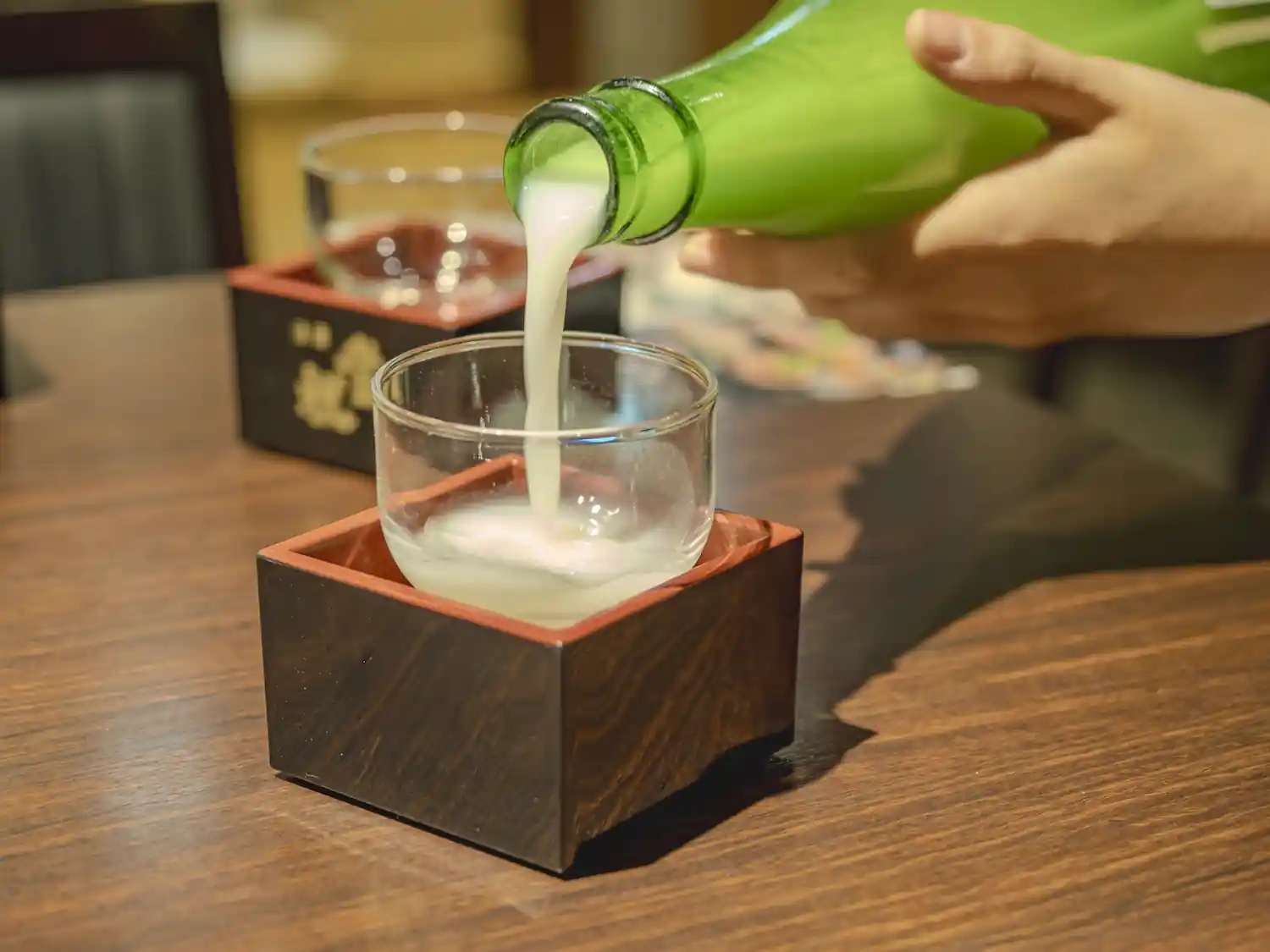
Source: Unsplash *Image is for illustrative purposes
Sweet sake is perfect for sake debut! Even those saying "alcohol isn't for me..." often exclaim "I can drink this!" when tasting its gentle flavor.
Sweet sake's charm is its fruity aroma and ease of drinking. Melon, apple, or peach-like vibrant aroma spreads softly, and you feel rice's gentle sweetness on the palate.
People unused to alcohol often feel "This is delicious!" with sweet sake. Recently, variations like micro-sparkling and nigori (cloudy) sake have expanded the options.
Enjoy chilled—ice-cold is like drinking juice. Perfect for girl's night and home parties!
Representative Sweet Sake Flavors
Sweet sake actually comes in types. Broadly speaking, two:
Clean sweet type is sweet but crisp-finishing, perfect for guzzling. Fruity, fresh aroma is its trademark. Try this if you think sake is overly sweet!
Rich sweet type is dessert-like luxury with concentrated rice umami. Enjoy slowly over special moments. Pairs beautifully with cheesecake or chocolate!
Both types shine when served in wine glasses—the aroma really opens up and tastes better. Try it!
Dry Sake: Characteristics and Appeal
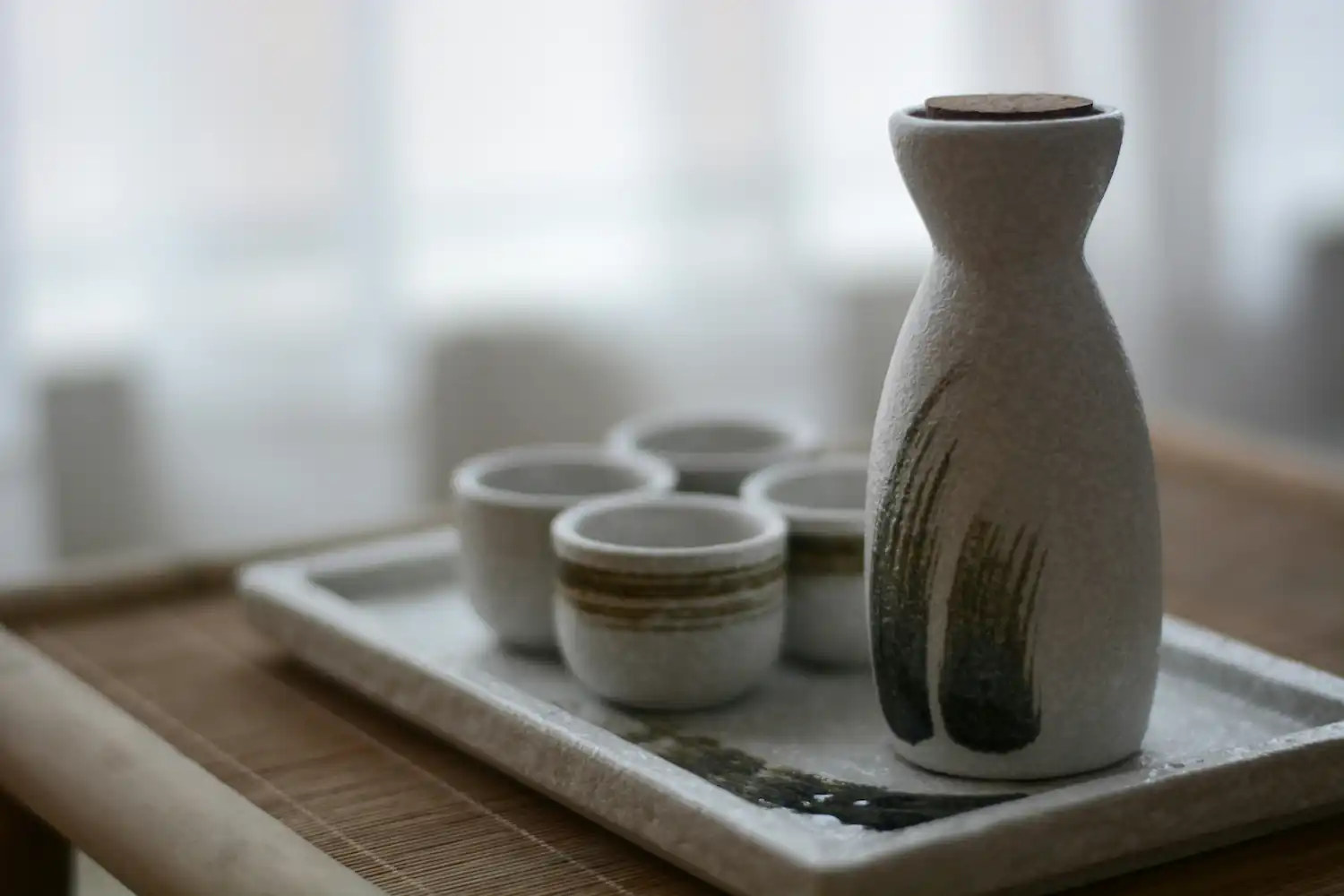
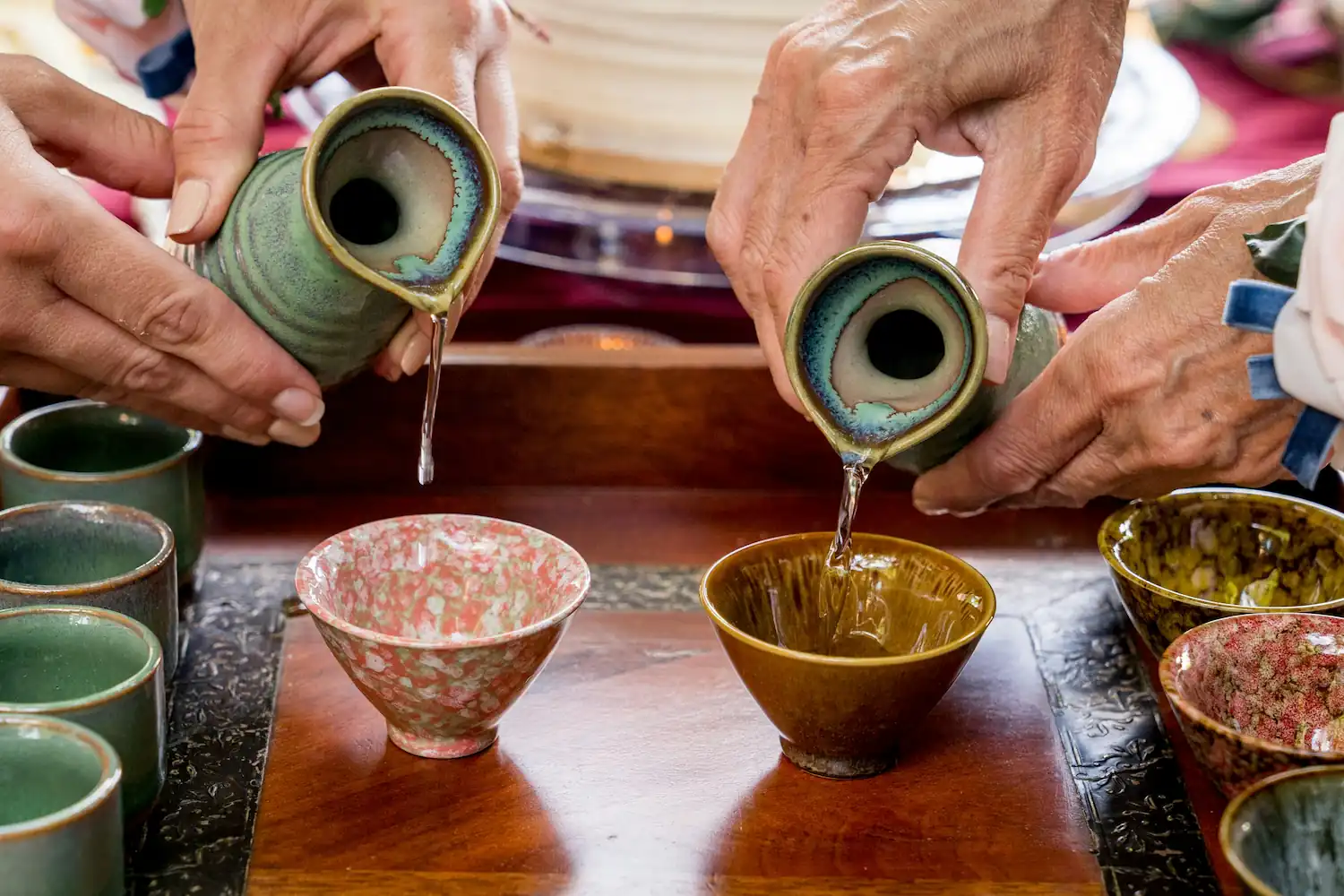
Source: Unsplash *Image is for illustrative purposes
"Dry" might sound peppery spicy, but it's completely different! Sake's dry means low sweetness with a crisp, clean taste.
Dry sake's greatest appeal is pairing perfectly with food! Fish dishes, grilled chicken, hot pot—it complements all. It doesn't overpower dishes; it enhances them!
Dry sake's finish is sharp and clean, making you crave the next bite. Perfect for sipping while eating!
For those saying "sweet alcohol isn't for me" or "I want to enjoy food while drinking," dry is recommended. It might feel hard to drink initially, but as you adjust, you'll understand dry sake's appeal, becoming a fan quickly.
Representative Dry Sake Flavors
Dry sake also has types.
Light dry type is smooth-flowing with refreshing finish. Common in Niigata, it's perfect ice-cold in summer! Approachable even for beginners.
Rich dry type shows rice umami while keeping the finish clean. Warm it to "nuru-kan" temperature, and umami blooms softly—perfect for cold seasons with oden or silken tofu!
Dry sake's interesting trait is how temperature changes the taste. Chilled, it tastes crisp and sharp. Warmed, it becomes gentle and mellow. Same sake, multiple ways to enjoy!
Tips for Beginners Choosing Sake
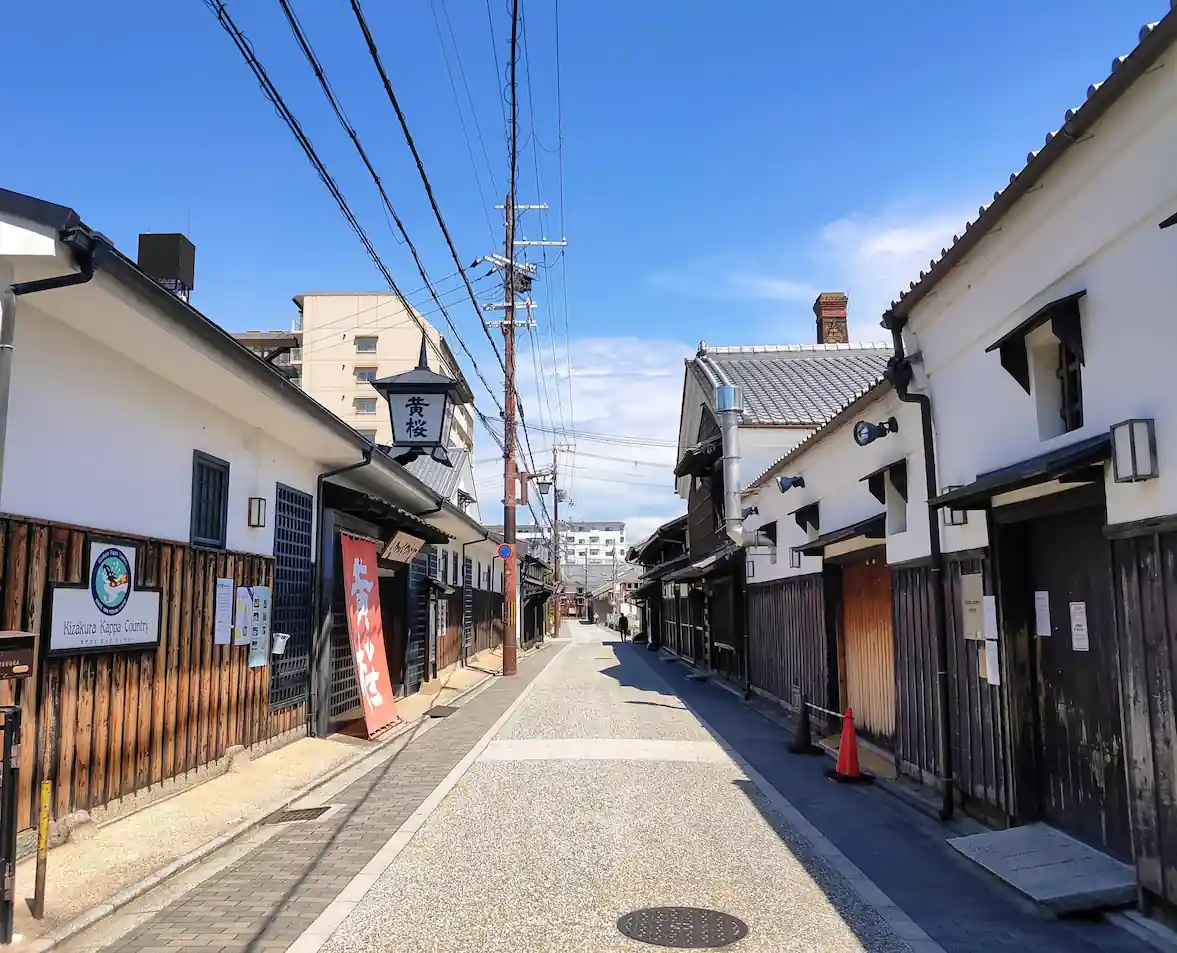
Source: Unsplash *Image is for illustrative purposes
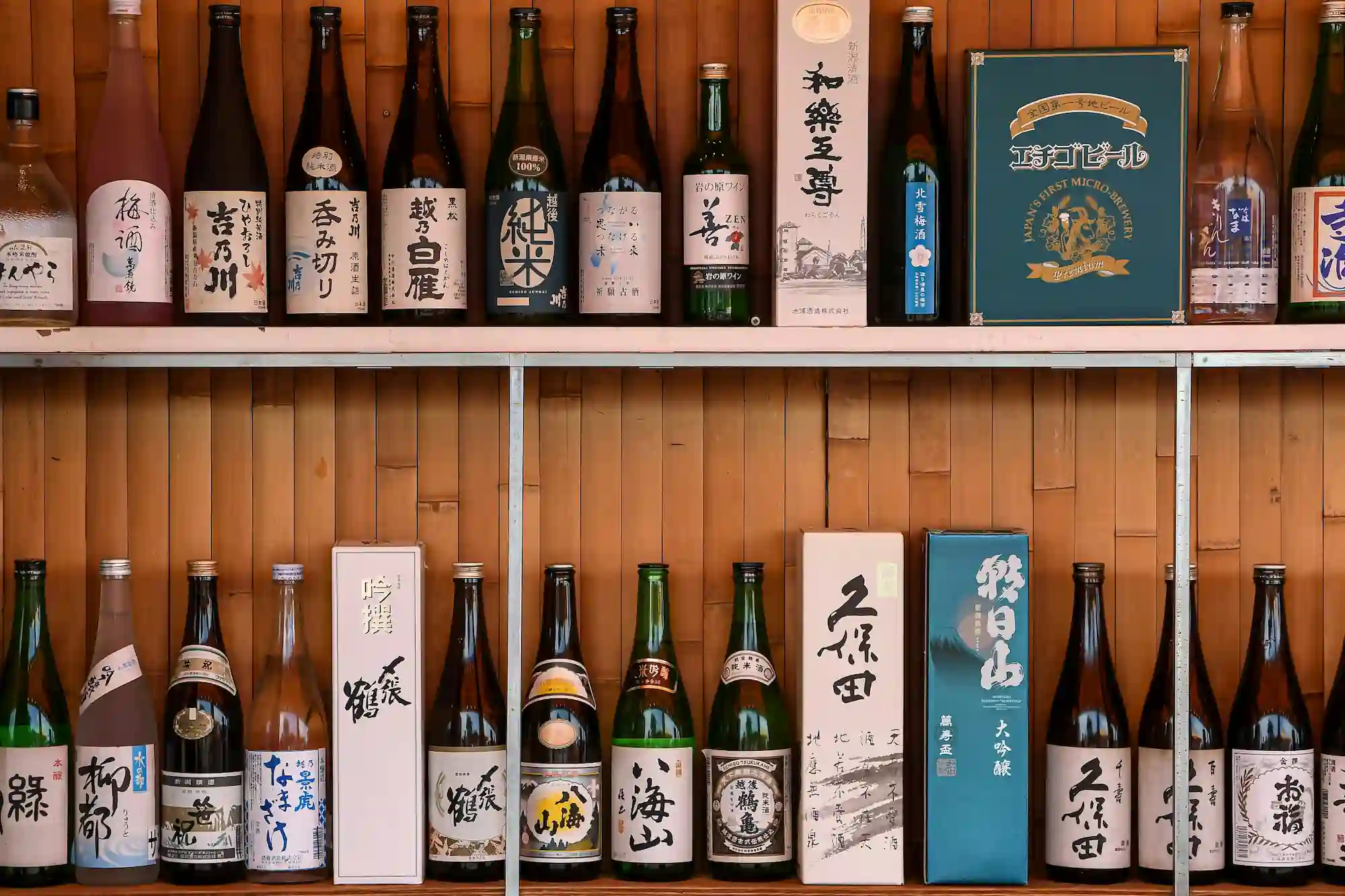
At sake shops, rows of bottles can leave you wondering, "Which to pick?" Here's a simple selection guide!
Step 1: Check the Label
Look at the "sake meter value" on the label. Negative (−) indicates sweet, positive (+) indicates dry trend.
For beginners, meter values between −3 and +3 are recommended. Not extreme, usually easy to drink!
Step 2: Choose by Look!
Labels that look cute, stylish, or cool? That's a valid selection method! Actually, sake with youth-oriented label designs are often fruity and approachable. Judging by appearance is a legitimate approach!
Step 3: Ask the Staff
Tell the sake seller or restaurant staff, "This is my first time—do you have easy-to-drink sake?" They'll kindly guide you!
If brewery tours interest you, search Kraport for nationwide brewery info. Finding and visiting breweries, seeing production firsthand, then choosing sake is fun! Learning the maker's vision makes the sake more meaningful.
Verify Flavor Balance
Sake flavor depends not just on sweetness but also on sourness balance!
Imagine lemonade. Even sweet lemonade is refreshing due to lemon sourness, right? Sake works the same way!
Sweet with high acidity avoids cloyness, creating refreshment. Fruity, drinkable sake is usually this type.
Sweet with low acidity offers richly sweet, dessert-like flavor. Perfect for post-meal slow sipping!
Dry with high acidity is sharp and clean, making meals progress smoothly.
Dry with low acidity is soft and mellow. Dry but surprisingly approachable!
Initially, don't overthink—try various sakes! When you find "I love this!" sake, check its label and seek similar types.
Summary
Understand the sweet and dry sake difference? Sweet is fruity and gentle, dry is crisp and clean. Both are appealing. Using label meter values as reference, try various types and find your favorite!
*This article uses AI for information organization, writing assistance, and proofreading. The structure and final review are conducted by the Kraport editorial team.
![[2026 Edition] Japan's Rarest Sake Ranking: 7 Phantom Brands & How to Get Them](/_next/image?url=https%3A%2F%2Fimages.microcms-assets.io%2Fassets%2F826a3c02e7914778a550c585c5136129%2Fea5556c1f22944d2baf1131914249f8d%2Fsake-sosogu.webp&w=1200&q=60)