What Is Nigori Sake? The Complete Guide to Japan's Cloudy Sake
Nigori sake is a distinctive Japanese sake full of rice umami, visually and flavor-wise. From sweet (amakuchi) varieties approachable to beginners through crisp types, we explain the rich appeal of nigori sake in easy-to-understand terms!
Mar 29, 2026

What is Nigori Sake? Understanding the Difference from Regular Japanese Sake
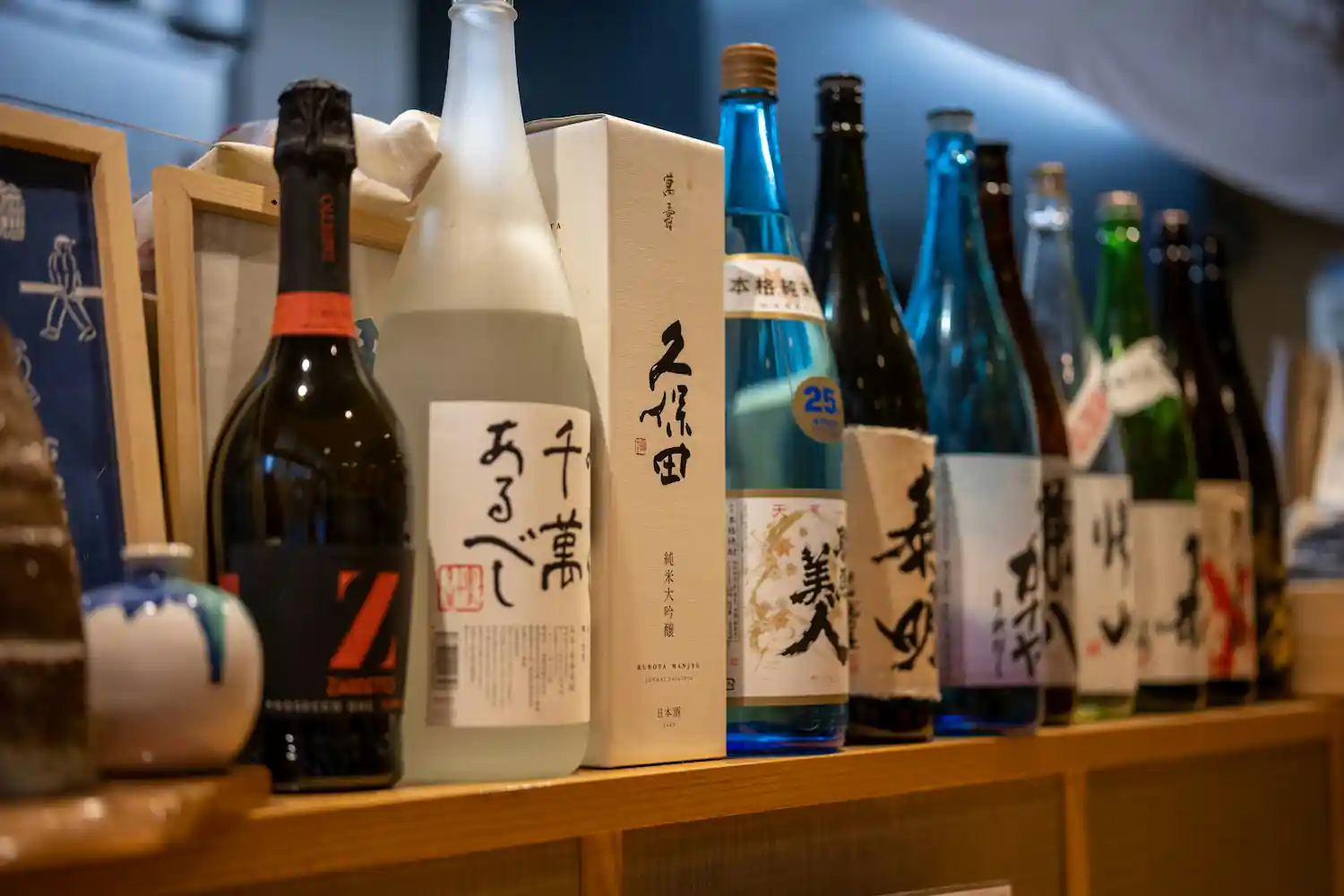
Source: Unsplash *Image is for illustrative purposes
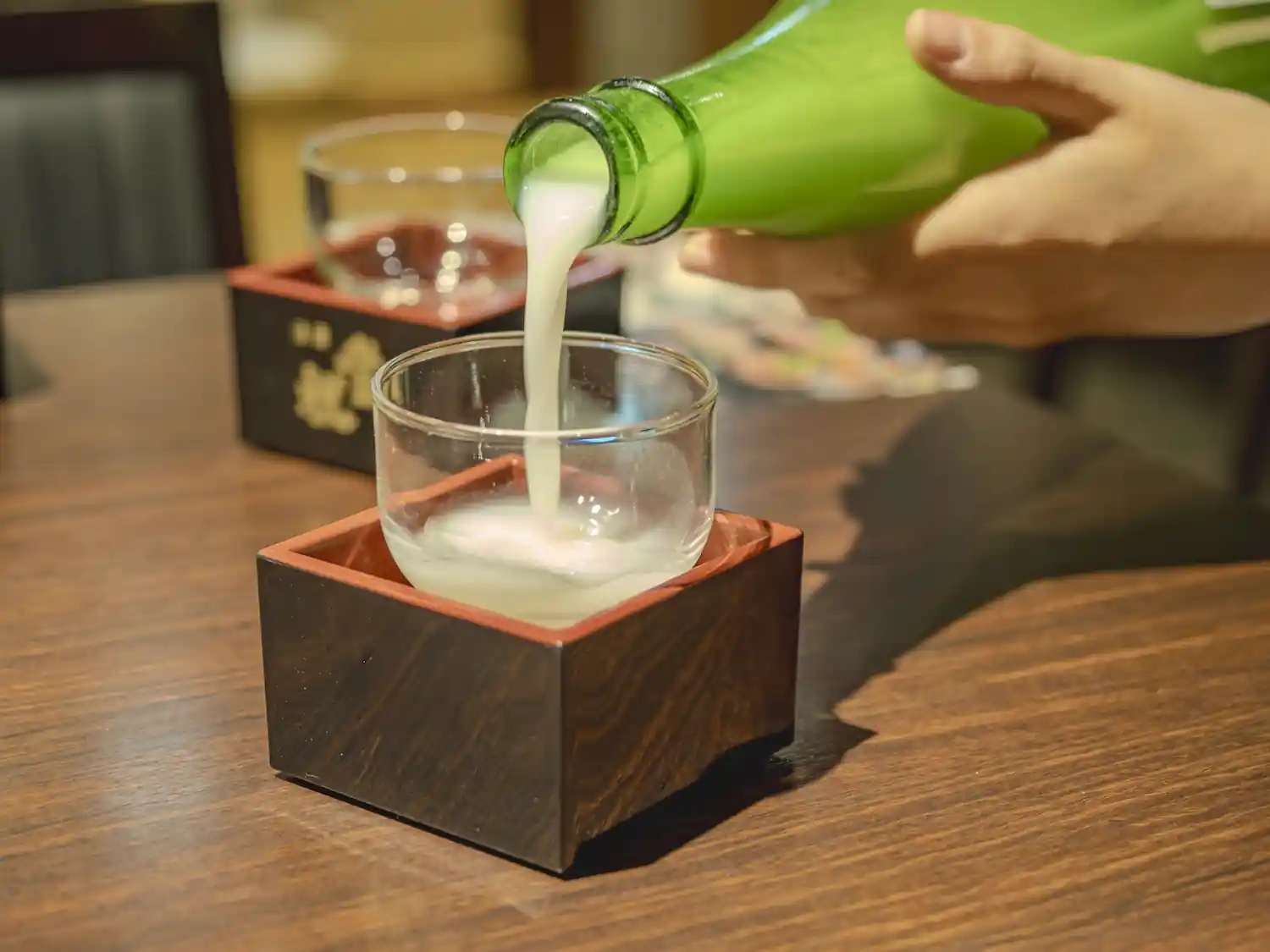
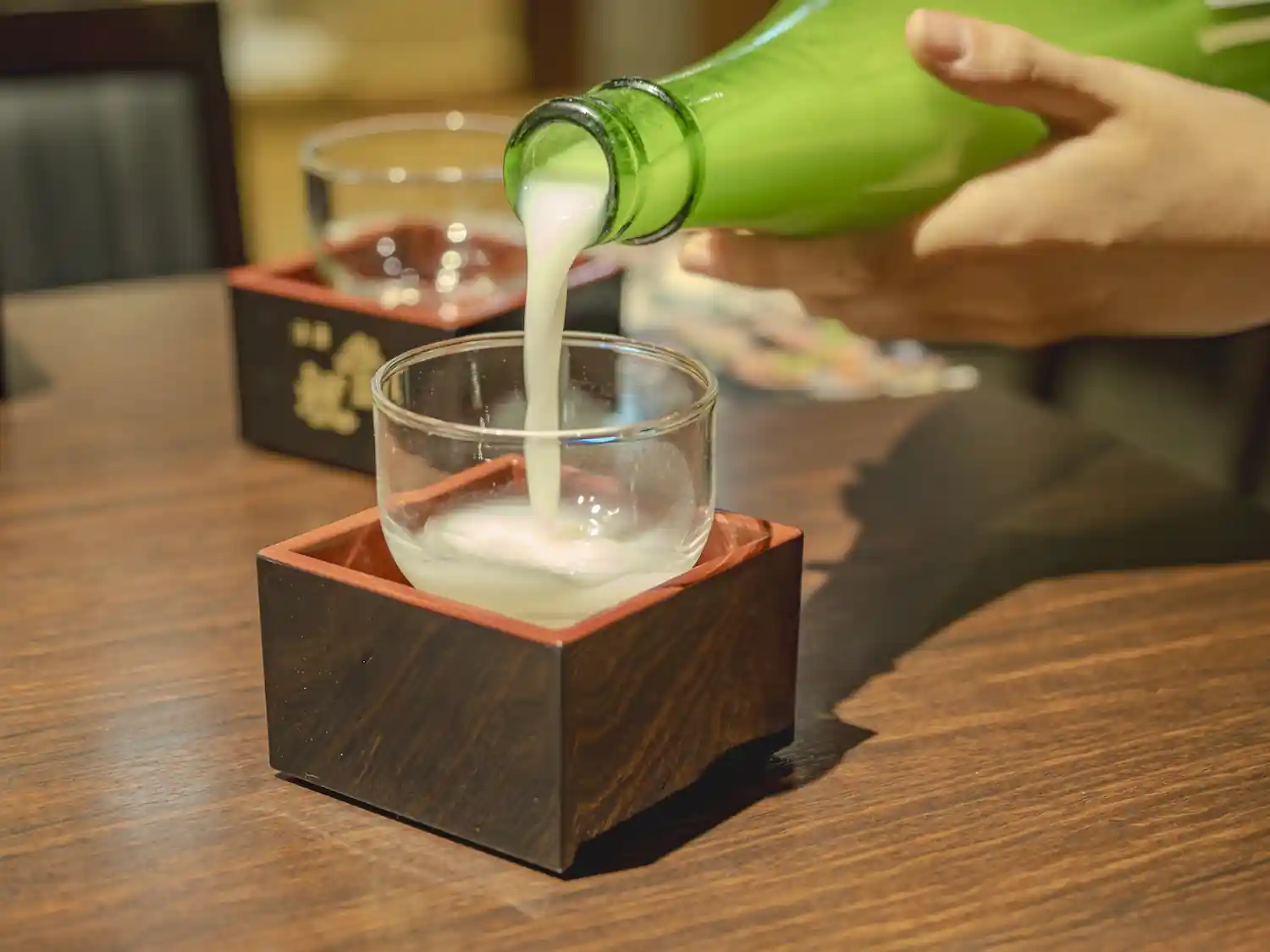
Nigori sake is Japanese sake characterized by its white, cloudy appearance, as the name suggests!
While regular sake is transparent and clear, nigori sake is pure white, with a beauty like fresh snow. The white color comes from "ori," fine particles of rice and yeast sediment.
Nigori sake is made from rice, water, and koji just like regular sake. Only the final step is a bit different. Regular sake is thoroughly filtered to remove all sediment. But nigori sake uses a coarse cloth filter, leaving the sediment!
This sediment contains abundant rice umami and sweetness. That's why nigori sake has a concentrated, mellow flavor. The alcohol taste typical of sake also diminishes, making it easy to drink even for those who aren't strong alcohol drinkers.
What's the Difference from Regular Japanese Sake?
The biggest difference between nigori and regular sake is appearance. Transparent versus white-cloudy is immediately obvious!
But that's not the only difference. Taste also differs significantly. Nigori sake has rice mash components remaining, creating a smooth mouthfeel. It has gentle sweetness and richness like amazake (sweet rice drink).
Alcohol content also varies from 13-21%. Regular sake typically stays around 15%, but nigori varies by product. Lighter versions are approachable even for beginners!
The Brewing Method for Nigori Sake
Nigori sake is basically brewed the same way as regular sake. Rice is fermented into a state called "moromi" (mash). This moromi is a thick liquid where sake and sake lees are still mixed.
Regular sake is placed in a sake bag and squeezed firmly. This separates it cleanly into liquid sake and solid sake lees.
Nigori sake, by contrast, uses a coarse cloth or sieve for loose filtering. This leaves sediment called ori. This extra step creates nigori sake's unique taste.
Interestingly, "doburoku" (similar to nigori) skips filtering entirely. Since it's unfiltered mash, it's classified differently under tax law. Nigori is "seishu" (clear sake), while doburoku is "other fermented alcohol."
Nigori Sake's Characteristics and Flavor Profile
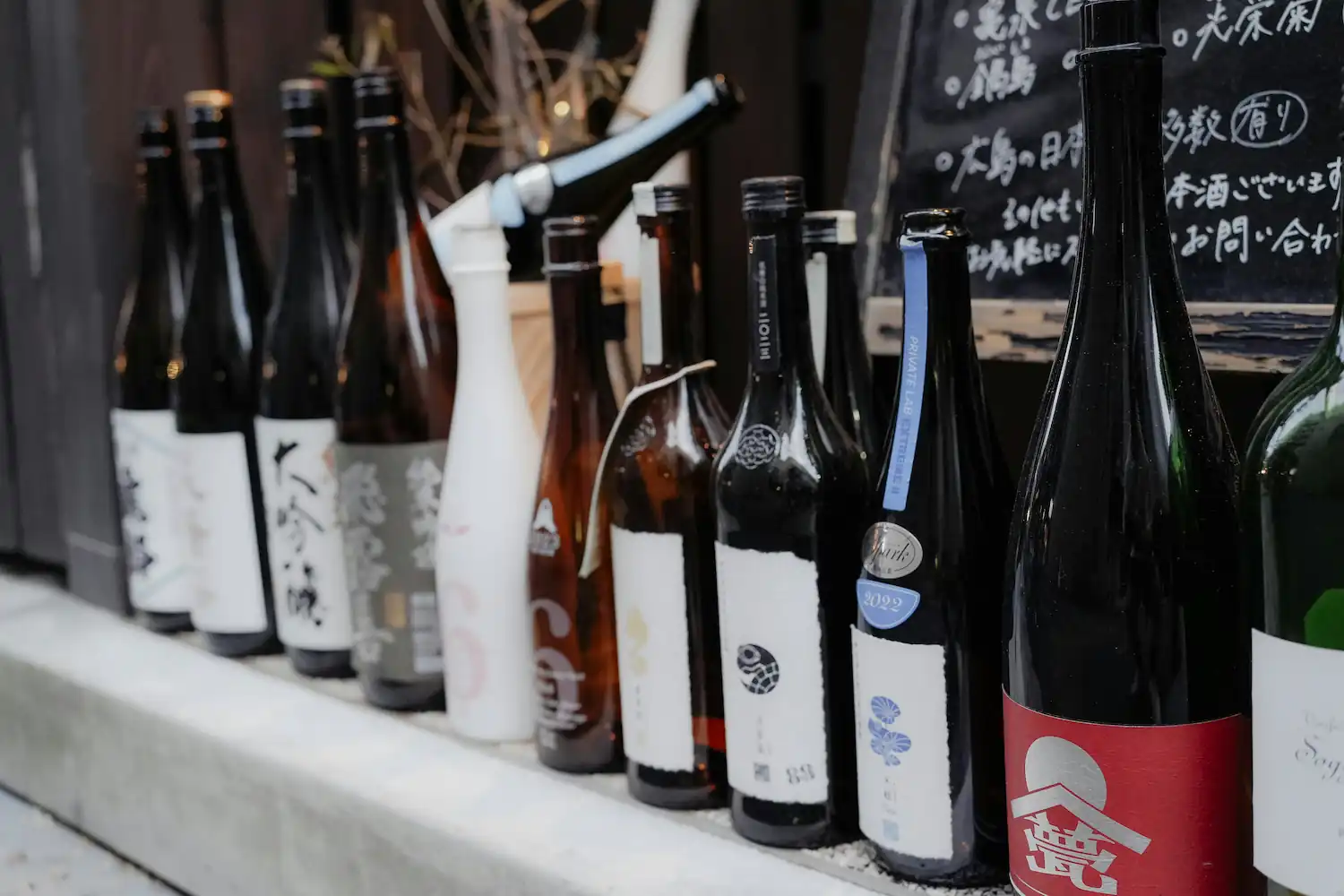
Source: Unsplash *Image is for illustrative purposes
Nigori sake has appeal beyond just appearance, with distinctive aroma and flavor too!
When poured into a glass, a snowy white liquid spreads beautifully. In the bottle, you'll often see two layers: transparent liquid on top and white sediment at the bottom. This separation is characteristic of nigori sake.
The aroma centers on rice's natural richness. Some have fruity notes, others gentle amazake-like aromas. Compared to regular sake, nigori's aroma is characteristically soft and approachable.
The flavor is wonderfully creamy! Packed with rice sweetness and umami, it offers a velvety mouthfeel. Acidity is usually mild, creating an overall gentle flavor.
From Sweet to Crisp! A Range of Flavor Variations
You might think nigori means sweet, but there are actually various types!
Sweet type features pronounced rice sweetness, offering gentle, mellow flavor like amazake. Often lower in alcohol content, recommended for women and beginners. Enjoy it like dessert after meals.
Dry type features crisp, clean finish while retaining rice umami with a clean aftertaste. This pairs well with meals, matching not just Japanese cuisine but Western and Chinese food too!
Light nigori type is subtly cloudy as the name suggests. Not overly concentrated, perfect for nigori introduction. With a light, smooth mouthfeel, it's exceptionally easy to drink.
Taste balance between sweetness and acidity, plus alcohol content, determines the final character. Even sweet varieties with strong acidity feel crisp, while higher ABV creates a sharp finish. Try various types to find your favorite!
Micro-Sparkling Types Offer Special Enjoyment
Among nigori sakes, micro-sparkling types are especially popular! Also called "active nigori" or "sparkling nigori."
This micro-sparkling type skips heat treatment. The yeast remains alive in the bottle, continuing fermentation. When opened, you hear a delightful fizz as carbonation bubbles pop!
The flavor beautifully combines nigori's concentration with sparkling freshness. Rice sweetness remains while carbonation adds liveliness—incredibly easy to drink! It's like sake's version of sparkling wine.
Use it for toasts and you'll create a festive atmosphere! Perfect for parties and celebrations. Most are lower alcohol, so even those who don't handle strong alcohol well can enjoy them.
However, micro-sparkling types require a special opening technique. We'll explain in detail in the next section!
Recommended Ways to Enjoy and Open Nigori Sake
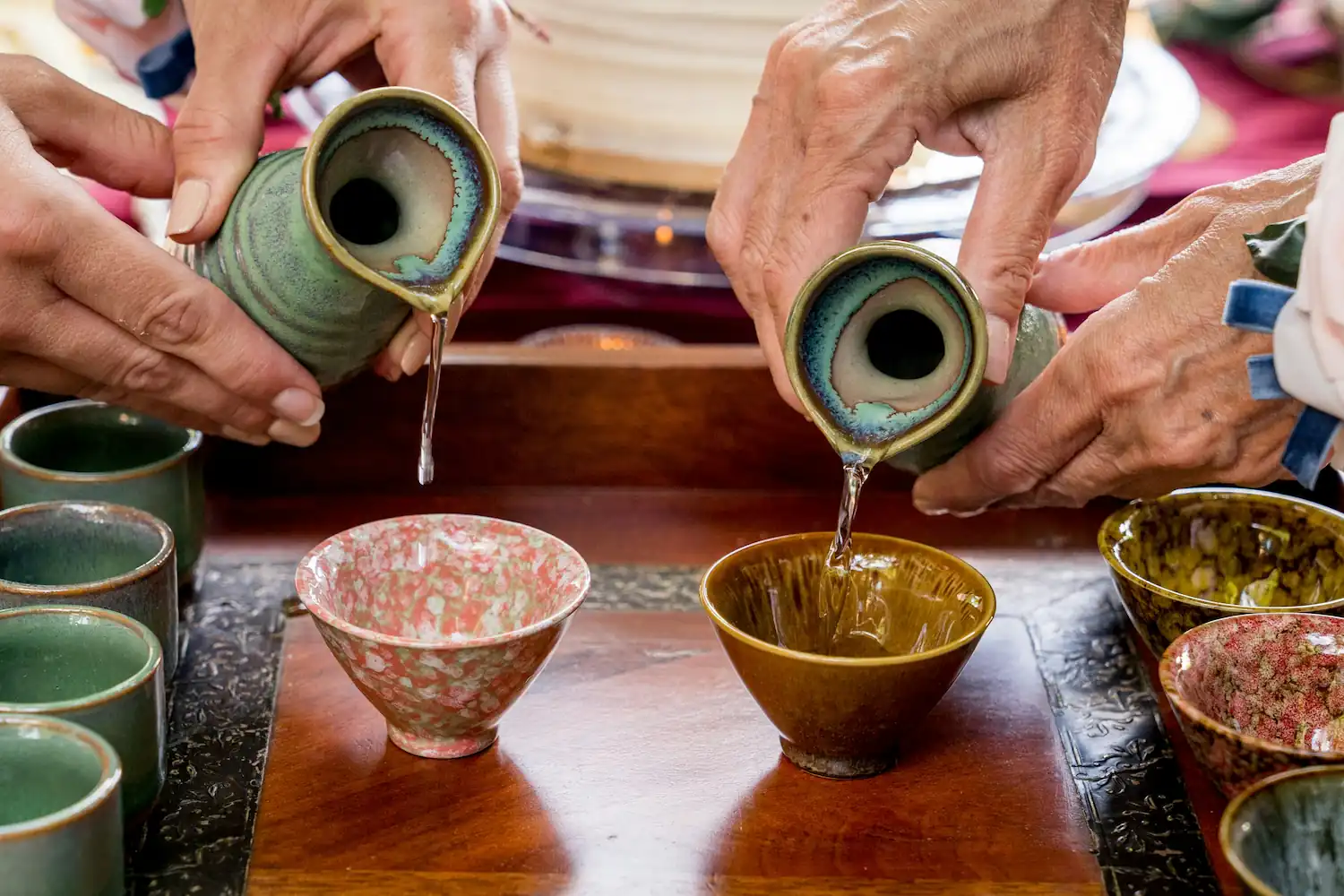
Source: Unsplash *Image is for illustrative purposes
To maximize nigori sake enjoyment, learn the correct opening and drinking methods!
Safe Opening Method for Beginners
First, opening regular nigori (non-sparkling type) is simple—just open like regular sake.
However, one trick before pouring makes it more delicious. Gently rock the bottle up and down to mix the settled sediment. This lets you experience nigori sake's distinctive creamy flavor.
Micro-sparkling type opening requires care. Since fermentation continues in the bottle, opening suddenly can cause eruption!
Safe opening steps:
- Chill thoroughly in refrigerator: Cooling slows fermentation momentum
- Don't shake the bottle: Shaking before opening leads to chaos!
- Open gradually: Loosen the screw cap slightly, let fizz escape, immediately retighten. Repeat this process multiple times to gradually release gas
- Allow time: Some bottles require 20-30 repetitions. Start opening about 30 minutes before drinking
Labels saying "beware of eruption" require extra caution. Recently, caps with small holes for natural gas release are becoming common. These are safe even for beginners!
Chilled or Warmed? Recommended Drinking Methods
The basic way to enjoy nigori is chilled!
Especially sparkling types shine when cold. Thoroughly chilled and poured into a glass, then gulped down. On hot summer days it's amazing!
Heat-treated nigori sake is also delicious warmed to "nuru-kan" temperature (lukewarm, around 35-40°C). Warming to this temperature lets rice sweetness bloom delightfully, increasing melloness. If you love velvety richness, try this! Enjoy with hot pot dishes on cold winter days!
Two-stage enjoyment is a unique nigori method. First, pour just the clear top layer without mixing. You'll taste clean, gentle sweetness. Then slowly mix the bottle and repour, including white sediment. The taste transforms to concentrated, creamy richness. One bottle, two delicious tastes—a bargain!
Creative mixing is fun too. Mix with sparkling water for nigori sake highball! A 1:1 ratio of nigori to sparkling water is recommended. It becomes wonderfully refreshing, highly drinkable. Mixing with orange juice surprisingly works too.
To find breweries making nigori sake nationwide, search on Kraport. You'll find brewery information by region and locations offering tours!
Nigori Sake Storage and Important Notes
Nigori sake basically requires refrigeration!
Especially micro-sparkling or "nama" (raw, unpasteurized) types lack heat treatment, so room temperature fermentation continues. Flavor changes, and caps can pop with disastrous results...! Always keep upright in refrigerator.
Even heat-treated types, containing sediment, spoil easier than regular sake. Avoid direct sunlight and heat; preferably store in the refrigerator.
Post-opening shelf life requires attention too. Unheated types are best consumed within 2 weeks. Heat-treated types should also be consumed within 2 weeks after opening. Even unopened, finish within 6 months of production date.
Nigori sake is called "evolving sake." Over time, color and flavor change easily. Most breweries ship it at optimal drinking stage. So drinking soon after purchase is the best way to enjoy it!
When storing, never lay bottles sideways. Especially sparkling types can leak when horizontal. Always store upright.
Summary
Nigori sake charms with its white, cloudy appearance and mellow flavor packed with rice umami. With varied offerings from sweet to dry and sparkling types, you'll certainly find your favorite! Master opening and drinking techniques to fully experience nigori sake's world.
*This article uses AI for information organization, writing assistance, and proofreading. The structure and final review are conducted by the Kraport editorial team.
![[2026 Edition] Japan's Rarest Sake Ranking: 7 Phantom Brands & How to Get Them](/_next/image?url=https%3A%2F%2Fimages.microcms-assets.io%2Fassets%2F826a3c02e7914778a550c585c5136129%2Fea5556c1f22944d2baf1131914249f8d%2Fsake-sosogu.webp&w=1200&q=60)