What Is Nama-Sake? Unpasteurized Sake Features, Storage & Everything You Need to Know
Nama-sake is sake that has never undergone "fire-heating" (heat treatment) during manufacturing. By avoiding pasteurization, it preserves fresh-pressed flavor and fruity taste! This article thoroughly explains nama-sake's characteristics, pronunciation, differences from pasteurized sake, why refrigeration is necessary, and shelf life—all in beginner-friendly language.
Mar 29, 2026

What is Nama-Sake? Unpasteurized Sake
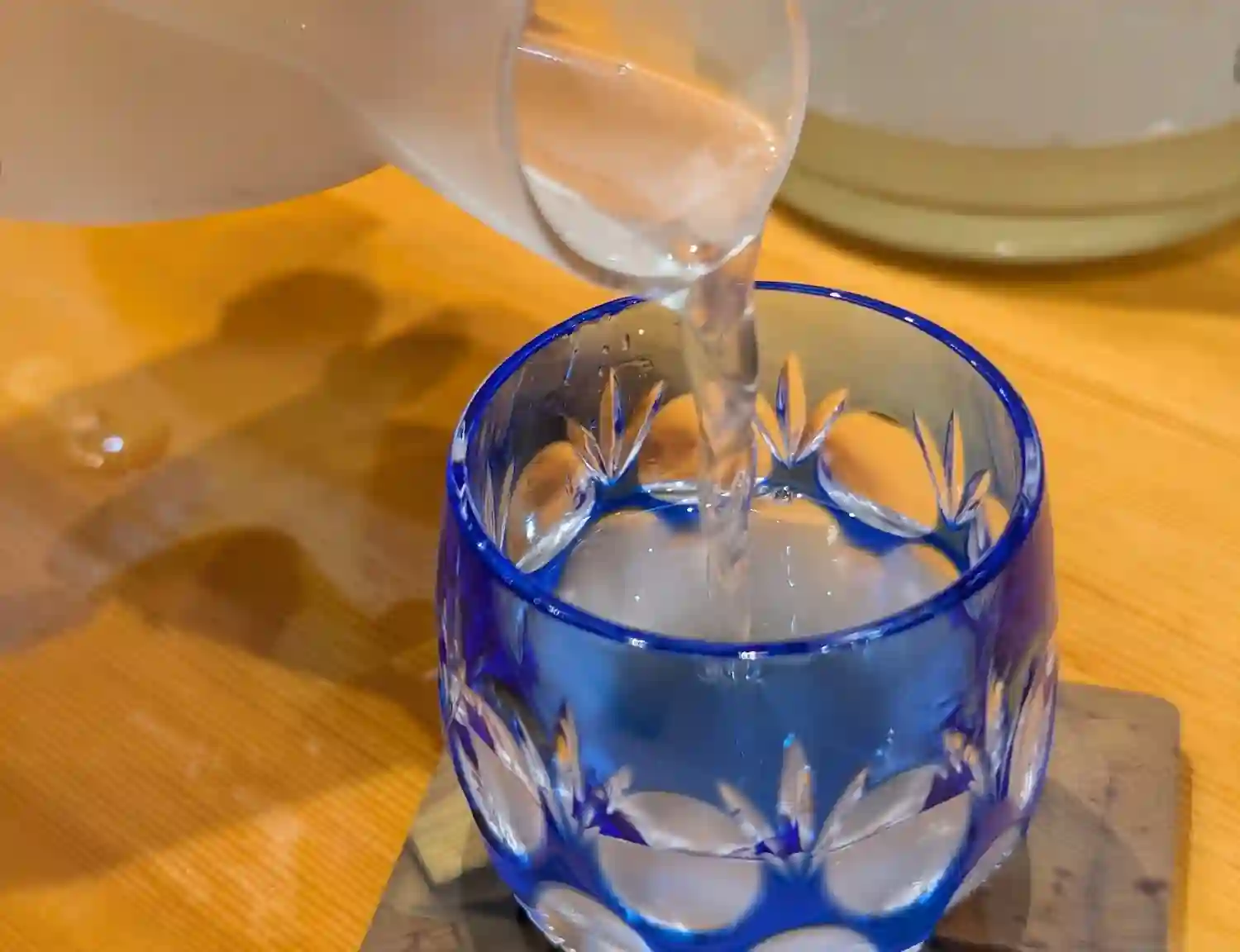
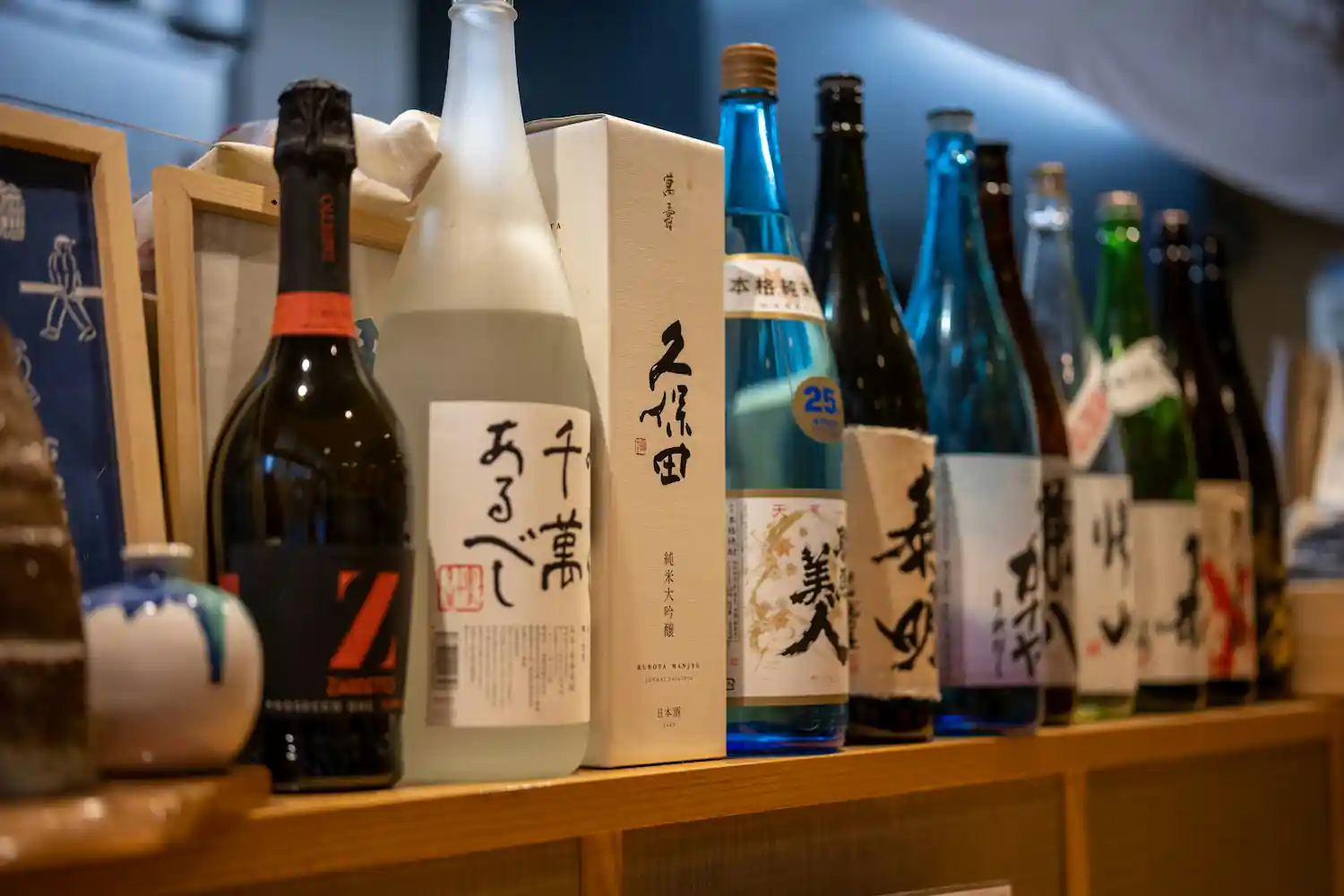
*Image is for illustrative purposes
Nama-sake is sake that has never undergone "hi-ire" (heat treatment/pasteurization) during manufacturing!
Standard sake undergoes "hi-ire" twice—once after pressing and again before bottling. Heat treatment at approximately 60°C pasteurizes sake, stopping enzyme activity that promotes aging while stabilizing quality.
Conversely, nama-sake receives no heat treatment whatsoever—truly "raw" sake. This creates distinctly unique charm compared to standard sake!
Nama-sake is pronounced "namazake." Most liquor shops and restaurants call it "namazake," and Japanese dictionaries list it this way. While some industry members call it "namashu," "namazake" is the generally recognized correct pronunciation.
The Secret Behind Nama-Sake's Fresh Flavor
Nama-sake's greatest appeal is undoubtedly its fresh, fruity flavor!
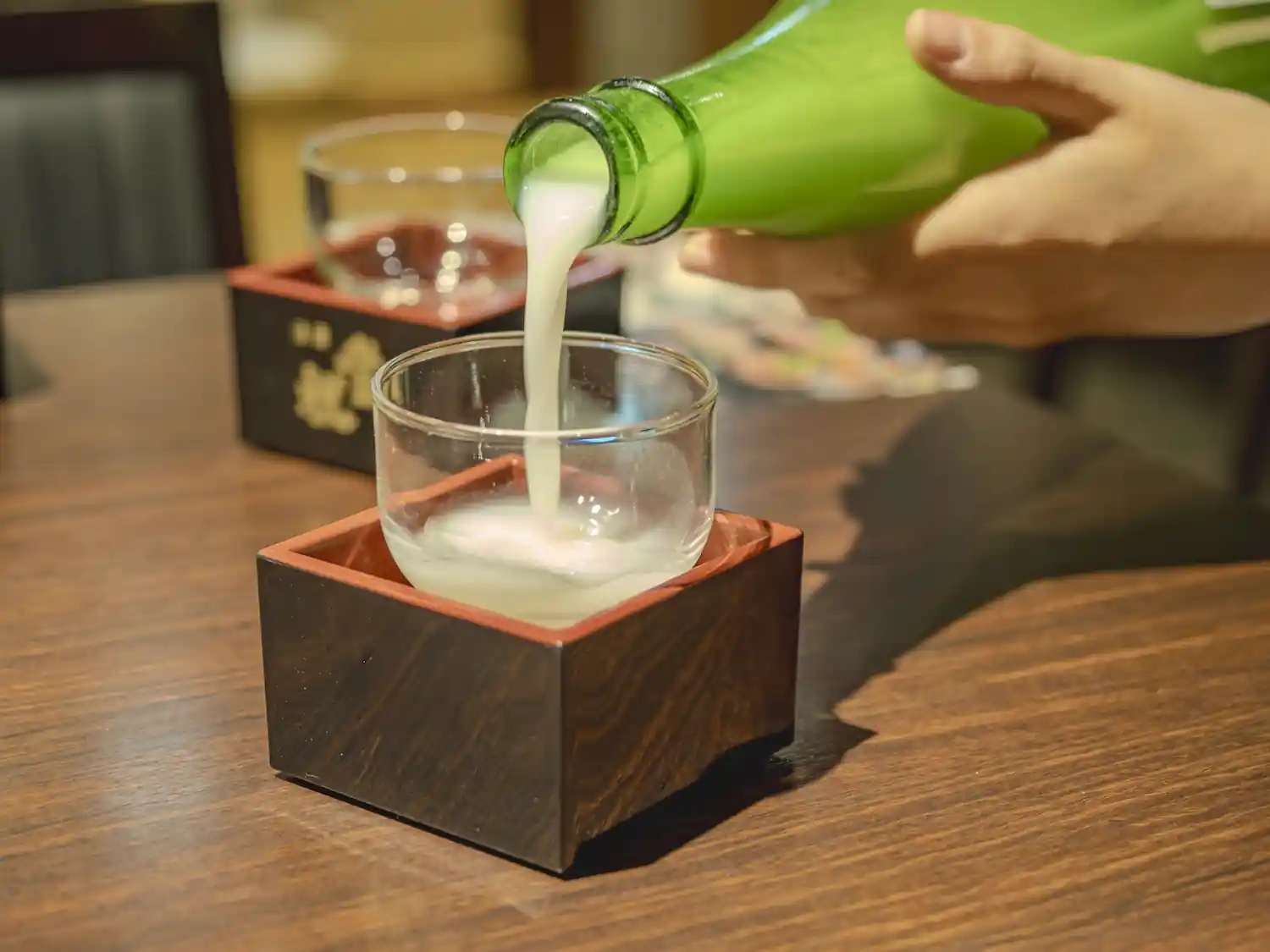
Avoiding heat treatment preserves fresh-pressed aroma and refreshing mouthfeel. Many nama-sake varieties feature subtle carbonation, creating an effervescent sensation on the tongue.
Fruity aroma and vibrant flavor represent characteristics unobtainable in pasteurized sake—nama-sake's unique appeal! Often sold seasonally, particularly abundant spring through summer.
Understanding Differences Between Nama-Sake and Similar Types
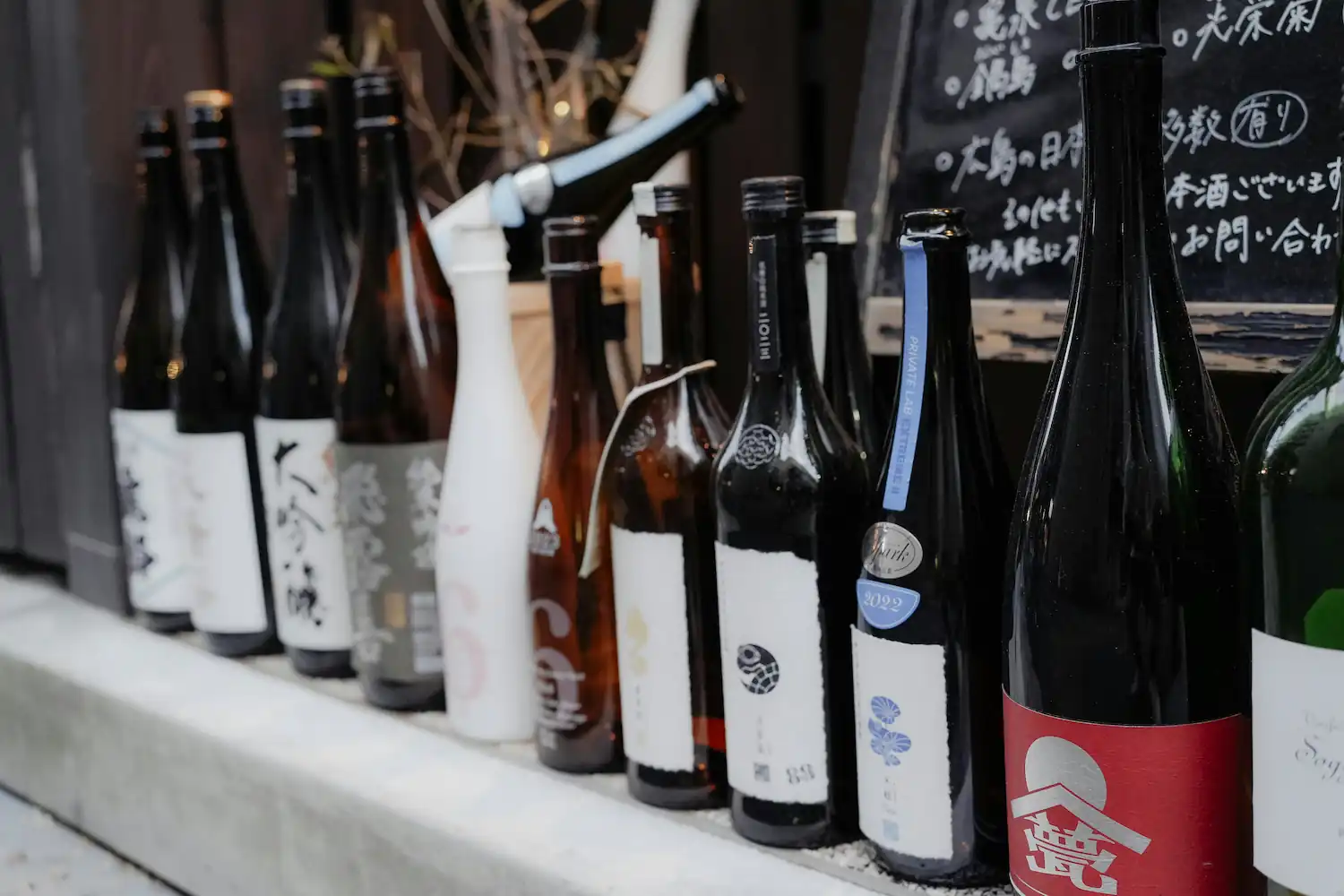
Source: Unsplash *Image is for illustrative purposes
Besides nama-sake, sake varieties include "nama-chozo-shu" (unpasteurized aged sake) and "nama-zume" (raw bottled sake). Despite similar names, manufacturing methods differ!
Nama-Sake vs. Nama-Chozo-Shu Differences
Nama-chozo-shu undergoes no heat treatment before aging, but receives one heat treatment before shipping.
Aging unpasteurized achieves nama-sake's freshness while pre-shipping heat treatment stabilizes quality better than nama-sake. Also called "nama-cho."
Nama-chozo-shu appeals with combined freshness and smoothness, plus easier storage compared to nama-sake!
Nama-Sake vs. Nama-Zume Differences
Nama-zume undergoes one heat treatment before aging, but no heat treatment before shipping.
Heating before aging allows acidity to settle, producing smooth, sweet-flavored sake. Most nama-zume involves heating sake pressed winter to spring, then aging ~half-year until autumn.
Due to autumn aging, nama-zume is alternately called "hiya-oroshi" (autumn release) or "aki-agari" (autumn rise)!
Summarized differences:
- Nama-sake: No heat treatment (neither before aging nor before shipping)
- Nama-chozo-shu: No heat treatment before aging; one treatment before shipping
- Nama-zume: One heat treatment before aging; no treatment before shipping
Heat treatment timing and frequency create distinct flavor and aroma characteristics.
Nama-Sake Proper Storage and Shelf Life
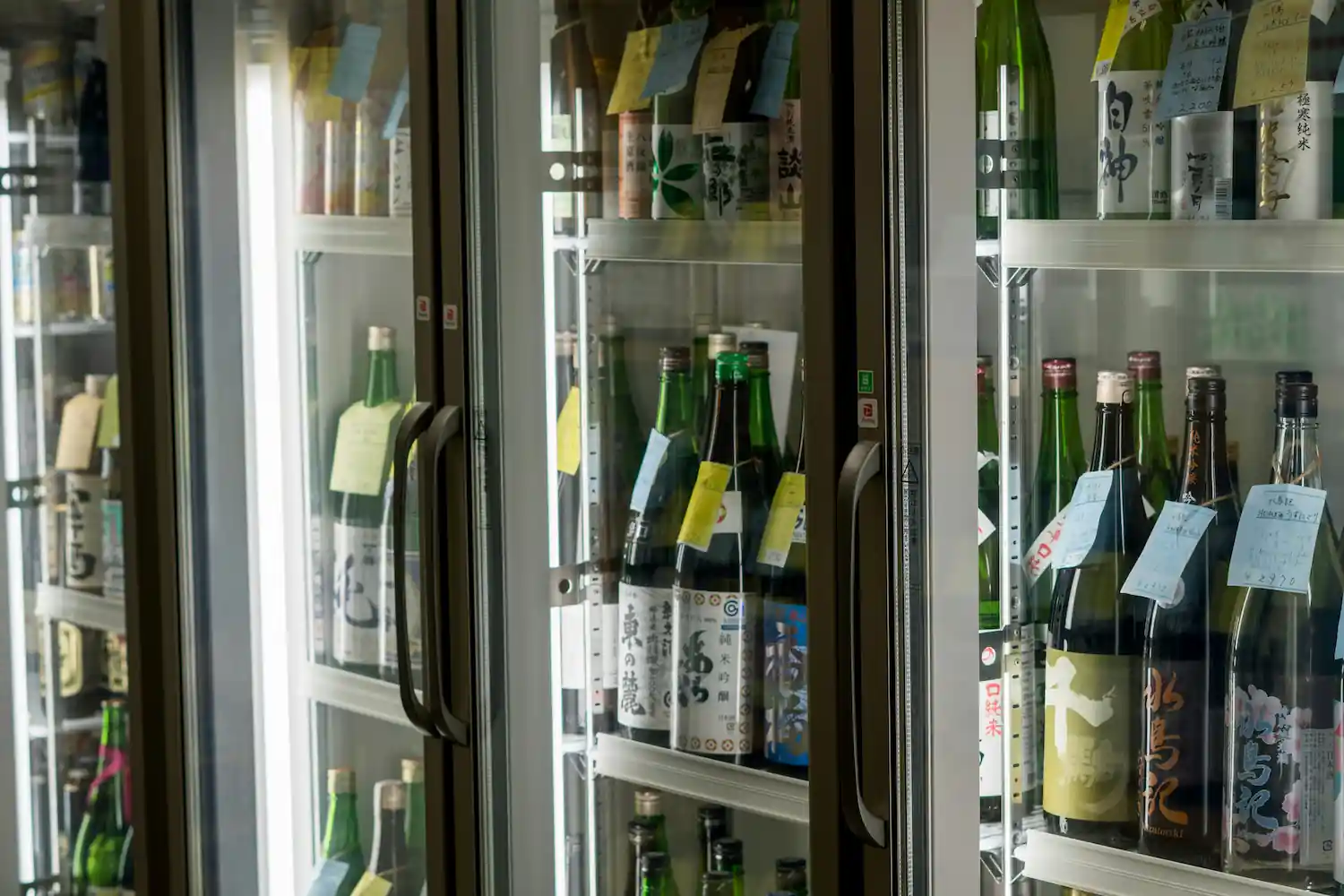
Source: Unsplash *Image is for illustrative purposes
Nama-sake requires refrigeration due to its unpasteurized nature! Proper storage preserves fresh flavor longer.
Why Refrigeration is Essential
Nama-sake must always be refrigerated because it contains living yeast and microorganisms!
Unpasteurized nama-sake retains active enzymes and yeast the pressing process didn't completely remove. In warm, humid conditions, these actively multiply, rapidly degrading flavor.
Ideal storage temperature is 5–10°C. If possible, storage below 5°C or even below freezing is preferable. Room temperature (20–25°C) storage causes glucosidase enzyme activity to alter flavor and aroma, sometimes producing sharp, burnt-wood degradation odors.
Upon purchasing nama-sake, promptly refrigerate it!
Additionally, protecting from sunlight and ultraviolet light preserves flavor and aroma. UV exposure can turn color brown or create burnt-wood degradation odors.
Nama-Sake Shelf Life
While sake lacks required expiration dating, nama-sake has an optimal drinking period guideline!
Unopened, nama-sake best enjoyed within approximately 6–9 months from manufacture. However, this depends on storage conditions.
After opening, quality change accelerates. Air contact promotes oxidation, hastening degradation, so ideal consumption is within several days to one week after opening! Fresh nama-sake's effervescent quality is immediate, so early consumption is recommended.
Nama-sake's freshness is paramount! To fully enjoy fresh flavor, finish soon after purchase.
Sake beginners find nama-sake's fresh, fruity taste very approachable with gentle mouthfeel. Serving chilled and pairing with light dishes like sashimi or tofu highlights nama-sake's qualities!
Summary
Nama-sake is unpasteurized, fresh sake. Pronounced "namazake," it requires refrigeration and best consumption within six months. Its crisp flavor and effervescent sensation appeal especially to beginners!
*This article uses AI for information organization, writing assistance, and proofreading. The structure and final review are conducted by the Kraport editorial team.
![[2026 Edition] Japan's Rarest Sake Ranking: 7 Phantom Brands & How to Get Them](/_next/image?url=https%3A%2F%2Fimages.microcms-assets.io%2Fassets%2F826a3c02e7914778a550c585c5136129%2Fea5556c1f22944d2baf1131914249f8d%2Fsake-sosogu.webp&w=1200&q=60)