Sakagura vs. Shuzo: What's the Difference? A Beginner's Guide to Sake Vocabulary
When enjoying Japanese sake, don't you often hear the two words "sakagura" and "shuzo"? Both are sake-related words, but they actually have different pronunciations and meanings! This article explains the difference between sakagura and shuzo in a beginner-friendly way. Learning this will make brewery tours even more enjoyable!
Mar 29, 2026

Easy-to-Understand Explanation of the Difference Between Sakagura and Shuzo!
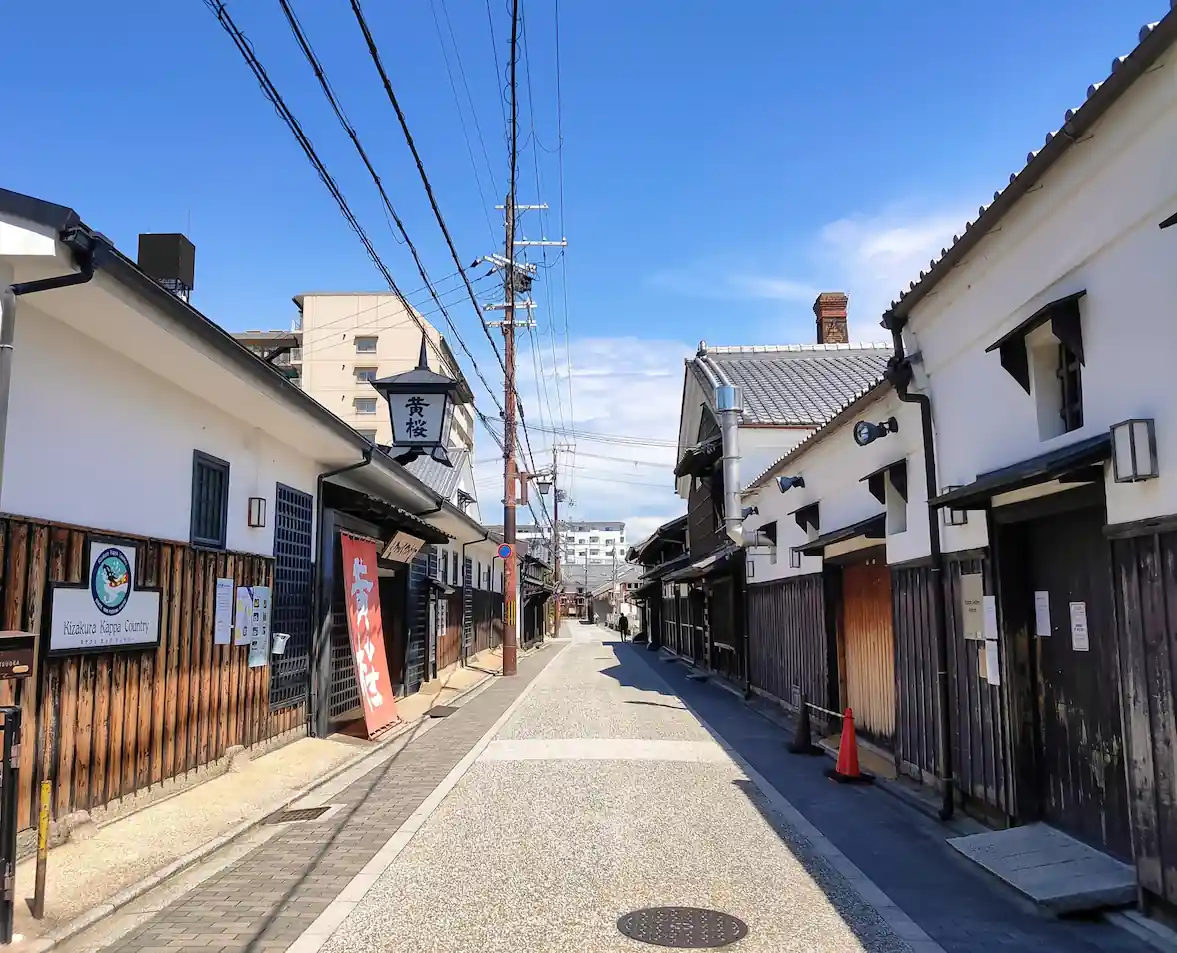
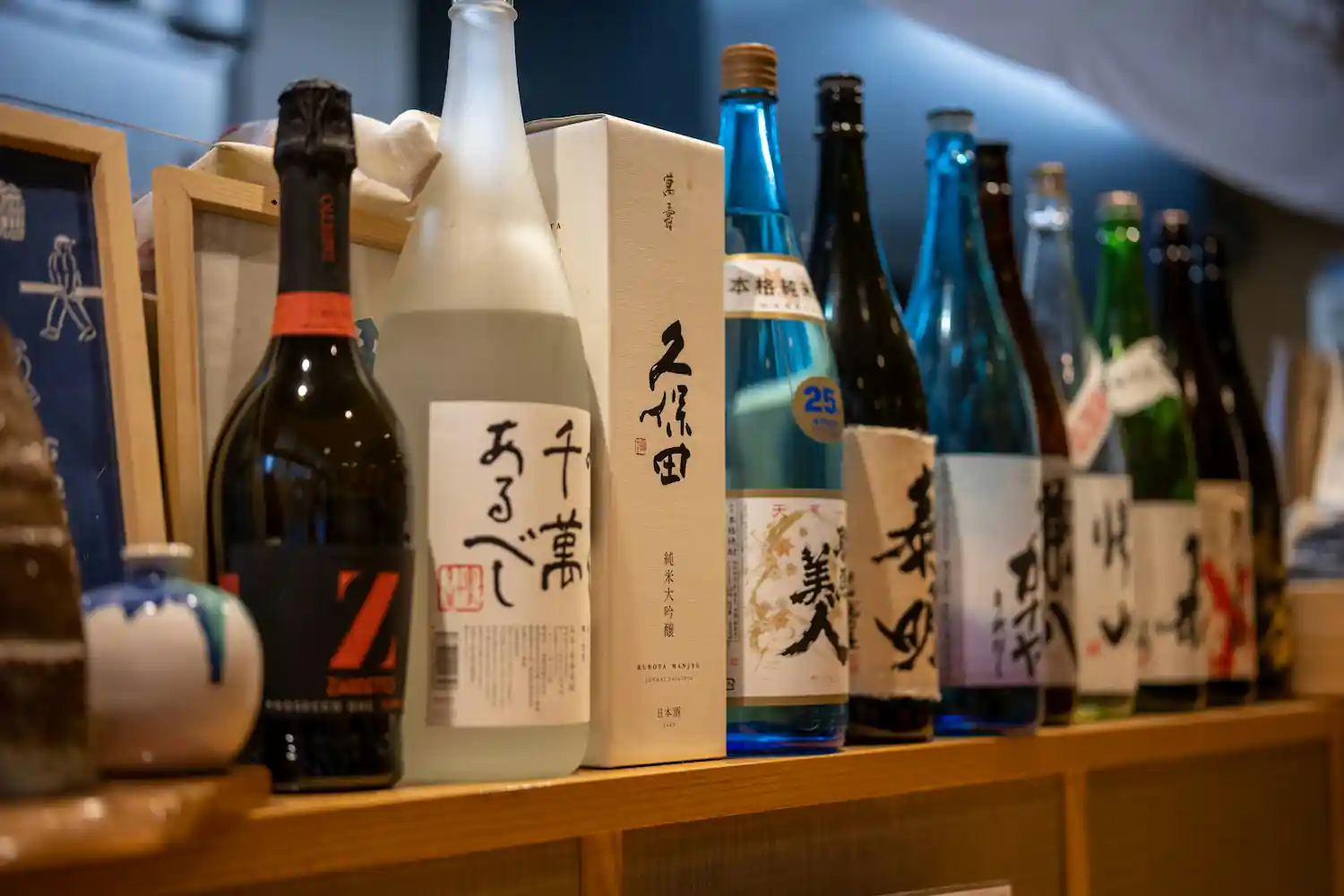
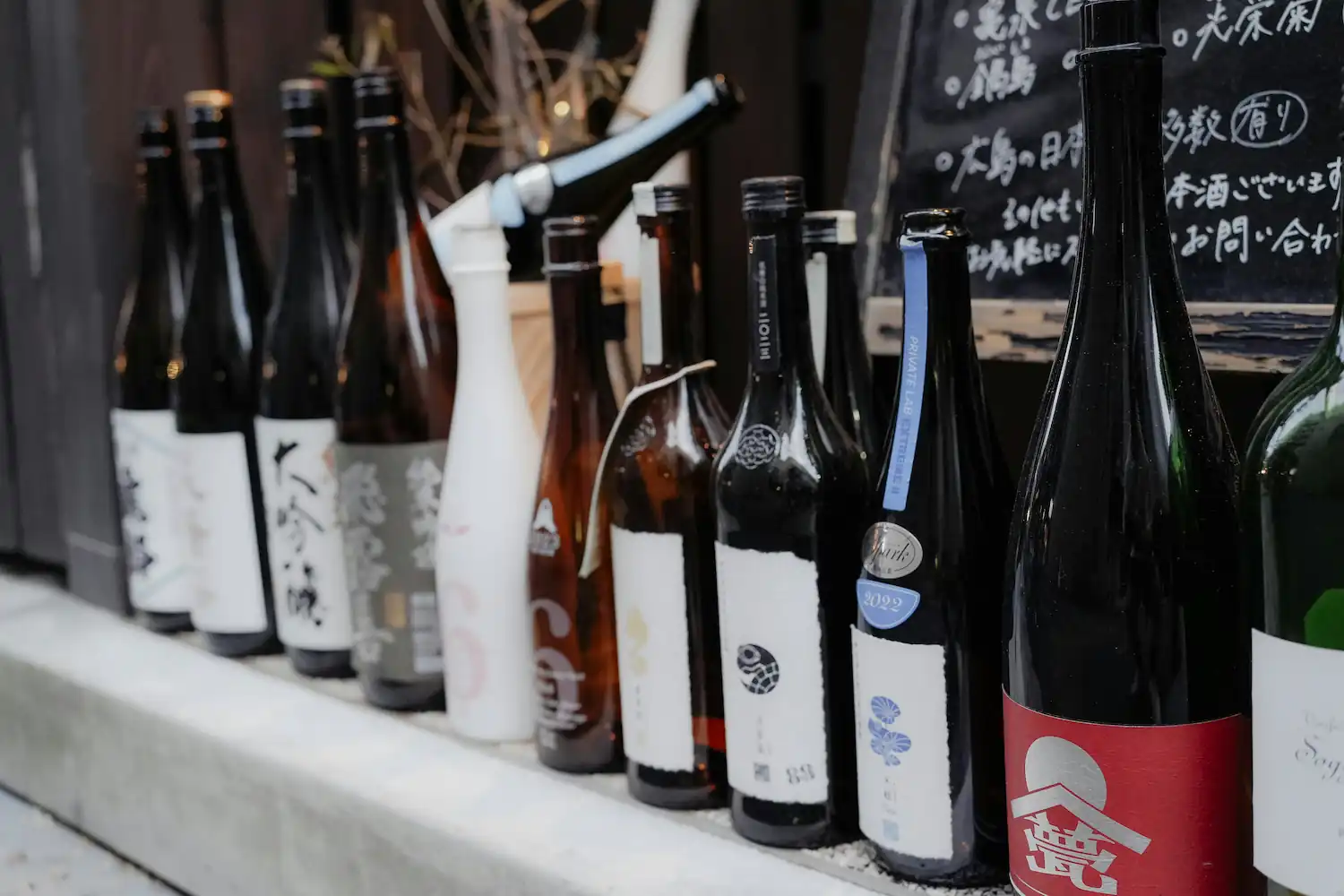
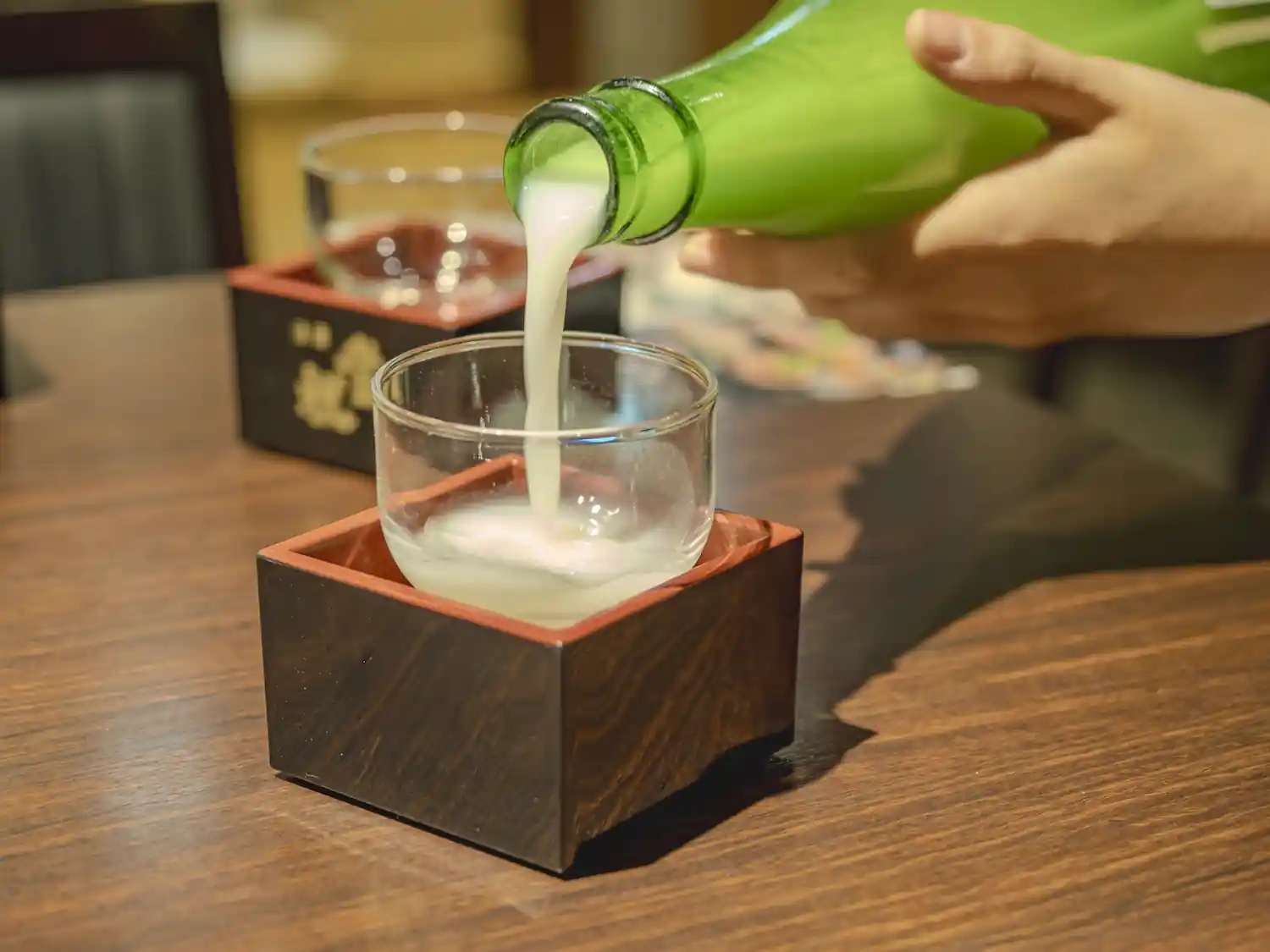
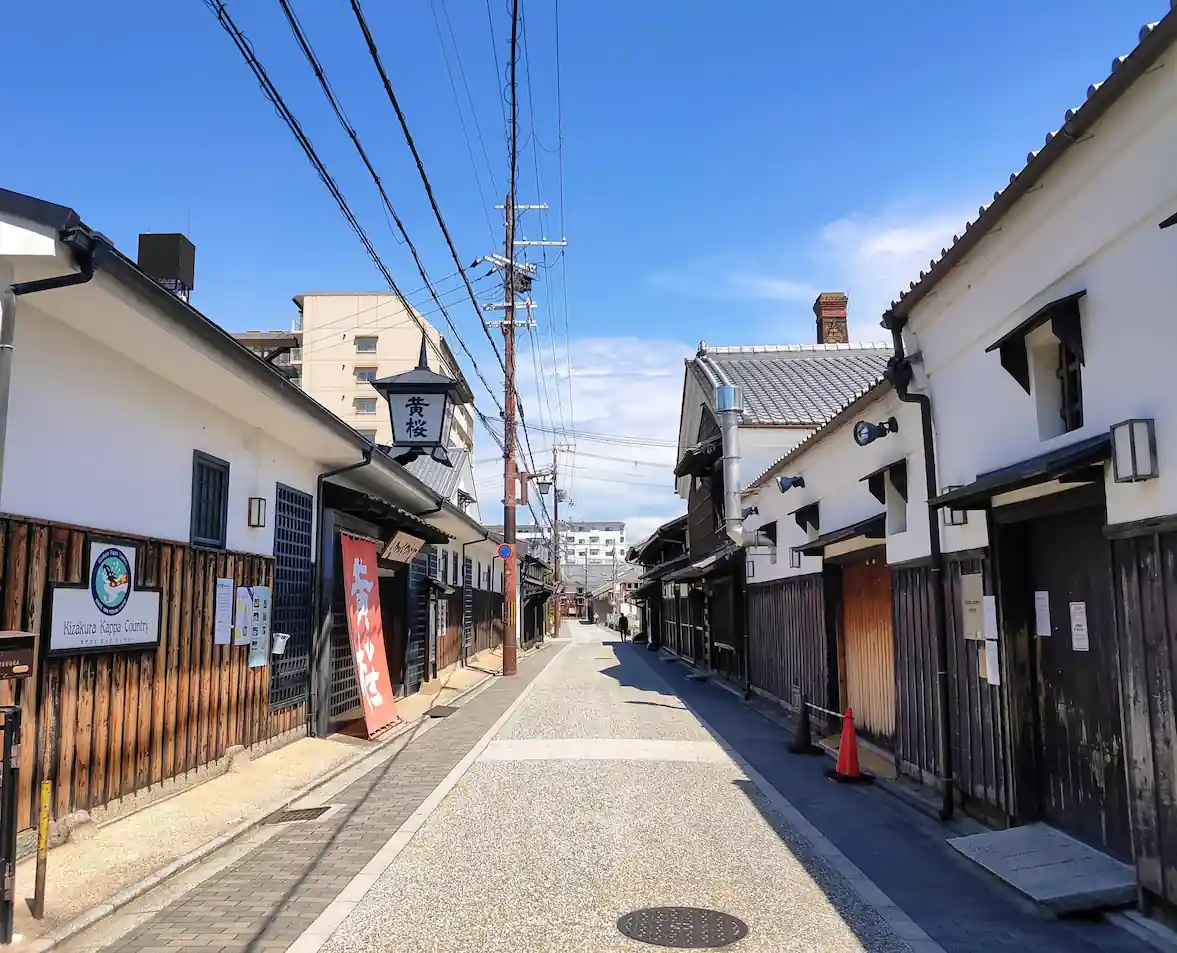
*Image is for illustrative purposes
What is Sakagura (Sake Brewery)? Pronounced "Sakagura"
Sakagura is pronounced "sakagura." Sakagura refers to the building or facility where sake is made. In other words, the key to understanding the difference between sakagura and shuzo is that "sakagura" refers to a location or building!
For example, when you say "I visited that sake brewery," it means you actually went to the building. Inside a sake brewery, you'll find tanks for sake production, koji rooms, storage facilities, and more. In older breweries, historically significant wooden architecture is often still carefully used today.
The term sakagura is used not only for buildings that make sake but also for buildings that produce soy sauce or miso. However, in general, it almost always refers to buildings that make sake.
What is Shuzo (Sake Brewing)? Pronounced "Shuzo"
On the other hand, shuzo is pronounced "shuzo." This refers to the act or process of making sake—in other words, "sake brewing" itself! The difference between sakagura and shuzo is that one refers to a building and the other to an action.
You use it in phrases like "Their sake brewing technique is excellent" or "They dedicate themselves to sake brewing." Additionally, the term "sake brewing company" is commonly used, meaning a company that manufactures and sells alcohol.
The term shuzo has a long history and tradition. In Japan, sake brewing using rice and water has been practiced since ancient times. This technique has been passed down through generations, leading to the delicious sake we enjoy today.
Key Points for Using Sakagura and Shuzo Correctly
Now that you understand the difference between sakagura and shuzo, let's look at how they're actually used!
When to use sakagura:
- "I'm going on a brewery tour this weekend"
- "This brewery is a 200-year-old building"
- "A beautiful row of sake breweries"
When to use shuzo:
- "Learning the sake brewing process"
- "Traditional sake brewing techniques"
- "Working at a sake brewing company"
This way, use "sakagura" when referring to a building or location, and "shuzo" when referring to an action or company. Being aware of this difference makes sake-related texts much easier to read!
By the way, during a brewery tour, you can see the actual sake brewing in action. In other words, the "sake brewing" (shuzo) work takes place inside the "sake brewery" (sakagura) building. When you actually visit a brewery, you can witness toji and kurabito carefully making sake. That experience should be invaluable for deepening your understanding of sake!
The Relationship Between Sakagura and Sake Brewing Companies
In addition to the difference between sakagura and shuzo, let's also mention the term "sake brewing company." A sake brewing company is a business that manufactures and sells alcohol.
One sake brewing company may own multiple breweries. For example, besides a main brewery, they might have breweries in other regions. Conversely, small-scale sake brewing companies often conduct sake brewing at just one brewery.
In recent years, the business models of sake brewing companies have diversified. From small family-owned operations to major companies with multiple breweries, various sizes of companies are making sake. Each sake brewing company pursues sake-making that showcases its own individuality.
Understanding the difference between sakagura and shuzo makes these industry structures clearer too!
Important Japanese Sake Terms to Know
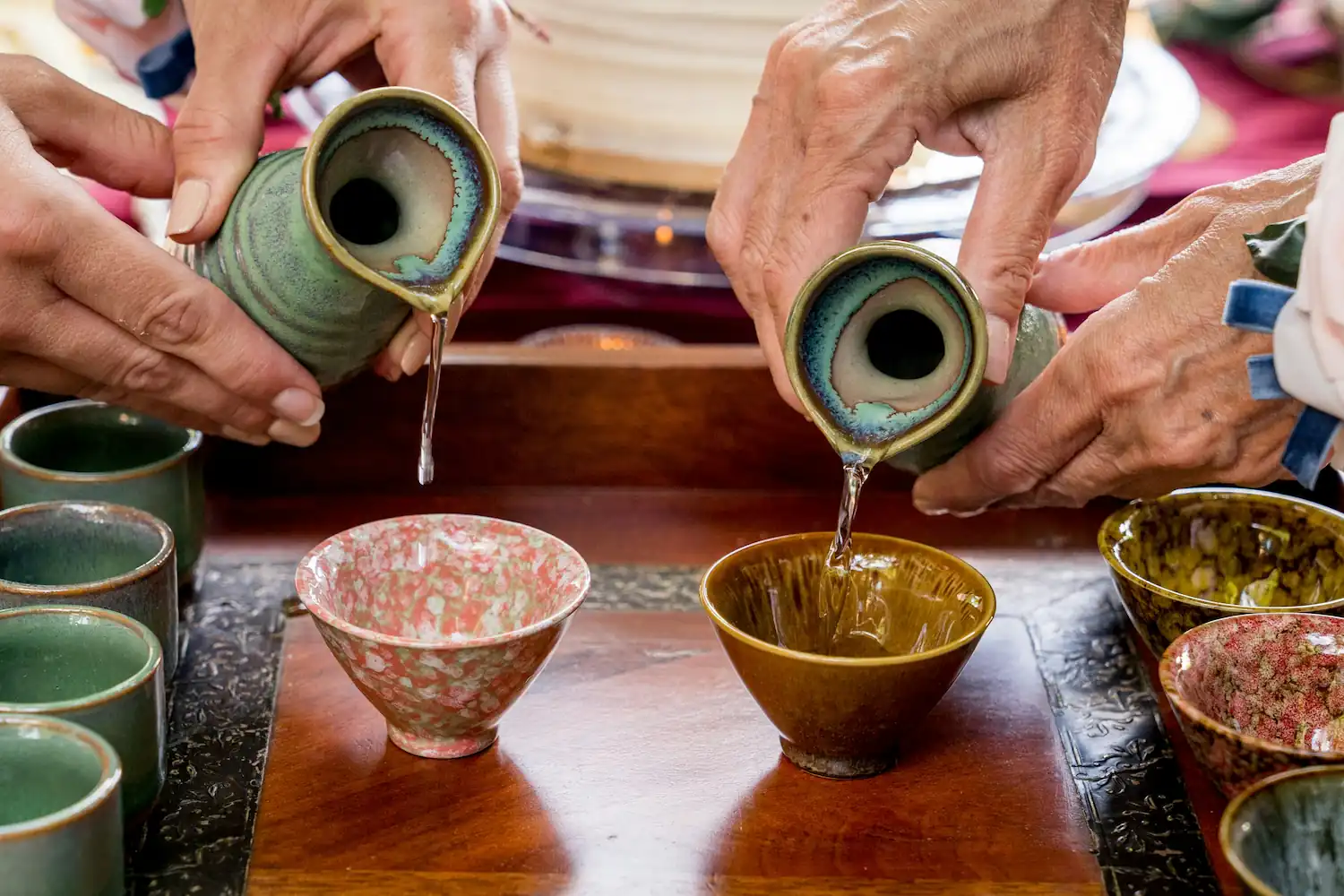
Source: Unsplash *Image is for illustrative purposes
Once you understand the difference between sakagura and shuzo, let's learn about the sake industry. Knowing these terms will make brewery tours even more enjoyable!
Brewing Licenses and the Current State of the Sake Industry
To make sake, you need a special permit called a "brewing license" (sakizo menkyaku). Understanding this license provides insight into the challenges the sake industry faces.
Brewing licenses are issued per manufacturing facility under the Liquor Tax Law, but obtaining a new license is extremely difficult today. This is to protect existing breweries and maintain market stability. Since domestic demand for sake is declining, allowing new entrants could lead to oversupply.
In fact, sake consumption has dropped to about 30% of its peak. The number of breweries is also declining yearly, with historic breweries disappearing. However, starting in 2021, new brewing licenses have been issued for export purposes only! This is a new development in response to growing sake's popularity overseas.
Given the difficulty of new entry, existing approaches include "commissioned brewing," where manufacturing is outsourced to existing breweries, or buying out inactive breweries to acquire their licenses. Kamikawa Taisetsu Brewery in Hokkaido achieved new entry through acquisition.
History and Regional Characteristics of Sake Breweries
Sake breweries are deeply connected to Japan's history. Sake brewing is said to have already been practiced during Japan's ancient burial mound period, and by the Nara period, the imperial court had established an office to manage sake brewing.
The proliferation of private sake breweries as we know them occurred from the Edo period through the Meiji period. After the Meiji Restoration, when the government liberalized brewing licenses, new entries surged, and about half of currently existing breweries were founded during the Meiji and Taisho periods!
Sake breweries have regional characteristics. The Nada region of Hyogo Prefecture and Fushimi in Kyoto are known as areas with long-established sake-brewing traditions. Naturally, breweries gathered in places blessed with quality rice and water. Differences in climate, water quality, and rice varieties by region create each area's distinctive sake.
Summary
The difference between sakagura and shuzo is whether it refers to a building or an action. Sakagura (pronounced "sakagura") refers to the building where sake is made, while shuzo (pronounced "shuzo") refers to the act of making sake. Knowing this difference brings the world of sake closer to you! If interested, be sure to visit an actual brewery sometime.
*This article uses AI for information organization, writing assistance, and proofreading. The structure and final review are conducted by the Kraport editorial team.
![[2026 Edition] Japan's Rarest Sake Ranking: 7 Phantom Brands & How to Get Them](/_next/image?url=https%3A%2F%2Fimages.microcms-assets.io%2Fassets%2F826a3c02e7914778a550c585c5136129%2Fea5556c1f22944d2baf1131914249f8d%2Fsake-sosogu.webp&w=1200&q=60)