Japan's Most Expensive Sake: From ¥380,000 to Over ¥1 Million Per Bottle
Japanese sake prices range from just a few hundred yen at supermarkets to over 1 million yen. "What does expensive sake taste like?" "Why is it so expensive?" Many people wonder about this. This article explains from the basics of polishing ratio in junmai daiginjo, to Reikyo at 380,000 yen per bottle, to Yumesuzaku whose value increases with aging. We hope this helps with gift selection for special celebrations or nurturing the dream of "someday tasting" premium sake!
Mar 29, 2026

Why Does Japanese Sake Get So Expensive? The Relationship Between Polishing Ratio and Price
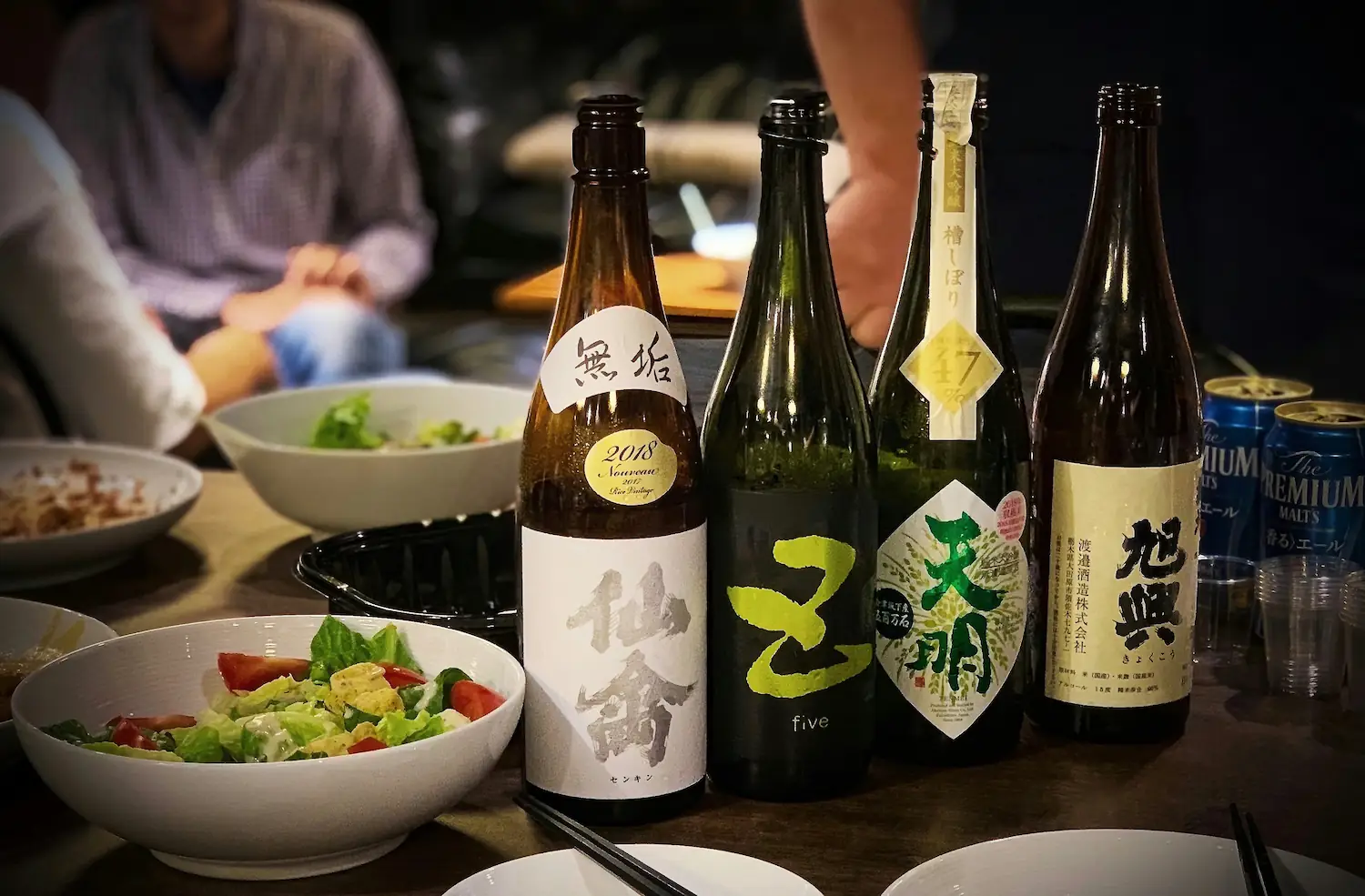
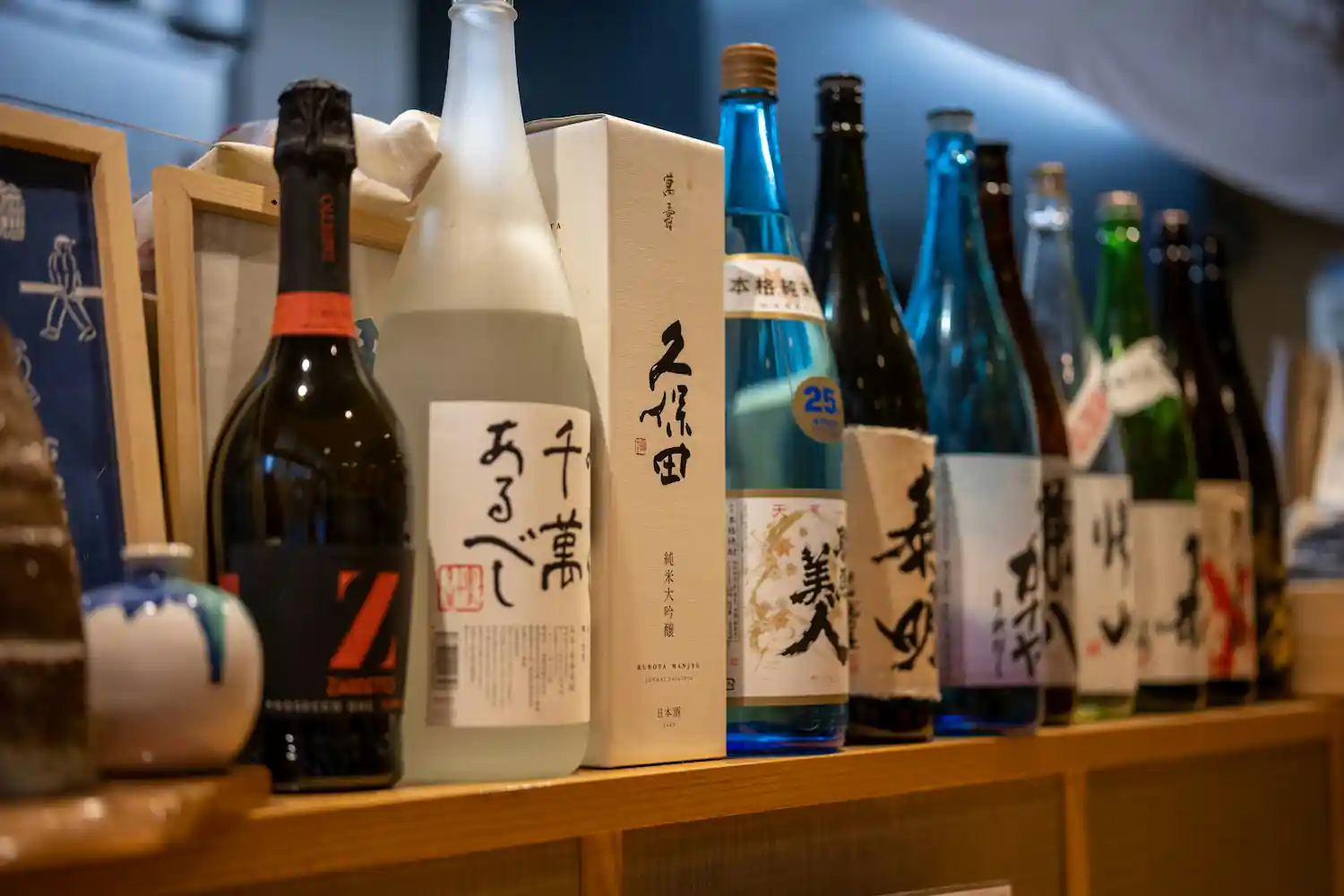
*Image is for illustrative purposes
A key term that cannot be overlooked when understanding high-priced sake is "polishing ratio." This represents how much brown rice is polished, expressed as a percentage. For example, a 50% polishing ratio means removing half of the outer layer of rice and using only the center portion.
Why polish it? The outer layers of rice contain high amounts of lipids and proteins that cause off-flavors. The more you polish, the clearer and more delicate the taste becomes. Sake with a 50% or lower polishing ratio is called "daiginjo" and generally falls into the high-quality, high-price category.
However, as rice is polished more, the amount decreases and less raw material remains usable. With a 20% polishing ratio, 80% of the original rice is discarded. Naturally, raw material costs, polishing time, equipment, and electricity expenses all reflect in the price.
Additionally, as polishing becomes more extreme, rice breaks more easily, requiring specialized techniques and lengthy polishing times. This "effort, time, and raw material cost" is the primary factor that greatly influences sake prices.
Why Pure Rice Daiginjo Is So Expensive: One Sentence
"Over-polishing rice produces less and less finished sake." That's it. Producing junmai daiginjo with low polishing ratios requires many times the raw rice compared to lower-polish sake to finish the same volume. Production effort increases and output becomes limited. The fundamental reason why people ask "Why is it so expensive?" lies here.
Furthermore, when small breweries insist on limited production or preserve many manual processes, costs rise even higher. Sake prices aren't just brand premium—in most cases, they represent the price of the brewer's effort, time, and philosophy.
The Shocking Price of 380,000 Yen! There's a Sake Called Reikyo
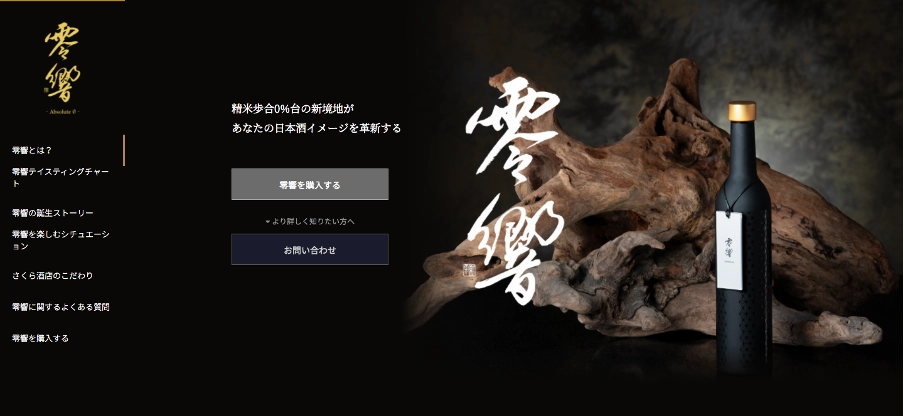
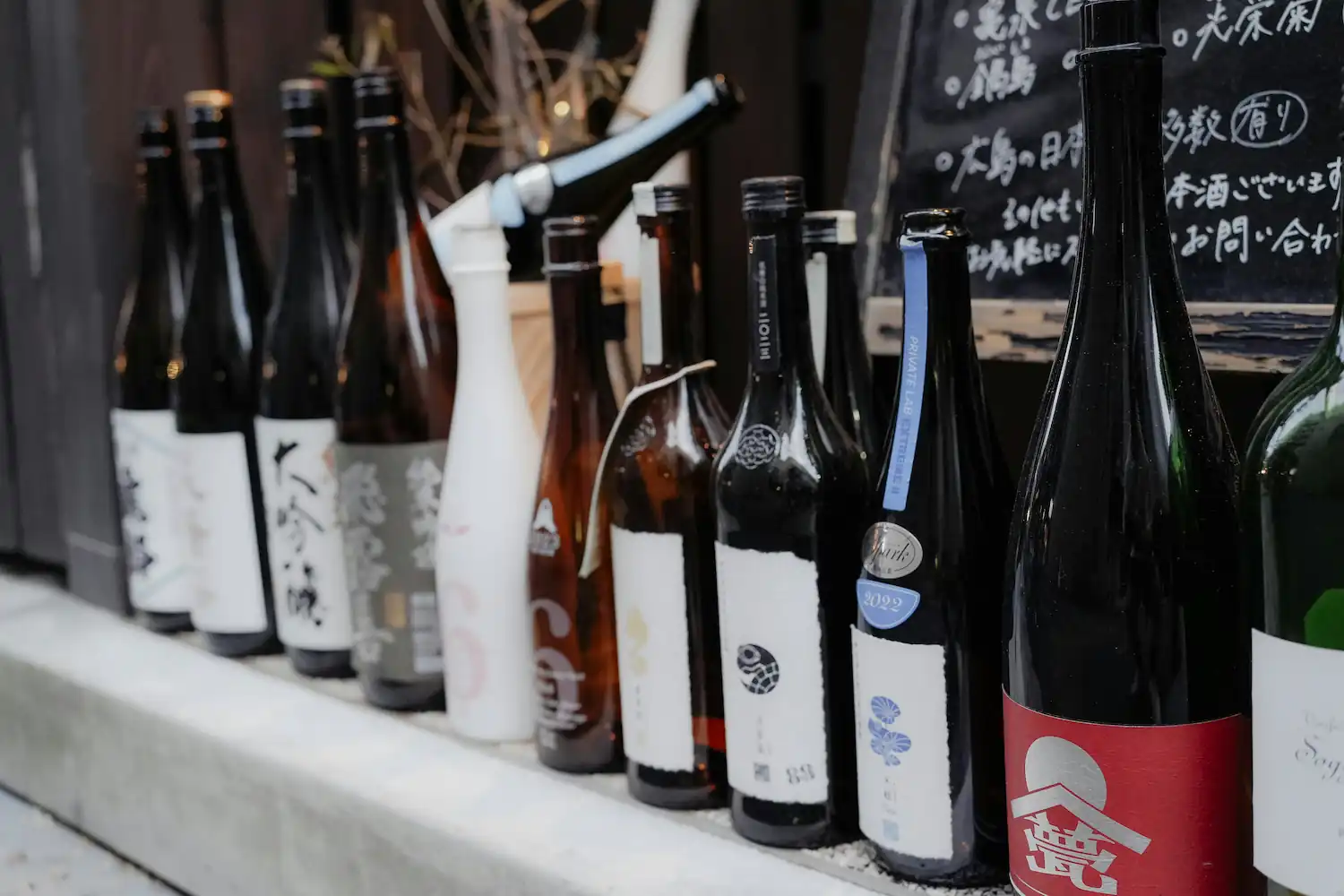
*Image is for illustrative purposes
For those asking "What's the most expensive sake brand?" the first sake to mention is "Reikyo (Absolute 0)" by Niizawa Brewery in Miyagi Prefecture. At 385,000 yen (including tax) per 500ml bottle, it commands an astonishing price that makes headlines.
An Unbelievable 0.85% Polishing Ratio
Reikyo's polishing ratio is 0.85%. Out of the rice, 99.15% is removed, leaving only 0.85% from which to create sake. The polishing time totaled 5,297 hours—approximately 221 days. Pure white grains polished over half a year became the raw material.
This polishing became possible thanks to the diamond roller-type polishing machine that Niizawa Brewery invested in at their facility. This sake exists only because the brewery invested in cutting-edge technology and equipment.
Brewery head Yasuo Niizawa stated: "While pursuing world-class polishing, we touched the final limit."
The Sake That Changed Tax Law
When first released in 2018, it was labeled with "0% polishing ratio," which became problematic with the National Tax Agency. On July 1, 2019, the liquor tax law was revised to change the labeling to "less than 1%." Since then, Reikyo has carried the title "the sake that changed the law," with July 1 becoming the official annual release date.
Only 333 bottles are distributed domestically. Even among exclusive dealers, only those with top sales records of other high-polishing series can carry it—an extremely rare and scarce bottle.
Brewery Restoration and the Path to Reikyo
Niizawa Brewery was founded in 1873. However, the 2011 Great East Japan Earthquake completely destroyed their brewing facility, resulting in devastating loss of sake. The choice: closure or relocation. Facing this ultimate decision, the brewery owner relocated inland in Miyagi Prefecture while carrying substantial debt, and miraculously resumed sake production that same year.
After continuing to pursue improved quality, in 2022's IWC (International Wine Challenge), Niizawa Brewery earned "Sake Brewery of the Year 2022," the highest overall rating among participating breweries. Reikyo, representing the brewery's peak, won a trophy in the junmai daiginjo category at that competition (2021 vintage submission).
Reikyo's Flavor
Those who've tasted Reikyo describe it as "on another level" and "like artwork." Its taste features gentle aromas reminiscent of grapes or strawberries and a velvet-smooth mouthfeel. Despite high glucose concentration, it contains zero off-flavors—a contradiction resolved into pure beauty.
Ideal drinking temperature is around 10°C. The aroma shifts as temperature rises, creating another enjoyment dimension—some call it "sake to be savored slowly over time." Among collectors, it's stored and traded by vintage, developing aspects of an asset class.
Phantom Brands Creating a World of Sake Worth Experiencing Once
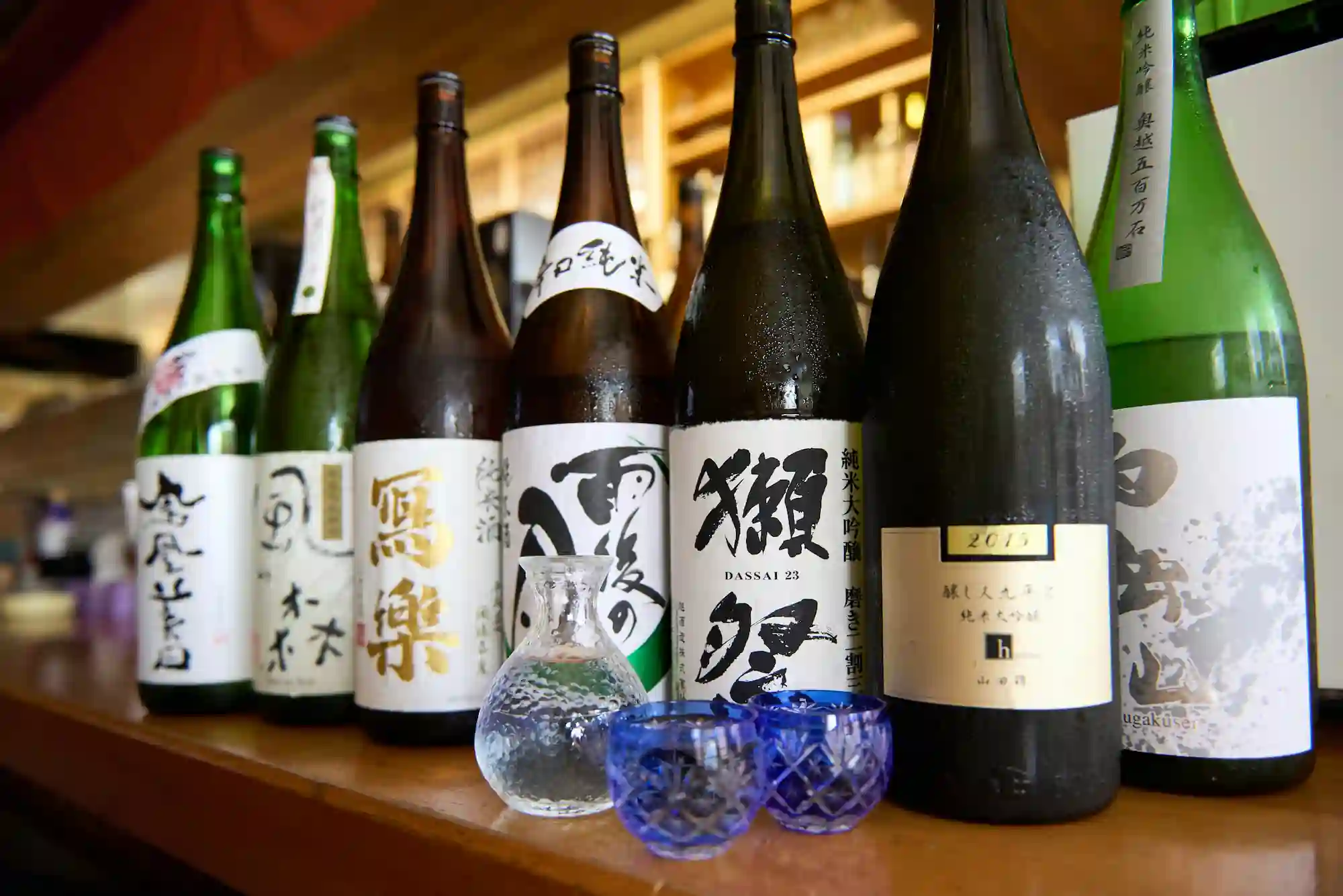
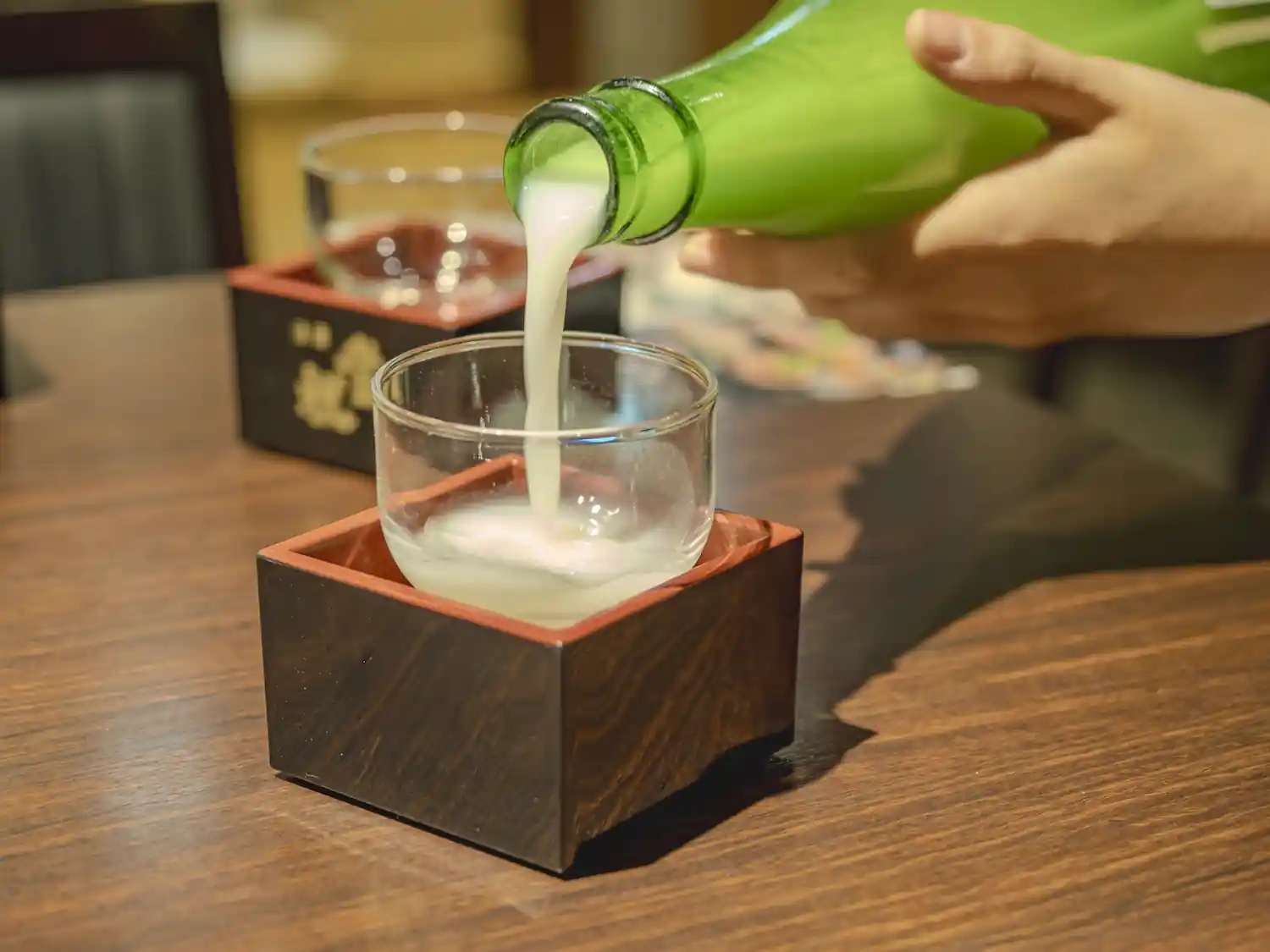
*Image is for illustrative purposes
Beyond Reikyo, "difficult to obtain" and "once-in-a-lifetime" sake exists. These command high prices not solely due to polishing ratio. Low production volume, quality commitment, and brewer narratives combine to drive prices higher.
Juyondai Ryusen—Yamagata's Peak Shrouded in Mystery
"Juyondai" by Takagi Brewery in Yamagata Prefecture is known as the emblematic brand of the Heisei sake boom with its distinctive "aromatic umami" style. Though founded in 1615 with long history, its reputation expanded domestically and internationally after the 15th generation brewer, Akitsune Takagi, took over.
The pinnacle of their lineup is "Ryusen." This junmai daiginjo uses "Ryuno Otoshigo," a sake rice variety independently developed by Takagi Brewery, aged in ice-cold conditions. The suggested retail price is approximately 14,000-16,000 yen, yet regular purchase through official channels is nearly impossible. Secondary market prices frequently exceed hundreds of thousands of yen.
People often say "all you can do is ask someone who's tasted it," and it's treated as legendary among sake enthusiasts for being "mysterious in its very existence" more than its price.
Kokuryu Ishidaya—Subtle Depth from Three Years of Aging
"Ishidaya" by Kokuryu Brewery in Fukui Prefecture is a special bottle bearing the brewery's trade name. Using Yamada Nishiki from Tojo, Hyogo Prefecture, polished to 35%, it's brewed as junmai daiginjo then slowly aged at low temperature for over three years.
Aging produces subtle almond and vanilla-like aromas with mellow umami. Its refined composure feels more understated than flamboyant. Released only in November annually as a limited edition, with packaging in a dedicated wooden box perfect for gifts. Market prices fluctuate around 36,000 yen for 720ml (as of November 2025).
Dassai "Polish Beyond"—Yamagata's Ultra-High Polishing Junmai Daiginjo
"Dassai" by Asahi Brewery in Yamagata Prefecture became world-famous with 23% polishing ratio "Polish 23". "Polish Beyond" represents an even greater polishing challenge. Asahi Brewery pursues stable quality year-round through four-season brewing, with internationally recognized technical prowess in high-polish sake production.
"Polish Beyond" retails at tens of thousands of yen in the premium range. Because Dassai is widely recognized, it communicates easily as a gift. Favored by both sake beginners and enthusiasts, it's widely chosen for special occasion gifts.
Vintage-Type Aged Sake "Yumesuzaku"—A Yamagata Miracle Where Value Increases Like Wine
"Yumesuzaku" crafted by Horie Sake House (founded 1764) in Iwakuni, Yamagata Prefecture, opened a new sake category. The key figure is Natsuko Matsuura, representative of Yamagata venture company "ARCHIS." The mission to preserve local agriculture and culture in Nishiki Town led to world-class sake creation.
The rice used is "Isehikari," a rare variety. Said to originate from the sacred rice paddies of Ise Grand Shrine, it's specially cultivated in Yamagata Prefecture using low-pesticide, organic methods, then polished to 18%. Water for brewing comes from Nishikigawa in Nishiki Town, selected for Japan's 100 Famous Waters, drawing mid-hard water. Traditional "kimoto" methods create complex, carefully crafted sake.
Yumesuzaku's defining feature is its wine-like aging capability. Cold-stored five or ten years, fruit aromas and roasted notes layer upon each other, transforming into mellow, deeply complex flavor. Worldwide distribution is limited to approximately 1,000 bottles annually, with prices increasing yearly.
- 2025 vintage (new sake): 96,800 yen (including tax)
- 2022 vintage: 316,800 yen (including tax)
- 2020 vintage: 536,800 yen (including tax)
- 2018 vintage: 976,800 yen (including tax)
Served at Al Marmani Hotel Dubai and Mandarin Oriental Hong Kong, among wealthy international circles it's recognized as "sake to own as an asset." From 2024, blockchain and NFC tag-based digital authenticity certification prevents counterfeiting through cutting-edge measures.
Tips for Selecting Premium Sake as a Gift
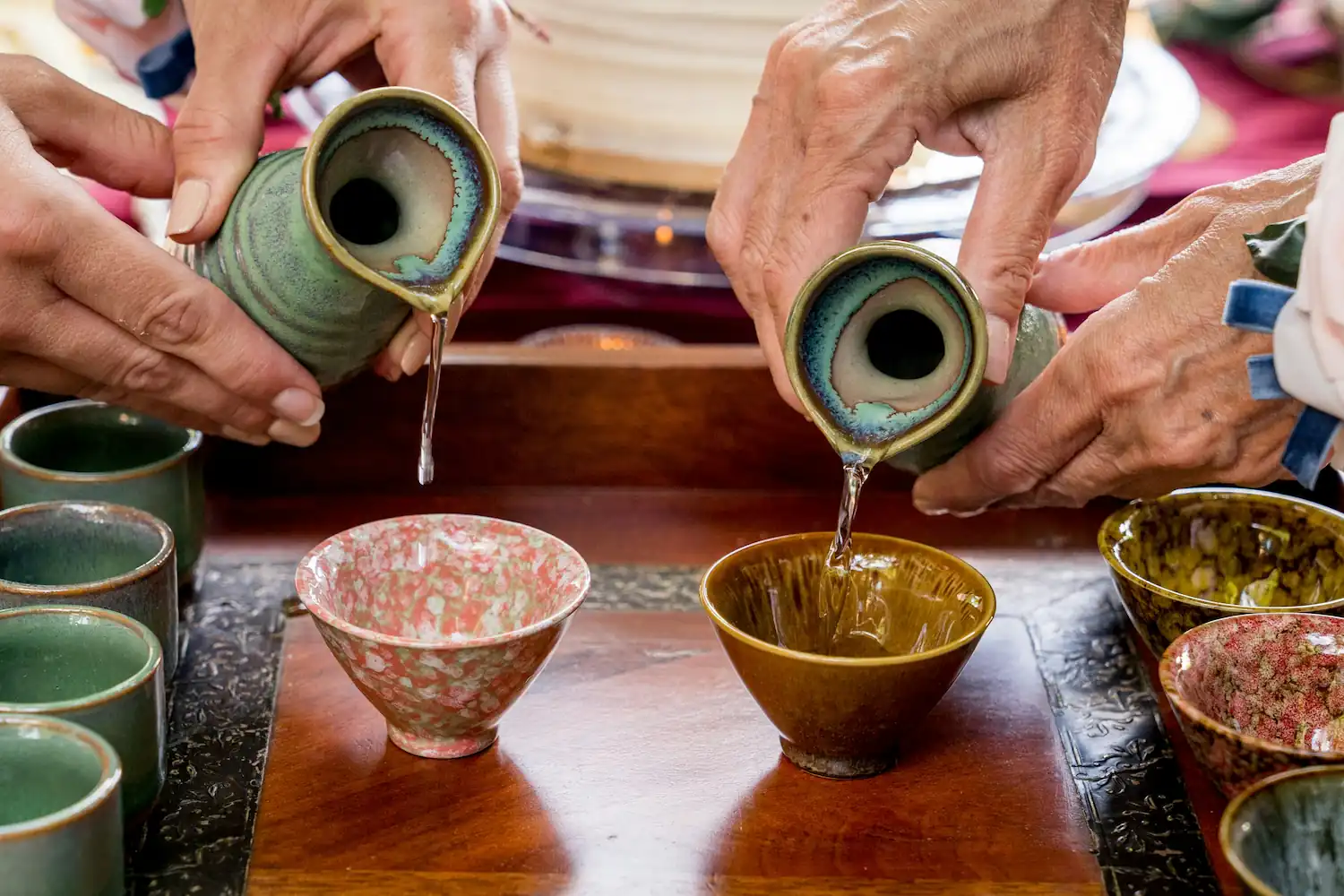
*Image is for illustrative purposes
More people are choosing premium sake as gifts for anniversaries, retirements, and weddings. Consider these key points when selecting.
For sake enthusiasts, brands like Juyondai or Reikyo where "hearing the name communicates everything" are appreciated. For less knowledgeable recipients, well-known brands like Dassai or Kokuryu immediately convey "Wow!" upon opening.
Gift box design matters significantly. Ishidaya's dedicated wooden box, Reikyo's traditional craftsman-made wooden lattice work, and Yumesuzaku's numbered bottles all create special moments from the opening. Such bottles heighten gift satisfaction.
Vintage-type sake like Yumesuzaku offers special appeal—"you don't need to drink immediately." Storing in wine cellars or dedicated refrigerators while waiting for major life moments creates enjoyment unique to gift-giving.
To research brewery and brand details further, use the Kraport sake brewery database. Search by region, brewery name, or brand name, and discover breweries offering tours. Find comprehensive brewery information at Kraport.
Japanese Sake Price Range Guide—At What Price Point Does It Feel "Expensive"?
Japanese sake price ranges roughly divide as follows. For reference, here's an overview:
Under 2,000 yen: Daily food sake Available at supermarkets and convenience stores. Mostly hon-mirin, regular sake, and affordable pure rice sake. Suited for daily nightcaps and casual gifts.
2,000-5,000 yen: Slightly better evening sake Pure rice ginjo and standard junmai daiginjo begin appearing in this range. Popular breweries' flagship lines are available. Perfect for "wanting something better than usual."
5,000-15,000 yen: Special occasion sake Premium junmai daiginjo with low polishing ratios and limited editions fill this band. Includes Dassai Polish 23 and Kokuryu Brewery's higher-tier standard offerings.
15,000+ yen: The "expensive sake" entrance This range marks where scarcity begins pricing. Juyondai Ryusen's suggested retail price sits here, though real market prices often exceed it several to dozens of times. High-difficulty items like Ishidaya (approximately 36,000 yen+) genuinely debut.
100,000+ yen: Separate dimension Starting with Yumesuzaku new sake (approximately 97,000 yen), extending through Reikyo (385,000 yen) to vintage Yumesuzaku (exceeding 1 million yen). You're purchasing the brewer's philosophy, scarcity, and story more than the sake itself. This range primarily appeals to serious collectors and special commemorative gifts.
Summary
Premium sake prices reflect accumulated low polishing ratios, scarcity, aging costs, and brewer passion. From Reikyo's 385,000 yen to Yumesuzaku exceeding 1 million yen, each carries a unique story.
Reikyo bears the title "the sake that changed law" plus a 5,297-hour polishing challenge. Yumesuzaku emerged from desire to preserve rural agriculture as vintage-type aged sake. Juyondai Ryusen is a "phantom junmai daiginjo" where even confirming existence proves difficult. Kokuryu Ishidaya offers quiet depth from three-plus years of low-temperature aging. Each transcends "expensive purchase"—the deeper you understand their backgrounds, the more compelling each becomes.
Nurture dreams of "someday tasting" these while beginning to know their world! Japanese sake's profundity can't be measured by price alone. For deeper brewery and brand knowledge, explore Kraport.
*This article uses AI for information organization, writing assistance, and proofreading. The structure and final review are conducted by the Kraport editorial team
![[2026 Edition] Japan's Rarest Sake Ranking: 7 Phantom Brands & How to Get Them](/_next/image?url=https%3A%2F%2Fimages.microcms-assets.io%2Fassets%2F826a3c02e7914778a550c585c5136129%2Fea5556c1f22944d2baf1131914249f8d%2Fsake-sosogu.webp&w=1200&q=60)