Japan's 3 Greatest Sake Regions: Nada, Fushimi & Saijo Explained
Known as Japan's "Three Great Sake Regions," Nada in Hyogo, Fushimi in Kyoto, and Saijo in Hiroshima are places any sake enthusiast should visit at least once, each with its own unique history and character. This article introduces the origins of Japan's Three Great Sake Regions, the flavor differences of local sake in each area, and tips for brewery tours—all explained in beginner-friendly language!
Mar 29, 2026

What Are Japan's Three Great Sake Regions? Understanding Their History
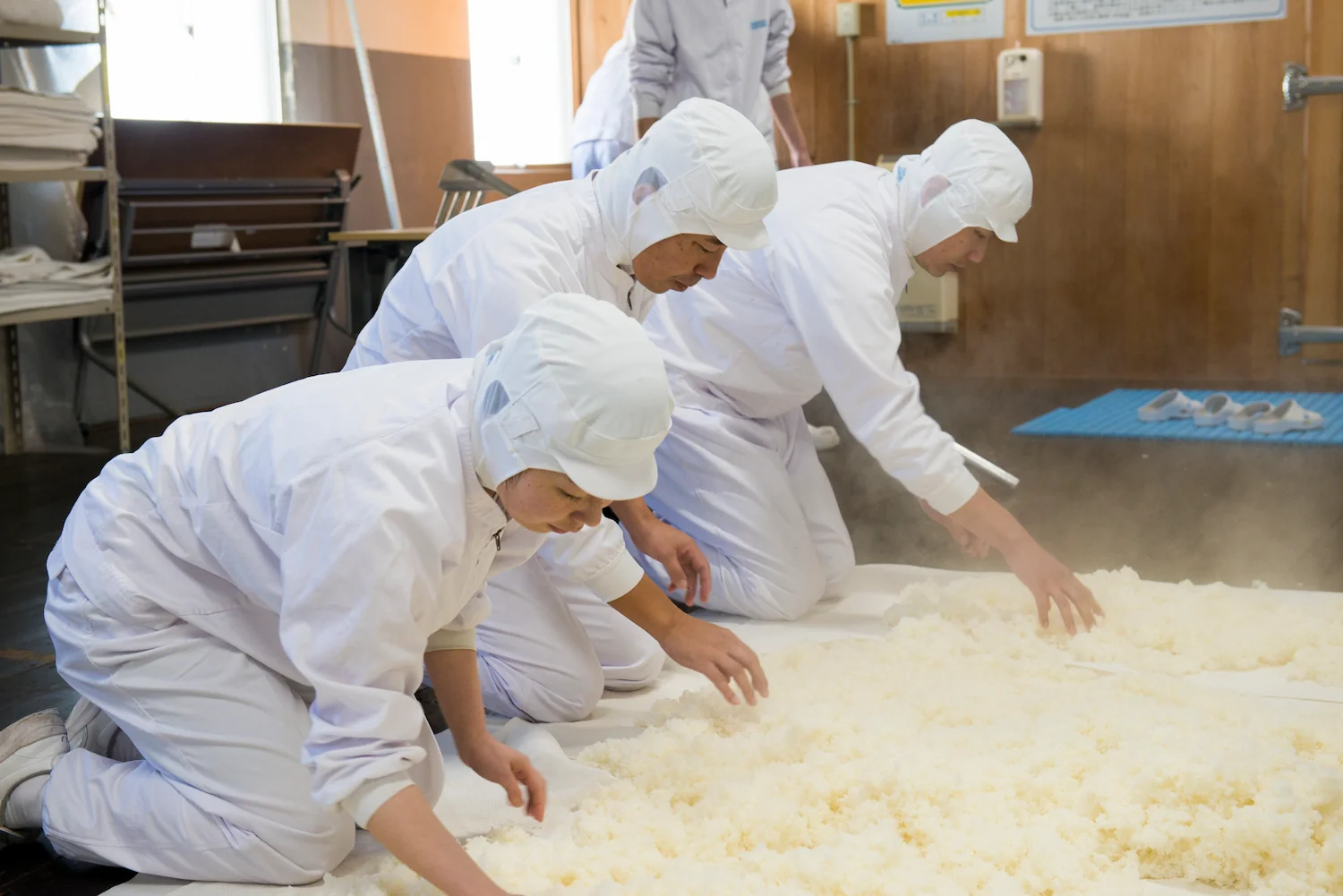
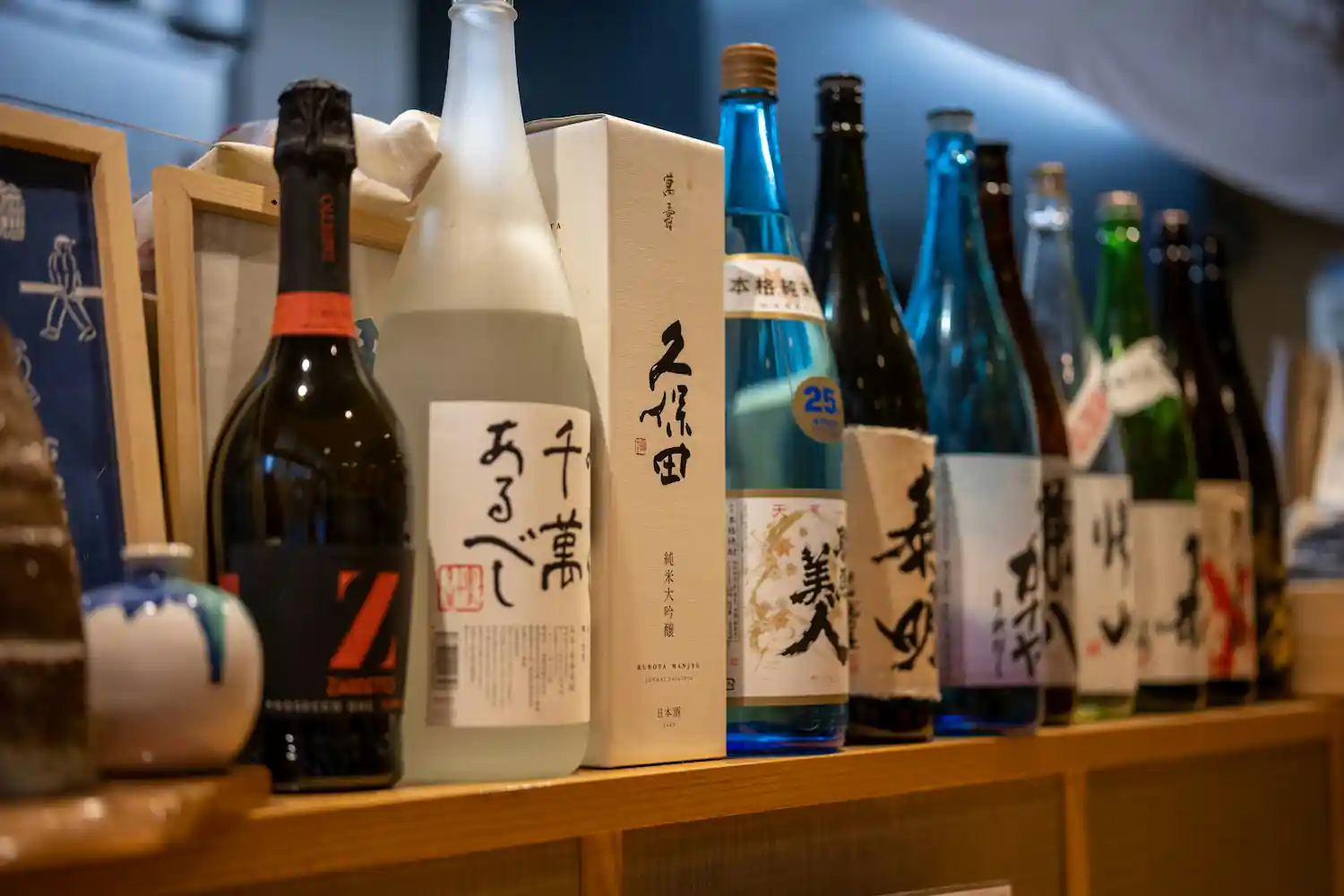
Source: Kobe Tourism Bureau General Incorporated Association *Image is for illustrative purposes
While Japan has delicious sake-producing areas throughout the country, three particular places—Nada, Fushimi, and Saijo—have been historically recognized as the "Three Great Sake Regions."
A "sake region" refers to an area where breweries producing fine sake gather, establishing their reputation as a sake-producing location. The reason these three places earned their status as "Japan's Three Great Sake Regions" stems from three shared strengths: water, rice, and transportation.
Becoming a Sake Region Through Water, Rice, and Transportation
One of the most essential elements in sake brewing is "water." Nada's "Miyamizu," Fushimi's "Fusui," and Saijo's spring water from Mount Ryuo—each region has high-quality water ideal for sake brewing. The fascinating part is how water quality differences directly translate into sake character differences!
Another critical element is "rice." Hyogo Prefecture is a major production area for Yamada Nishiki, the representative sake rice variety, providing stable supply of high-quality brewing rice to Nada breweries. In Fushimi and Saijo, abundant regional agriculture supported sake production.
Furthermore, in the Edo period, improved transportation routes became a major tailwind. Nada and Fushimi could deliver sake to Edo and Osaka through maritime and water routes. Saijo's development accelerated after the Meiji period when the Sanyo Railway opened, enabling nationwide distribution.
Thus, becoming a famous local sake region required not just the ability to create delicious sake, but also systems to deliver it to many people.
Each Overcame Hardship to Become Among the "Great Three"
Each of Japan's Three Great Sake Regions has a completely different development story.
Nada supposedly had sake brewing from the Muromachi period, with major development during the Edo era. Improved polishing technology using waterwheels powered by the rapid Rokko Mountain streams, plus the presence of Tanba toji (master brewers)—a skilled craftsman group—elevated Nada's sake quality. By the late Edo period, Nada reportedly handled most of Edo's sake demand. The phrase "kudaranai" (worthless), meaning "something coming down from Kamigata that has no value," allegedly originated from pride in fine sake "descending" from the Kamigata region.
Fushimi flourished as a castle town after Toyotomi Hideyoshi built Fushimi Castle in 1594, with sake production and consumption expanding rapidly due to distribution networks using waterways like the Uji River. Sake-brewing traditions continued through the Edo and Meiji periods to the present, with over 18 breweries still gathered in sake-region Fushimi.
Saijo's development came later, primarily from the Meiji period onward. Initially, soft water caused brewing difficulties, but sake maker Sensaburo Miura persisted in research until establishing soft-water brewing methods. This technology revolutionized Saijo's sake quality, and in 1907's National Sake Competition, Hiroshima sake topped the rankings ahead of Nada and Fushimi! This sparked Saijo's role as one of the "Three Great Sake Regions."
Because each region's sake carries history developed through overcoming hardship, local sake from these areas possesses depths found nowhere else.
Understanding the Three Different Flavors of Nada, Fushimi, and Saijo
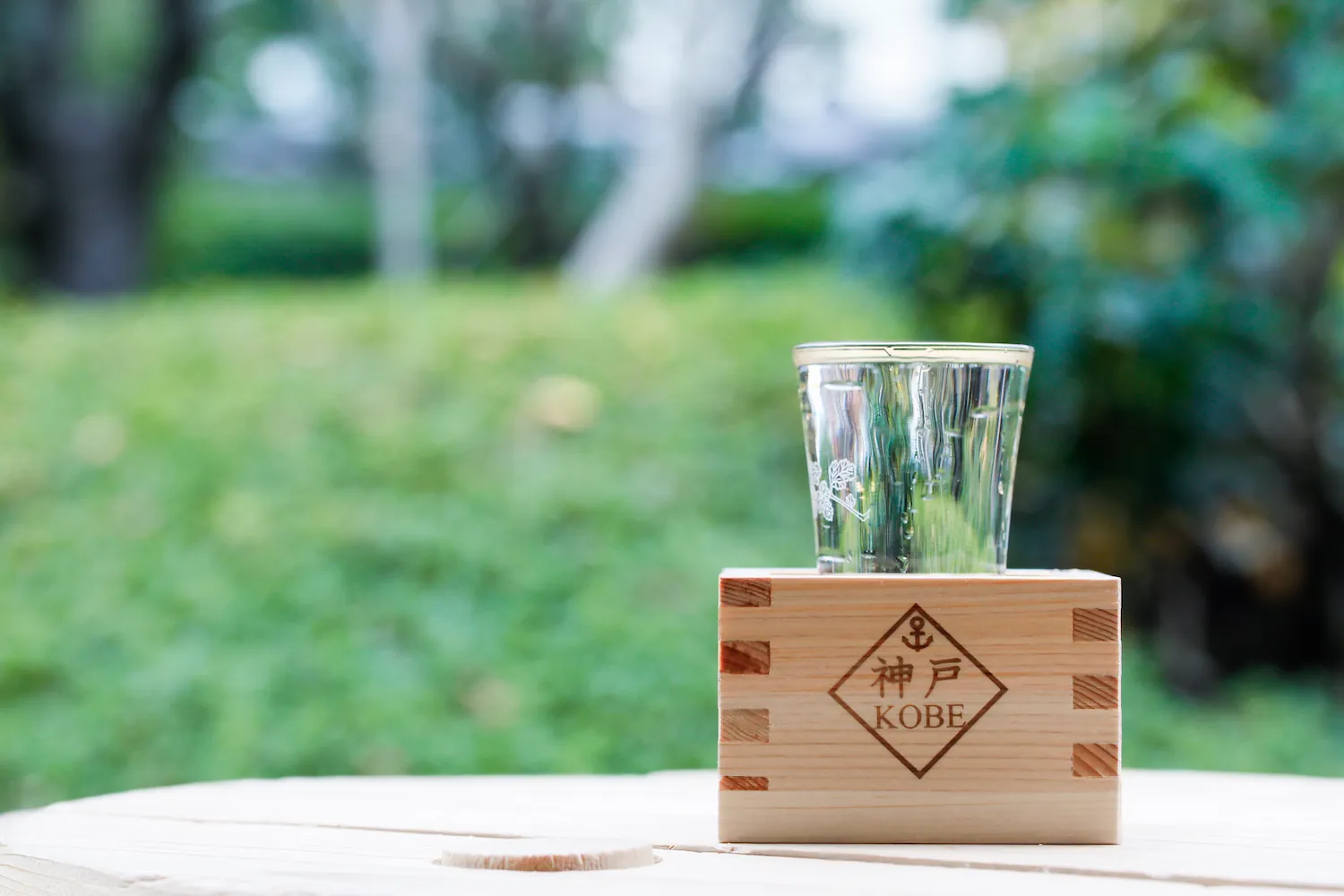
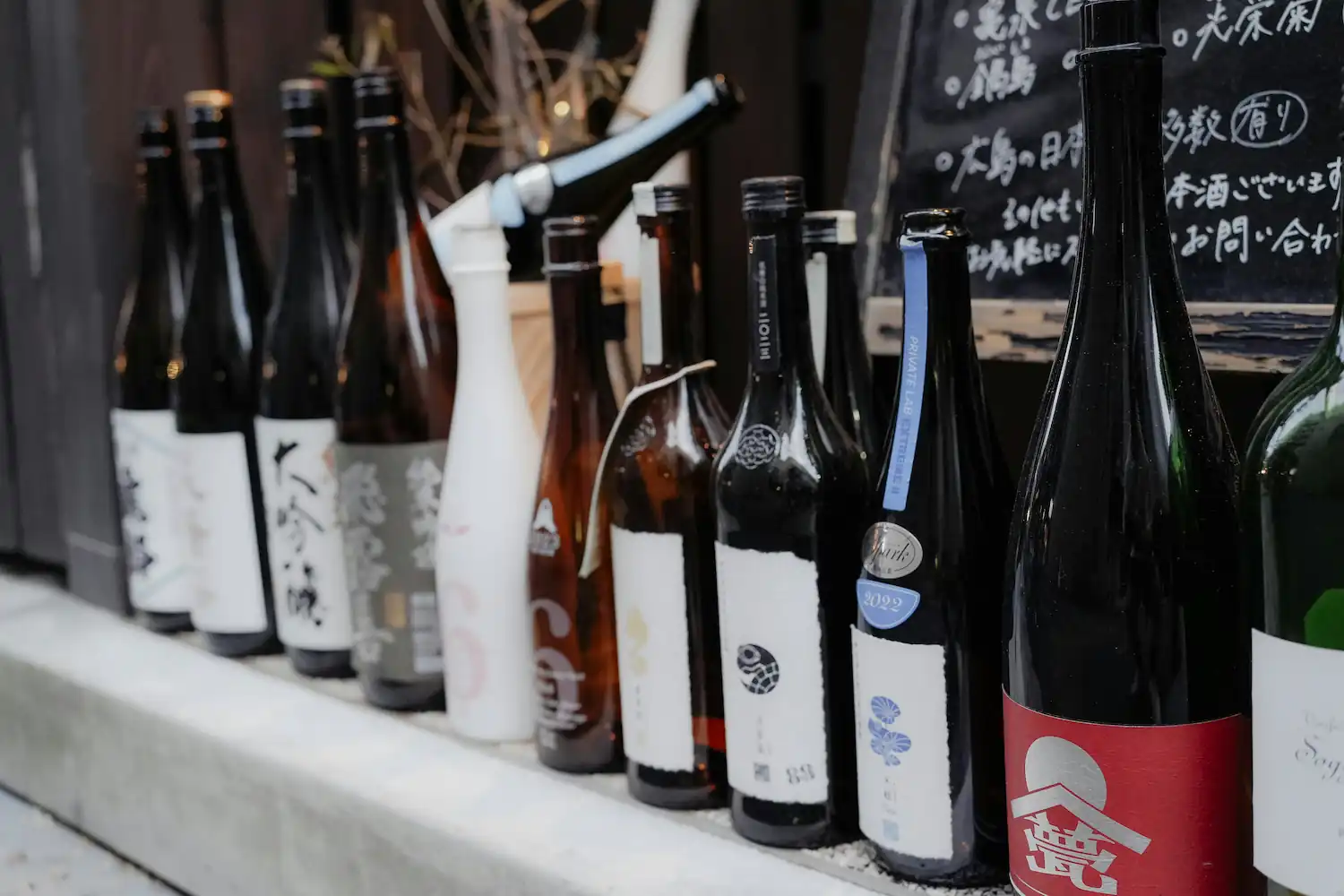
Source: Kobe Tourism Bureau General Incorporated Association *Image is for illustrative purposes
Although all "sake," each region creates completely different character! Japan's Three Great Sake Regions each have different brewing water, and these differences create distinctive flavor characteristics. Comparing them reveals the fascinating diversity of sake.
Nada's Five Towns—The Strength of "Masculine" Sake Nurtured by Miyamizu
When people mention Nada, they think of "masculine sake." Characterized by strong, crisp dry flavor, this style is popular among sake connoisseurs.
The key to this character is "Miyamizu," water that springs only from limited areas in Nishinomiya City. Originally from "Nishinomiya water," this famous water is hard water rich in minerals like phosphorus, potassium, and calcium. These minerals actively promote fermentation, creating crisp, dry sake. Low iron content also characterizes it, providing optimal mineral balance for brewing without compromising color or flavor.
Hyogo Prefecture is also known as a Yamada Nishiki producer region. Called the "sake rice king," this variety produces clean, richly flavored sake, supporting Nada's high-quality local sake.
The concentrated Nada sake-brewing area is called "Nada's Five Towns," spanning five districts—Nishi, Mikage, Uozaki, Nishinomiya, and Imazu—along the coast from Kobe's Nada and Higashi-Nada wards to Nishinomiya. Famous brands like Hakutsuru, Kikumasamune, Kenbishi, Okaniji, and Nippon Sakari originating from Nada's Five Towns breweries are also distinctive!
In 2018, "Nada's Five Towns" received Geographic Indication (GI) designation from the National Tax Agency, officially recognized as a producing region. In 2020, "Itami Morohaku and Nada's Pure Sake: Itami and Nada's Five Towns, Blessed by Descending Sake" was designated as a Japan Heritage Site, with historical value increasingly recognized.
Fushimi—The Elegance of "Feminine" Sake Nurtured by Gentle Water
Fushimi sake is called "feminine sake." Its flavor contrasts with Nada's masculine style—mellow, aromatic sweet taste. Gentle mouthfeel makes it approachable for first-time sake drinkers.
The source of this gentle flavor is "Fusui," spring water emerging from beneath Fushimi. Historically, the place name itself was "Fusui" (water springs up), showing deep water-land connections. This mid-hard water, containing balanced potassium and calcium, produces fine-textured sake. "Gokosui" (Divine Fragrance Water) springing within Gokonomiya Shrine grounds is "Japan's 100 Famous Waters" listed, with many still visiting to collect water.
Fushimi sake history is lengthy, with alleged sake-brewing origins in the Yayoi period when rice farming arrived. While maintaining dignified historical tradition, nationally recognized brands like Gekkeikan, Kizakura, and Takara Shuzo continue emerging from this region—Fushimi's charm. With many brands familiar from TV commercials, you'll surely find sake you've encountered.
The "masculine-feminine" sake distinction is now used as terminology for sake styles, widely appreciated as "fundamental knowledge for discussing sake."
Saijo—Delicate, Full-Bodied Flavor Born from Soft Water
Saijo sake's characteristic is the soft, full-bodied flavor unique to soft water. Hiroshima sake traditionally features sweetness, yet breweries like Kamerei are known for crisp dryness—allowing enjoyment of brewer-specific character.
Saijo is located in Higashi-Hiroshima City, east of Hiroshima, in a basin surrounded by mountains 400-700m high. Mount Ryuo's spring water serves as brewing water, containing moderate minerals as soft water. Basin-specific temperature variations create favorable brewing climate, while suitable for sake rice cultivation. Today breweries pump water from underground, with brewing water opened free to locals.
Sake developed from Sensaburo Miura's soft-water brewing method supposedly later became the foundation of fruity ginjo-style brewing, earning him the title "Ginjo's Father." Today, Saijo ginjo retains high evaluation—truly a sake region nurtured by history.
Breweries like Hakubotan, Kamotsuru, Kamowizumi, Kamerei, and Fukubijin line the streets within 1km—a unique location nationwide where you can walk while tasting sake.
Experience Brewery Tours in Japan's Three Great Sake Regions!
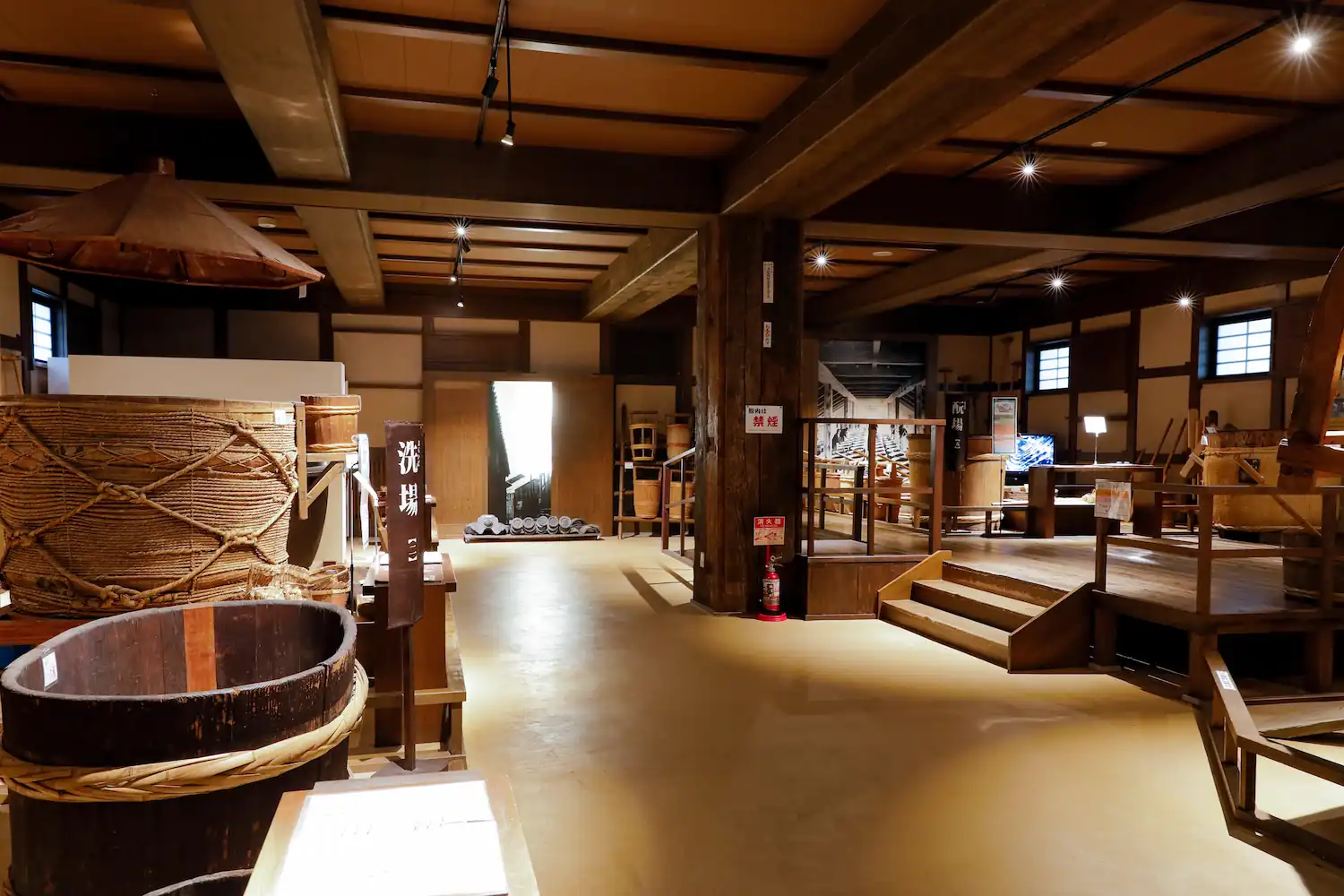
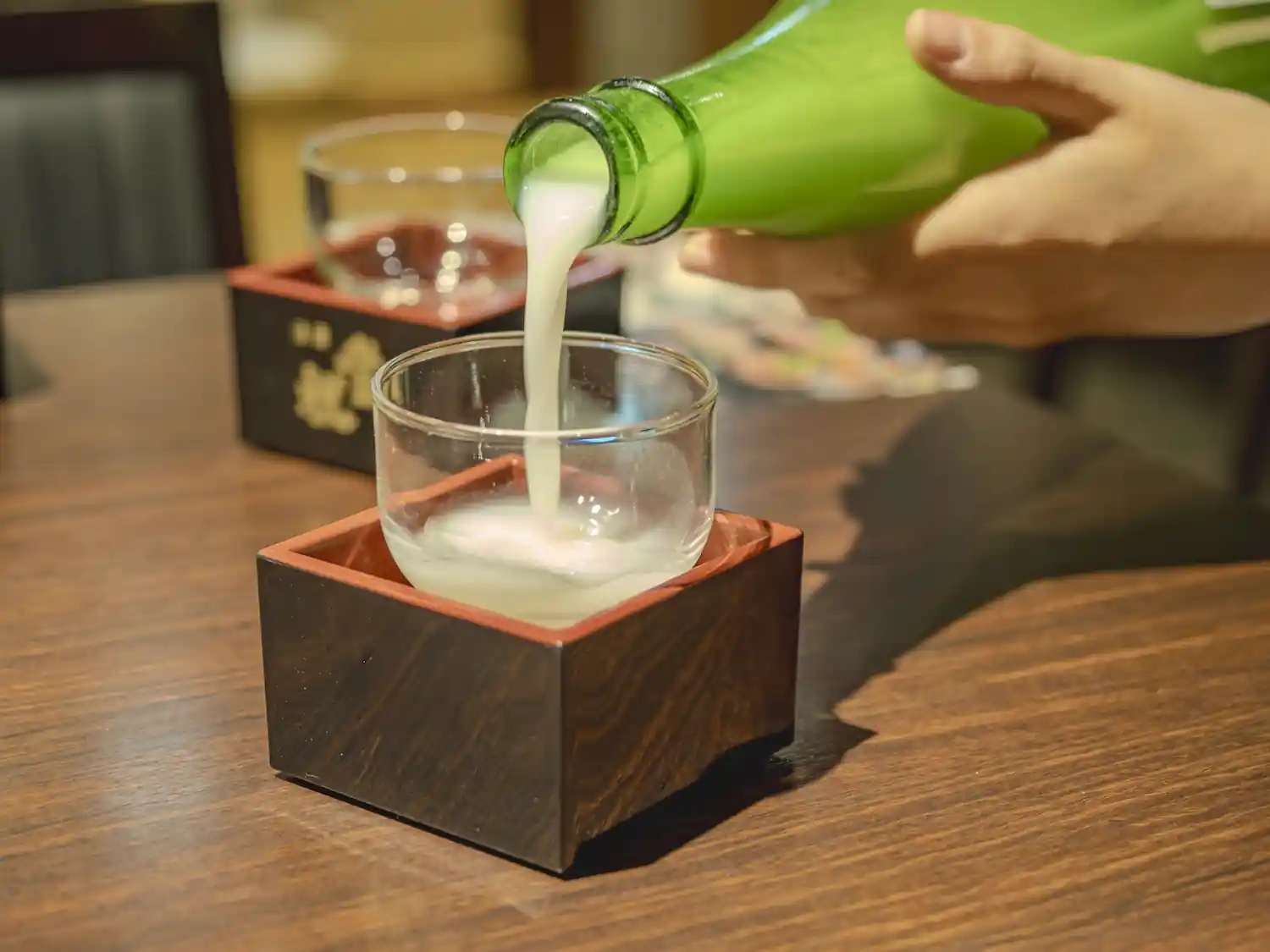
Source: Kobe Tourism Bureau General Incorporated Association *Image is for illustrative purposes
The true joy of Japan's Three Great Sake Regions is actually visiting and experiencing brewery tours! Locations offering tastings and tours are abundant, making it thoroughly enjoyable even for sake beginners. Here we've summarized brewery tourism tips for each region.
Walking and Touring Breweries in Hyogo's Nada
The Nada Five Towns area has multiple free-admission sake museum facilities. Centered on Hanshin Railway's Uozaki Station with convenient access, using trains lets you fully enjoy tastings!
A touring standard is "Hakutsuru Sake Museum." Using an actual Taisho-era brewery, museum exhibits recreate period sake-making with life-sized figures, easily understandable for beginners. "Kikumasamune Sake History Museum" offers careful viewing of sake-making tools designated as Important Tangible Cultural Properties, with new raw sake tastings. They also have the "Barrel Sake Master Factory" (reservation required), showcasing barrel sake manufacturing—a full brewery experience.
Opened in 2022, "Nada Five Towns Sake Place" offers tastings from all Five Towns breweries. The impressive sight of brands from each brewery lining a roughly 50m counter is perfect for ending brewery tours.
Kobe Sake Heart Museum (brand "Fukuju") conducts tours year-round (excluding December, reservation required, free). Post-tour tastings of freshly pressed sake make it ideal for brewing beginners.
The Nada Five Towns brewery area can be leisurely toured over a half-day to full day while enjoying street walks. Hyogo brewery visits are day-trip distance from the capital region, perfect for adding to Kansai trips!
Enjoying Brewery Tours in Kyoto's Fushimi
Keihan Railway's Chushojima Station conveniently accesses Fushimi's brewery area. With attractions within walking distance, you can leisurely visit multiple spots in one day.
"Gekkeikan Okura Memorial Museum" is a museum utilizing an 1909-built brewery, recently renovated in February 2024. The tasting space offers roughly 10 varieties of Gekkeikan sake (advance reservation recommended, admission required). "Kizakura Fushimi Brewery" uniquely offers simultaneous touring of sake and craft beer brewing—a rare national experience!
Fushimi's brewery area features scenic riverside charm. "Jisshoku boat" cruises, once transporting rice, are popular. Spring cherry blossoms and autumn foliage seasons are especially beautiful, perfect for combining with brewery tours.
"Fushimi Sake Brewery Alley" offers "eighteen-brewery tasting sets" sampling all 18 Fushimi breweries. Making this your final stop comprehensively experiences Fushimi sake.
On March 14, 2026, "Fushimi Sake Festival" will open at Gekkeikan Showa Brewery (paid, advance reservation required), letting visitors enjoy sake from 18 breweries. Twelve breweries will hold grand openings that day—a perfect opportunity to comprehensively experience Kyoto Fushimi sake character!
Research brewery information with Kraport, where you can search all nationwide breweries. Find breweries you'd like visiting.
Strolling Through Hiroshima's Saijo Brewery Street
JR Saijo Station is nearest to the Saijo area. Remarkably, within a 5-minute walk from the station, seven breweries line the streets—"such brewery concentration within 1km is rare nationwide," making it a uniquely compact brewery hub.
The brewery street with white plaster, namako-wall patterns, and red brick chimneys feels like stepping into Meiji-Taisho periods. This brewery facility group was selected as "Japan 20th Century Heritage 20" by the International Council on Monuments and Sites (ICOMOS), and in 2024 was designated a National Historic Site, raising cultural asset value.
Kamotsuru Sake Brewery's "First Warehouse" operates as a viewing room and direct sales shop, with sake-making displays and tastings. It's a historic brewery that pioneered ginjo, selling Japan's first daiginjo in 1958. Kamerei Brewery offers crisp Saijo sake tasting, while Fukubijin Brewery showcases the history of sake-brewing school and a 27m red brick chimney—the district's tallest.
Before each brewery, free tasting corners for brewing water are available. Water flavor slightly differs by brewery—a somewhat specialized enjoyment.
Every October, the "Sake Festival" gathers roughly 900 brands, attracting sake fans nationwide. "Bishu-nabe," Saijo-unique local cuisine featuring sake and salt-pepper seasoning extracting ingredient umami, is a must-taste post-brewery tour!
Hiroshima brewery visits are efficient after checking Higashi-Hiroshima City Saijo information beforehand. Saijo, concentrating history, culture, and fine sake, captivates not just sake enthusiasts but also town-walking lovers.
Summary
Nada, Fushimi, and Saijo—Japan's Three Great Sake Regions—are character-rich local sake regions produced by different water, history, and techniques. Nada's strong masculine sake, Fushimi's gentle feminine sake, soft-water-derived Saijo's full-bodied flavor. Through brewery visits and tastings, casually experience sake's profound depths!
*This article uses AI for information organization, writing assistance, and proofreading. The structure and final review are conducted by the Kraport editorial team
![[2026 Edition] Japan's Rarest Sake Ranking: 7 Phantom Brands & How to Get Them](/_next/image?url=https%3A%2F%2Fimages.microcms-assets.io%2Fassets%2F826a3c02e7914778a550c585c5136129%2Fea5556c1f22944d2baf1131914249f8d%2Fsake-sosogu.webp&w=1200&q=60)