What Is Sake Rice? Types, Differences from Table Rice & Why It Matters
"Sake rice" (or brewing rice) is used as a raw material for sake. Have you ever wondered what differs from the regular rice you eat, or why sake rice is used for brewing? Understanding sake rice types and characteristics makes sake selection even more enjoyable! This article clearly explains differences between sake rice and food rice, relationships with shinpaku (white core) and polishing ratio, representative varieties like Yamada Nishiki, and even cases where food rice is used to brew sake.
Mar 29, 2026

What is Sake Rice? Explaining Differences from Food Rice
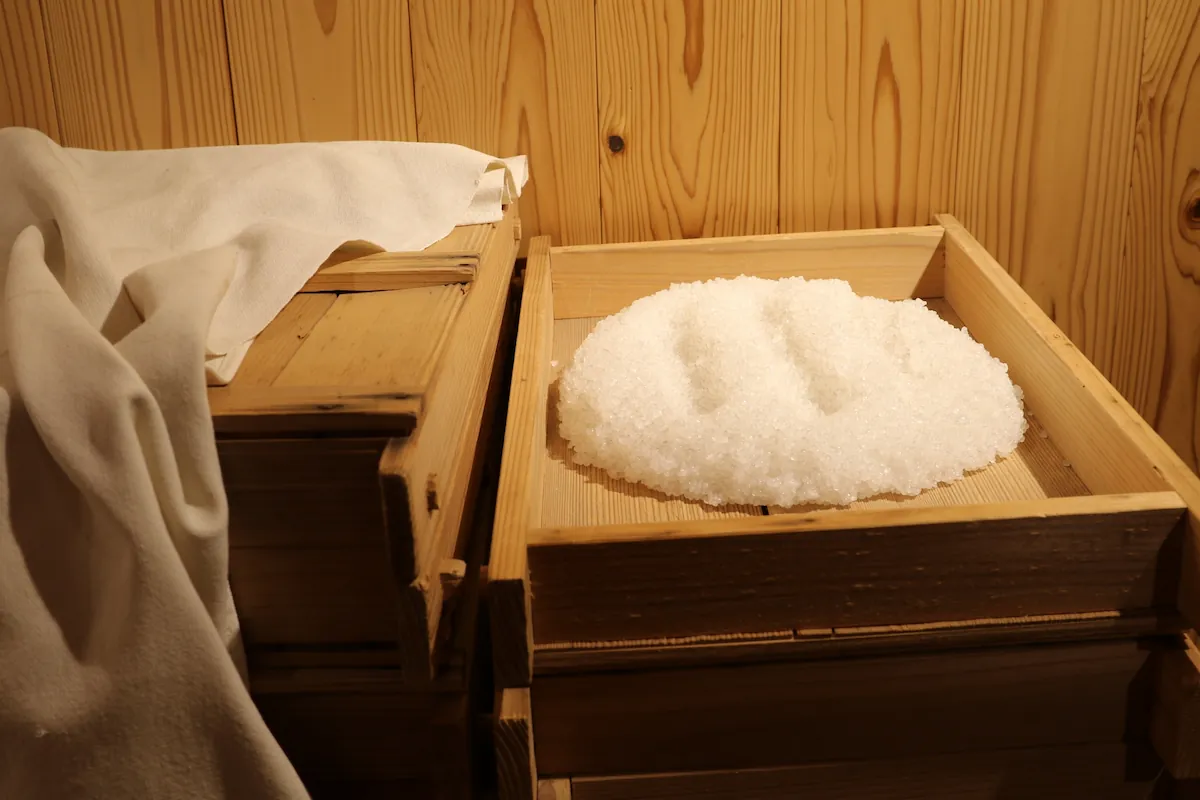
Source: Unsplash *Image is for illustrative purposes
Special rice used in sake production is called "sake rice!" Officially termed "sake-suitable rice," it's been selectively bred with characteristics ideal for brewing.
Over 100 sake rice varieties are currently registered with Japan's Ministry of Agriculture, Forestry and Fisheries (Reference: MAFF "2023 Sake Rice Production Status"). It possesses completely different characteristics from everyday food rice like Koshihikari or Akitakomachi.
Sake Rice's Greatest Characteristic: The "Shinpaku"
The most significant difference between sake and food rice is the "shinpaku" (white core)—a white, cloudy section at the grain's center! This shinpaku features loosely-packed starch with numerous gaps rather than densely-compressed starch.
Imagine the grain's center being slightly fluffy. These gaps allow koji mold, essential for sake production, to penetrate the grain's center thoroughly. When koji mold penetrates deeply, the rice starches convert thoroughly to sugars, creating aromatic, clean-flavored sake with minimal off-flavors.
Food rice lacks this shinpaku. Shinpaku expression rates vary by variety; the famous "Yamada Nishiki" reportedly exhibits shinpaku in approximately 70% of grains (Reference: JA Zennoh Hyogo "Yamada Nishiki 80th Anniversary Pamphlet").
Large Grains That Resist Breaking
Sake rice features larger grains than food rice. Sake production involves "polishing," the process of removing outer grain layers.
The rice exterior contains abundant protein and fat. While these provide food rice with umami and nutrition, they create off-flavors during sake production. Thus, sake brewing requires removing the grain's outer layers.
Food rice typically removes about 10%, but sake rice removes 30% or more, with ginjo and daiginjo sake sometimes removing 40–70% or greater. Despite such extensive polishing, sake rice maintains structural integrity thanks to its large grain size and natural fracture resistance.
Lower Protein and Fat Content
Sake rice contains lower protein and fat levels than food rice.
Excessive protein disrupts koji mold and yeast balance during fermentation or produces off-flavors in the finished sake. Abundant fat inhibits aroma development.
Thus, sake rice with minimal protein and fat facilitates producing aromatic, clean-flavored sake!
Why Use Sake Rice?
The primary reason for using sake rice is simple: "It makes producing delicious sake easier!"
Large grains resistant to breaking enable efficient polishing; shinpaku facilitates koji mold development; low protein and fat minimize off-flavors. Combined, these characteristics enable producing high-quality sake with rich aroma and balanced flavor.
That said, sake can be produced using food rice. Indeed, some breweries create distinctive sake using food rice like Koshihikari or Sasanishiki. Recently, more breweries focus exclusively on local food rice, creating sake showcasing regional character.
Sake Rice History
The sake-suitable rice concept is surprisingly recent. While sake production dates to the Nara period, serious selective breeding began during the Meiji era to create better sake.
"Omachi," discovered in Okayama in 1859, is among the oldest existing sake rice varieties, serving as ancestor to Yamada Nishiki and Gohyakumangoku. Yamada Nishiki was born in 1923 at a Hyogo research facility and was designated a recommended variety in 1936.
Post-1951, the Agricultural Products Inspection Law established "brewing rice" classification, formally distinguishing sake rice from general rice.
Currently, each prefecture develops original sake rice suited to local climate and environment. Yamagata's "Dewa Sanzan," Niigata's "Koshi Tanrei," Hokkaido's "Ginpu"—regionally distinctive varieties continually emerge!
Sake Rice Cultivation Conditions
Sake rice cultivation is more challenging than food rice, requiring stringent conditions.
Tall Plant Height
Sake rice stalks grow taller than food rice; for example, Yamada Nishiki reaches approximately 130 cm. Food rice like Koshihikari measures 100–110 cm, making sake rice 20–30 cm taller!
Greater height increases vulnerability to strong winds and typhoons. Cultivation proves extremely demanding, requiring superior farmer expertise and effort compared to food rice.
Large Day-Night Temperature Variation Ideal
Sake rice cultivated with significant day-night temperature variation develops starch-rich, sticky characteristics. Thus, mountainous regions represent ideal sake rice cultivation locations.
Hyogo's Rokko Mountains (primary Yamada Nishiki production area) and high-altitude Nagano regions (where Miyama Nishiki thrives) demonstrate how premium sake rice is produced in mountain areas with temperature variation.
Nutrient-Rich Soil and Adequate Spacing
Sake rice demands extensive nutrients due to larger grain size compared to food rice. Cultivation employs nutrient-rich soil with wider plant spacing to ensure sunlight and air circulation.
These stringent conditions result in sake rice trading at approximately 2+ times food rice prices. Yamada Nishiki from special grade districts commands even higher value.
Sake rice production comprises merely ~1% of total national rice production, making it exceptionally precious.
Representative Sake Rice Varieties
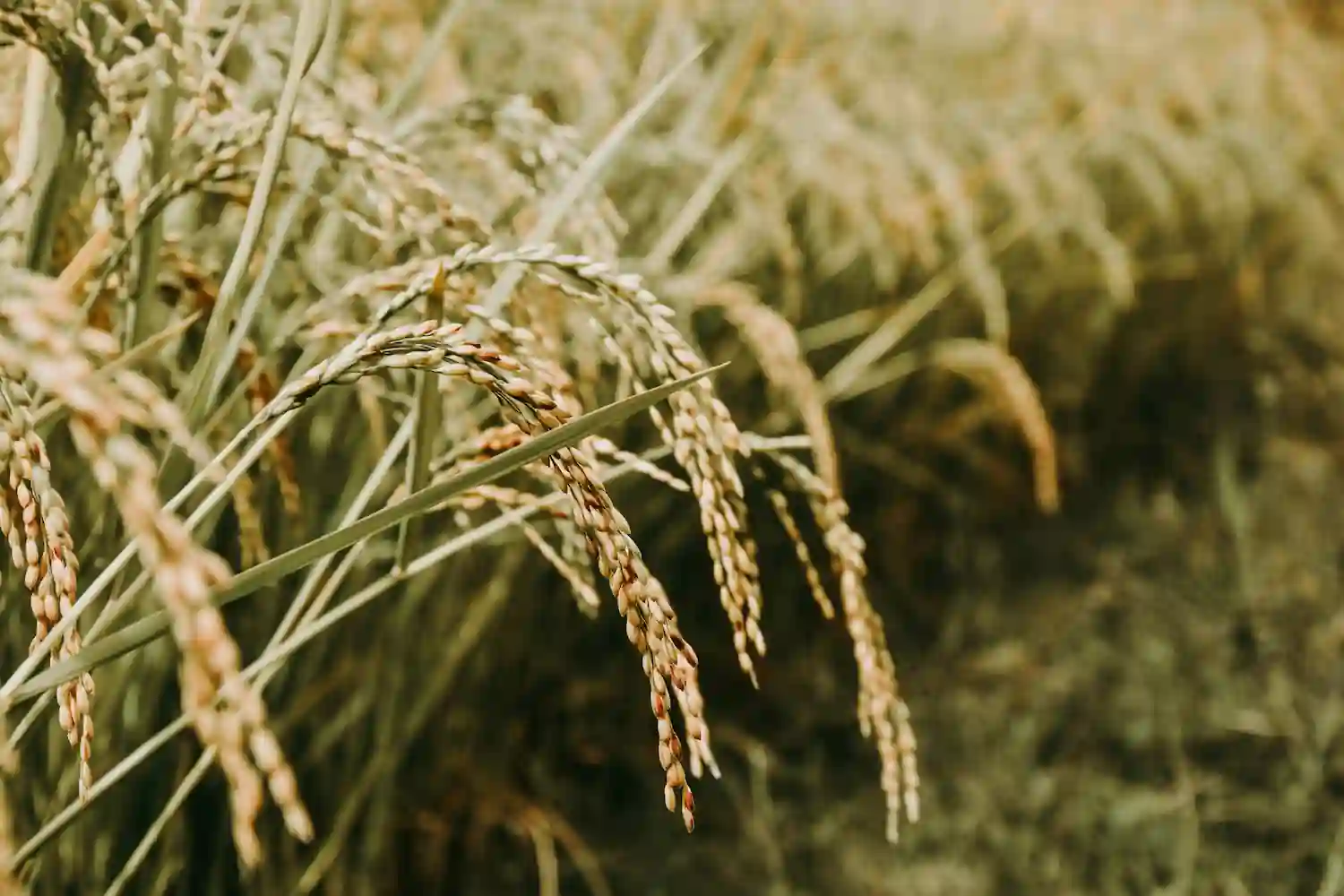
Source: Unsplash *Image is for illustrative purposes
While 100+ sake rice varieties exist, here are especially notable representatives!
Yamada Nishiki
"Yamada Nishiki," the king of sake rice, comprises approximately 40% of total sake rice production—commanding overwhelming market share.
Born in Hyogo and designated a recommended variety in 1936, Yamada Nishiki boasts historic prestige. Yamada Nishiki from Hyogo's "Special Grade District" is recognized as supreme quality.
Yamada Nishiki Characteristics
- Large shinpaku tolerating high-degree polishing
- Low protein content
- Naturally yields rich, aromatic sake
- Frequently used in ginjo and daiginjo sake
Yamada Nishiki sake tends toward aromatic, balanced, mellow flavor with deepness. Many famous sake brands like "Dassai" employ Yamada Nishiki.
Gohyakumangoku
If Yamada Nishiki is the "western champion," Gohyakumangoku is the "eastern champion!" Born in Niigata Prefecture with second-ranked production after Yamada Nishiki.
The name celebrates achieving five-million-koku rice production (~750,000 tons) in Niigata.
Gohyakumangoku Characteristics
- Naturally produces clean, light flavor
- Supported Niigata's light-dry sake boom
- Features sharp, crisp finish
- Ideal for food-pairing sake
Gohyakumangoku sake typically offers moderate aroma, clean flavor, and sharp finish. It pairs excellently with Japanese cuisine like sashimi and grilled fish.
Miyama Nishiki
Born in Nagano Prefecture as the third-ranked sake rice by production, Miyama Nishiki emerged through spontaneous mutation in 1978, making it relatively new.
Named for beautiful shinpaku resembling Northern Alps snow, it exhibits cold-climate hardiness, allowing cultivation in Nagano, Akita, Yamagata, and other cold regions.
Miyama Nishiki Characteristics
- Ideal for cold-climate cultivation
- Clean sweetness with appropriate acidity
- Well-balanced flavor profile
- Naturally yields light, sharp sake
Miyama Nishiki sake typically features light, crisp flavor similar to Gohyakumangoku.
Omachi
Discovered in Okayama in 1859 during the late Edo period, Omachi represents the most historic sake rice variety. Serving as ancestor to Yamada Nishiki and Gohyakumangoku, it holds distinguished heritage!
Difficult cultivation caused production to plummet, earning it the "phantom sake rice" nickname. Recently, its distinctive flavor gained renewed appreciation, generating devoted "Omachi enthusiasts."
Omachi Characteristics
- Difficult to cultivate; Okayama produces ~95% of supply
- Naturally yields rich, full-flavored sake
- Creates deep, substantial flavor
- Suited to aging
Omachi sake features subtle aroma but concentrated flavor and deep complexity. Aging potential is strong.
Sake Rice and Sake Brewing Relationships
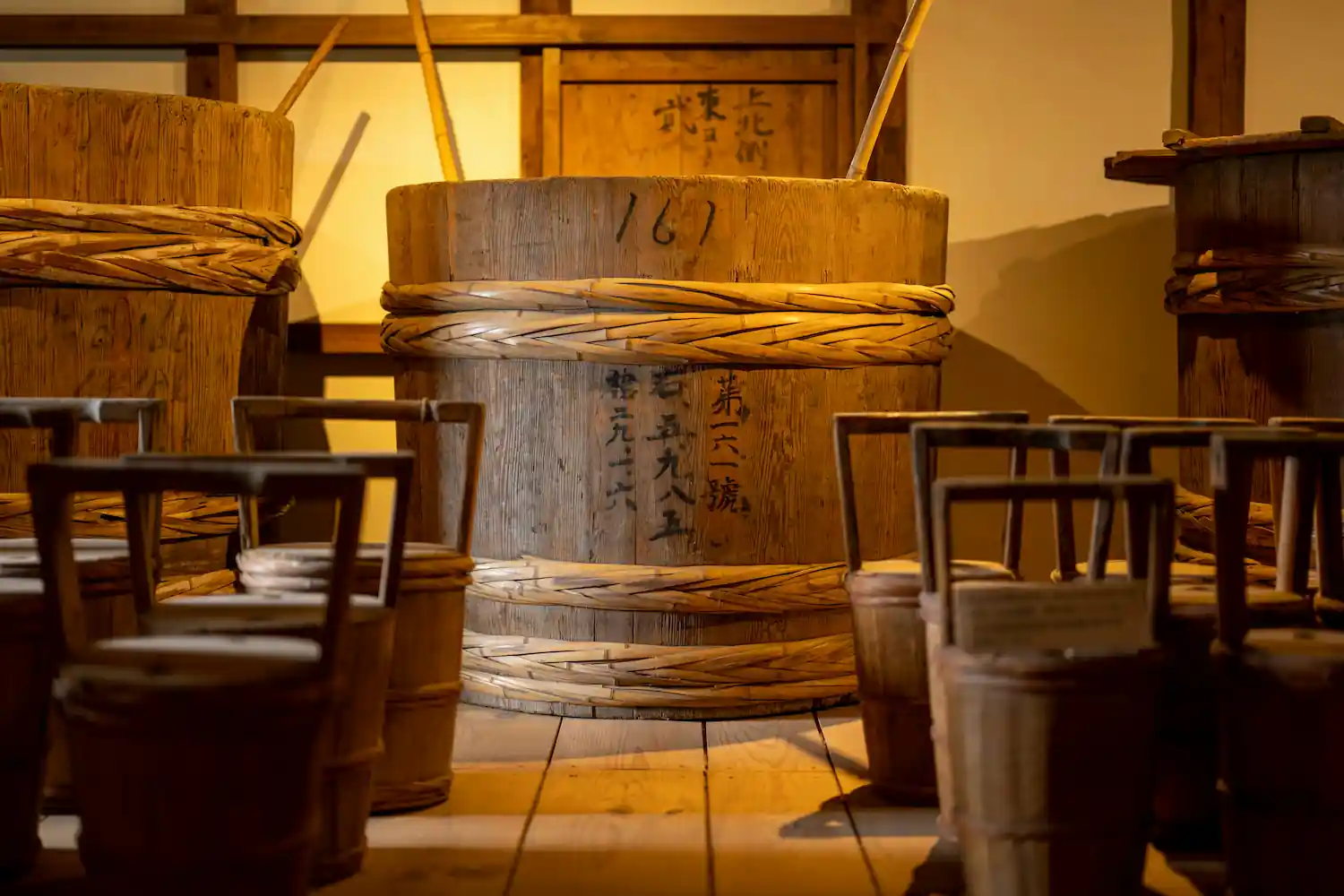
Source: Unsplash *Image is for illustrative purposes
Sake rice variety dramatically affects sake flavor. Here we explore sake rice and sake brewing relationships!
Polishing Ratio and Sake Rice Relationship
Have you noticed "polishing ratio 60%" on sake labels? This means the outer 40% of the brown rice was removed, with the remaining 60% used for brewing.
Though potentially confusing, "60% remaining" means lower numbers indicate more polishing!
Sake classifications by polishing ratio are (Reference: National Tax Agency "Clear Sake Manufacturing and Quality Display Standards"):
- Daiginjo: 50% or less polishing ratio
- Ginjo: 60% or less polishing ratio
- Honjozo: 70% or less polishing ratio
Lower polishing ratios (more polishing) remove protein and fat, yielding clearer flavor. A 50% ratio means half is removed, naturally resulting in very clean taste.
Sake rice like Yamada Nishiki with large shinpaku and grain size tolerates high-degree polishing, frequently appearing in premium daiginjo sake. Conversely, Gohyakumangoku's slightly smaller grains see more use in pure rice and hon-jozo sake.
Sake Rice's Impact on Flavor
Sake rice variety significantly influences sake flavor.
Aromatic Type (Full-Bodied)
- Yamada Nishiki, Omachi, etc.
- Rich, thick-flavored
- Aromatic and well-balanced
Light Type (Clean)
- Gohyakumangoku, Miyama Nishiki, etc.
- Light with sharp finish
- Ideal for food-pairing
Even identical sake features dramatically different flavor based on employed rice! When selecting sake, check the label's rice variety.
Food Rice Sake Also Exists!
Recently, more breweries produce sake exclusively from food rice like Koshihikari and Sasanishiki.
Food rice sake offers distinctive flavor differing from sake rice varieties. Many breweries emphasize local rice, creating regionally-characteristic sake.
Food rice sake often circulates at lower cost, providing accessible enjoyment. Comparative tasting between sake rice and food rice sake proves intriguing!
Summary
Sake rice (brewing rice) is special rice exclusively for sake production. It features shinpaku, large grains resistant to breaking, and low protein/fat content. Understanding sake rice differences from food rice deepens sake appreciation.
Sake rice variety dramatically affects flavor. Yamada Nishiki produces rich, balanced taste; Gohyakumangoku and Miyama Nishiki naturally yield light, crisp flavor—each possessing individuality. Checking label rice variety helps discover personally-preferred bottles!
Polishing ratios also affect flavor. Highly-polished daiginjo features clean, clear taste. Sake rice and polishing ratio share inseparable relationships in sake brewing.
*This article uses AI for information organization, writing assistance, and proofreading. The structure and final review are conducted by the Kraport editorial team.
![[2026 Edition] Japan's Rarest Sake Ranking: 7 Phantom Brands & How to Get Them](/_next/image?url=https%3A%2F%2Fimages.microcms-assets.io%2Fassets%2F826a3c02e7914778a550c585c5136129%2Fea5556c1f22944d2baf1131914249f8d%2Fsake-sosogu.webp&w=1200&q=60)