Sparkling Sake Guide: What It Is, How to Drink It & How to Choose
Sparkling sake captivates with its refreshing carbonation. Also called fizzy sake, it's popular with beginners and women alike. We introduce sparkling sake's appeal clearly, from production methods and drinking styles to choosing sweet or dry varieties!
Mar 29, 2026

What is Sparkling Sake? Basic Knowledge of Fizzy Sake
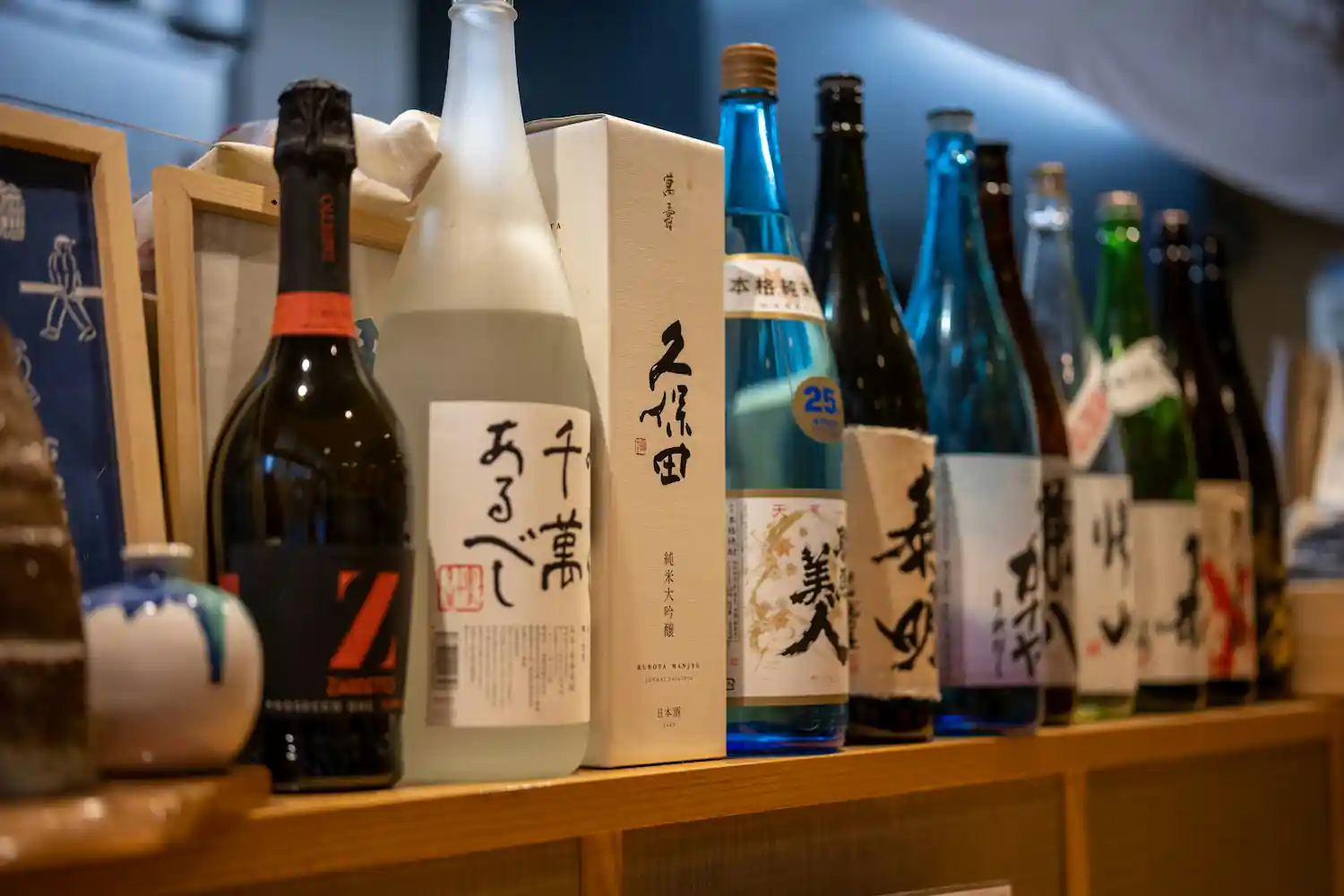
Source: Unsplash *Image is for illustrative purposes
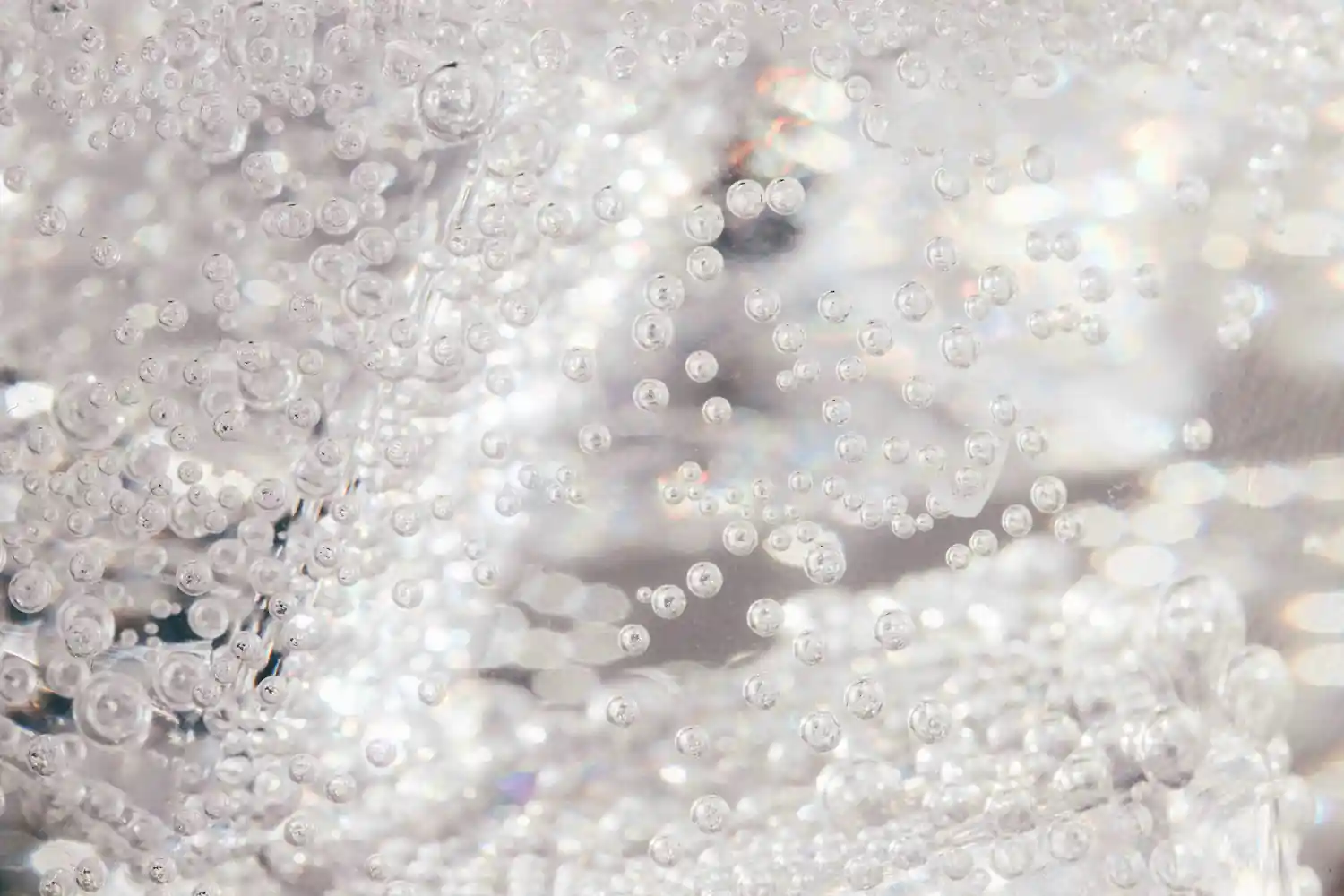
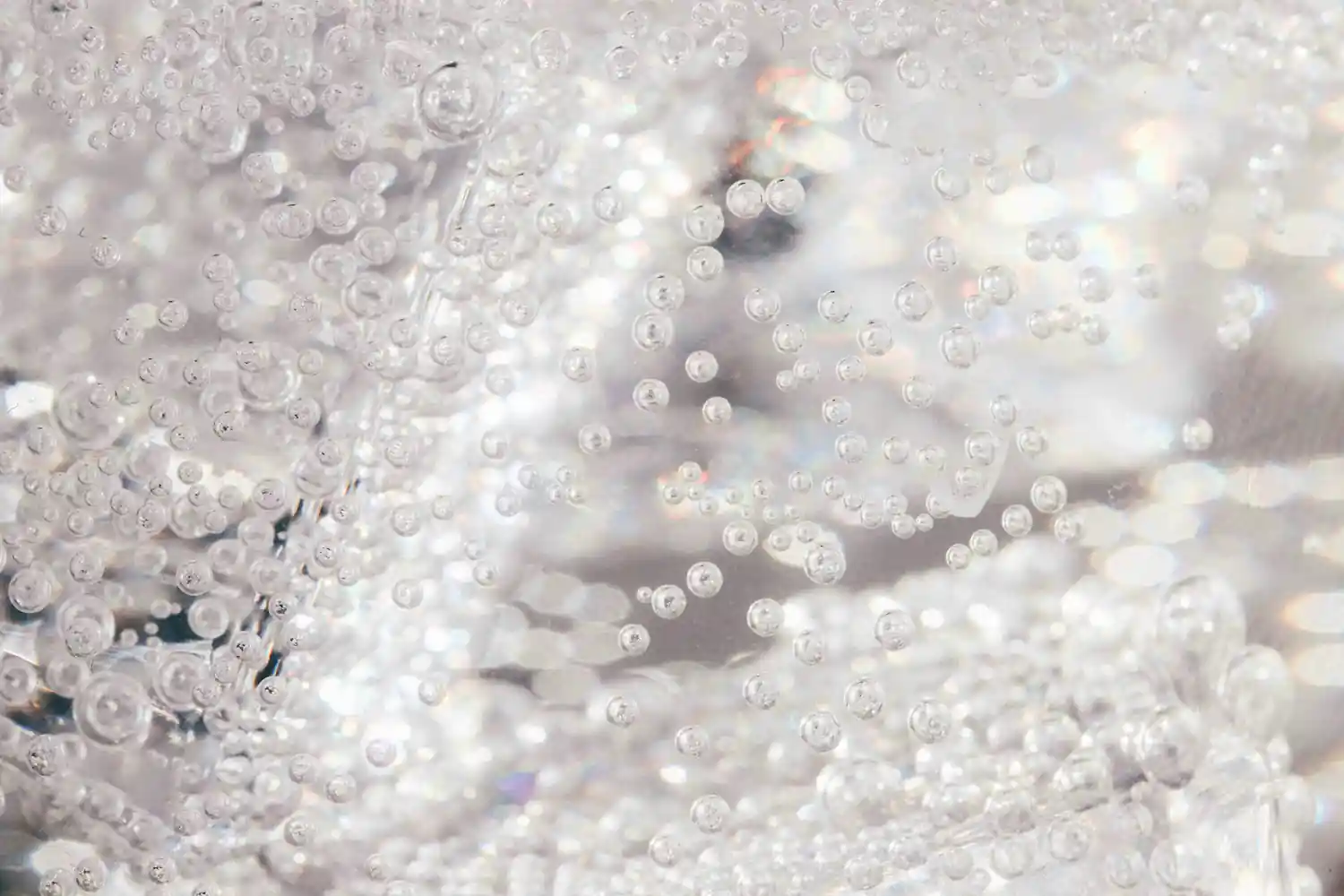
Sparkling sake refers to carbonated, effervescent alcoholic beverages. Also called fizzy sake or sparkling clear sake, it's beautiful with glistening bubbles rising as you pour into a glass—stylish in appearance!
The main difference from regular sake is the refreshing, fizzy mouthfeel. Regular sake typically ranges from 15–16% alcohol, while sparkling sake often measures 5–13%—lower alcohol content. Some varieties are around 5%, making them enjoyable even for those sensitive to alcohol!
Most are fruity and sweet, appealing to those unfamiliar with sake's distinctive aroma. Recently, dry types have increased, allowing selection based on preference.
How Does Sparkling Sake Differ from Champagne?
Many wonder: "What's the difference between sparkling sake and champagne?" Champagne is a fizzy wine made from grapes, while sparkling sake is made from rice—completely different ingredients!
Champagne typically ranges around 12% alcohol, while sparkling sake often measures lower, offering a lighter drinking experience. Being able to taste rice's distinctive umami and gentle sweetness is a key difference unique to sake.
Production methods share some similarities; bottle-based secondary fermentation follows champagne's principles. That's why sparkling sake is sometimes called "sake's champagne version"!
Types of Sparkling Sake Production Methods
Sparkling sake divides into three main types based on production method. Since carbonation intensity and flavors differ, knowing these details makes selection more enjoyable!
Bottle-based secondary fermentation type employs authentic champagne methodology. Yeast ferments within the bottle, naturally trapping carbonation as it develops. Fine, creamy bubbles characterize this method, offering refined flavor. In 2016, the "awa sake association" was established to certify sake meeting specific standards as "awa sake"!
Carbonated gas injection type involves post-production carbonation addition—the same method as carbonated beverages. Bubbles are relatively large with notably stronger carbonation sensation. Prices tend to be reasonable, with ready availability in convenience stores and supermarkets!
Active nigori (cloudy) type features coarsely-pressed mash at mid-fermentation, bottled immediately. Living yeast continues fermenting within the bottle, naturally generating carbonation. White-cloudy appearance with thick mouthfeel and gentle effervescence characterize this type. Most feature "caution: contents may spray" labels, so open slowly and carefully!
How to Drink and Enjoy Sparkling Sake
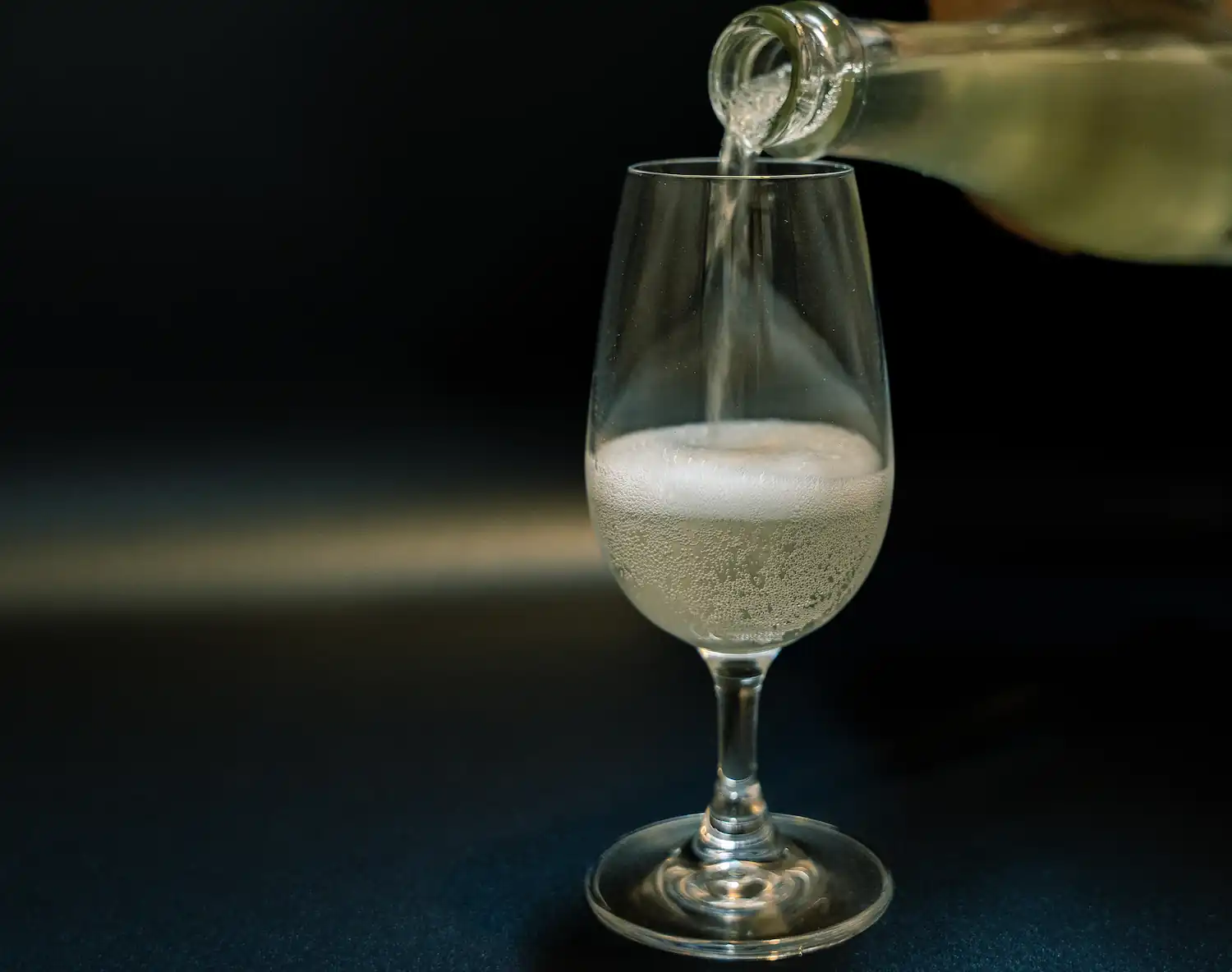
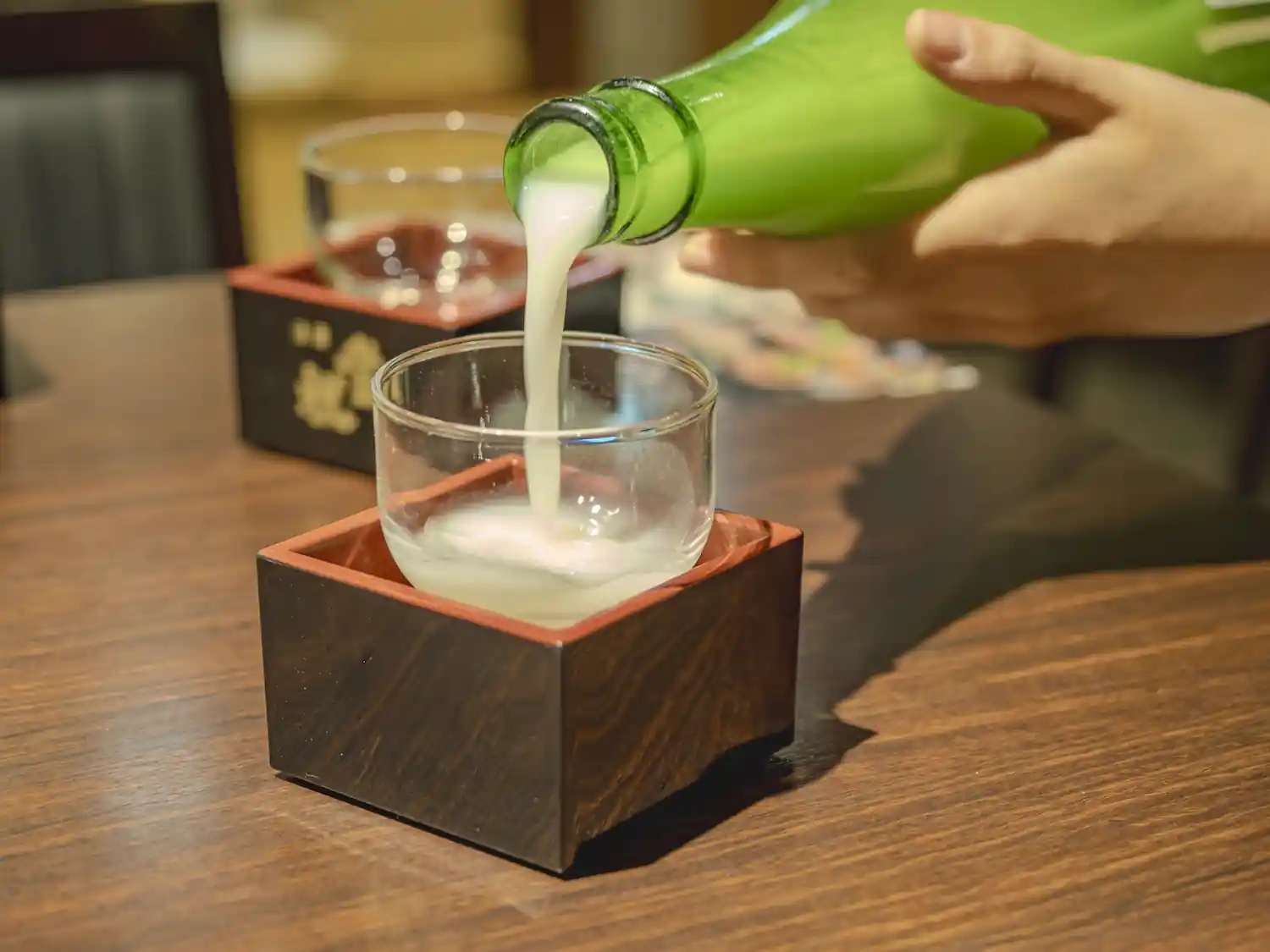
*Image is for illustrative purposes
The key to delicious sparkling sake is thorough chilling! At 5–10 degrees Celsius, carbonation's refreshing sensation truly shines. Chill in a refrigerator for 2–3 hours before serving.
Using champagne or wine glasses looks stylish! Slender glasses beautifully showcase the rising bubbles, offering visual enjoyment. Of course, casual drinking from traditional cups or tumblers works fine too.
When pouring, tilt the glass slightly and pour slowly. Rapid pouring causes overflow, so observe carefully and add gradually. Never shake or agitate the bottle beforehand, as this releases carbonation—handle gently!
Pairing with food is excellent. While Japanese cuisine pairs perfectly, it complements Western and ethnic dishes equally well. Especially excellent pairings include sashimi and raw oysters, fried items like karaage, cheese, and fruit. Sparkling sake's refreshing acidity and carbonation cleanse fatty dishes beautifully!
Perfect For These Occasions!
Sparkling sake excels as a toasting beverage. At birthdays, anniversaries, and celebrations, using it instead of champagne creates stylish, Japanese-inflected atmosphere! The elegant appearance perfectly decorates party tables.
Also recommended for casual women's gatherings. Low-alcohol sweet varieties appeal to those sensitive to alcohol, allowing everyone to enjoy. Stylish bottle designs practically guarantee Instagram appeal!
It makes appreciated gifts. From luxury varieties in decorative boxes to comparison sets, you can select based on recipient preference. Even those hesitant about regular sake might welcome sparkling sake with fresh enthusiasm.
Sweet or Dry? Choosing Sparkling Sake That Suits You
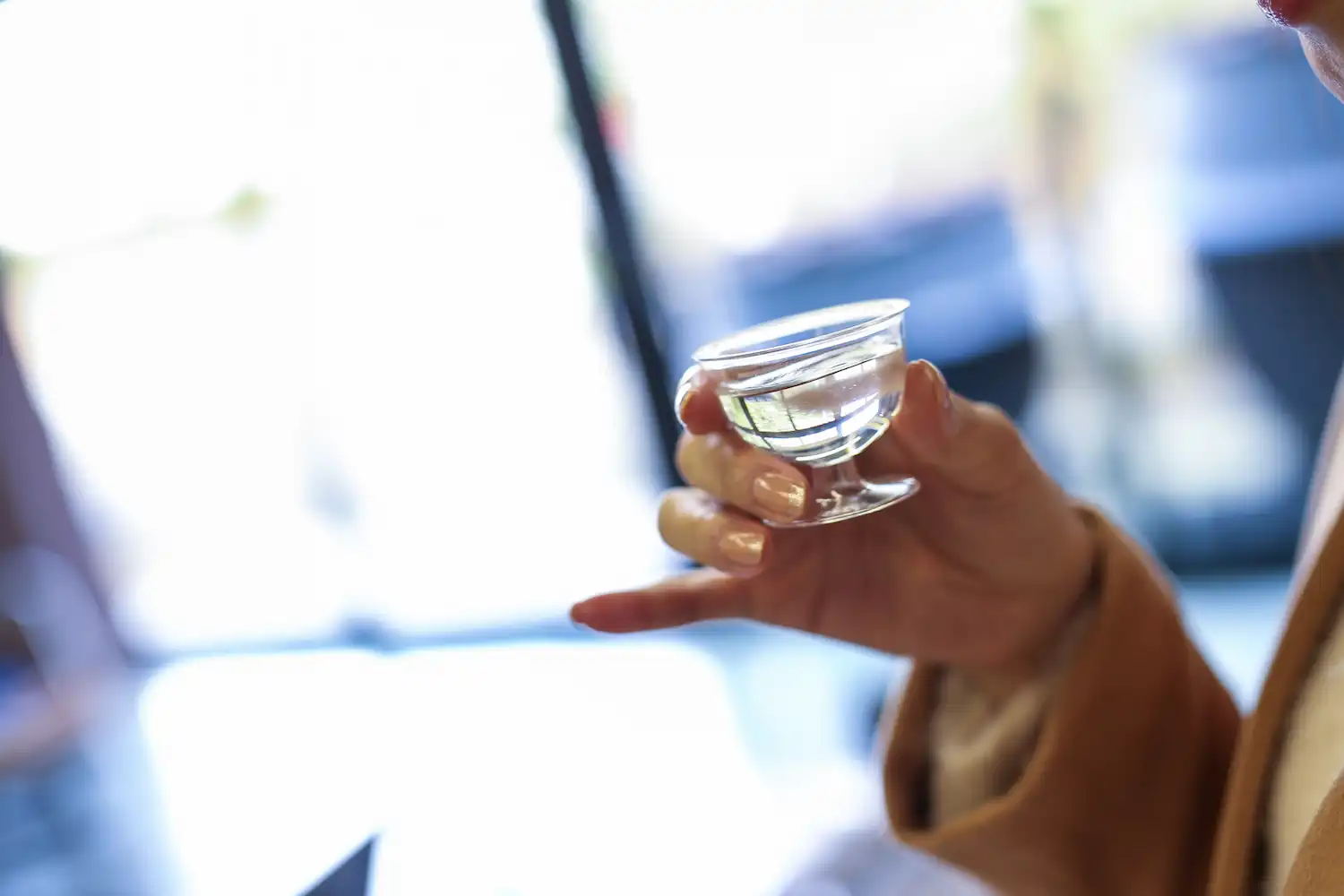
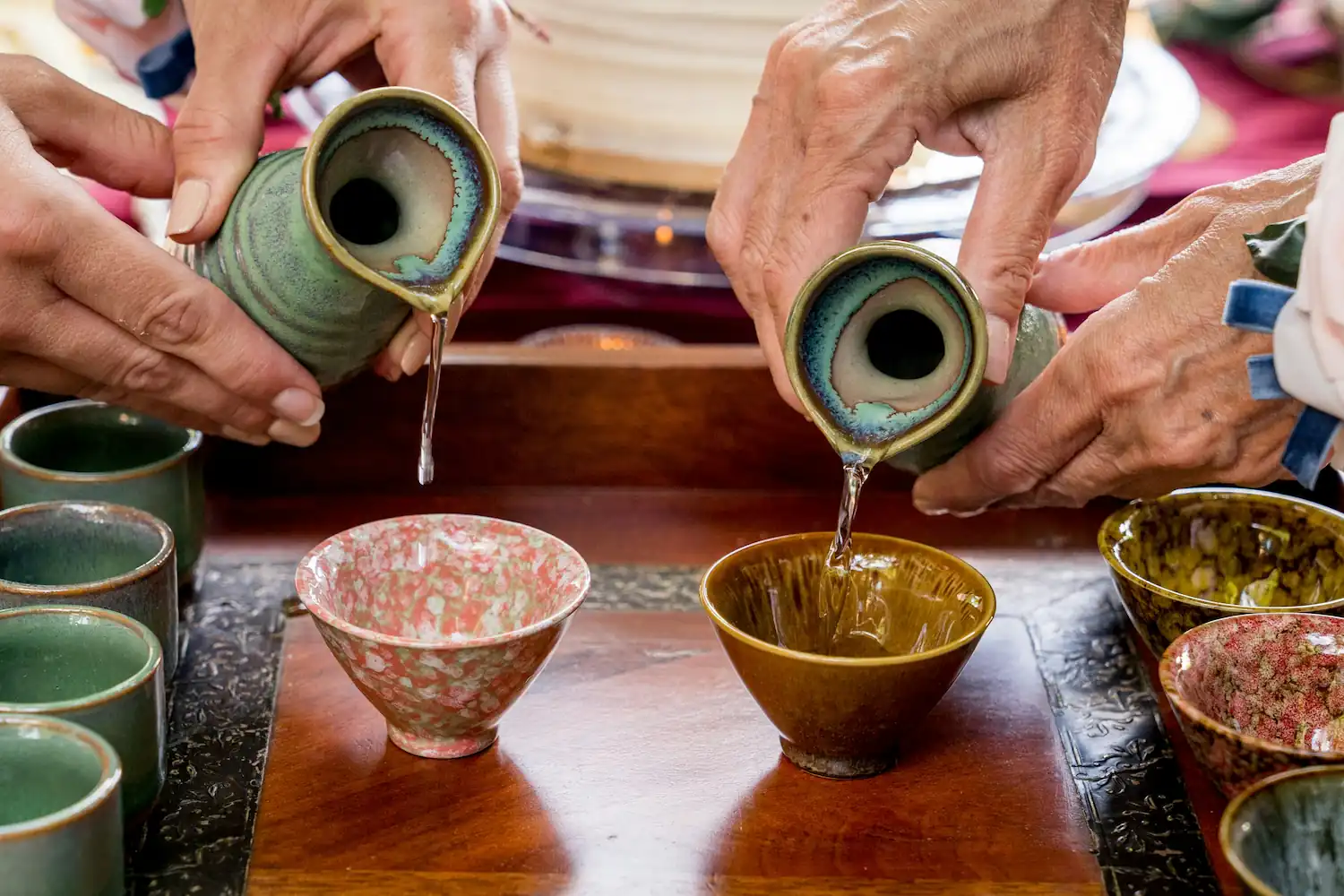
*Image is for illustrative purposes
When selecting sparkling sake, first check whether it's sweet or dry. Matching your preference enhances enjoyment!
Sweet Sparkling Sake
Sweet sparkling sake is characterized by fruity, approachable flavor. A negative Sake Meter Value and lower acidity indicate sweetness. Look for Sake Meter Value below -1.0 and acidity below 1.5.
Many feature muscat or apple-like aromas with gentle rice sweetness. Enjoyable as dessert sake, it pairs wonderfully with sweets after meals. Perfect for sake beginners or those preferring sweet beverages!
Most feature low alcohol content (5–8%), offering reassurance for those sensitive to alcohol. Excellent for relaxing slowly or at casual women's gatherings.
Dry Sparkling Sake
Dry sparkling sake appeals with crisp, sharp flavor. A positive Sake Meter Value and higher acidity indicate dryness. Target Sake Meter Value above +4.0 and acidity above 1.6.
Its sharp palate intensifies carbonation's refreshing sensation. Pairs easily with meals, especially Japanese and seafood cuisine! Strong rice umami shines through for those seeking authentic sake character.
Higher alcohol content (11–13%) offers substantial drinking experience. Perfect for sophisticated toasting or pairing with meals.
Label-Reading and Selection Tips
When reading labels, check Sake Meter Value and alcohol content. The Sake Meter Value indicates sugar content—more negative means sweeter, more positive means drier.
Also check production method. For authentic flavor, seek "bottle secondary fermentation" or "awa sake" labels. For casual enjoyment, "carbonated gas injection" types offer convenience.
Check ingredients too! Sake made from only "rice" and "rice koji" delivers genuine rice flavor. Gas-injection types list "carbonation" or "carbonated gas" in ingredients, making identification easy.
Bottle design adds fun to selection! Stylish bottles deserve display after finishing. For gifts, choose high-end decorated-box varieties for guaranteed appreciation.
Those wanting more brewery information should search "Kuraport," Japan's largest brewery database. You can discover visitable breweries, making visits to interesting breweries worthwhile!
Summary
Sparkling sake offers diverse production methods and flavors, approachable even for beginners. Explore sweet and dry varieties and creative drinking methods to discover your perfect bottle!
*This article uses AI for information organization, writing assistance, and proofreading. The structure and final review are conducted by the Kraport editorial team.
![[2026 Edition] Japan's Rarest Sake Ranking: 7 Phantom Brands & How to Get Them](/_next/image?url=https%3A%2F%2Fimages.microcms-assets.io%2Fassets%2F826a3c02e7914778a550c585c5136129%2Fea5556c1f22944d2baf1131914249f8d%2Fsake-sosogu.webp&w=1200&q=60)