Toji vs. Kurabito: Understanding the Key Roles in Japanese Sake Brewing
Both toji (master brewers) and kurabito (brewery workers) are essential to Japanese sake brewing! A toji is the ultimate responsible party in a sake brewery who determines sake quality and directs the kurabito, while kurabito are the brewery artisans who handle the actual sake-making work. This article explains the differences and roles of toji and kurabito in beginner-friendly terms!
Mar 29, 2026

The Difference Between Toji and Kurabito
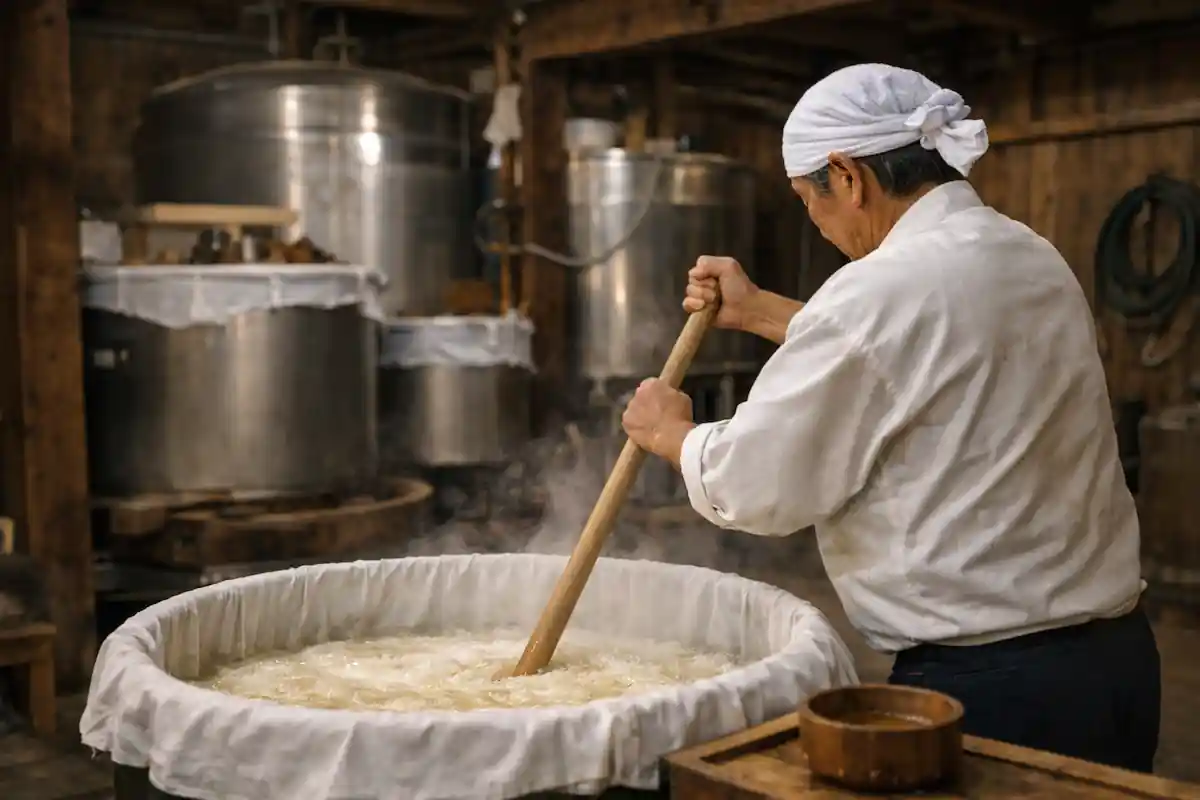
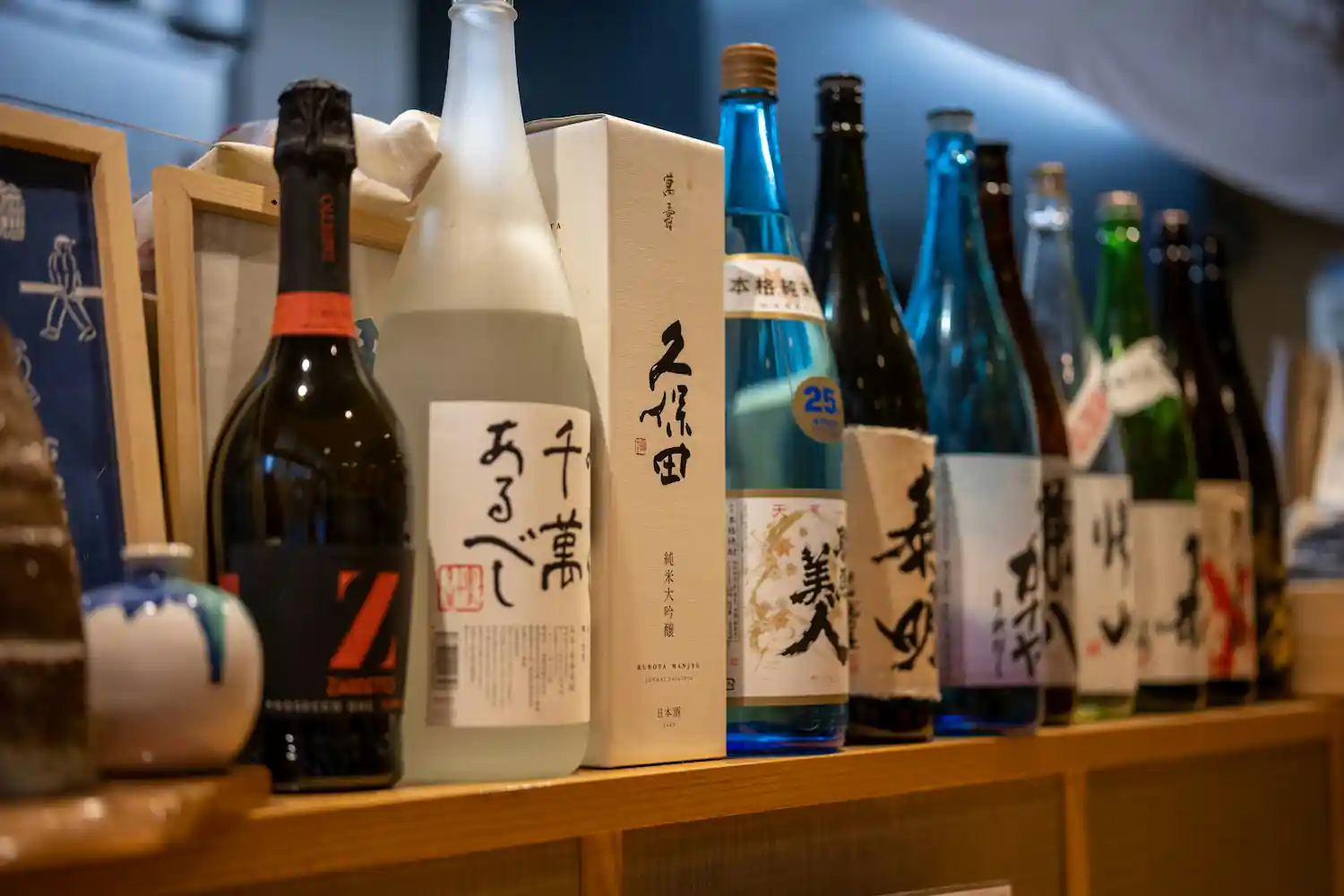
Source: Unsplash *Image is for illustrative purposes
First, let's clarify the difference between toji and kurabito!
Toji is the ultimate responsible party for sake brewing in a brewery. They oversee all stages of sake production, from raw material selection to manufacturing, storage, and quality control. In a sense, they're like the "manager" of the sake-making team!
Kurabito are the craftspeople who actually perform the work of sake brewing under the toji. They divide tasks among themselves, handling various processes like rice washing, koji cultivation, and mash management. In team terms, they're the essential "players."
In short, the toji is the "director," while the kurabito are the "implementers!"
What is a Toji? The Leader of Sake Brewing
A toji is the ultimate responsible party for sake brewing in a brewery. While understanding the brewery owner's intentions, they determine the sake quality and flavor. The saying goes "change the toji, change the taste," reflecting their major influence on sake flavor—a truly important role!
A toji's work requires not just knowledge and technique in sake brewing but also leadership and communication skills to bring together the kurabito. They are true specialists in sake brewing.
What is Kurabito? The Team Behind Sake Brewing
Kurabito refers to people who work on sake production under the toji, the ultimate responsible party for sake brewing.
Kurabito's work spans all stages of sake making: koji cultivation, yeast management, rice polishing and washing, steaming, mash fermentation and pressing, filtering, and more. Some tasks require specialized knowledge and experience, while others include seemingly mundane work like brewery cleaning and tool washing. They truly take on a diverse range of roles!
Detailed Explanation of the Toji's Work and Role

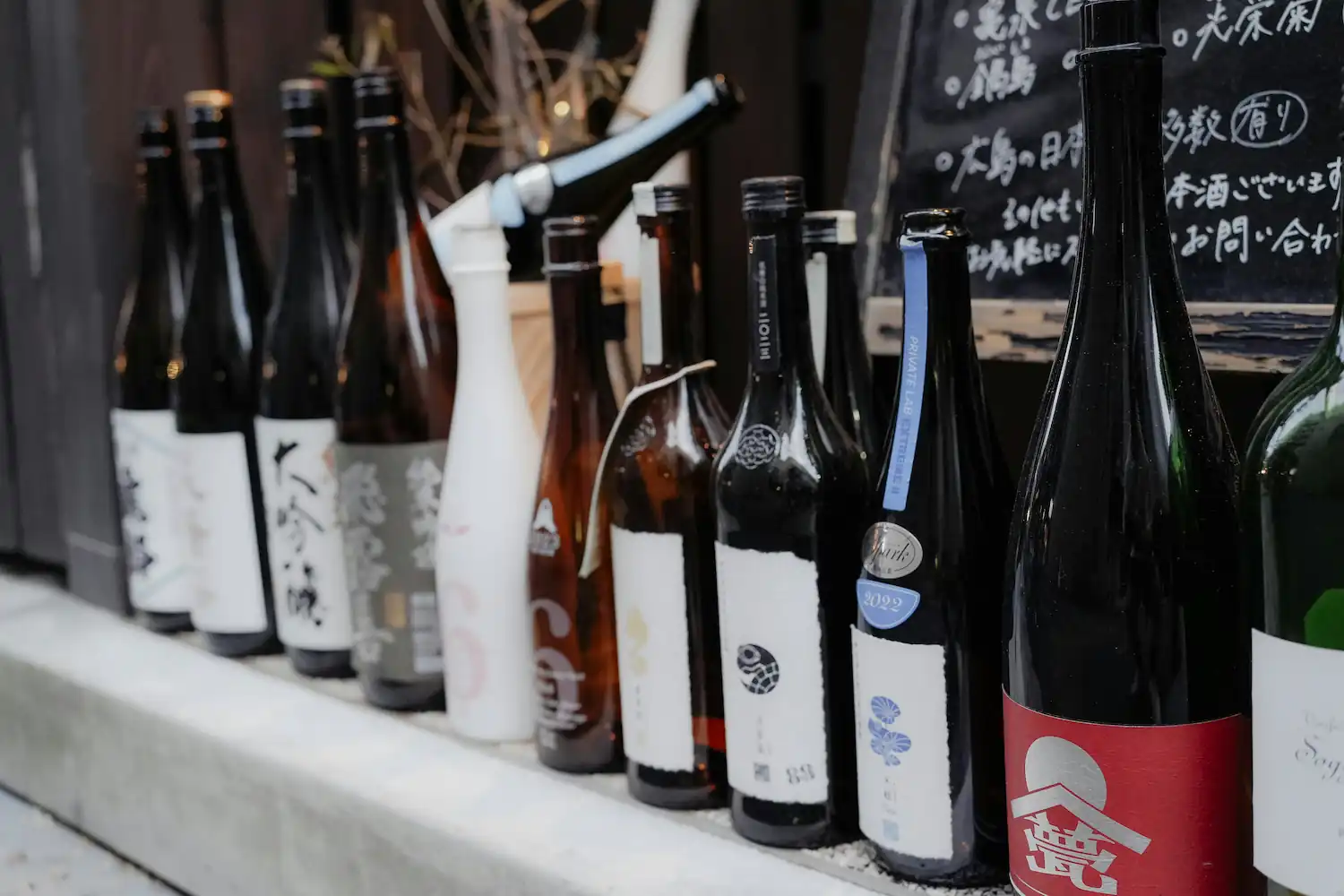
Source: Unsplash *Image is for illustrative purposes
The toji's work is broader than imagined. Here, let's examine the toji's specific responsibilities in detail!
The toji's main responsibilities include:
Managing all brewing stages: They oversee every stage from raw material selection and rice polishing to manufacturing, quality control, and storage. Determining the brewing method to reproduce the brewery owner's desired sake quality and planning the brewing schedule are also key toji responsibilities.
Managing kurabito: Managing kurabito teams—sometimes numbering in the dozens—falls to the toji. They determine who should fill what role and how to ensure smooth team operations. High communication and leadership abilities are essential!
Administrative work: The toji also handles administrative tasks like record-keeping. Recording information for sake taxes, inventory management, and other computer-based work are indispensable.
Final quality assessment: At critical junctures in the brewing process, the toji bears responsibility for confirmation, such as judging rice steeping time and checking mash fermentation status.
The toji is both a sake-making professional and the ultimate responsible party for the brewery's manufacturing and technical operations.
Famous Toji and the Toji System
Based on their origins, toji groups formed in various regions. Particularly famous are the "Three Greatest Toji Groups of Japan": Nanbu toji, Echigo toji, and Tanba toji!
Nanbu Toji (Iwate Prefecture): A toji group originating in Isitoriya Town, Hanamaki City, Iwate, boasting the nation's largest scale. They're a representative toji group of Japan, engaged in sake brewing across the nation.
Echigo Toji (Niigata Prefecture): A toji group originating from central-southern Niigata Prefecture. Praised for diligence and high technical skill, as Niigata became one of Japan's premier sake regions, local sake brewing became their main focus.
Tanba Toji (Hyogo Prefecture): A toji group originating in Sasayama City, Hyogo Prefecture. They crafted fine sakes of Nada and Itami, spread guidance to regional areas, and elevated sake-making techniques.
The toji system began in the Edo period. When the shogunate promoted "cold-season brewing," conducted only during winter, agricultural workers entering their off-season took jobs as seasonal laborers, working as toji and kurabito. This system long supported the foundation of sake brewing.
However, in recent times, the employment structure has changed against a backdrop of aging toji, successor shortages, and declining sake consumption. "Employee toji" with year-round employment have increased, while "brewery-owner toji" who learn sake brewing themselves and serve as both owner and toji have become common.
New regional toji groups have also emerged, including the "Aizu Toji" in Fukushima, the "Shimono Toji" in Tochigi, and the "Toyama Toji" in Toyama. Additionally, female toji, younger-generation brewers, and those transitioning from other industries are now active!
Kurabito's Work and Working Practices at Sake Breweries
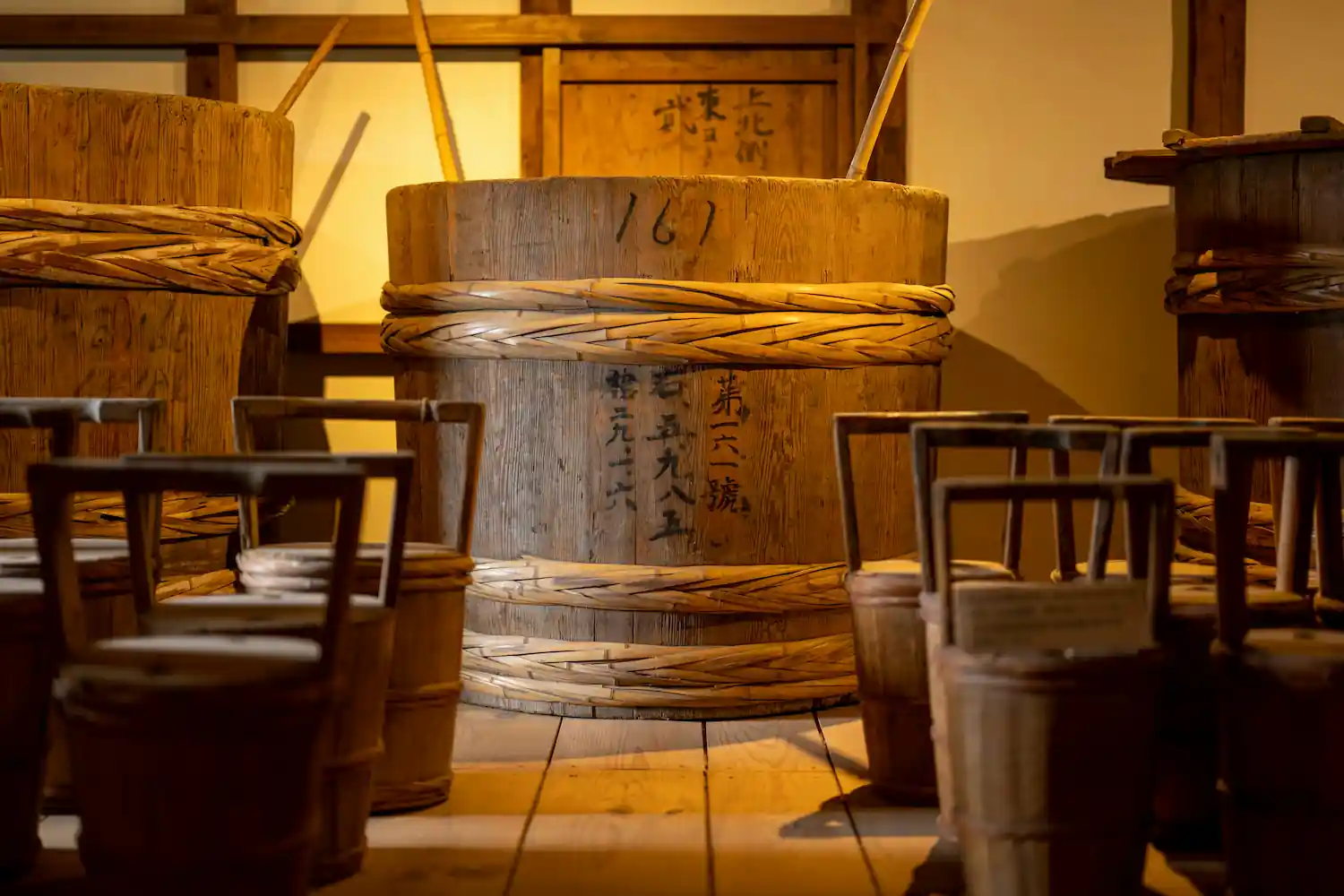
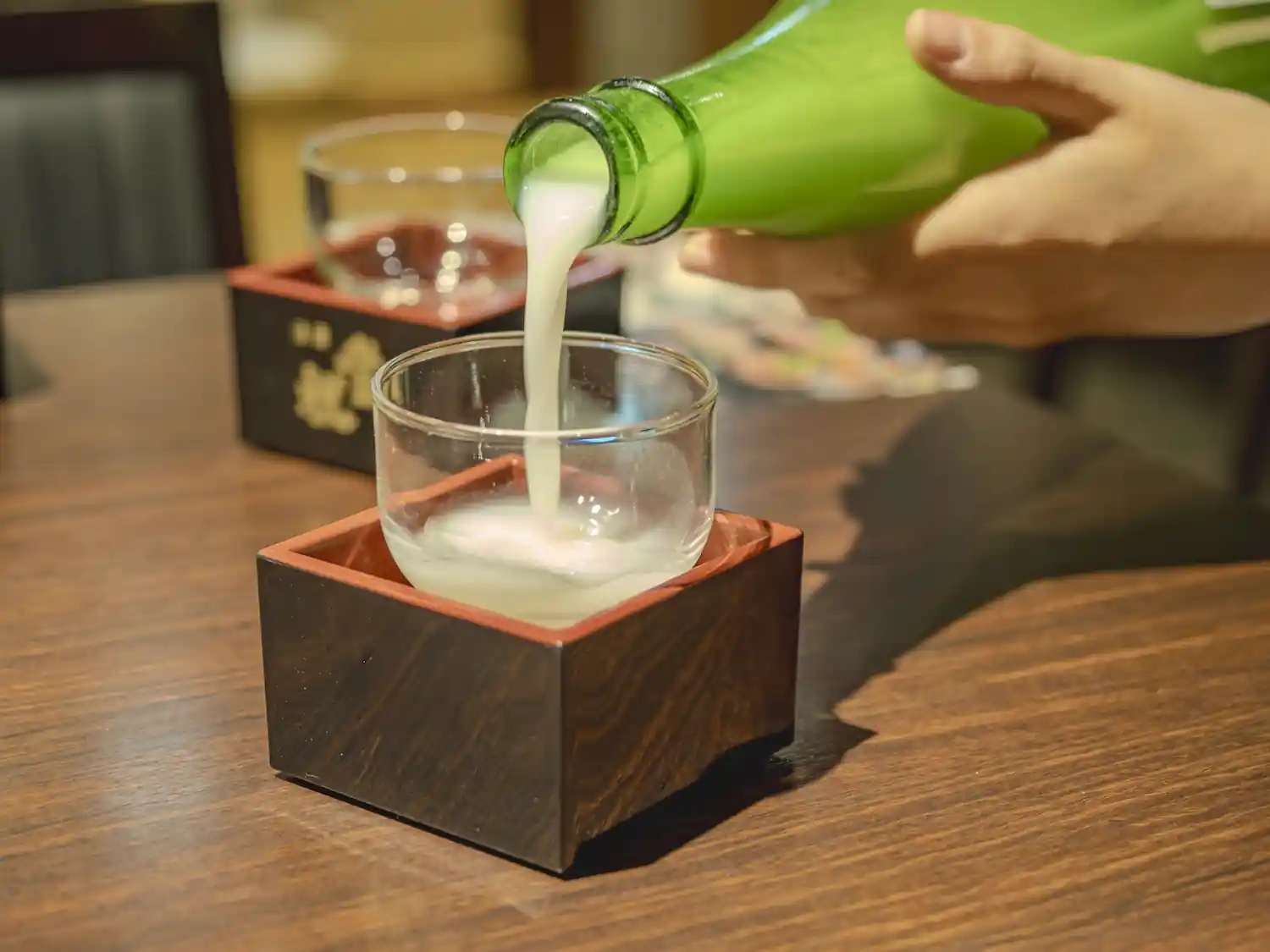
Source: Unsplash *Image is for illustrative purposes
Kurabito work spans all stages of sake production. Here, let's look at kurabito's specific responsibilities and working practices at breweries!
Generally, multiple people divide work by process, though at smaller breweries, individuals may handle multiple roles simultaneously.
Under the toji, kurabito have various positions. The kashira (head), serving as the toji's assistant, directs actual work operations and manages personnel placement. The koji master is called the koji-shi or dai-shi, while the sake-starter process manager is called the moto-shi or moto-mawashi.
These three—the toji, kashira, and koji-shi (or moto-shi)—are called the san-yaku (three principal positions).
Below the san-yaku, kurabito have positions like the kama-ya (furnace worker) who handles rice washing through steaming, the sen-do or funa-to (press worker) who presses the finished mash, and the mama-ya (cook) who handles meals.
New kurabito to the brewery typically start with cooking duties, gradually learning each task while enduring challenging work.
Kurabito work is physically demanding, frequently involving heavy lifting like rice transport and steamed rice management. Since tasks often run long hours, the ability to work persistently is crucial!
Moreover, sake brewing is teamwork, making cooperation essential. Kurabito must precisely understand and follow the toji's instructions.
The Tradition and Culture of the Sake-Brewing Team
Sake brewing has been supported by teams centered on the toji. There is a saying "wa-jou-ryou-shu" (harmony creates fine sake), meaning "when everyone unites their hearts, fine sake is born." In the sake-making workplace where teamwork is vital, the toji's "humanity" is the key!
The toji system, continuing from the Edo period, has undergone major changes in modern times. While seasonal work was once standard, the decline of migrant workers during Japan's rapid economic growth, combined with reduced sake shipments causing brewery management difficulties and aging toji, gradually changed employment structures.
Today, "employee toji" and "employee kurabito" with year-round employment are increasing. Also common are cases where brewery owners and toji/kurabito children who studied agriculture or brewing at universities or high schools accumulate brewing experience and become toji and kurabito themselves.
Instances of female toji and kurabito, and young producers challenging new sake brewing with fresh perspectives are increasing! While preserving tradition, new working practices suited to the era are spreading.
Summary
The toji is the ultimate responsible party for sake brewing, overseeing all processes, while kurabito are the craftspeople handling practical work under the toji. When both work together, delicious sake is born. Be sure to see their work firsthand during a brewery tour!
*This article uses AI for information organization, writing assistance, and proofreading. The structure and final review are conducted by the Kraport editorial team.
![[2026 Edition] Japan's Rarest Sake Ranking: 7 Phantom Brands & How to Get Them](/_next/image?url=https%3A%2F%2Fimages.microcms-assets.io%2Fassets%2F826a3c02e7914778a550c585c5136129%2Fea5556c1f22944d2baf1131914249f8d%2Fsake-sosogu.webp&w=1200&q=60)